When it comes to how often you should water indoor plants, there’s no one-size-fits-all answer. It really depends on various factors like the type of plant, pot size, and environmental conditions. Keep an eye on your plants! Look for signs like drooping leaves or crispy edges to know when it’s time to water indoor plants.
Signs of Underwatering
Sign of Underwatering | Description |
|---|---|
Drooping leaves | Leaves that droop but perk up after watering. |
Brown leaves | Leaves turn brown and may curl. |
Crispy leaves | Leaves become crispy to the touch. |
Key Takeaways
Observe your plants for signs of need. Look for drooping leaves or crispy edges to know when to water.
Understand your plant type. Succulents need less water, while ferns prefer consistently moist soil.
Check pot size. Smaller pots dry out faster, so monitor them closely for moisture.
Watering Frequency Factors
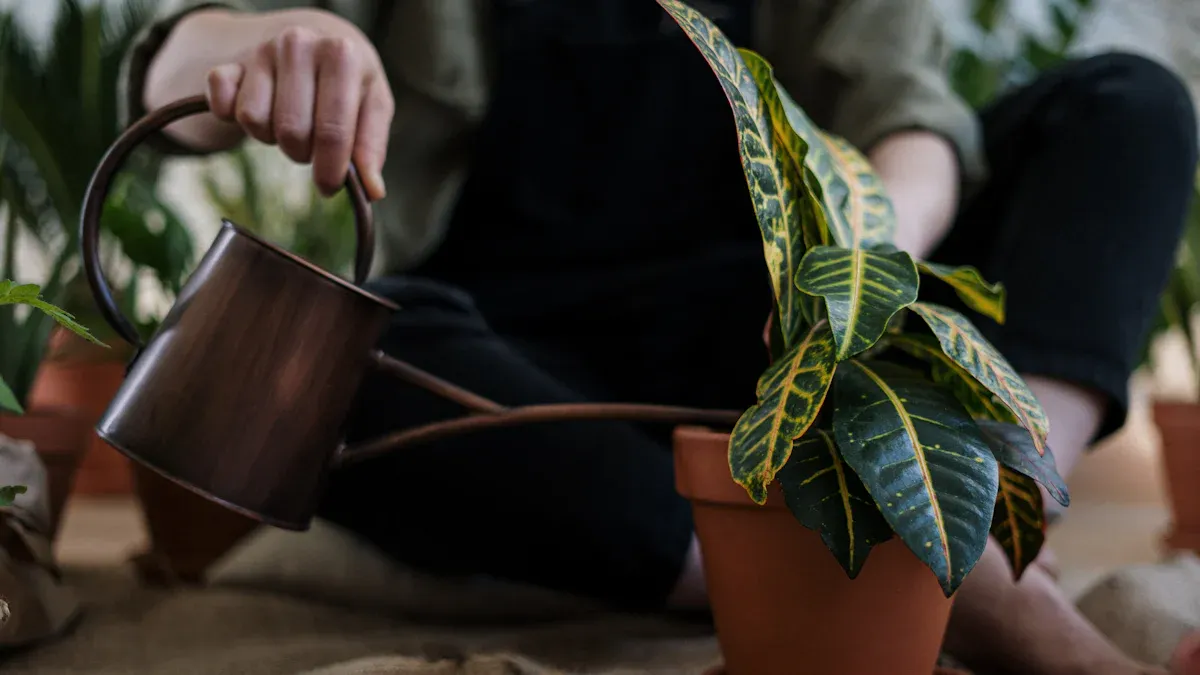
Plant Type
When it comes to watering indoor plants, the type of plant you have plays a huge role in determining how often you should water. Different plants have unique water needs, so it’s essential to know what your specific plant requires. For example:
Succulents and cacti thrive on minimal water. You should let the soil dry out completely between waterings.
Ferns prefer consistently moist soil. They need regular watering to keep their environment humid.
Orchids have varying needs based on their growth stage and environment. Monitor them closely to ensure they get just the right amount of moisture.
Here’s a quick reference table to help you understand the watering frequency for some popular indoor plants:
Plant Type | Watering Frequency |
|---|---|
Succulents | Infrequent, soil should dry out completely |
Ferns | Consistently moist soil |
Orchids | Varies by growth stage and environment |
Understanding your plant’s water needs is crucial. Overwatering is a common mistake that can lead to root rot and other issues. Remember, each plant type has distinct requirements, so take the time to observe and adjust your watering routine accordingly.
Pot Size
The size of your plant’s pot also significantly affects how often you need to water. Smaller pots dry out quickly because they hold less soil. This can be a problem for plants that prefer consistent moisture. On the other hand, larger pots retain moisture longer, which can lead to overwatering issues. Here are some key points to consider:
Smaller pots: These dry out faster, so check the soil more frequently.
Larger pots: These hold moisture longer, so you might not need to water as often.
Pot shape: Tall, narrow pots tend to dry out quicker than short, wide ones. If you have a plant that likes consistent moisture, a short, wide pot is a better choice.
To assess the moisture level in your pot, you can use a soil probe or even your finger. Stick it into the soil to see if it feels dry. This simple method helps you determine when it’s time to water indoor plants.
By considering both the type of plant and the size of the pot, you can create a more effective watering schedule that meets your indoor plants’ needs.
Environmental Conditions
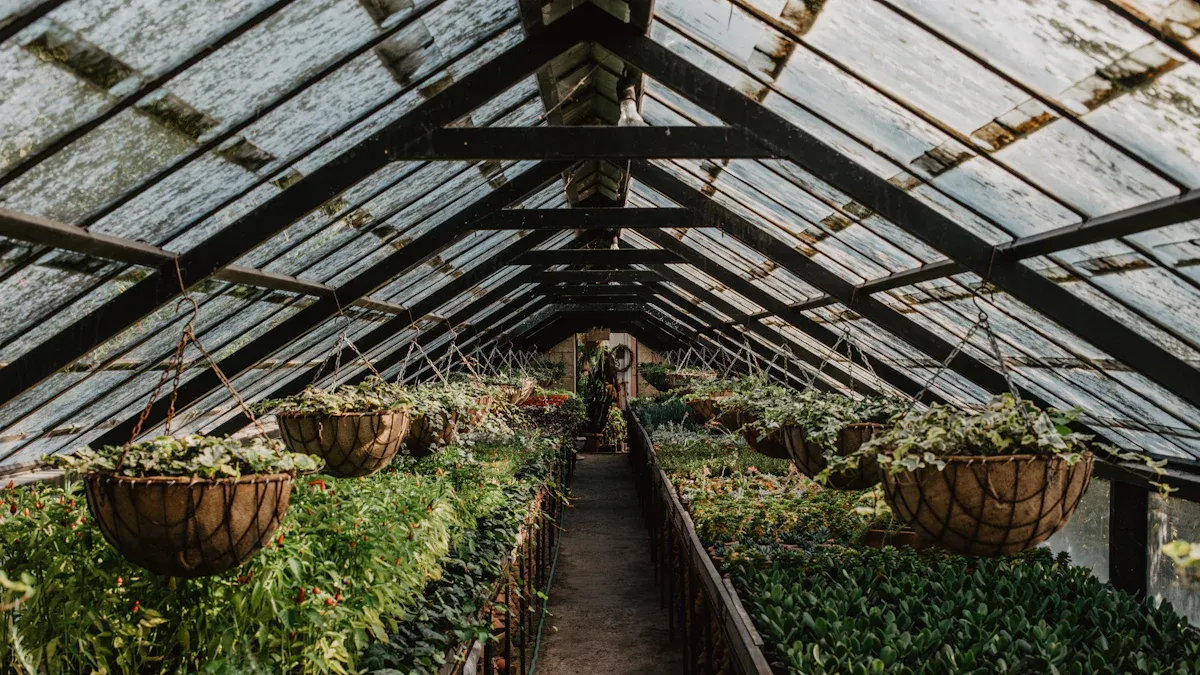
Humidity and Temperature
Humidity and temperature play a significant role in how often you need to water indoor plants. Most houseplants thrive in humidity levels between 40-60%. However, tropical plants often prefer higher humidity levels of 80-90%. When humidity is high, you may find that your plants require less frequent watering. This is because the soil retains moisture longer.
Here’s a quick reference table to help you understand how different humidity levels impact watering frequency:
Humidity Level | Watering Frequency Impact |
|---|---|
High (80-90%) | Reduced need for watering |
Moderate (40-60%) | Standard watering frequency |
Low (30-50%) | Increased need for watering |
During winter, heating systems can drop indoor humidity to around 30-50%. This can lead to increased watering needs, as the drier air causes plants to lose moisture more quickly. To maintain optimal humidity, consider using a humidifier or placing a tray of water near your plants. This can help create a more suitable environment for them.
As for temperature, most indoor plants prefer a range between 21°C (70°F) and 27°C (80°F). Staying within this range supports healthy growth and minimizes water stress. If your home gets too hot, you might notice that the soil dries out faster, which means you’ll need to adjust your watering schedule accordingly.
Sun Exposure
Sun exposure also affects how quickly the soil dries out. Plants in bright, direct sunlight will need more frequent watering compared to those in low-light areas. Here’s a table to illustrate the impact of light conditions on watering frequency:
Light Condition | Watering Frequency |
|---|---|
Bright, Direct Sunlight | Requires more frequent watering |
Low-Light Areas | Retain moisture longer, requiring less frequent watering |
When plants receive a lot of sunlight, evaporation rates increase. In fact, up to 50% of applied water can evaporate rapidly during peak midday heat. This means you should check the soil moisture more often for plants in sunny spots.
Additionally, be cautious about watering during the hottest parts of the day. Water droplets on leaves can raise localized temperatures, potentially causing damage. Instead, water your plants in the early morning or late afternoon when temperatures are cooler.
By paying attention to humidity, temperature, and sun exposure, you can better meet your plants’ water needs and ensure they thrive indoors.
Seasonal Watering Adjustments
Summer vs. Winter
Watering indoor plants changes with the seasons. In summer, you’ll likely need to water more frequently. The increased sunlight and warmer temperatures cause plants to lose moisture faster. Here’s a quick reference table to help you understand the differences:
Season | Watering Frequency | Key Considerations |
|---|---|---|
Summer | More frequent | Increased sunlight and warmer temperatures require more water. Avoid overwatering by checking soil moisture. |
Winter | Less frequent | Plants enter a slower growth phase; less water is needed to prevent root rot. |
During winter, many plants go dormant. They require less water because they’re not actively growing. For example, cacti may only need watering once a month. Always check the soil moisture by pushing your finger into the soil about 1-2 inches deep. If it feels dry, it’s time to water.
Signs of Overwatering
Overwatering is a common issue for indoor plant owners. In fact, 54% of plant owners admit that overwatering is the biggest unintentional cause of plant deaths. Here are some signs to watch for:
Yellow or brown limp leaves indicate overwatering, especially when combined with wet soil.
Shedding of both old and new leaves can signal overwatering.
A mushy or unstable base of the plant stem suggests overwatering, often accompanied by a rotten odor.
Brown spots or edges on leaves with a yellow halo indicate a bacterial infection due to excess water.
The presence of fungus or mold on the soil surface and fungus gnats are common signs of overwatering.
By adjusting your watering frequency based on the season and recognizing the signs of overwatering, you can keep your indoor plants healthy and thriving.
In summary, watering indoor plants depends on various factors like plant type, pot size, and environmental conditions. Always observe your plants for signs of need. Experiment with different watering schedules to find what works best for your specific plants. Remember, a little attention goes a long way in keeping your indoor garden thriving! 🌱