In today’s busy world, you need a landscape that looks great without demanding too much time. A low maintenance landscape not only saves you money on upkeep but also boosts your property’s value. By choosing native plants and incorporating hardscaping, you can create a beautiful outdoor space that’s easy to care for.
Key Takeaways
Choose native and drought-resistant plants for a low maintenance landscape. They thrive with little care and adapt well to local conditions.
Incorporate hardscaping elements like patios and walkways to reduce mowing, watering, and weeding. This makes your outdoor space easier to maintain.
Use mulch to conserve moisture and suppress weeds. Applying three inches of mulch can significantly cut down your weeding time.
Plant Selection for Low Maintenance Landscape
Native and Drought-Resistant Plants
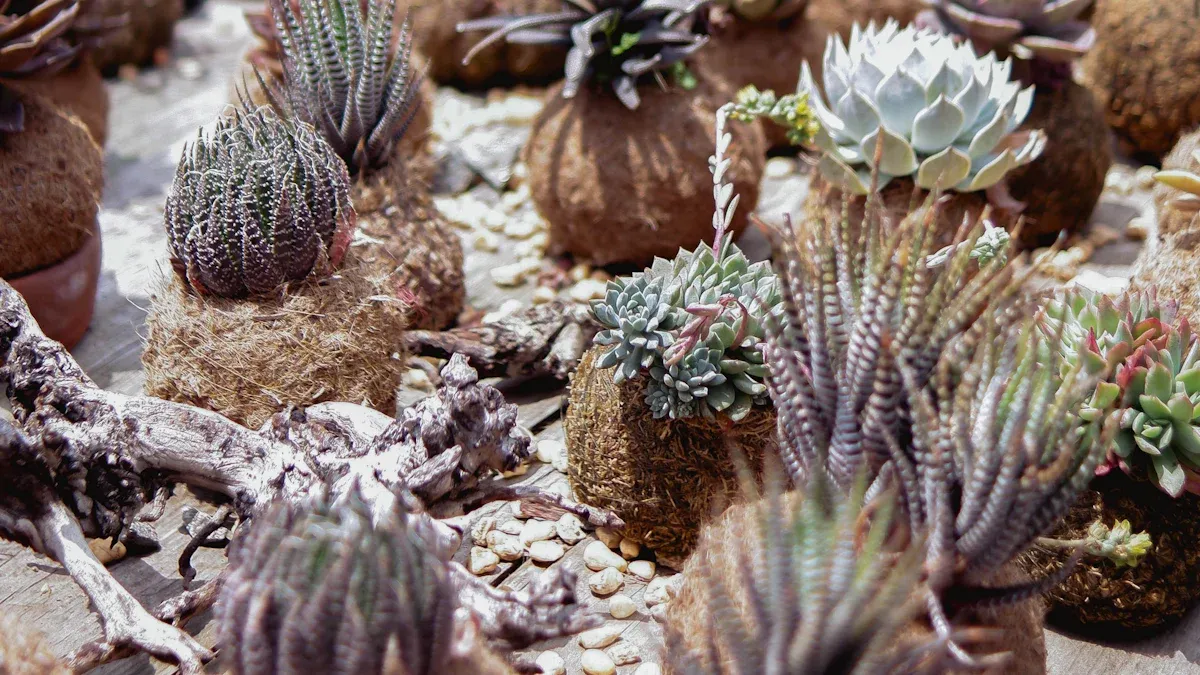
When you think about creating a low maintenance landscape, native and drought-resistant plants should be at the top of your list. These plants are not only beautiful but also incredibly adaptable to your local environment. They thrive with minimal care, making them perfect for busy lifestyles. Here are some key characteristics that make native plants a great choice:
Characteristic | Description |
|---|---|
Adaptability | Native plants are uniquely suited to local environments, evolving to withstand specific conditions. |
Deep Root Systems | They improve soil health, prevent erosion, and enhance water infiltration. |
Pest and Disease Resistance | Native plants are resistant to local pests and diseases, minimizing the need for chemicals. |
Drought Tolerance | Many native plants can thrive with minimal watering, making them suitable for low maintenance. |
Ecological Benefits | They provide habitats and food for local wildlife, supporting biodiversity. |
Aesthetic Variety | Native plants offer diverse colors and textures, enhancing the beauty of landscapes. |
By incorporating these plants into your landscape design, you not only create a stunning visual appeal but also support local ecosystems. Plus, you’ll enjoy the long-term cost savings associated with using low maintenance plants. Once established, they require less water, fertilizer, and maintenance compared to traditional options.
Drought-tolerant plants are particularly beneficial for reducing your landscape’s water dependency. They thrive with minimal irrigation, which means you can enjoy a lush garden without the hassle of constant watering. Here are some advantages of using drought-resistant plants:
They require less water, reducing the need for irrigation.
They adapt well to local conditions, minimizing the need for chemical treatments.
These plants typically need less frequent care, lowering overall maintenance efforts.
Easy-Care Perennials
Easy-care perennials are another fantastic option for your low maintenance landscape. Unlike annuals, which need replanting every year, perennials regrow season after season. This means less work for you! Here are some benefits of choosing easy-care perennials:
They require less frequent replanting compared to annuals.
Maintenance tasks include soil preparation, mulching, pest monitoring, and seasonal clean-up.
Perennials are often described as “set it and (almost) forget it” plants, indicating lower maintenance needs.
In addition to perennials, consider incorporating no-effort ground covers into your landscape. These plants spread easily and act as a natural mulch, suppressing weeds and retaining moisture. Here are some effective ground cover options:
Creeping Thyme: Forms a fragrant carpet and is tough enough to walk on.
Vinca (Periwinkle): Low maintenance and excellent at crowding out weeds.
Japanese Spurge (Pachysandra): Slow to establish but forms a weed-suppressing carpet once mature.
By selecting these low-maintenance borders, you can create a beautiful landscape that requires minimal effort. With the right plant choices, you can enjoy a stunning outdoor space without the constant upkeep.
Lazy Landscaping with Hardscaping
Incorporating Hardscaping Elements
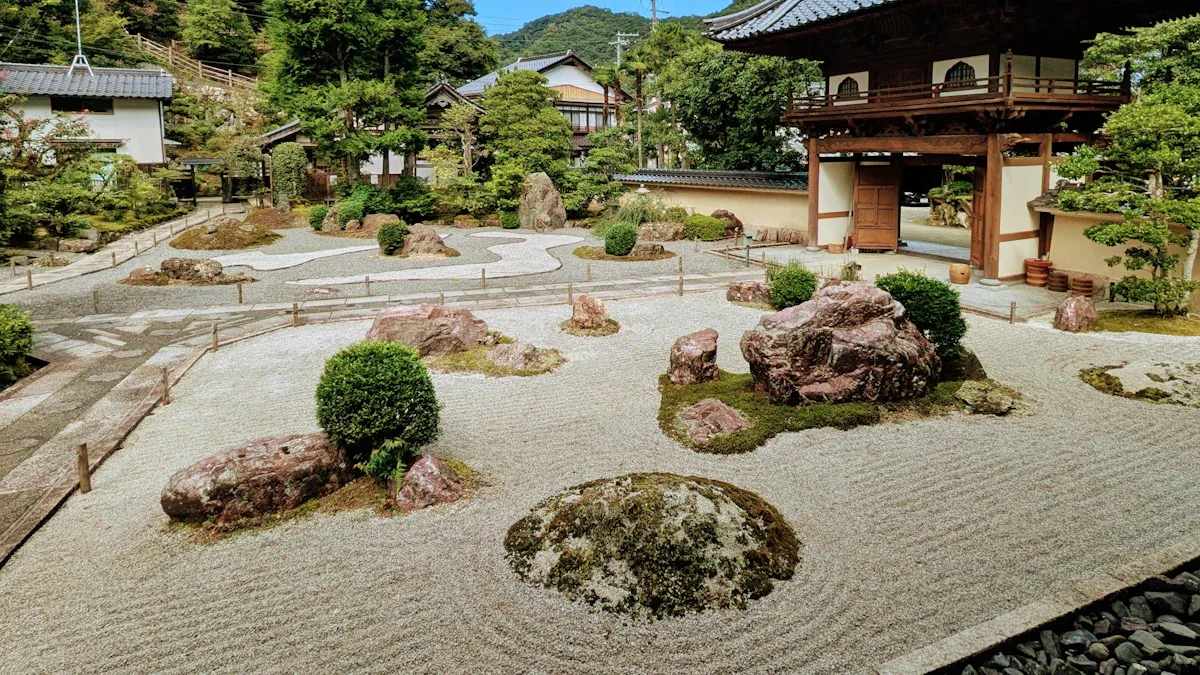
When you think about creating a low maintenance landscape, hardscaping plays a crucial role. Hardscaping refers to the non-plant elements in your landscape design, such as patios, walkways, and retaining walls. By incorporating these features, you can significantly reduce the time and effort needed for upkeep. Here’s how hardscaping helps:
Less Mowing: With hardscaping elements like decks and patios, you spend less time mowing grass.
Reduced Watering: You won’t need to water lawns as often, which saves both time and resources.
Fewer Weeds: Hardscaping minimizes the areas where weeds can grow, cutting down on weeding tasks.
Weather Protection: Hardscaping protects against landscaping issues caused by weather, which can be costly to fix.
Combining hardscape and landscape elements strategically can further reduce maintenance needs. For instance, placing stone pathways through your garden not only enhances its beauty but also minimizes the amount of grass you need to maintain.
Functional Hardscaping Options
Functional hardscaping options like patios and walkways do more than just look good; they also improve usability and aesthetics in your outdoor space. Here are some benefits of these features:
Defined Spaces: Patios create defined areas for activities, making your outdoor space more functional.
Safe Navigation: Walkways provide safe paths between different zones, ensuring easy movement around your yard.
Visual Appeal: Hardscapes add structure and beauty, framing your landscaping elements and enhancing overall aesthetics.
Consider using materials like pavers, brick, or gravel for your hardscaping. Each material has its own unique characteristics and durability. Here’s a quick overview:
Material | Characteristics | Durability Rating |
|---|---|---|
Pavers | Versatile, available in various colors and shapes, interlocking for stability. | N/A |
Brick | Timeless, sturdy, adds elegance, easy to maintain. | N/A |
Concrete | Customizable, budget-friendly, durable, low-maintenance. | N/A |
Gravel | Affordable, low-maintenance, excellent drainage, rustic appeal. | N/A |
Wood | Natural appeal, requires maintenance, used with other materials. | N/A |
Tile | Sleek, stylish, easy to clean, available in various materials. | N/A |
While the initial installation costs for hardscaping can be significant, the long-term savings on maintenance make it a worthwhile investment. You’ll find that quality materials lead to lower repair costs down the line.
Watering Solutions for Minimal Effort
Automatic Irrigation Systems
If you want to simplify your watering routine, consider installing an automatic irrigation system. These systems can save you time and effort while keeping your plants healthy. Here are some key advantages:
Efficient Water Use: They apply water only where needed, conserving resources.
Enhanced Plant Health: Consistent watering reduces stress on plants, lowering replacement costs.
Time Savings: You can automate watering tasks, allowing you to focus on other activities.
Long-Term Savings: Enjoy reduced water bills and fewer plant replacements.
Environmental Benefits: They help minimize runoff and soil erosion.
Smart controllers and rain sensors optimize water usage based on weather conditions. Some systems can save you around 50% on water bills by adjusting to environmental factors. With options like hybrid systems that combine drip and spray methods, you can maximize efficiency and water savings.
Mulching Techniques
Mulching is another fantastic way to reduce maintenance in your landscape design. It helps conserve soil moisture and suppress weeds, making your garden easier to care for. Here’s how mulch works:
Weed Control: Mulch blocks sunlight from reaching the soil, preventing weed seeds from germinating.
Moisture Retention: It minimizes water loss, keeping your plants hydrated and reducing the need for frequent watering.
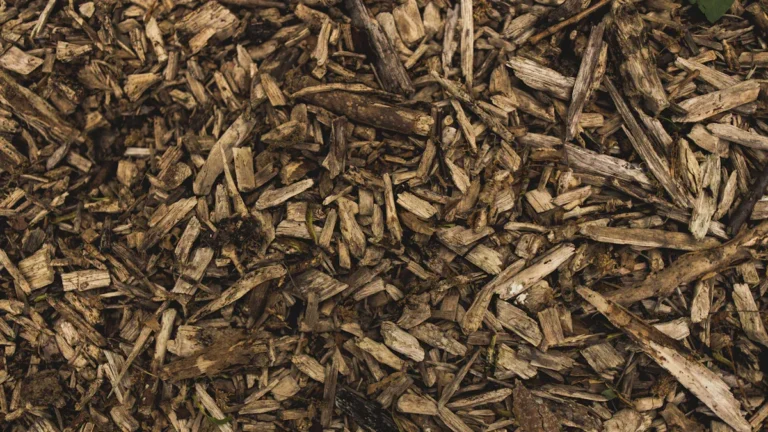
Using three inches of mulch can cut your weeding time by about two-thirds! Consider options like straw, wood chips, or pine needles for effective moisture retention and weed suppression. Each type has its benefits, so choose what works best for your garden.
By implementing these watering solutions, you can create a low maintenance landscape that thrives with minimal effort.
Creating a low maintenance landscape is all about smart choices. Start by selecting native and drought-tolerant plants. Use perennials to avoid replanting each season. Incorporate hardscaping elements to reduce upkeep.
Take the first step today! Begin with a small area and gradually implement these ideas. You’ll enjoy a beautiful yard that requires less effort.