Growing vegetables in small spaces offers amazing rewards! You can enjoy fresh produce right at home while saving money on groceries. Plus, small gardens that allow you to grow vegetables require less weeding and watering, making them easier to manage. Choosing the right vegetables and optimizing your space lets you control growing conditions, ensuring your veggies are nutritious and delicious. 🌱
Key Takeaways
Choose the right vegetables for small spaces. Opt for varieties like pole beans and cherry tomatoes that thrive in limited areas.
Utilize vertical gardening techniques. Growing plants upward saves ground space and increases your yield significantly.
Select appropriate containers and soil. Use pots with good drainage and a nutrient-rich soil mix to support healthy plant growth.
Best Vegetables to Grow
When you’re working with a small space, choosing the right vegetables can make all the difference. Some veggies thrive in tight quarters, allowing you to maximize your home garden’s potential. Let’s explore some fantastic options!
Vertical Growing Options
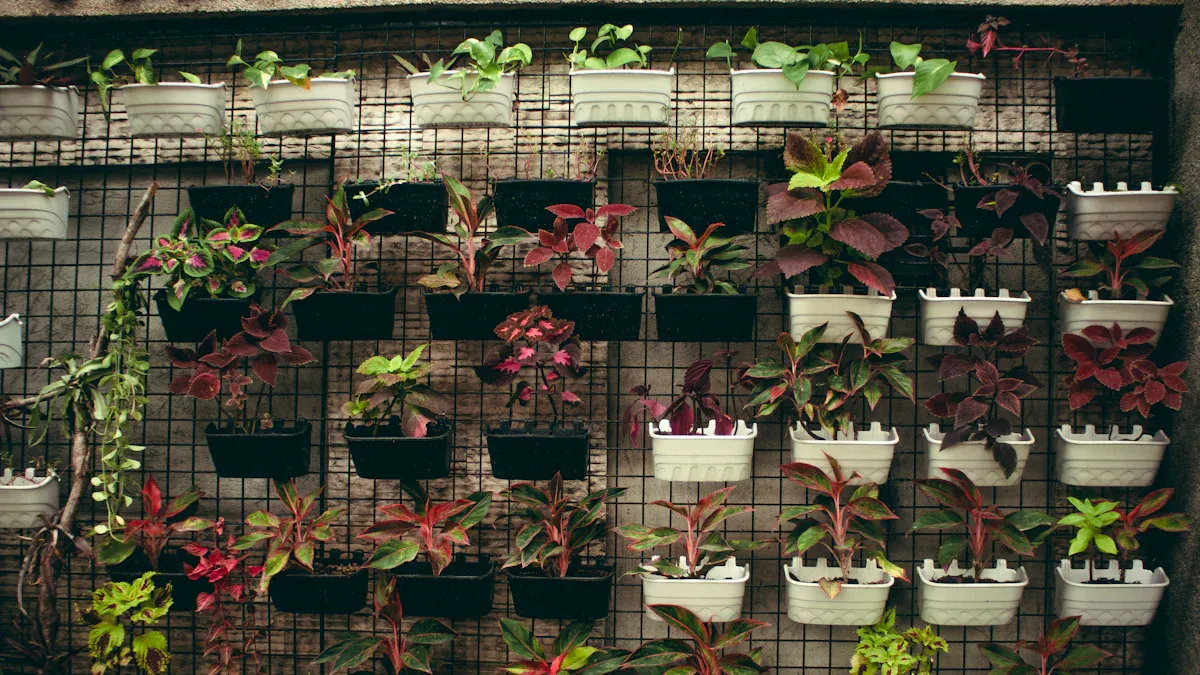
Vertical gardening is a game-changer for small spaces. By growing plants upward, you can save ground space and increase your yield. Here are some top vegetables that do well when grown vertically:
Pole Beans: These fast-growing plants climb easily and produce a high yield.
Peas: They love to climb and can be harvested multiple times throughout the season.
Tomatoes: Indeterminate varieties keep producing as long as you provide support.
Cucumbers: These prolific producers thrive on trellises, making them perfect for vertical gardening.
Did you know that vertical gardens can yield up to 10 times more produce per square foot than traditional methods? This approach not only maximizes your space but also enhances resource efficiency, leading to healthier plants and quicker growth.
Container-Friendly Vegetables
Container gardening is another excellent way to grow vegetables in small spaces. Many vegetables adapt well to pots, allowing you to create a portable garden. Here’s a list of container-friendly vegetables:
Tomatoes: Varieties like ‘Cherry Gold’ and ‘Bushsteak’ do well in containers.
Peppers: Compact types such as ‘Poblano’ and ‘Shishito’ thrive in pots.
Beans: Bush beans are easier to manage, while pole beans can climb a trellis.
Carrots: Choose shorter varieties like ‘Little Finger’ for deep containers.
Cucumbers: Look for bush types like ‘Bush Slicer’ that require less space.
Vegetable | Root Depth Consideration | Recommended Varieties |
|---|---|---|
Tomatoes | Needs ample room for roots | ‘Cherry Gold’, ‘Candyland Red’, ‘Balcony’, ‘Bushsteak’ |
Peppers | Performs better in containers | ‘Poblano’, ‘Shishito’ |
Beans | Bush beans easier; trellis for pole beans | ‘French Mascotte’, ‘Roma’, ‘Kentucky Wonder’ |
Carrots | Containers should be deep | ‘Little Finger’, ‘Parisian Market’, ‘Thumbelina’ |
Cucumbers | Requires sturdy support | ‘Bush Slicer’, ‘Bush Pickle’, ‘Spacemaster’ |
Companion planting can also enhance your small garden’s productivity. For example, pairing cucumbers with climbing nasturtiums attracts pollinators, boosting cucumber yields. Similarly, planting tomatoes alongside basil can improve flavor and deter pests.
By selecting the right vegetables and utilizing vertical and container gardening techniques, you can create a thriving garden even in the smallest of spaces!
Vegetable Garden Layout
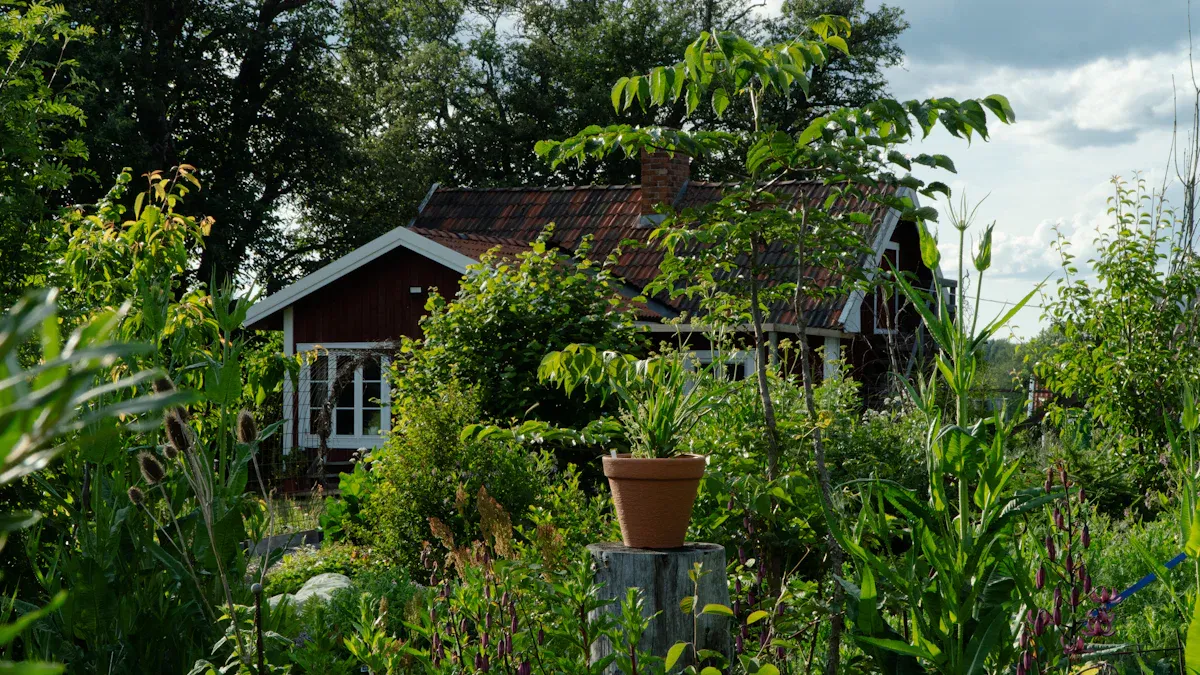
Creating an effective vegetable garden layout is crucial for maximizing your yield in small spaces. You can achieve this by utilizing vertical space and selecting the right containers and soil.
Using Vertical Space
Vertical gardening is a fantastic way to make the most of your limited area. By growing plants upwards, you not only save ground space but also improve airflow and sunlight exposure. Here are some tips to get started:
Use trellises: Support climbing plants like cucumbers and beans to grow vertically. This method enhances sunlight access and reduces overcrowding.
Prune regularly: Keep your plants tidy by trimming excess growth. This practice helps maintain healthy plants and makes harvesting easier.
Choose the right plants: Opt for vining varieties that thrive when allowed to climb. Tomatoes and peas are excellent choices for vertical gardening.
Remember, “Gardening up not only saves space, it also creates structure and visual interest.”
Container Selection and Soil
When it comes to container gardening, choosing the right pots and soil mix is essential. Here’s what you need to know:
Select appropriate containers: Use pots that provide good drainage. For example, cherry tomatoes thrive in 5-gallon pots, while lettuce does well in shallow containers.
Create a quality soil mix: A recommended blend includes 50% compost, 25% coco coir, and 25% drainage materials like perlite. This mix ensures your plants receive the nutrients they need.
Vegetable Type | Sunlight Requirement |
|---|---|
Tomatoes | Requires at least 6 hours of sunlight |
Lettuce | Grows well with about 4 hours of sunlight |
Peppers | Thrives with at least 6 hours of sunlight |
By carefully planning your vegetable garden layout, you can create a productive home garden that yields fresh produce all season long!
Care Tips for Small Spaces
Taking care of your small-space vegetable garden is essential for a bountiful harvest. Here are some tips to help you succeed!
Watering Techniques
Watering your plants correctly can make a big difference. Here are some effective techniques:
Drip irrigation: This method delivers water directly to the roots, minimizing evaporation and disease risk.
Soaker hoses: These are great for smaller areas, allowing water to seep slowly into the soil.
Water in the morning: This reduces evaporation and helps prevent fungal diseases.
Remember, the size of your container affects how often you need to water. Smaller pots dry out quickly, so check them daily. Larger pots retain moisture longer, but be careful not to overwater, as this can lead to root rot.
Light Requirements
Most vegetables thrive in full sun, needing at least 6 to 8 hours of sunlight daily. However, some leafy greens like lettuce can grow well with just 4 hours. Here’s a quick guide:
Vegetable Type | Light Requirement |
|---|---|
Fruiting plants (e.g., tomatoes, peppers) | Full sun (6 to 8 hours/day) |
Leafy greens (e.g., lettuce, spinach) | Less sunlight (3 to 5 hours/day) |
If you want to maximize your harvest, consider succession planting. This means planting crops at intervals to ensure a continuous supply. For example, plant radishes every two weeks for a steady harvest over three months. This technique helps you make the most of your limited space and keeps your home garden productive all season long!
Starting your small-space vegetable garden can be a rewarding adventure! Here are some key points to remember:
Be Strategic in What You Grow: Focus on vegetables you love and that are worth the space.
Grow What You Eat: Prioritize veggies based on your grocery habits.
Understand Vegetable Characteristics: Consider harvest season and yield per plant.
Start with Seedlings: Use seedlings for better success in your limited space.
Grow Up: Utilize vertical gardening techniques to maximize your area.
Even a small garden can yield impressive results. For instance, cherry tomatoes and pole beans can produce abundantly, making your efforts worthwhile. So, roll up your sleeves and start planting—your bountiful harvest awaits! 🌿
FAQ
What vegetables grow best in containers?
You can grow tomatoes, peppers, and lettuce easily in containers. Choose compact varieties for the best results! 🍅🌶️
How often should I water my small garden?
Water your plants when the top inch of soil feels dry. Container plants may need daily watering, especially in hot weather. 💧
Can I grow vegetables indoors?
Yes! Many vegetables like herbs, lettuce, and small peppers thrive indoors with sufficient light. Consider using grow lights if natural light is limited. 🌱