Fertilizing indoor plants is essential for their health and growth. Many beginners believe that indoor plant fertilizing is unnecessary, but this is a misconception. In fact, around 68% of indoor plant nutrient deficiencies arise from incorrect fertilization practices. Proper indoor plant fertilizing provides vital nutrients, enhances growth, and promotes longevity. Understanding how to fertilize correctly can make a significant difference in your plants’ well-being.
Common Misconceptions About Fertilizing Indoor Plants
Misconception | Explanation |
|---|---|
Fertilizing during dormancy | Most houseplants should not be fertilized during winter when they are dormant. |
Using strong concentrations | Indoor plants are sensitive to strong nutrients; always dilute liquid fertilizers as directed. |
Fertilizing stressed plants | Fertilizing stressed plants can worsen their condition; they need to be healthy first. |
More fertilizer is better | Over-fertilizing can lead to nutrient burn; less is often more. |
Ignoring packaging instructions | Following fertilizer packaging instructions is crucial to avoid over-fertilizing. |
Key Takeaways
Fertilizing indoor plants is crucial for their health and growth. Use the right nutrients to prevent deficiencies and promote vibrant foliage.
Understand your plants’ growth cycles. Fertilize more during spring and summer when they actively grow, and reduce or stop in fall and winter.
Choose the right type of fertilizer. Organic options are safer, while synthetic fertilizers provide quick results. Always follow packaging instructions to avoid over-fertilizing.
Benefits of Indoor Plant Fertilizing
Nutrient Supply
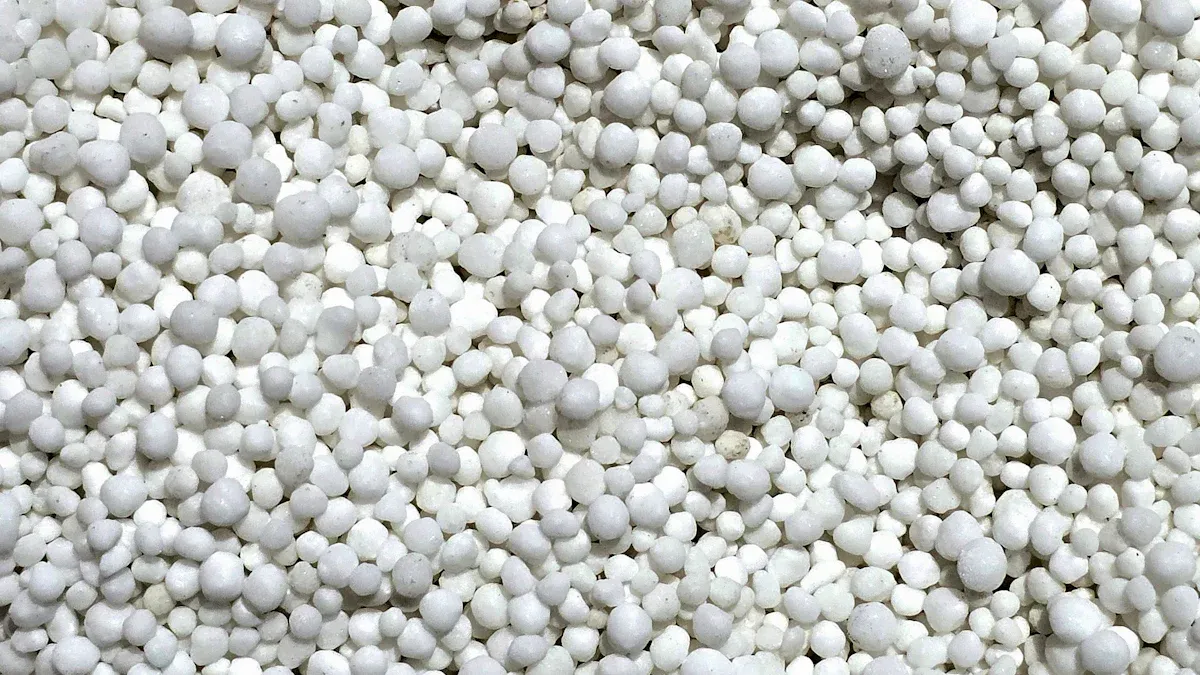
Fertilizing indoor plants provides essential nutrients that support their growth and health. Indoor plants require a balanced supply of nutrients, including nitrogen, phosphorus, and potassium. Each nutrient plays a unique role in plant development:
Nitrogen promotes lush, green foliage and overall growth.
Phosphorus supports root development and flowering.
Potassium enhances disease resistance and strengthens plant structure.
When you fertilize your indoor plants, you help them meet their nutritional needs. Without proper fertilization, plants can suffer from nutrient deficiencies. For example, a lack of nitrogen can cause older leaves to turn yellow, while phosphorus deficiency may lead to dark green or reddish-purple edges on leaves.
Nutrient | Deficiency Symptoms |
|---|---|
Nitrogen | Older leaves turn yellow; light green coloration of the entire plant. |
Phosphorus | Abnormally dark green or reddish purple color along the edge of the lower plant leaves. |
Potassium | Yellowing of leaf margins starting at the tips; severe cases show brown edges and stunted growth. |
Enhanced Growth
Regular fertilization significantly enhances the growth of indoor plants. Studies show that houseplants can experience a 40% increase in leaf production when you fertilize them consistently. This growth boost results from the plants receiving the right balance of nutrients at the right time.
Moreover, fertilization can improve the overall health of your plants. Healthy plants are more resilient to pests and diseases. A recent study indicates that fertilizing crops can disrupt the balance of microbial communities on plant leaves, potentially making them more susceptible to disease. Therefore, it is crucial to apply fertilizers in moderation and at the right times to avoid stressing your plants.
Benefit of Fertilizers | Description |
|---|---|
Increased Tolerance to Pests | Fertilizers enhance plants’ resilience against pests, reducing the need for pesticides and herbicides. |
Improved Water Retention | Fertilizers help plants maintain water, promoting deeper root growth. |
Strengthened Stalks | Potassium in fertilizers strengthens plant stalks and straws. |
Enhanced Root Development | Phosphorus aids in faster root growth and seed formation. |
Promoted Growth | Nitrogen contributes to the overall growth and green color of plants. |
By understanding the benefits of fertilizing indoor plants, you can create an environment that fosters optimum growth. Regularly providing the right nutrients will lead to healthier, more vibrant plants that thrive in your home.
Understanding Growth Cycles of Indoor Plants
Growth Phases
Indoor plants go through distinct growth phases that affect their nutrient needs. Understanding these phases helps you provide the right fertilizer at the right time. Here are the typical growth phases:
Vegetative Phase: During this phase, plants focus on growing leaves and stems. Fertilizers high in nitrogen, like a 20-20-20 mix, support this growth.
Flowering Phase: In this phase, plants shift their energy to producing flowers. They require fertilizers with higher phosphorus content, such as a 15-30-15 mix, to promote bud formation.
For example, Peace Lilies grow slowly to moderately, especially in low light. You will notice new growth in spring. Pothos, on the other hand, grows moderately fast in good light but slows down in dim conditions.
Seasonal Considerations
The seasons greatly influence how you should fertilize your indoor plants. Here’s a quick guide:
Season | Nutrient Needs | Fertilization Frequency |
|---|---|---|
Spring/Summer | High (active growth) | More frequent fertilization |
Fall/Winter | Low (dormant phase) | Reduced or no fertilization |
During spring and summer, your plants actively grow and need more nutrients. You should fertilize regularly to support this growth. In contrast, during fall and winter, plants enter dormancy. It’s best to minimize or stop fertilization during this time to avoid disrupting their natural cycle.
By understanding these growth cycles and seasonal changes, you can ensure your indoor plants receive the right nutrients at the right times, promoting their health and vitality.
Fertilizer Selection and Application for Houseplants
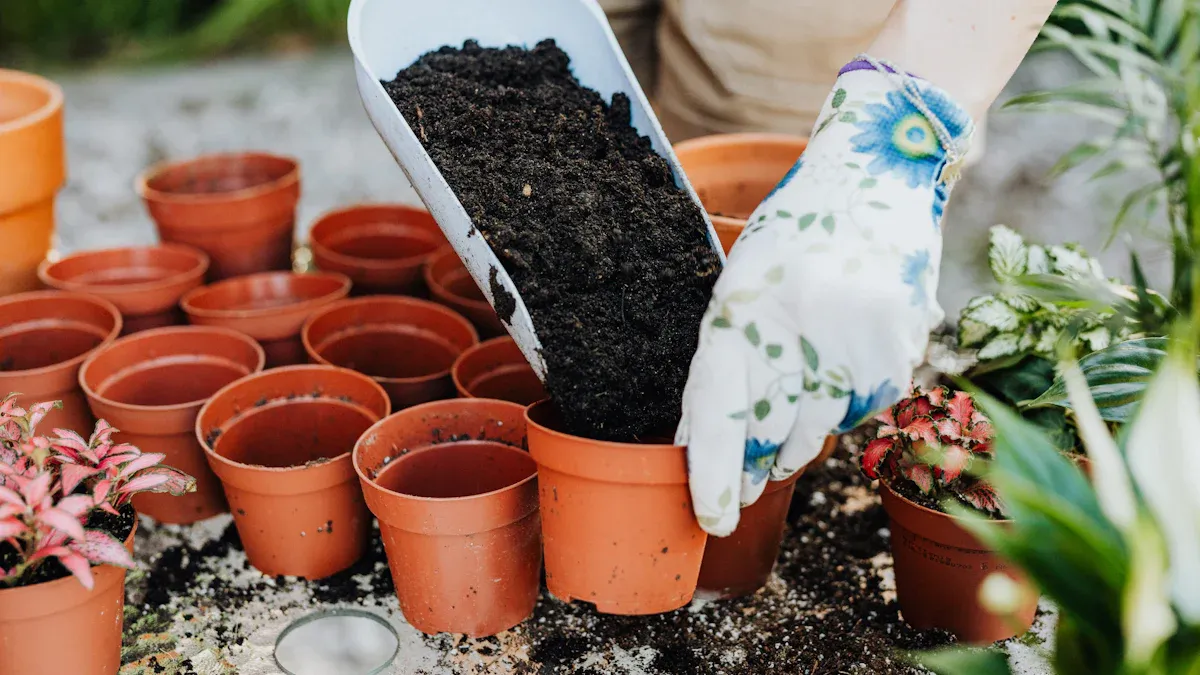
Types of Fertilizers
Choosing the right fertilizer is crucial for the health of your indoor plants. You can find several types of fertilizers, each with unique benefits. Here’s a breakdown of the main categories:
Fertilizer Category | Nutrient Profile Description |
|---|---|
Organic vs. Synthetic | Organic fertilizers release nutrients slowly and are safer for plants. Synthetic fertilizers provide higher concentrations for quick results. |
All-Purpose Fertilizers | These balanced fertilizers work well for various plants without altering soil pH. |
Specialty Fertilizers | Formulated for specific plants, such as roses or acid-loving plants, with tailored nutrient profiles. |
Single-Ingredient Fertilizers | Derived from natural sources, these provide specific nutrients like nitrogen or phosphorus for targeted use. |
Slow-Release Fertilizers | These fertilizers release nutrients gradually, making them ideal for container plants that require less frequent feeding. |
N-P-K Analysis | The three essential macronutrients—Nitrogen (N), Phosphorus (P), and Potassium (K)—are crucial for plant health. |
When you select a fertilizer, consider the specific needs of your indoor plants. For example, succulents thrive on low-nitrogen fertilizers, while flowering plants benefit from higher phosphorus levels.
Application Methods
Proper application of fertilizers ensures that your indoor plants receive the nutrients they need without the risk of over-fertilization. Here are some effective methods:
Liquid Fertilizers: These can be applied directly to the soil or as a foliar spray. Always dilute liquid fertilizers according to the product instructions to avoid fertilizer burn. Lightly water the soil before application to ensure even nutrient distribution.
Granular Fertilizers: Also known as slow-release fertilizers, these can be applied to the soil’s surface or mixed in during potting. They are ideal for plants that require less frequent fertilization.
Broadcast Application: Use a hand-rotary or drop spreader to cover larger areas effectively.
Top-Dress Application: Apply granular fertilizers around the base of individual plants by hand.
For most indoor plants, fertilizing every 2 to 3 months during the growing season is recommended. In winter, reduce or skip fertilization as plants enter dormancy.
Common Mistakes
Many beginners make mistakes when fertilizing indoor plants. Here are some common pitfalls to avoid:
Under-fertilizing: Many people forget that houseplants need nutrients. Ensure you fertilize regularly to support healthy growth.
Over-fertilizing: Adding too much fertilizer can lead to chemical burns and long-term issues. More fertilizer does not equal healthier plants.
Incorrect Timing: Fertilizing during the dormant winter months can overwhelm plants. Focus on fertilizing during the active growing season.
Ignoring Plant Needs: Different plants have different fertilizer requirements. Research the specific needs of your common indoor plants to provide the best care.
Neglecting Instructions: Always follow the guidelines on the fertilizer packaging. This helps prevent over-fertilization and ensures your plants thrive.
By understanding these types of fertilizers, application methods, and common mistakes, you can enhance your indoor plant maintenance routine. Proper fertilization will lead to healthier, more vibrant plants that flourish in your home.
Understanding how to fertilize your indoor plants is vital for their health. Remember to use half-strength liquid fertilizers and adjust based on your plants’ needs. Keep a fertilizing journal to track what works best. Experiment with different methods to see what helps your indoor plants thrive!
FAQ
How often should I fertilize my indoor plants?
You should fertilize your indoor plants every 2 to 3 months during the growing season. Adjust frequency based on specific plant needs.
Can I use garden fertilizer for indoor plants?
No, garden fertilizers often contain higher concentrations. Use fertilizers specifically designed for indoor plants to avoid harming them.
What signs indicate my plant needs fertilizer?
Look for yellowing leaves, stunted growth, or poor flowering. These signs often mean your plant needs more fertilizer to thrive.