
Living in an apartment often means dealing with limited natural light. This can make it tough to maintain a vibrant indoor space. Thankfully, low light indoor plants offer a great solution! Not only do they brighten up your home, but they also improve air quality and reduce stress. Choosing the right plants for low light conditions is key to creating a healthy and inviting environment.
Key Takeaways
Low light indoor plants like the ZZ Plant and Snake Plant thrive in dim conditions, making them perfect for apartments with limited natural light.
Proper care is essential; avoid overwatering by checking the soil moisture before watering your plants.
Choose pet-safe plants such as Spider Plants and Bamboo Palms to create a beautiful and safe environment for both you and your furry friends.
Top Low-Light Indoor Plants
ZZ Plant
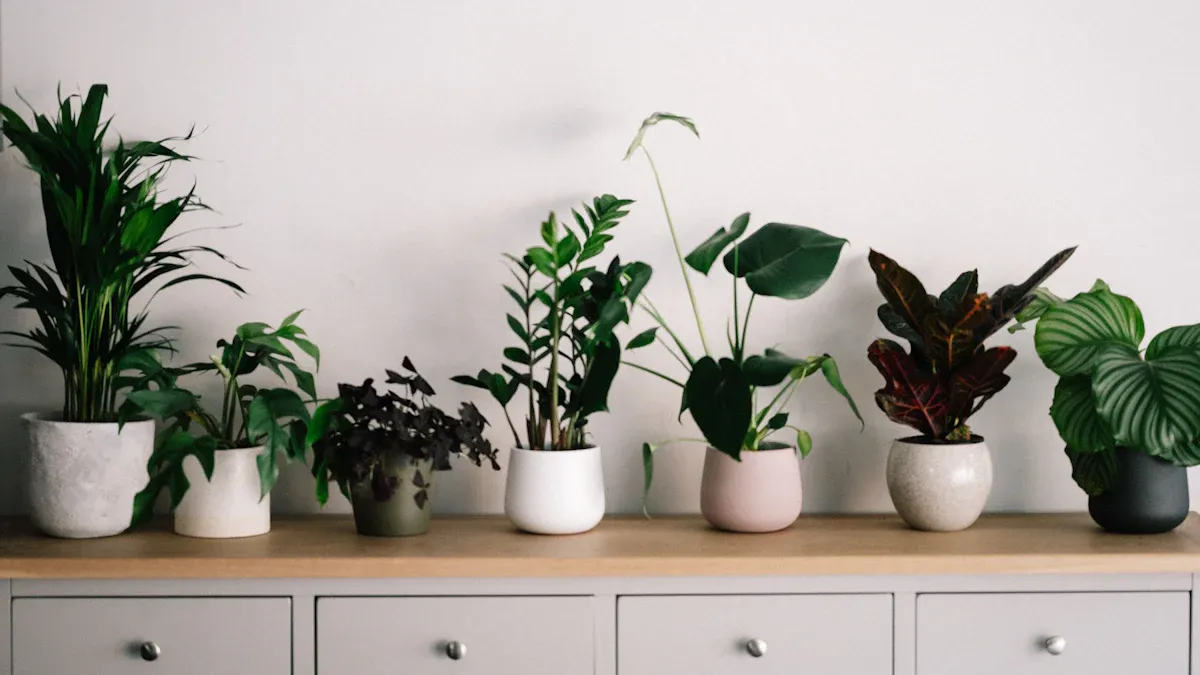
The ZZ Plant is a fantastic choice for your apartment. This plant can survive in windowless rooms with just artificial lighting. Its glossy, dark green leaves not only look polished but also adapt well to low light. You’ll appreciate how little care it needs. The ZZ Plant thrives on neglect, making it perfect for busy lifestyles. It stores water in its thick rhizomes, so you won’t have to worry about frequent watering. If you’re looking for a plant that tolerates low light and requires minimal attention, the ZZ Plant is one of the best low-light indoor plants you can choose.
Snake Plant
Next up is the Snake Plant, another excellent option for low-light environments. This hardy plant can survive in almost complete darkness, thanks to its evolution in forest understories where sunlight is scarce. Snake Plants have developed unique adaptations, such as storing water in their thick leaves, which helps them thrive in low light. They also play a role in improving your indoor air quality by absorbing common pollutants like CO2 and formaldehyde. If you want a houseplant that not only looks great but also purifies the air, the Snake Plant is a top contender.
Peace Lily
The Peace Lily is a beautiful addition to any apartment. While it can thrive in low light, it prefers medium light for optimal growth. In lower light conditions, you might notice smaller leaves and fewer flowers, but it still adds a touch of elegance to your space. Just keep an eye on its watering needs; overwatering can lead to yellow leaves, while underwatering can cause droopy foliage. With its ability to filter indoor air pollutants, the Peace Lily is not just a pretty face; it’s also a functional houseplant.
Health Issue | Cause(s) |
|---|---|
Brown leaf tips | Excessive direct sunlight, over-fertilization, lack of water, low humidity. |
Yellow leaves | Overwatering, underwatering, or old age of the leaf. |
Droopy or wilting leaves | Too much water; proper watering practices are essential. |
Calathea
Finally, let’s talk about Calathea. This plant is known for its stunning leaf patterns and colors. While it can tolerate low light, it performs best in bright, indirect light. If you place it in a dim corner, you might notice slower growth and less vibrant leaves. Calathea is also non-toxic to pets, making it a safe choice for animal lovers. To keep it healthy, maintain humidity levels around 50-70%. You can achieve this by misting the leaves or using a pebble tray. If you want a visually striking plant that thrives in low light, Calathea is a great option.
Care for Low Light Indoor Plants
Watering Tips
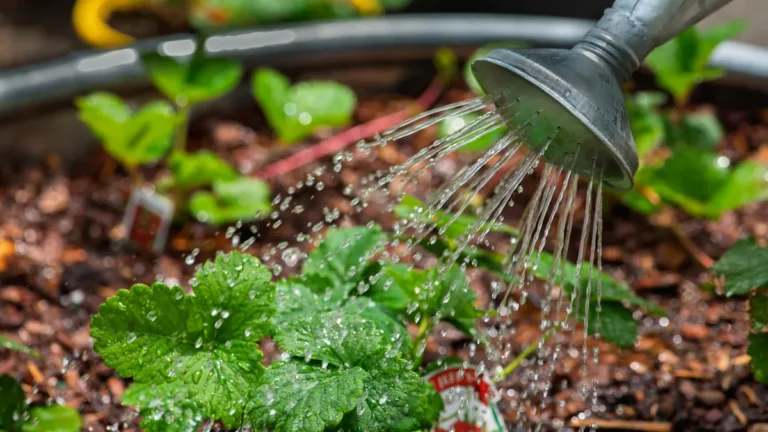
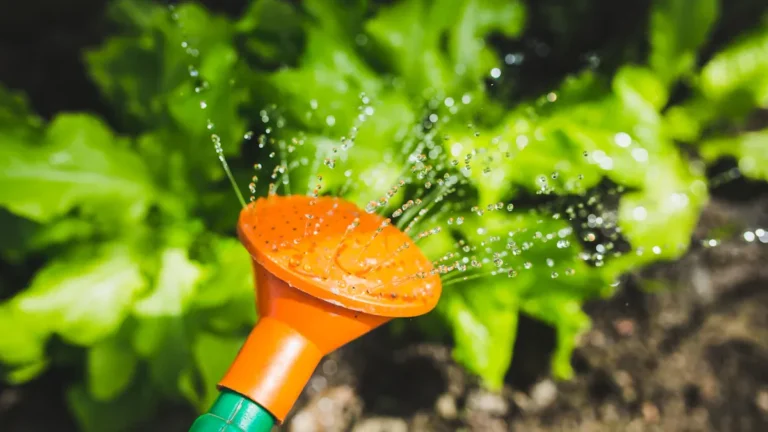
When it comes to watering your low light indoor plants, you want to strike a balance. Overwatering is one of the most common mistakes people make. To avoid this, always check the top layer of soil before watering. If it feels dry, it’s time to give your plant a drink. Here are some quick tips:
Ensure your pots have drainage holes to prevent water from sitting at the bottom.
Keep the soil evenly moist but allow it to dry slightly between waterings.
During the winter months, reduce watering since plants typically need less moisture.
If you notice yellow or brown limp leaves, it might be a sign of overwatering. Other signs include a mushy base or soil that smells rotten. Keep an eye out for these indicators to keep your houseplants healthy.
Soil Requirements
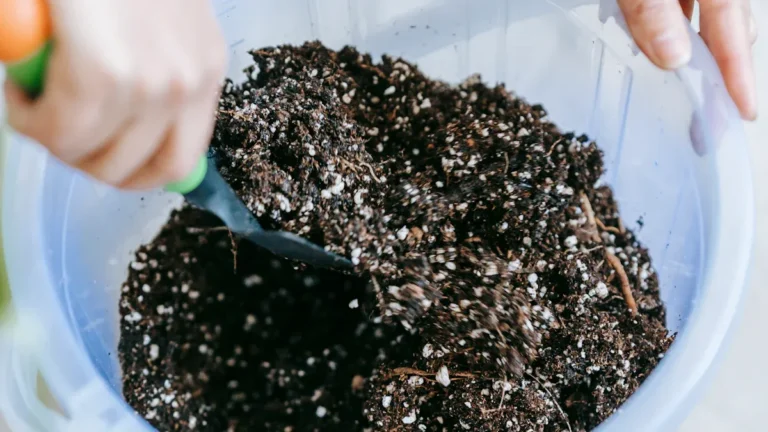
Choosing the right soil is crucial for your low light indoor plants. They thrive best in well-draining soil that retains some moisture. Here’s what to look for:
Soil Requirement | Description |
|---|---|
Well-draining soil | Essential for preventing root rot in low light plants. |
Consistent moisture | Helps maintain plant health in low light conditions. |
Rich soil | Provides necessary nutrients for growth. |
Using a quality potting mix or a soilless blend can make a big difference. Specialty mixes are available for specific plants, like orchids or succulents, so choose wisely based on your plant’s needs.
Humidity Considerations
Humidity plays a significant role in the health of your low light indoor plants. Most of these plants prefer humidity levels between 40-80%. Here are some ways to maintain the right humidity:
Use a humidifier in your apartment to keep the air moist.
Place your plants on trays filled with pebbles and water. This method increases humidity without overwatering.
Misting can help, but avoid it for hairy-leaved plants like African Violets, as it can lead to mold.
By keeping humidity levels in check, you’ll help your plants thrive even in low light conditions.
Pet-Safe Low Light Plants
When you have pets, choosing the right houseplants becomes even more important. Luckily, several low light indoor plants are safe for your furry friends. Here are some great options you can consider:
Non-Toxic Options
Spider Plant: This resilient plant thrives in low light and is safe for pets. Its arching leaves and small white flowers add a lovely touch to your apartment.
Boston Fern: Known for its lush foliage, the Boston Fern prefers humidity and low light. It’s non-toxic to pets, making it a great choice for pet owners.
Bamboo Palm: This palm not only looks elegant but also helps purify the air. It’s safe for pets and can thrive in low light conditions.
Areca Palm: Another pet-friendly option, the Areca Palm, adds a tropical vibe to your space. It does well in indirect light and is non-toxic to cats and dogs.
These plants can enhance your living space without putting your pets at risk.
Toxic Plants to Avoid
While many plants are safe, some common low light indoor plants can be harmful to pets. Here’s a list of plants you should steer clear of:
Philodendron: This popular houseplant can cause oral irritation and vomiting in pets.
Pothos: While beautiful, Pothos can lead to symptoms like salivation and loss of appetite if ingested.
Peace Lily: Although it’s a lovely plant, the Peace Lily can cause irritation and vomiting in pets.
Caladium: This plant can lead to severe reactions, including depression and convulsions in high doses.
If you suspect your pet has ingested a toxic plant, watch for symptoms like salivation, vomiting, or loss of appetite. In severe cases, pets may experience depression or even convulsions. Always consult your veterinarian if you notice any concerning signs.
By choosing the right low light indoor plants, you can create a beautiful and safe environment for both you and your pets.
Choosing the right low light plants can transform your apartment into a green oasis. Remember to consider your specific living conditions and your pets’ safety. Opt for easy-to-grow plants like the ZZ Plant or Snake Plant. With proper care, you’ll enjoy improved air quality and a happier home! 🌿
FAQ
What are the best low light trees for indoors?
Some of the best low light trees for indoors include the Fiddle Leaf Fig and the Rubber Plant. They thrive in low light and add a touch of greenery.
How often should I water my low light plants?
Water your low light plants when the top inch of soil feels dry. This usually means watering every 1-2 weeks, depending on the plant.
Can low light plants survive in a windowless room?
Yes, many low light plants can thrive in windowless rooms. Just ensure they receive some artificial light to stay healthy.