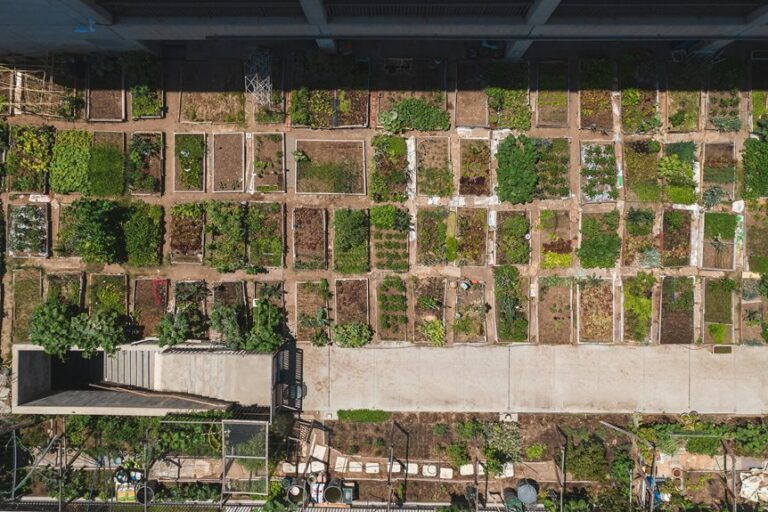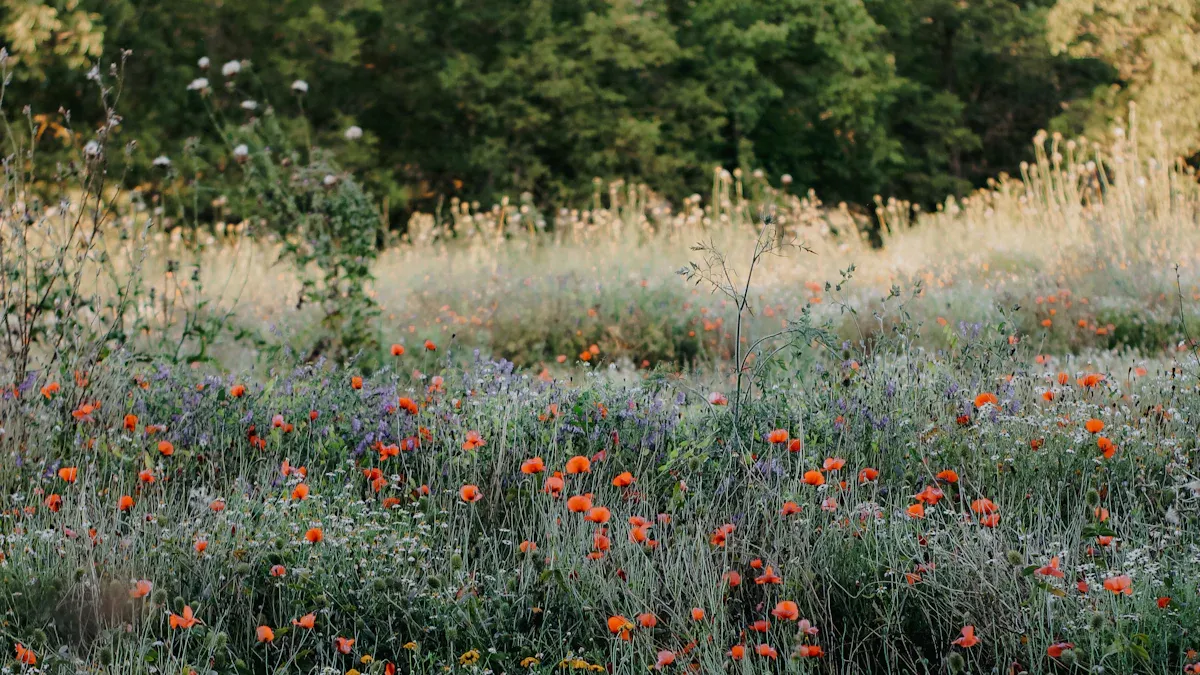
Native plants play a crucial role in promoting biodiversity and sustainability in landscaping. They adapt well to local conditions, which reduces the need for chemicals and excessive watering. By creating essential habitats, native plants support various wildlife, including birds and butterflies. You can enhance local ecosystems by choosing these plants. They also help form green corridors that connect fragmented landscapes, allowing wildlife to thrive. Embracing native flora in your garden fosters a healthier environment for all.
Benefits of Native Plants
Environmental Impact
Native plants offer significant environmental advantages. They thrive in local conditions, which means they require less water once established. Their deep root systems help them access moisture from the soil, reducing the need for irrigation. This characteristic promotes water conservation, especially in areas prone to drought.
Moreover, native plants have evolved alongside local wildlife. This adaptation makes them more resilient against pests, which reduces the need for chemical fertilizers and pesticides. Here are some key points about their environmental benefits:
Native plants provide essential resources for local wildlife, which non-native plants do not offer.
Landscaping with native plants enhances urban biodiversity. For example, in Phoenix, Arizona, yards designed with native desert plants serve as superior habitats for local bird species.
By choosing native plants, you contribute to healthier ecosystems and promote biodiversity in your area.
Economic Savings
Incorporating native plants into your landscape can lead to substantial economic savings. Although the initial installation may seem costly, the long-term benefits outweigh these expenses. Here are some ways native plants save you money:
Native plant landscaping can reduce water consumption by up to 60% compared to traditional lawns.
They require less maintenance, leading to lower ongoing costs. For instance, native gardens use 77% less water and produce 66% less yard waste than conventional gardens.
Maintenance costs can decrease by 68% when you choose native plants.
Type of Plant | Cost per Acre | Maintenance Costs | Water Usage Reduction |
|---|---|---|---|
Traditional Turfgrass | $4,000 – $8,000 | Higher | N/A |
Native Plants | $2,000 – $4,000 | Lower | N/A |
By investing in a sustainable landscape with native plants, you not only save money but also contribute to environmental health.
Aesthetic Value
Native plants enhance the aesthetic appeal of both public and private gardens. They exhibit a diverse range of colors, textures, and forms, making them visually striking. Their adaptability allows them to fit into various landscape styles, from naturalistic to modern minimalist gardens. Here are some aesthetic benefits of native plants:
Seasonal changes in native plants provide ongoing visual interest throughout the year.
Gardens managed with ecological practices tend to have a higher number of plant species, which increases their attractiveness.
Conservation gardening, which involves planting native species, enhances the visual appeal of green spaces while supporting biodiversity.
By incorporating native plants into your landscape, you create a beautiful environment that reflects the region’s natural beauty.
Native Plants for Different Regions
Northeast
In the Northeast, native plants play a vital role in combating soil erosion and adapting to climate changes. You can choose from a variety of species that thrive in this region. Some popular options include:
Eastern Redbud (Cercis canadensis)
Black-eyed Susan (Rudbeckia hirta)
Wild Bergamot (Monarda fistulosa)
These plants enhance biodiversity and support local wildlife. They are resilient to climate change, helping to mitigate its impacts. The Fifth National Climate Assessment shows a significant increase in heavy precipitation events in the Northeast. This trend raises the risk of soil erosion. Native plants stabilize the soil, reducing erosion risks and promoting healthier landscapes.
Southeast
The Southeast boasts a rich variety of native plants that thrive in its warm climate. You can find species such as:
Native Azaleas (Rhododendron spp.)
Deciduous Ferns (various species)
Flowering Vines (like Passiflora)
These plants have adapted to local conditions, supporting pollinators and birds. They also enhance resilience against drought and flooding. For instance, water-loving plants can thrive in low spots, while drought-tolerant varieties can survive dry spells. This versatility makes them ideal for managing the region’s variable weather.
Midwest
In the Midwest, native plants help manage extreme weather conditions. Consider these varieties for your landscaping:
Plant Name | Description | Zones |
|---|---|---|
Wild Ginger | Forms a dense ground cover, helps prevent invasives, and attracts pollinators. | 3–7 |
Bottle Gentian | Prefers moist soil, has unique flowers, and is appealing to bumblebees. | 3–7 |
These native plants have deep root systems that capture stormwater effectively. They help prevent flooding by absorbing excess water during heavy rainfall. This characteristic is crucial in urban areas with high impermeable surfaces.
West
In the West, native plants address challenges like water scarcity and wildfire risk. You can choose from species such as:
California Poppy (Eschscholzia californica)
Manzanita (Arctostaphylos spp.)
These plants are more resilient to drought and fire. By implementing landscaping practices that enhance water conservation, you can create a sustainable landscape. Designing your garden with native plants reduces water use and supports local wildlife.
Incorporating Native Plants
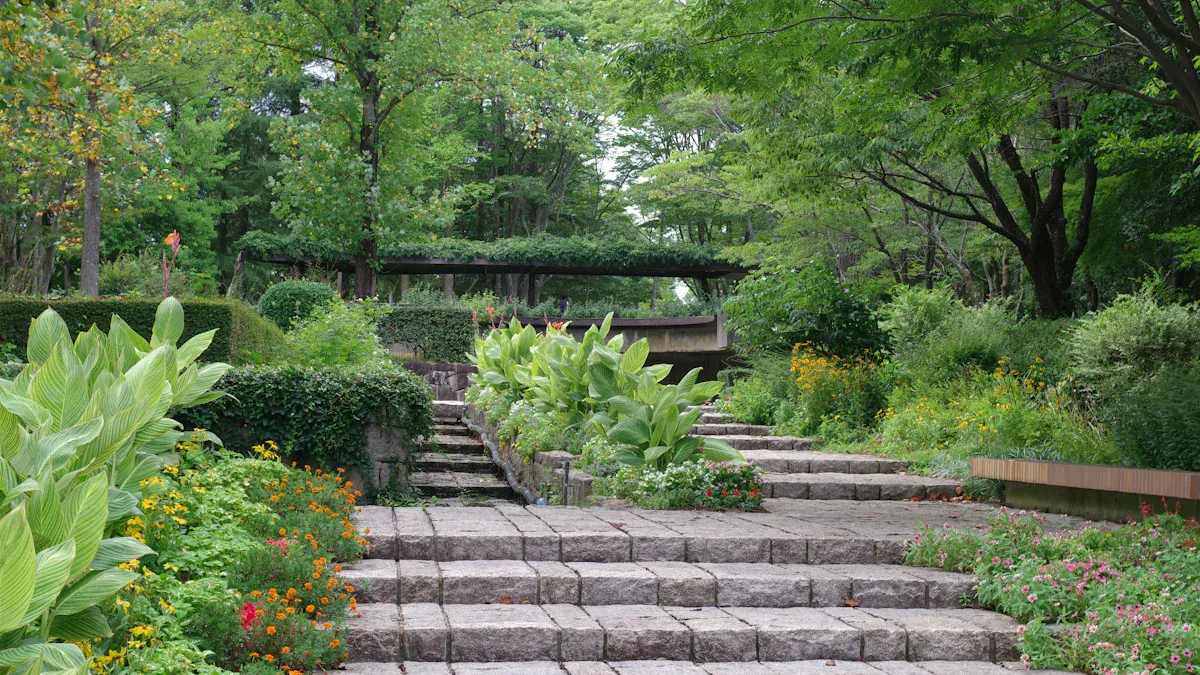
Design Tips
When you design a sustainable landscape, consider using native plants to create a beautiful and functional space. Here are some tips to help you get started:
Choose the Right Plants: Select native plants that thrive in your local climate. This choice reduces the need for extra water and chemicals.
Create Layers: Use a mix of tall, medium, and low plants to add depth and interest. Taller plants can provide shade for smaller ones, creating a diverse habitat.
Plan for Seasonal Changes: Incorporate plants that bloom at different times throughout the year. This strategy ensures that your garden remains vibrant and attracts wildlife year-round.
A sustainable design utilizes deep-rooted perennials and grasses to stabilize soil, combining aesthetic appeal with functional benefits in landscape design.
By following these tips, you can create a landscape that not only looks good but also supports local ecosystems.
Planting Techniques
Proper planting techniques are essential for establishing native plants successfully. Here are some steps to follow:
Prepare the Soil: Ensure the soil is well-draining and nutrient-rich. This preparation helps native plants establish strong roots.
Space Plants Appropriately: Avoid overcrowding by giving each plant enough space to grow. This practice prevents stunted growth and disease.
Mulch Wisely: Use mulch to retain soil moisture and suppress weeds. However, monitor soil moisture closely after applying mulch to ensure water reaches the plant roots.
A study showed that maintaining soil moisture is crucial for plant establishment, especially in arid conditions. Proper soil preparation and mulching practices are vital for the success of your native garden.
Companion Planting
Companion planting can enhance the health and productivity of your native plants. By pairing certain plants together, you can improve pest resistance and soil health. Here are some effective combinations:
Native Flower | Benefits | Best Pairings |
|---|---|---|
Purple Coneflower | Attracts pollinators and repels pests. | Near cucumbers, squash, and melons. |
Black-Eyed Susan | Draws in pollinators and deters harmful insects. | Near tomatoes and peppers. |
Wild Bergamot | Attracts beneficial insects and repels mosquitoes. | Near beans, tomatoes, and squash. |
Goldenrod | Provides late-season nectar and habitat for predatory insects. | Complements fall crops like kale. |
New England Aster | Offers late-season nectar for better pollination. | Near pumpkins and squash. |
Wild Blue Phlox | Acts as living mulch and attracts pollinators. | Alongside lettuces and radishes. |
Joe-Pye Weed | Attracts butterflies and beneficial wasps. | Near tomatoes, corn, and squash. |
By using companion planting, you can create a thriving ecosystem in your garden. This approach not only improves natural pest resistance but also enhances soil health.
Maintenance for Sustainable Landscaping
Watering Needs
Proper watering is essential for maintaining a sustainable landscape. Native plants require less water than non-native species, making them ideal for water conservation. Here’s a suggested watering schedule based on climate zones:
Climate Zone | Watering Schedule |
|---|---|
California (Native Plants) | Water sparingly; once established, prefer little or no water. |
Arid and Desert Climates | Water between 4-6 AM; add second watering at 7 PM for container plants in extreme heat. |
Humid and Tropical Regions | Water between 7-9 AM; avoid evening watering in high rainfall areas. |
Cool Temperate Zones | Water between 6-9 AM; avoid watering when soil temperature is below 40°F (4°C). |
By following these guidelines, you can ensure that your native plants thrive while maximizing water conservation benefits.
Care and Pruning
Regular care and pruning enhance the health of your native plants. Proper pruning encourages strong branches and a balanced framework. Here are some best practices:
Remove grass and ground covers: This action eliminates competition for water and nutrients.
Mulching: Apply mulch around the base of plants to retain moisture and suppress weeds.
Training young trees and shrubs through proper pruning is essential for their long-term health. Avoid improper pruning, as it can weaken or deform healthy plants. Selecting the right plants for your location also reduces the need for excessive pruning.
Pest Management
Managing pests effectively is crucial for a thriving sustainable garden. Here are some integrated pest management strategies:
Assess the problem: Identify harmful insects and evaluate their impact on your garden.
Monitor for pests: Regularly check your plants for pests and correctly identify them.
Determine action thresholds: Establish the level of pest activity that requires intervention.
Explore treatments: Investigate various pest management strategies that suit your garden.
Evaluate results: Review the effectiveness of your pest management efforts and adjust as necessary.
Integrated pest management strategies include physical, cultural, biological, and chemical methods, focusing on eco-friendly practices. Native plants naturally deter common garden pests, making them a smart choice for supporting local ecosystems.
By following these maintenance tips, you can create a sustainable landscape that thrives with minimal effort.
Choosing native plants for your landscape offers numerous benefits. They require minimal irrigation, mowing, and chemical treatments, which leads to environmental savings. Native plants improve air, soil, and water quality. They help prevent flooding, control erosion, and enhance biodiversity. Additionally, these plants return annually, reducing your need to purchase new ones each season. By selecting native plants, you create a sustainable garden that thrives with lower maintenance costs. Take action today and transform your garden into a vibrant ecosystem that supports local wildlife!