Organic gardening offers you a chance to grow healthy plants while enjoying the satisfaction of nurturing your own food. By using natural methods, you not only enhance plant health but also contribute to a healthier environment. However, challenges like pests and soil quality can arise. These organic gardening tips will help you tackle those issues effectively.
Organic farming avoids synthetic fertilizers and pesticides, which can harm ecosystems. It encourages biodiversity and better animal welfare.
Key Takeaways
Test your soil regularly to understand its health. This helps you make informed decisions about planting and soil amendments.
Incorporate organic matter like compost to improve soil structure and fertility. Healthy soil leads to robust plant growth.
Encourage beneficial insects by planting diverse flowers and allowing natural habitats. This reduces the need for chemical pesticides.
Soil Tips for Organic Gardening
Test Soil Health
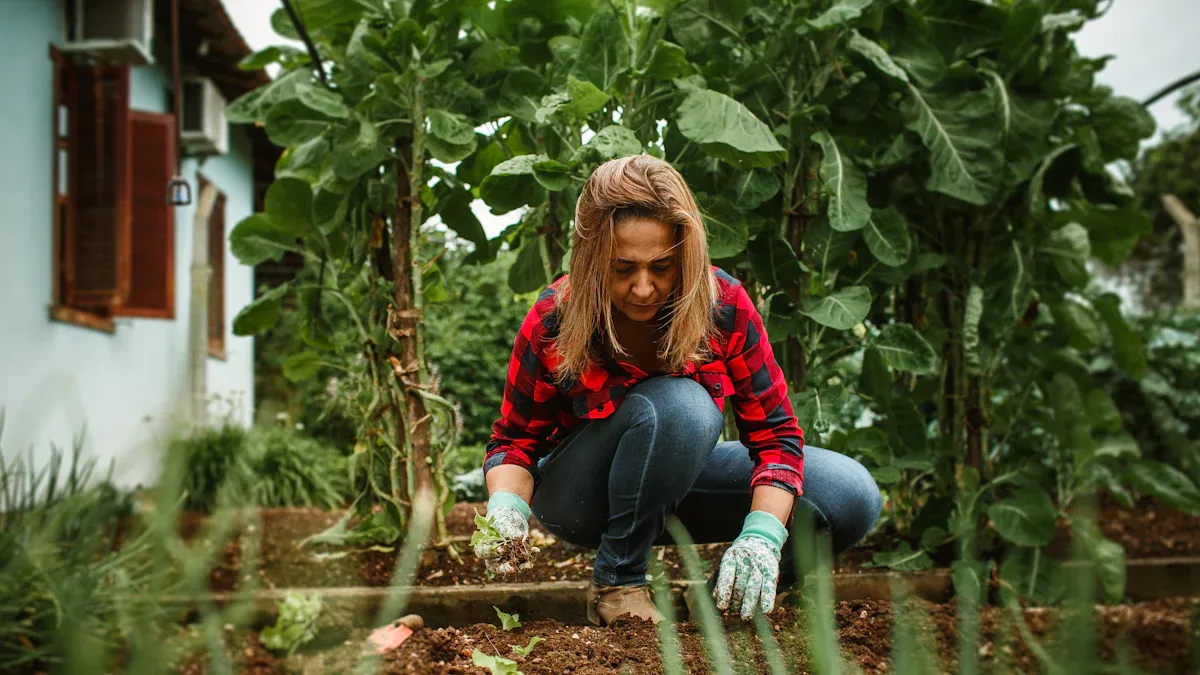
Healthy soil is the foundation for thriving plants. To ensure your soil is in top shape, start by testing its health. You can do this by following these simple steps:
Rake aside any mulch or debris.
Dig down about four inches and take a sample.
Collect samples from different spots in your garden for a more accurate reading.
Mix the samples in a bucket and let them air dry.
Send your sample to a lab for analysis.
Testing your soil regularly helps you understand its nutrient levels and pH balance. This knowledge allows you to make informed decisions about what to plant and how to amend your soil.
Amend with Organic Matter
Adding organic matter to your soil is one of the best organic gardening tips you can follow. It improves soil structure, increases moisture retention, and enhances nutrient availability. Here are some effective organic materials to consider:
Compost from kitchen scraps
Yard trimmings
Well-rotted manure
Incorporating these materials can boost your soil’s fertility. For instance, healthy soil rich in organic matter can contain between 2,000 to 4,000 lbs of total nitrogen per acre, which is essential for robust plant growth.
Avoid Tilling
Tilling may seem like a good idea, but it can harm your soil structure. Instead, consider no-till practices. These methods help preserve soil integrity and prevent erosion. By leaving crop residues on the surface, you protect the soil from heavy rainfall and enhance microbial activity. This approach leads to healthier plants and a more sustainable garden.
By focusing on these soil tips, you set the stage for a flourishing organic garden filled with vibrant vegetables and healthy plants.
Pest Control Strategies
Encourage Beneficial Insects
One of the best organic gardening tips is to attract beneficial insects. These little helpers can keep pest populations in check. To encourage them, try these simple strategies:
Plant a variety of flowers with different bloom times and colors.
Use native plants that provide food and shelter.
Allow some areas of your garden to be a bit messy. This creates habitats for beneficial insects.
Beneficial insects, such as predatory mites and wasps, play a crucial role in managing pest populations. They target pests like whiteflies and thrips, effectively reducing the need for chemical pesticides.
Use Natural Pesticides
When pests do appear, consider using natural pesticides. Two popular options are neem oil and spinosad. Neem oil acts as both an insecticide and a protectant, blocking insect breathing openings. Spinosad targets various pests while being less harmful to beneficial insects once dried. Here’s a quick look at some effective natural pesticides:
Pesticide | Description |
|---|---|
Neem Oil | Effective against soft-bodied insects; can smother them. |
Diatomaceous Earth | Kills soft-bodied insects by cutting them; needs reapplication after rain. |
Horticultural Oil | Suffocates insects; effective against scale infestations. |
Crop Rotation Techniques
Crop rotation is another effective strategy. By changing the types of crops you plant each season, you can disrupt pest lifecycles. For example, after harvesting corn, plant beans. Corn depletes nitrogen, while beans replenish it. This not only helps with pest control but also improves soil health.
Rotating crops prevents pests that rely on specific plants from thriving. It also promotes biodiversity, which is essential for a healthy garden.
By implementing these pest control strategies, you can create a thriving organic garden filled with healthy plants and bountiful vegetables.
Watering Techniques for Healthy Plants
Deep Watering Practices
Deep watering is essential for healthy plants. It saturates the soil to about an 8-inch depth, encouraging roots to grow deeper. Here are some effective deep watering practices:
Water gently for about an hour to avoid puddling.
Use drip irrigation for efficient watering.
Adjust your watering frequency based on the season: every two weeks in spring, up to twice a week in summer, and once a month in winter.
Test soil moisture at 4 inches deep to see if more water is needed.
Maintain a 2-inch depth of mulch to protect moisture and suppress weeds.
By adopting these practices, you’ll help your plants develop strong root systems, making them more resilient against pests and diseases.
Use Rainwater
Collecting rainwater is a fantastic way to support your organic garden. Here’s why you should consider it:
Aspect | Rainwater Benefits | Municipal Water Drawbacks |
|---|---|---|
Purity | Free from salts, minerals, and chemicals, leading to healthier plants. | Contains treatment chemicals that can harm plants. |
Acidity | Naturally slightly acidic, ideal for most plants’ pH preferences. | Often alkaline, which can disrupt soil pH balance. |
Organic Matter | Contains traces of organic material beneficial for plant growth. | Lacks organic matter, leading to poorer soil health. |
Nutrient Availability | Rich in nitrates, a key nutrient for plant growth. | May not provide essential nutrients effectively. |
Using rainwater not only benefits your plants but also helps maintain soil quality. It’s soft and free from harmful residues, making it an excellent choice for irrigation.
Timing Your Watering
When you water your plants matters just as much as how you water them. The best time to water is in the early morning, between 6 AM and 10 AM. This timing allows plants to absorb moisture before the heat of the day. It also helps reduce evaporation and allows leaves to dry quickly, which prevents fungal diseases. By watering in the morning, you create a healthier environment for your plants, minimizing the risk of issues like powdery mildew.
Incorporating these watering techniques will help you maximize your harvest and ensure your homegrown food thrives.
Choosing Plants for Your Garden
Understand Your Gardening Zone
Selecting the right plants starts with understanding your gardening zone. The USDA Plant Hardiness Zone Map is a great tool. It helps you find plants that thrive in your local climate. Here are some factors to consider:
Hardiness zones
Local climate conditions
Soil type
Precipitation
Local microclimates
By knowing these details, you can choose plants that will flourish in your backyard vegetable gardening.
Companion Planting Benefits
Companion planting is a fantastic way to boost your garden’s health and yield. This method involves planting different crops close together for mutual benefits. Here are some advantages:
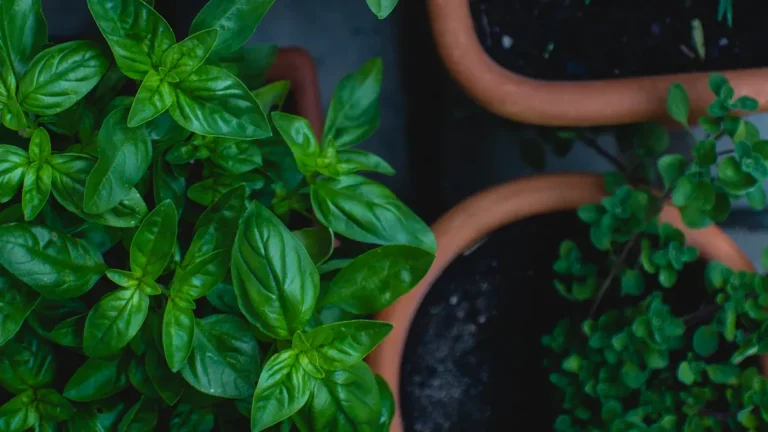
Pest Control: Strong-smelling herbs like basil deter pests such as aphids.
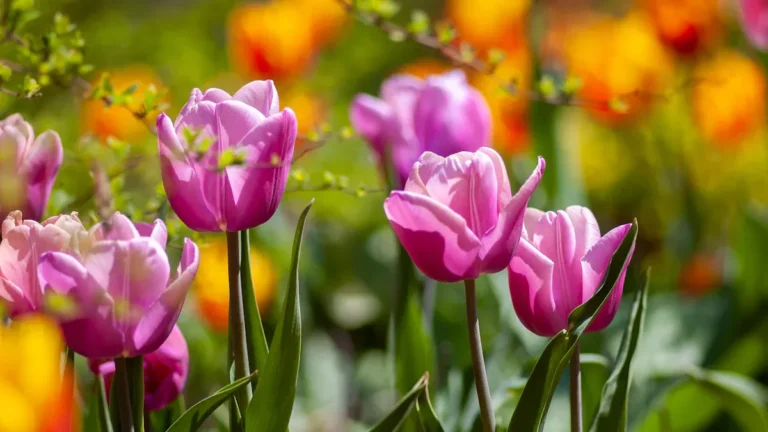
Pollinator Attraction: Flowers like calendula attract bees, enhancing vegetable growth.
Soil Health: Some plants fix nitrogen, enriching the soil for others.
Weed Suppression: Dense planting helps keep weeds at bay.
Companion planting not only maximizes space but also reduces the need for chemicals. It’s a practice rooted in tradition, like the Three Sisters method, where corn, beans, and squash grow together to support each other.
Use Non-GMO Seeds
Choosing non-GMO seeds is crucial for organic gardening. These seeds promote biodiversity and help preserve the environment. Here’s why you should consider them:
They do not contain genetically modified organisms, reducing potential health risks.
Non-GMO seeds are grown without synthetic pesticides, leading to fewer harmful residues in your food.
They allow for practices like crop rotation, enhancing soil fertility.
Using non-GMO seeds can also lead to higher profitability in the market. As consumer demand for organic products grows, you can tap into new opportunities.
By understanding your gardening zone, utilizing companion planting, and choosing non-GMO seeds, you set yourself up for a successful harvest of organically grown produce.
Organic gardening offers you a chance to grow healthy plants while caring for the environment. By using natural methods, you can enjoy benefits like improved soil health, pest control, and increased biodiversity. Remember to implement these tips, such as composting and proper watering techniques. Share your gardening experiences with others! 🌱
Engaging in organic gardening not only nurtures your plants but also enhances your well-being.
FAQ
What is organic gardening?
Organic gardening uses natural methods to grow plants without synthetic fertilizers or pesticides. It promotes healthy soil and biodiversity.
How often should I water my plants?
Water your plants deeply about once a week. Adjust based on weather conditions and plant needs.
Can I use store-bought compost?
Yes, store-bought compost can enrich your soil. Just ensure it’s organic and free from synthetic additives.