Are you worried about whether your indoor plants are safe for your pets? Choosing the right plants is crucial for pet owners. Pet-friendly plants not only enhance your home but also improve air quality and uplift your mood. With pet-friendly options, you can enjoy the beauty of greenery without compromising your pet’s safety.
Key Takeaways
Choose pet-friendly plants like Spider Plants and Bamboo Palms to enhance your home safely.
Avoid toxic plants such as Lilies and Pothos to protect your pets from health risks.
Use placement strategies like hanging planters and high shelves to keep plants out of your pets’ reach.
Pet Safe Plants
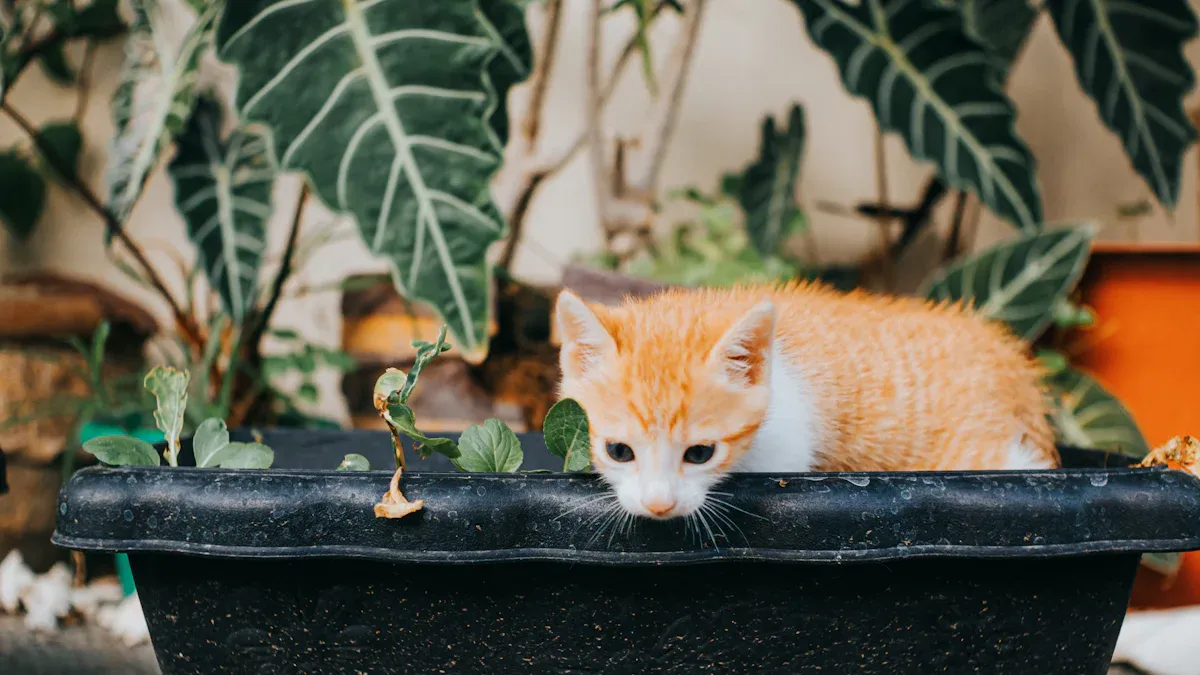
When it comes to pet-friendly indoor plants, you have some fantastic options that are safe for both cats and dogs. Here are four popular choices that not only look great but are also easy to care for!
Spider Plant
The Spider Plant is a favorite among pet owners. Its long, arching leaves create a beautiful display, and it’s known for being resilient. This plant thrives in indirect sunlight and prefers well-drained soil. Water it when the top inch of soil feels dry. Plus, if your pet takes a nibble, don’t worry! Spider Plants are non-toxic to both cats and dogs.
Maidenhair Fern
If you’re looking for something a bit more delicate, the Maidenhair Fern is a stunning choice. This plant loves humidity, so it’s perfect for bathrooms or kitchens. Keep it in indirect light and water it regularly to maintain moisture in the soil. The Maidenhair Fern is also pet safe, making it a lovely addition to your home without any worries.
Hoya Australis Lisa
The Hoya Australis Lisa, with its waxy leaves and beautiful flowers, adds a touch of elegance to any room. This plant prefers bright, indirect light and needs watering only when the soil is dry. It’s a low-maintenance option that’s also safe for your furry friends. You can enjoy its beauty without the stress of toxicity.
Bamboo Palm
The Bamboo Palm is another excellent choice for pet owners. This plant can grow quite tall, making it a striking focal point in your living space. It thrives in low light and needs regular watering, but be careful not to overwater. The Bamboo Palm is not only pet-friendly but also helps improve air quality by filtering out pollutants.
Tip: Incorporating pet-friendly indoor plants like these can significantly enhance your home’s atmosphere. They filter air pollutants, increase humidity, and even reduce stress levels. Many pet owners report feeling happier and healthier after adding greenery to their spaces.
By choosing these pet safe plants, you can create a vibrant indoor environment that both you and your pets can enjoy!
Toxic Plants to Avoid
As a pet owner, it’s crucial to know which indoor plants can pose a danger to your furry friends. Some common houseplants are toxic and can lead to serious health issues if ingested. Here are three plants you should avoid:
Lilies
Lilies are beautiful but extremely toxic to cats. Just a small amount can cause severe kidney failure. If your cat nibbles on a lily, you might notice symptoms like vomiting, lethargy, or even a lack of appetite. In dogs, lilies can cause mild vomiting. Always keep these plants out of reach or consider choosing non-toxic alternatives.
Philodendron
Philodendron is another popular houseplant that can be harmful to pets. If your dog or cat chews on this plant, they may experience oral irritation, drooling, and difficulty swallowing. While the symptoms are generally mild, it’s best to avoid having this plant in your home if you have pets.
Pothos
Pothos, also known as Devil’s Ivy, is a common indoor plant that can lead to oral irritation and vomiting in both cats and dogs. If your pet ingests this plant, you might see excessive drooling or vomiting. While it’s a hardy plant, the risks it poses to your pets make it a poor choice for pet-friendly homes.
Here’s a quick summary of the symptoms associated with these toxic plants:
Plant | Symptoms in Cats | Symptoms in Dogs |
|---|---|---|
Lilies | Kidney failure, vomiting, lethargy | Mild vomiting, diarrhea |
Philodendron | Oral irritation, drooling, difficulty swallowing | Mild vomiting |
Pothos | Oral irritation, vomiting, excessive drooling | Mild vomiting |
It’s important to note that indoor plant ingestion accounts for about 5-11% of pet poisoning cases, according to animal poison control statistics. If you suspect your pet has ingested any of these toxic plants, take immediate action. Remove the plant material, flush your pet’s mouth with water, and contact your veterinarian right away.
Tip: Always keep an eye on your pets around plants. If you’re unsure about a plant’s safety, it’s better to err on the side of caution and choose non-toxic options.
By being aware of these toxic plants, you can create a safer environment for your pets while still enjoying the beauty of indoor greenery.
Indoor Plant Safety Tips
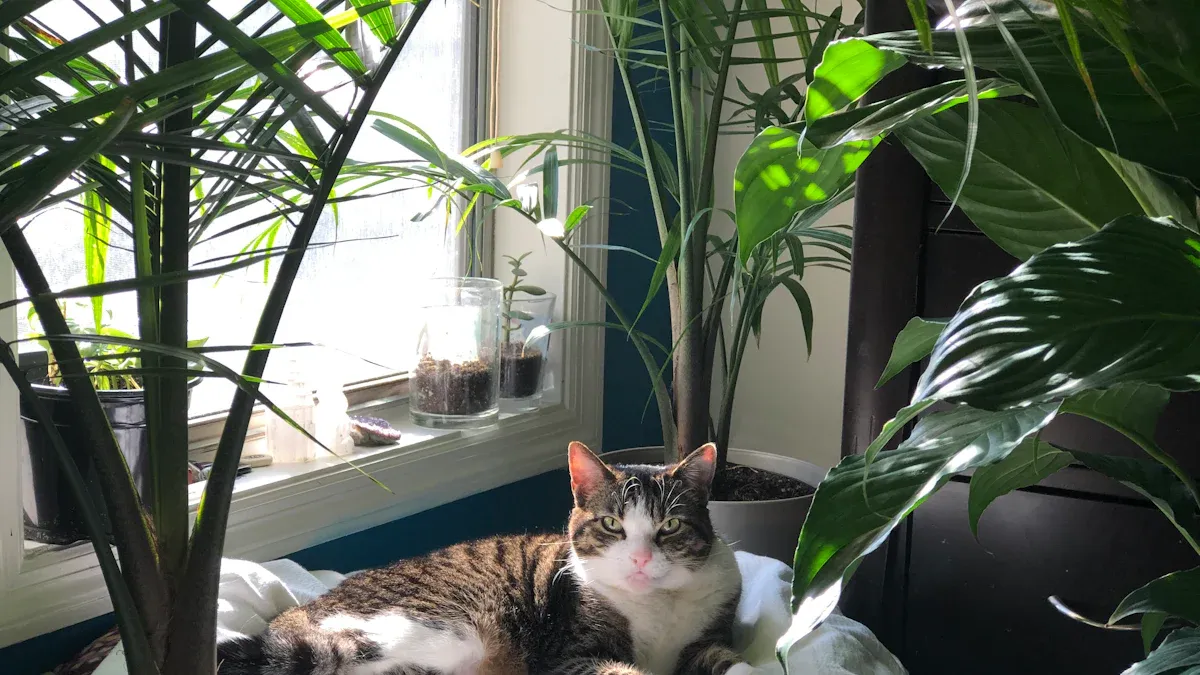
Keeping your indoor garden safe for pets is essential. Here are some tips to help you place your plants wisely and prevent any mishaps.
Placement Tips
Keep plants out of reach: Place your pet-friendly plants on higher shelves or in grow cases. This way, your curious pets can’t easily access them.
Use hanging planters: Hanging your plants not only saves space but also keeps them away from paws and noses.
Create barriers: For larger plants, consider using stakes and netting or chicken wire. This extra layer of protection can deter pets from getting too close.
Monitor new plants: When introducing new plants, keep an eye on your pets. Some may be more curious than others, so be ready to intervene if needed.
Prevention Strategies
Training your pets can also help keep them safe around your plants. Here are some effective strategies:
Use deterrent sprays: Pet-specific sprays like Sour Apple can discourage chewing. The unpleasant taste will make your pets think twice before nibbling.
Implement clicker training: Reinforce positive behavior with rewards. When your pet stays away from the plants, reward them with a treat.
Apply negative reinforcement: Use jars of change or clapping to signal unwanted behavior. This can help your pets learn to avoid the plants.
Consider environmental factors: Ensure your pets get enough exercise and mental stimulation. Boredom can lead to unwanted chewing on plants.
By following these tips, you can create a safe green space for your pets while enjoying the beauty of your indoor plants.
Choosing pet-friendly plants is essential for creating a safe and welcoming environment for both you and your furry friends. These plants not only enhance your home but also promote mental well-being by connecting you with nature. Consider gifting popular options like the Spider Plant or Boston Fern to fellow pet owners. They’ll appreciate the thoughtfulness and safety for their pets!
Tip: A pet-friendly home filled with greenery can reduce stress and anxiety for both you and your pets.
FAQ
What indoor plants are safe for cats and dogs?
Plants like Spider Plants, Bamboo Palms, and Hoya Australis Lisa are safe for both cats and dogs.
How can I keep my pets away from plants?
Use hanging planters, keep plants on high shelves, or apply pet-safe deterrent sprays to discourage chewing.
What should I do if my pet eats a toxic plant?
Remove the plant material, rinse your pet’s mouth, and contact your veterinarian immediately for advice.