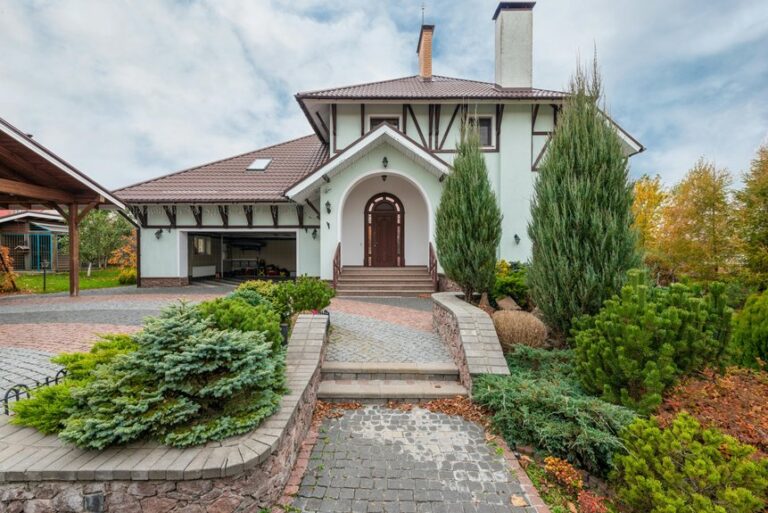

A sloped garden needs smart layout choices to stop soil erosion. Terraces, retaining walls, gravel paths, and deep-rooted plants help hold soil in place. Dry creek beds and planted sections can guide water instead of letting it wash everything downhill. With the right setup, a hillside can look great and stay sturdy through heavy rain.
Terraced Beds for Sloped Gardens
Should your yard feels hard to use because of a slope, terraced beds can turn that challenge into something beautiful and practical. You create flat planting zones that feel welcoming, organized, and easier to care for. Each level slows rushing water, helps protect roots, and keeps soil where it belongs with soil saving edges.
From there, you can shape a hillside into a garden that feels like part of your home, not a problem spot. Terraced beds let you group flowers, herbs, or shrubs according to sunlight and moisture needs, so plants thrive together. Add coneflowers, hostas, or ground covers for texture and stronger hold.
Then use layered border accents to give each tier a finished look. With careful spacing, mulch, and sturdy raised sections, your slope becomes a place you’re proud to share.
Retaining Walls for Steep Slopes
Because steep ground can shift after every hard rain, retaining walls give your slope the firm support it needs while turning awkward hillside space into flat, usable levels. You create safer, steadier ground, and your yard starts feeling like part of the home everyone gathers around.
To make that happen, you need smart planning. Good drainage behind the wall relieves pressure, helps stop washouts, and protects nearby soil. Strong foundation support matters too, especially as your slope sits close to your house or other structures.
You can choose wall materials like natural stone, brick, or treated wood, depending on your style, budget, and climate. Each option holds soil in place while adding character. As you build for strength initially, your hillside feels reliable, welcoming, and ready to serve your family for years ahead.
Steps and Planting Pockets for Slopes
As a steep yard feels hard to use, steps with planting pockets can turn that climb into a path you’ll actually enjoy. You create safer access while giving roots places to grip soil and slow runoff. That means your slope feels welcoming, not wild.
Set each step into the hill so the risers hold firm and the treads stay comfortable. Then tuck soil pockets beside or between steps for deep-rooted perennials, grasses, and trailing ground covers. These stair step planters soften hard edges and help bind loose ground.
For a smoother look, repeat the same plants in small groups, then vary height and texture. Pocket planting layouts also let you shape mini garden moments as you move uphill. You’re not just fixing erosion. You’re building a hillside that feels like home.
Gravel and Stone Paths on a Slope
On a sloped yard, gravel and stone paths do more than guide your steps. They help your garden feel safe, connected, and easy to use.
As you shape a path with gentle curves, you slow runoff and reduce loose soil. That means you can move through the space with more confidence after rain.
To keep the surface stable, use compacted base layers and study gravel drainage patterns before spreading stone. Then add stone edging options like pavers, cobbles, or steel strips to hold material in place and define the route.
Should your slope be steeper, set flat stepping stones into the gravel for better footing. You can also widen landings at turns, which gives everyone a natural pause point and makes the hillside feel more welcoming and shared among all.
Dry Creek Beds for Drainage Control
Whenever rain rushes down a slope, a dry creek bed gives that water a clear path to follow so it doesn’t cut through your planting areas or wash soil downhill. You create creek channeling with a shallow, winding trench lined with river rock, gravel, and larger stones that slow flow and protect exposed soil.
To make it work, place the bed where water already moves, then shape gentle curves so runoff diversion feels natural, not forced. Add scenery fabric under the stones to reduce sinking and keep the channel stable.
You can edge it with sturdy plants or boulders, which helps the feature blend into the rest of your yard. In wet seasons, it quietly handles overflow. In dry weather, it still looks like it belongs, giving your sloped garden a grounded, welcoming rhythm for everyone.
Rain Gardens for Sloped Yards
Why let runoff rush away while you can turn that water into a planting area that helps your slope work better? A rain garden basin catches water, slows it down, and gives your yard a shared sense of purpose. You create a shallow dip at the slope’s base, where water can soak in instead of carving channels through soil.
That simple shift supports overflow infiltration and makes heavy rain feel less stressful for everyone.
- Place the basin where runoff naturally gathers
- Shape gently sloped sides to prevent washouts
- Use compost-rich soil so water drains well
- Add moisture-loving native flowers and shrubs
Because the basin blends beauty with function, your slope feels more welcoming and easier to manage.
You won’t just handle runoff better. You’ll build a space that feels like it truly belongs in your terrain.
Ground Covers for Erosion Control
Ground covers can make your slope feel safer and much easier to manage because their roots help hold soil in place.
You’ll get the best results whenever you choose strong spreaders like creeping juniper and other deep-rooted plants that match your sun, soil, and slope.
From here, you can see how the right plant choices and smart planting patterns work together to improve slope stability and cut erosion fast.
Best Ground Cover Plants
Whenever your slope keeps shedding soil after every hard rain, the right ground cover can change that fast. You don’t need a fussy planting scheme to feel like you’ve got this. Start with plants that knit soil together and fill gaps quickly, so your hillside feels settled and welcoming.
- Creeping juniper gives year round cover and grips dry banks well.
- Creeping phlox adds spring color and forms low water living mats.
- Ajuga works as one of the best shade tolerant spreaders for cool slopes.
- Sedum handles heat, poor soil, and light foot traffic with ease.
Together, these choices create a planted layer that feels finished, not patchy. That’s a big win whenever you want your yard to look cared for and connected to the rest of your home.
They also help neighbors admire your slope, not worry about every storm.
Planting For Slope Stability
As rain starts carving little channels down your slope, planting for stability gives you a practical way to calm the runoff and hold the soil in place. You don’t have to fight the hill alone. Whenever you use active roots, your garden starts working with you, not against you.
Start with smart plant selection for erosion, especially ground covers that spread fast and knit soil together. Creeping juniper offers year-round cover, while native sedges, thyme, and low grasses create dense mats that soften rainfall. Mix them with flowers like coneflowers and black-eyed Susans for deeper anchoring.
This blend matters because different root systems for slopes hold soil at several depths. As your plants fill in, they shield bare ground, slow water, and help your slope feel settled, welcoming, and easier to care for every season.
Hillside Rock Gardens That Hold Soil
Whenever a hillside keeps washing out after every hard rain, a rock garden can give you real control without making the space feel stiff or overbuilt. You create a grounded look while helping water slow down and soak in, not strip your slope bare. Large stones anchor loose earth, and smaller rocks fill gaps where runoff starts.
- Set angular boulders into the slope to brace soil naturally.
- Build boulder pockets for low growers that knit dirt together.
- Tuck hardy plants into alpine crevices where roots grip tightly.
- Add drip irrigation so plants establish without extra runoff.
This approach works especially well if you want something low maintenance but welcoming. You get texture, year-round structure, and a hillside that feels like it belongs with the rest of your garden, not apart from it at all.
Tiered Vegetable Beds on a Slope
You can turn a hard-to-use slope into tiered vegetable beds through building stable, level terraces that hold soil in place.
As you shape each tier, you also create clear paths for water to move between beds instead of pooling around your crops. That means your garden stays tidier, drains better, and feels much easier to plant and maintain.
Building Stable Terrace Levels
Because a steep yard can feel hard to use, building stable terrace levels gives you a safe, practical way to turn that slope into productive vegetable beds. As you shape each tier carefully, you create spaces that feel welcoming, organized, and easy to plant with confidence.
- Choose retaining wall materials like stone, brick, or treated wood for strength and style.
- Plan terrace level spacing so each bed stays reachable for planting, weeding, and harvesting.
- Cut level benches into the slope before building, so every tier rests on firm ground.
- Keep each wall height manageable to support soil safely and make the garden feel comfortable.
As you build, consider each terrace as part of one shared growing space.
That way, your garden feels connected, steady, and ready for seasons of homegrown food together.
Improving Drainage Between Beds
After you’ve built solid terrace levels, the next step is guiding water between the beds so it moves slowly instead of cutting through your soil. You want each tier to support the next, not dump water downhill like a tipped bucket.
Start with leaving narrow drainage gaps at the ends or corners of each bed. These let extra water escape in a controlled path. Then line those channels with gravel, flat stones, or mulch so runoff slows down and sinks in.
In case one bed fills too fast, add a shallow spillway to direct bed overflow toward the next channel, not over the wall. You can also slope each bed slightly inward to hold moisture near roots. With these small fixes, your garden works together, and you’ll feel like every level has your back.
Native Plant Layouts for Long-Term Stability
Whenever a slope keeps sliding or washing out, a smart native plant layout can turn that stressful patch into ground that feels steady and alive. You create strength by layering roots, bloom times, and plant heights so your hillside works together like a small neighborhood.
- Place deep rooted shrub mixes uphill to grip soil and slow runoff.
- Add native pollinator strips across the slope to break water flow and welcome life.
- Tuck fibrous groundcovers between shrubs for dense cover and fewer bare spots.
- Repeat tough natives like ninebark, dogwood, coneflowers, and black-eyed Susans for a united look.
This layout helps you belong with your scenery, not battle it. As seasons shift, roots knit the soil tighter, flowers feed local bees, and your slope starts feeling less fragile and more like home for everyone nearby.
Frequently Asked Questions
Can I Landscape a Slope Without Heavy Machinery?
Yes, you can landscape a slope without heavy machinery by using hand grading, terraced planting areas, rocks, deep rooted native plants, and erosion blankets. These methods help stabilize the soil, reduce runoff, and turn the space into something functional and attractive.
How Do I Estimate My Yard’s Slope Grade Accurately?
Estimate your yard’s slope grade by measuring the vertical rise over the horizontal run, then multiply by 100 to get the percentage. Use stakes, string, and a level to take the measurement accurately, so you can plan yard grading with clear numbers.
Which Sloped Garden Ideas Are Safest for Homes Near Foundations?
Groundcovers can reduce erosion by up to 90%, making them a strong choice for protecting soil near your home’s foundation. The safest approach combines deep rooted plants, low terraces, and properly placed retaining features that stay clear of the foundation. This helps control runoff, improve drainage, and keep the slope more stable.
What Is the Most Budget-Friendly Way to Stabilize a Hillside?
The lowest cost approach is usually a mix of deep rooted native groundcovers, simple terracing on the steepest areas, and mulch to reduce runoff and keep soil in place. This combination helps the slope stay planted, hold moisture, and become easier to manage.
Do Sloped Gardens Require Special Permits or Drainage Approvals?
Many sloped garden projects need permits or drainage approval, particularly when plans include retaining walls, major grading, or changes to water runoff. Review your local permit requirements and drainage rules before work begins so the project meets safety and compliance standards.