

Home gardening offers you a chance to connect with nature and enjoy the fruits of your labor. 🌱 Did you know that about 30% of households in the U.S. grow edible plants at home? This growing trend not only fills your plate but also enriches your life. Engaging in gardening can boost your mood, relieve stress, and even sharpen your mind. Here’s a quick look at some benefits:
Benefit | Description |
|---|---|
Stress Relief | Gardening activities like digging and planting help lower blood pressure and reduce cortisol levels. |
Improved Mood | Engaging with nature through gardening boosts overall mood and well-being. |
Cognitive Benefits | Tasks in gardening enhance mental clarity, focus, and may aid in memory retention. |
Social Connections | Access to gardens fosters a sense of community and belonging, reducing symptoms of anxiety. |
So, why not dig into this rewarding hobby? You’ll find joy in nurturing life and watching your garden flourish!
Key Takeaways
Home gardening boosts your mood and reduces stress. Enjoy the mental health benefits while nurturing your plants.
Choose a sunny location for your garden. Most vegetables need 6 to 8 hours of sunlight daily to thrive.
Start with easy-to-grow plants like carrots and radishes. These will build your confidence and ensure a rewarding harvest.
Invest in essential gardening tools like a watering can and shovel. The right tools make gardening easier and more enjoyable.
Avoid common mistakes like overwatering. Check soil moisture regularly to keep your plants healthy and thriving.
Starting a Garden
Choosing a Location
Choosing the right location for your garden is crucial for success. You want to find a spot that maximizes plant growth. Here are some factors to consider:
Factor | Description |
|---|---|
Sunlight Exposure | The direction your yard faces affects sunlight; south-facing yards receive the most sun. |
Frost Pockets | Areas where cold air collects can lead to more severe frosts, affecting plant survival. |
Microclimates | Different areas in a garden can have varying conditions, allowing for a wider range of plants to thrive. |
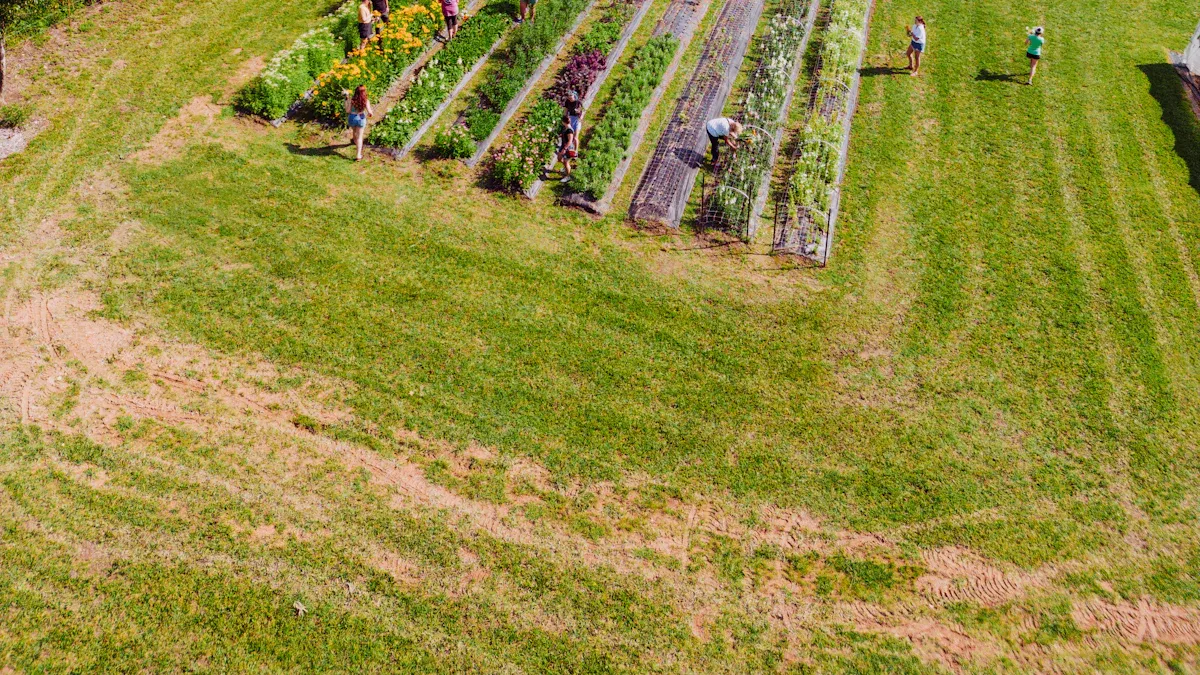
Look for a place that gets plenty of sunlight. Most vegetables and herbs thrive with at least 6 to 8 hours of sunlight daily. If you have limited space, consider using containers or vertical gardening techniques. You can even start a productive raised-bed kitchen garden in a small area!
Understanding Sunlight
Understanding sunlight is essential for your plants’ health. Different plants have varying sunlight needs. Here’s a quick guide:
Sunlight Duration | Plant Types |
|---|---|
2 to 4 hours | Herbs (e.g., Mediterranean herbs) |
4 to 6 hours | Leafy greens (e.g., lettuce, arugula, spinach) |
6 to 8 hours | Root crops (e.g., carrots, radishes, beets) and leafy greens |
8 or more hours | Most vegetables |
When starting a garden, observe how sunlight moves across your space throughout the day. This will help you place your plants where they can thrive.
Assessing Soil Quality
Healthy soil is the foundation of a successful garden. Assessing soil quality is vital before planting. Here are some methods to evaluate your soil:
Soil Composition: Use a mason jar to analyze the layers of soil components after shaking it with water.
Soil Compaction: Measure how deep a wire can penetrate the soil to assess compaction.
Drainage: Test how quickly a dug hole drains water to evaluate drainage capacity.
Living Organisms: Count earthworms and insects in the soil to gauge biological health.
Tilth: Assess the soil’s structure and readiness for planting by compressing a handful of soil.
By ensuring you have healthy soil, you set the stage for your plants to flourish. Remember, starting a garden is about nurturing life, and it all begins with the right location, sunlight, and soil!
Selecting Easy Plants for Beginners
Starting your garden with easy plants for beginners can boost your confidence and make the experience enjoyable. Let’s explore some vegetables and herbs that are perfect for novice gardeners.
Easy-to-Grow Vegetables
When you pick your plants, consider vegetables that are low-maintenance and yield a good harvest. Here’s a list of some of the easiest vegetables to grow:
Carrots: These are low-maintenance and can be harvested late in July or even after a frost.
Onions: Best grown from sets, they provide a decent yield with minimal effort.
Pumpkins: Fun to grow, especially for kids, and they produce a large yield.
Beets: Easy to grow, you can enjoy both the edible greens and roots.
Turnips: They thrive even with neglect, making them a great choice for beginners.
Courgettes: Plant these in well-prepared ground for a bountiful harvest.
Dwarf French beans: They require no thinning or supports and offer continuous cropping.
Radishes: Quick to grow, they are very easy for beginners.
Here’s a quick reference table for the average time to harvest some of these easy-to-grow vegetables:
Vegetable | Average Time to Harvest |
|---|---|
Radish | 30 days |
Leaf Lettuce | Continuous harvest |
Head Lettuce | Harvest all at once |
Herbs for Beginners
Herbs can add flavor to your meals and are often forgiving for first-time gardeners. Here are some resilient herbs you can grow:
Herb | Characteristics | Why It Thrives Indoors |
|---|---|---|
Mint | Vigorous growth, refreshing aroma, aggressive runners. | Adaptable to various light conditions, thrives in humidity, and is easy to control in containers. |
Chives | Hardy perennial, slender leaves, mild onion flavor. | Tolerates less direct light, low-maintenance, and can be grown from seeds or existing plants. |
Oregano | Robust, sun-loving, pungent flavor. | Prefers bright light and drier soil, making it low-maintenance and easy to grow indoors. |
Thyme | Hardy, fragrant, earthy flavor. | Thrives in bright light and is drought-tolerant, making it forgiving for occasional watering lapses. |
When planting herbs, consider the seasons. For example, chives can be sown directly in the soil after the last frost, while mint can thrive in various conditions.
In temperate climates, here are some seasonal planting recommendations for beginner-friendly vegetables and herbs:
Cherry tomatoes: Best transplanted as seedlings before the first frost.
Peas: Hardy early-season crop that can be direct-sown in spring.
Peppers: Should be started indoors before transplanting; they thrive in full sun.
Potatoes: Easy to grow in containers or grow bags.
Remember, cool-season vegetables like lettuce and broccoli should be planted in early spring. Warm-season vegetables such as tomatoes and peppers are best planted once the soil warms up in late spring and summer.
By starting with these easy plants for beginners, you’ll find gardening to be a rewarding and fulfilling experience. Plant what you’ll use, and enjoy the journey of growing your own food!
Essential Gardening Tips
Basic Gardening Tools
Having the right tools makes gardening easier and more enjoyable. Here’s a list of essential tools every beginner should consider:
Watering Can: Perfect for reaching tight spots and watering directly at the soil level, keeping leaves dry.
Shovel: Great for moving dirt, clearing spots for planting, and breaking up compacted soil.
Rake: Use a bow rake for soil preparation and a leaf rake for gathering lightweight debris.
Garden Hose: Ideal for watering plants and cleaning outdoor areas without the hassle of heavy watering cans.
Hand Trowel: Versatile for transplanting seedlings, digging weeds, and mixing soil amendments.
Investing in these tools can cost anywhere from $0 to over $200, depending on what you choose. Here’s a quick look at the price ranges for basic gardening tools:
Price Range | Number of Items |
|---|---|
$0.00 – $24.99 | 67 |
$25.00 – $49.99 | 186 |
$50.00 – $74.99 | 122 |
$75.00 – $99.99 | 37 |
$100.00 – $124.99 | 21 |
Organic Gardening Practices
Organic gardening focuses on sustainability and health. Here are some effective practices to keep your garden thriving:
Companion Planting: This technique helps deter pests and attracts beneficial insects.
Crop Rotation: Change the location of your crops each year to reduce pests and diseases.
Soil Health: Use compost and organic amendments to boost plant resilience against pests.
Cultural Control: Maintain cleanliness in your garden to prevent disease spread.
Disease-Resistant Varieties: Choose plants that are suited to your local conditions for better health.
By following these essential steps, you can create a thriving garden that benefits both you and the environment. Remember, gardening is a journey, and every step you take brings you closer to a beautiful and productive space!
Care and Maintenance
Watering Techniques
Proper watering is vital for your plants’ health. For beginner garden plants, keep the soil consistently damp during germination. Once established, allow it to dry out slightly between waterings. Here are some effective techniques:
Mulching: Use mulch to prevent evaporation and retain moisture.
Watering at the Base: Direct water at the base of the plant to keep leaves dry and reduce disease risk.
Deep Watering: For in-ground gardens, water deeply once a week. Raised beds may need more frequent attention, so consider drip irrigation or olla systems.
Container Gardens: These often require daily watering, especially in hot weather. Automatic watering systems can help manage this.
Before watering, always check the soil moisture. Stick your finger about an inch into the soil; if it’s dry, it’s time to water. Remember, different plants have varying needs, so adjust your watering schedule seasonally.
Fertilizing Basics
Fertilizing helps your plants thrive. Here are some common methods to apply fertilizer effectively:
Method | Description |
|---|---|
Broadcasting | Spread fertilizer over the area where plant roots will grow. |
Banding | Apply fertilizer in a narrow band next to where seeds or seedlings will be planted. |
Side-dressing | Place fertilizer around established plants, especially useful for fruiting vegetables. |
Foliar | Spray soluble fertilizers mixed with water directly on leaves for quick nutrient uptake. |
For beginners, consider using NPK fertilizers for essential macronutrients, organic liquid fertilizers for soil health, and foliar fertilizers for rapid absorption. Always water thoroughly after applying granular fertilizers to prevent plant burn.
Pest Control Strategies
Pests can be a challenge, but you can manage them organically. Start by building healthy soil and nourishing your plants. Here are some common pests and their effects:
Pest | Damage |
|---|---|
Aphids | Stunted growth, curled leaves |
Caterpillars | Holes in leaves and fruits |
Snails and Slugs | Irregular holes in leaves |
Flea Beetles | Tiny holes in nightshade and brassica plants |
To control pests, regularly inspect your plants and maintain cleanliness in your garden. You can also introduce beneficial insects or use organic sprays to deter pests. Remember, consistent care and maintenance can significantly reduce pest issues naturally.
By following these care and maintenance tips, you’ll help your garden flourish and enjoy the fruits of your labor!
Common Gardening Mistakes
Overwatering and Underwatering
One of the most common mistakes you might make is overwatering or underwatering your plants. Both can lead to serious issues. Overwatering often causes root rot, which can kill your plants. You might notice symptoms like yellowing leaves or stunted growth. On the other hand, underwatering can leave your plants thirsty and weak.
To avoid these pitfalls, consider these strategies:
Strategy Type | Key Points |
|---|---|
Understanding Plant Watering Needs | – Adapt to plant maturity and seasonal cycles. Young plants need more frequent watering. |
– Proactively monitor conditions like rainfall and humidity to adjust watering needs. | |
Efficient Irrigation Systems | – Install smart technologies that adjust schedules based on weather data. |
– Conduct routine checks for leaks and optimize delivery methods like drip irrigation. |
Ignoring Soil Health
Neglecting soil health can lead to poor plant growth. If your soil lacks nutrients, your plants may struggle to thrive. You might see signs like yellowing leaves or stunted growth. Healthy soil is crucial for strong plants.
Here are some signs of unhealthy soil:
Poor drainage: Soggy soil can lead to root rot.
Stunted plant growth: Struggling plants may indicate nutrient deficiencies.
Thriving weeds: Indicates poor soil health.
To improve your soil, add organic matter like compost. This enhances soil structure and moisture retention, creating a better environment for your plants.
Planting at the Wrong Time
Timing is everything in gardening. Planting too early or too late can lead to failure. For instance, if you plant corn or basil before the last frost, you risk losing them to cold temperatures.
To avoid this mistake, check local planting calendars. Resources like the National Gardening Association can help you determine the best times for your region. Here’s a quick list of resources:
National Gardening Association: Free hardiness zones and planting calendars.
Urban Organic Gardener: Monthly growing calendars by zone.
University Extensions: Gardening calendars with important tasks for each month.
Learning from these common mistakes can significantly improve your gardening skills. Remember, even experienced gardeners make errors. Reflecting on your experiences will help you cultivate a thriving garden in the future!
Starting your gardening journey can be one of the most rewarding decisions you make. Remember, you don’t need a large space to create a thriving garden. Even small areas can yield beautiful plants and delicious food. Engaging in gardening can reduce the risk of dementia by 36% for those over 60, highlighting its mental health benefits.
Many have transformed their lives through gardening, like one individual who turned uncertainty into a flourishing community garden. You can find joy, connection, and even friendships as you nurture your plants. So, grab your tools and dig in! Practice makes perfect, and every step you take brings you closer to gardening success.
FAQ
What is the best time to start a garden?
You can start your garden in early spring after the last frost. For warm-season crops, wait until the soil warms up in late spring. Check local planting calendars for specific dates.
How often should I water my plants?
Water your plants deeply once a week. For container gardens, check daily, especially in hot weather. Always ensure the soil is moist but not soggy.
Can I grow a garden in a small space?
Absolutely! You can use containers, vertical gardening, or raised beds to maximize your space. Even a small balcony can host a thriving garden.
What should I do if my plants are wilting?
Wilting can indicate underwatering or overwatering. Check the soil moisture. If it’s dry, water your plants. If it’s soggy, reduce watering and improve drainage.
How do I keep pests away from my garden?
Encourage beneficial insects, use organic sprays, and practice companion planting. Regularly inspect your plants and maintain cleanliness to prevent pest issues.
