

Starting a backyard garden can be incredibly exciting! Not only does it allow you to enjoy fresh food, but it also brings numerous benefits for your health and well-being. Gardening provides moderate-intensity exercise, which boosts heart health and metabolism. It can reduce stress and anxiety while fostering mindfulness. Plus, you’ll strengthen family bonds and engage with your community.
Before you dig in, remember that planning and preparation are key. Taking the time to map out your garden will set you up for success and make the process more enjoyable.
Key Takeaways
Choose a sunny spot for your garden. Aim for at least 6 to 8 hours of sunlight daily to help your plants thrive.
Start small with your garden layout. A smaller garden is easier to manage and allows you to learn as you grow.
Select easy-to-grow plants like arugula and kale. These options boost your confidence and provide quick results.
Test and prepare your soil before planting. Healthy soil leads to healthier plants and better harvests.
Water your garden regularly and at the base of the plants. This helps prevent diseases and ensures proper moisture.
Planning Your Backyard Garden
Choosing the Right Location
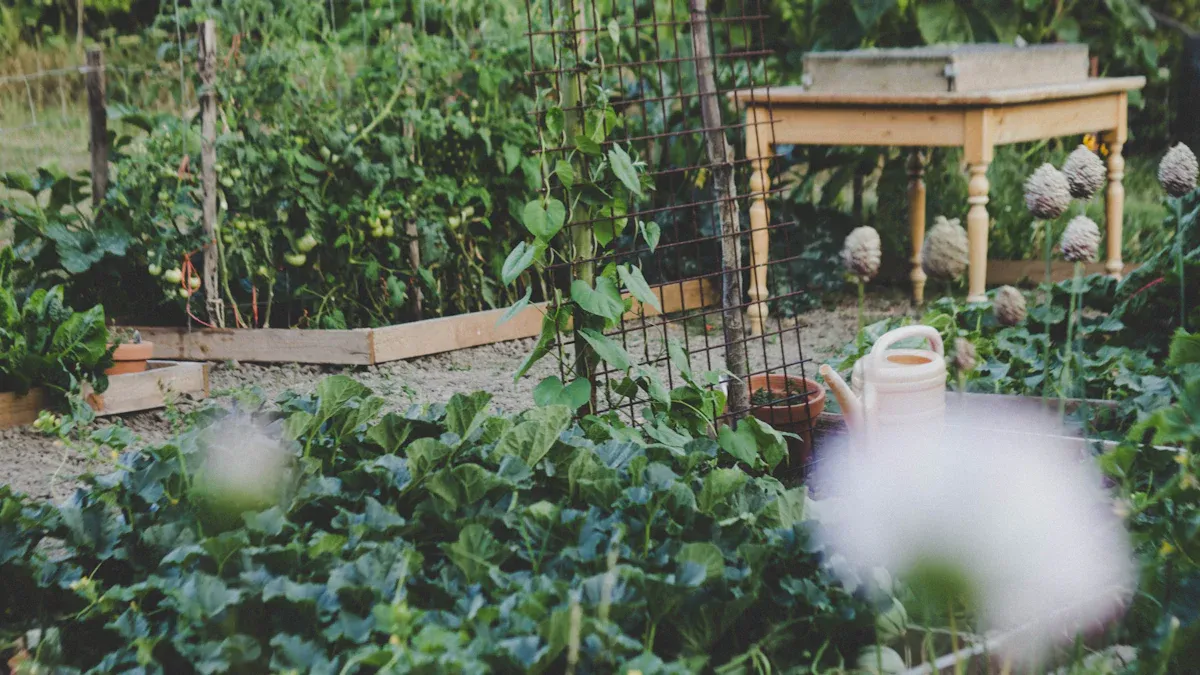
Selecting the right location for your backyard garden is crucial. It can make or break your gardening experience. Here are some key factors to consider:
Convenience: Choose a spot that’s easy to access. This way, you’ll notice when your plants need water or care.
Sunshine: Most vegetables thrive with at least 6 to 8 hours of direct sunlight daily. A south-facing garden is ideal since it receives the most sun.
Soil Quality: Test your soil by digging a hole and filling it with water. If it drains quickly, that’s a good sign. If not, you may need to amend it.
Water Access: Think about how you’ll water your garden. Having a nearby water source can save you time and effort during dry spells.
Movement Factors: Observe how water runoff, wind, and animal paths might affect your garden. These elements can impact plant health.
Understanding your climate is also essential. Different plants have varying sunlight needs. For instance, some prefer full sun, while others thrive in partial shade. Misjudging these conditions can lead to disappointing results.
Garden Layout and Size
Once you’ve chosen a location, it’s time to think about your garden layout. Starting small is a smart approach. A smaller garden is easier to manage and allows you to learn as you go. Here are some tips for effective garden layout:
Plant Selection: Choose plants that suit your climate and soil type. For example, corn, beans, and squash can be planted together, as they support each other’s growth.
Microclimates: Create microclimates by grouping plants that have similar needs. This can protect them from extreme weather and improve their health.
Variety: Incorporating a mix of plants can enhance soil health and reduce pest risks. For instance, tomatoes can be planted alongside lettuce, allowing for multiple harvests while providing shade.
By carefully planning your garden layout, you’ll set yourself up for success. Remember, starting small and gradually expanding your garden can lead to a more enjoyable and fruitful gardening experience.
Selecting Plants for Beginners
Understanding Your Climate
When starting a garden, understanding your local climate is essential. Your climate affects what plants can thrive in your backyard garden. To determine your climate zone, follow these simple steps:
Pay attention to temperatures by studying the average high and low temperatures in your area for each month.
Analyze these temperatures and categorize them into the four growing seasons: cold, cool, warm, and hot.
You can also find your USDA planting zone easily. Just use your zip code to locate it on the USDA Plant Hardiness Zone Map. This map helps you understand which plants will survive in your area.
Here’s a quick overview of some climate zones in North America and examples of plants that grow well in each:
Zone | Temperature Range (°F) | Example Plants |
|---|---|---|
3 | -40 to -30 | Garlic, Asparagus |
8 | 10 to 20 | Watermelons, Tangerines |
Keep in mind that plant hardiness zones are based on annual minimum temperatures. Other factors, like local rainfall and soil type, also play a role in deciding what to grow. With climate change shifting planting zones northward, staying informed about your local conditions is more important than ever.
Easy-to-Grow Options
Now that you understand your climate, it’s time to choose some plants! For beginners, starting with easy-to-grow options can boost your confidence and yield quick results. Here are some great choices:
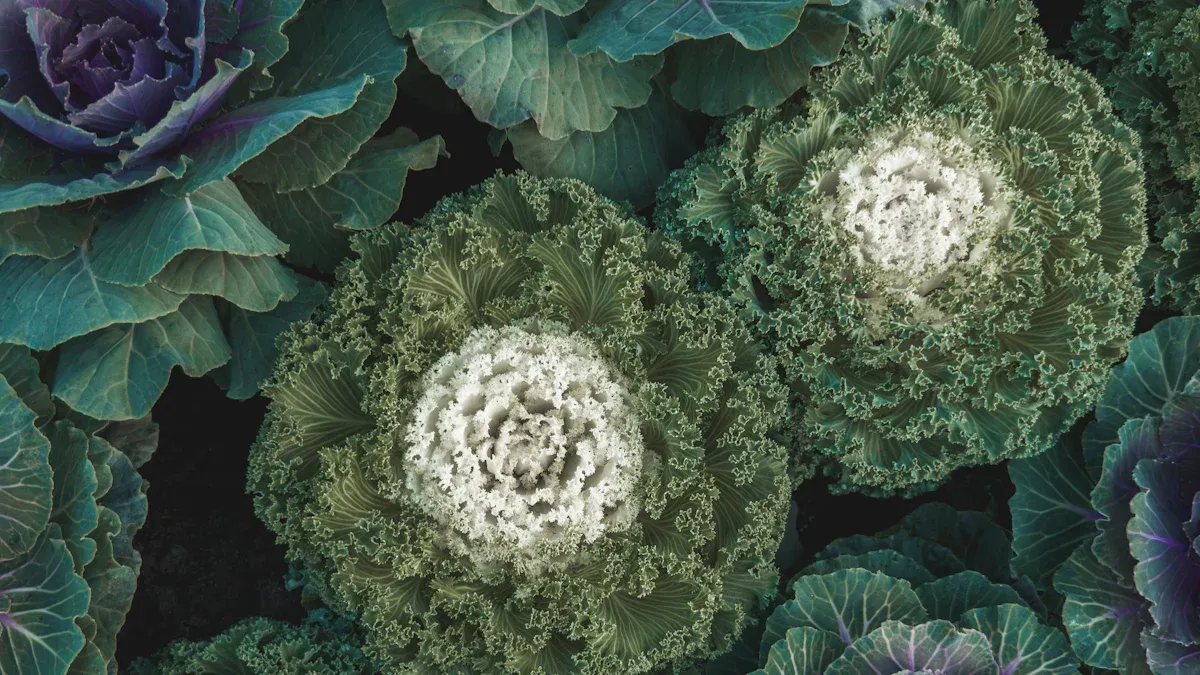
Arugula: This leafy green is super easy to grow and can be harvested in less than a month for baby leaves.
Kale: It thrives in various conditions and is ready to harvest in about two months.
Basil: A popular herb that loves warm weather and well-drained soil.
Parsley: This versatile herb is easy to grow from seeds or indoors.
Thyme: A low-maintenance perennial herb that’s drought-tolerant and comes back year after year.
By selecting these easy-to-grow plants, you’ll set yourself up for success in your backyard garden. Remember, starting a garden is all about enjoying the process and learning as you go!
Soil Preparation for Your Garden
Soil Testing and Amendments
Before you plant anything, you need to prepare your soil. Start by testing its quality. This step helps you understand what your soil needs to support healthy plants. Here are some effective methods for testing your soil:
Soil Texture Test: Fill a jar with soil and water, shake it, and let it settle. You’ll see layers of sand, silt, and clay.
pH Testing: Use a home testing kit to measure how acidic or alkaline your soil is. This affects nutrient availability.
Drainage Test: Dig a hole, fill it with water, and see how quickly it drains. This tells you if your soil retains water well.
You can also consider professional soil testing for a detailed analysis of nutrient levels and pH.
Once you know your soil’s condition, you can amend it. Here are some common amendments to improve soil quality:
Compost
Manure
Worm castings
Leaf mold
Peat moss or coco coir
Adding these materials can enhance your soil’s structure, making it more fertile and better at retaining moisture. Good soil is essential for growing healthy plants.
Preparation Techniques
Now that you’ve tested and amended your soil, it’s time to prepare it for planting. Follow these steps for effective soil preparation:
Clear Out Rocks and Debris: Remove any rocks, sticks, or grass from the area.
Loosen the Soil: Use a shovel or garden fork to loosen the soil to a depth of at least 8 inches. This helps roots grow better.
Add Organic Matter: Mix in 2 to 3 inches of compost into the top 6 to 8 inches of soil. This boosts nutrients and improves soil structure.
Level the Soil: Rake the soil to create a flat surface for planting.
By preparing your soil properly, you set the stage for a thriving garden. Healthy soil leads to healthier plants and better yields!
Planting Your Backyard Vegetable Garden
Best Planting Techniques
When it comes to planting your backyard vegetable garden, using effective techniques can make a big difference. Here are some tips to help you get started:
Choose vegetables that you and your family enjoy eating. This ensures that your efforts yield food you’ll actually want to harvest and eat.
Be realistic about the quantity of vegetables your family will consume. Overplanting can lead to waste, so think about what you’ll actually use.
Consider the availability of vegetables in your local grocery store. If you can easily buy certain veggies, focus on growing those that are harder to find or more expensive.
Be prepared to care for your plants throughout the growing season. Regular maintenance is key to a successful garden.
Use high-quality seeds. Healthy seeds lead to strong plants and better yields.
You might also want to explore techniques like vertical gardening, which helps you maximize space, or companion planting, where you grow plants that benefit each other. For example, planting tomatoes with basil can enhance flavor and deter pests.
Timing Your Planting
Timing is everything in gardening! Knowing when to plant your seeds can set you up for a bountiful harvest. Here’s a simple planting schedule for common backyard vegetables:
Month | Vegetables to Plant |
|---|---|
January | Plan your garden; start chitting potatoes and onions. |
February | Start carrots, beans, peas, peppers, tomatoes, eggplants, and onions indoors. |
March | Start seeds for kale, spinach, sweet corn, leeks, carrots, cucumbers, pumpkins. |
April | Continue planting seeds for broccoli, cabbage, zucchini, and other vegetables. |
By following these guidelines, you’ll ensure that your backyard vegetable garden thrives. Remember, the joy of gardening comes not just from the harvest but also from the process itself!
Maintenance of Your Garden
Watering Your Garden
Watering is one of the most important tasks in maintaining your backyard garden. Proper watering helps your plants thrive and produce delicious food. Here are some tips to keep in mind:
Water at the base: Aim to water directly at the base of your plants. This prevents diseases and conserves water.
Timing matters: Water in the early morning or late evening. Avoid watering during the hottest part of the day to reduce evaporation.
Know your soil: Group plants with similar watering needs together. This makes it easier to manage their moisture levels.
Here’s a quick guide on how often to water during different seasons:
Season | Watering Frequency |
|---|---|
Spring | 1-2 times per week, about 1 inch |
Summer | 2-3 times per week, 1-2 inches |
Fall | 1-2 times per week, about 1 inch |
Winter | Every 2-3 weeks, keep soil slightly damp |
Remember, container plants dry out faster, so check them more often. Hand watering allows you to inspect your plants closely, helping you catch any issues early.
Weeding and Pest Control
Weeds can compete with your vegetables for nutrients and water, so keeping them in check is essential. Here are some effective tips for managing weeds:
Let sleeping weeds lie: Avoid disturbing the soil too much. This prevents hidden weed seeds from surfacing.
Mulch, mulch, mulch: Use organic mulch to smother weeds and promote beneficial insects.
Mind the gaps: Close plant spacing can help shade the soil, reducing weed growth.
For pest control, focus on safe and effective methods. Here are some strategies:
Companion planting: Grow pest-repelling plants alongside your vegetables.
Use natural pesticides: Consider neem oil or insecticidal soap for effective pest control.
Attract beneficial insects: Plant flowers that draw in natural predators to help manage pests.
By following these maintenance tips, you’ll keep your backyard garden healthy and productive. Enjoy the process, and remember that a little effort goes a long way in ensuring a bountiful harvest!
Starting your own backyard garden can be a rewarding adventure! Here’s a quick recap of the key steps to get you going:
Choose the garden location with plenty of sunlight.
Create a garden design that fits your space.
Gather your materials before you start.
Prepare your soil for planting.
Select plants that thrive in your climate.
Water and maintain your garden regularly.
Gardening not only provides fresh food but also boosts your well-being. Studies show that it can improve mental health, reduce stress, and enhance your quality of life. 🌱 So, why wait? Grab your tools and start your backyard garden today! You’ll find joy in nurturing your plants and watching them grow.
Benefits of Gardening | Findings |
|---|---|
Psychological Benefits | Improved mental health outcomes and reduced anxiety. |
Physiological Benefits | Lower blood pressure and better overall physical health. |
Social Benefits | Strengthened social connections through community gardening. |
Embrace the journey of gardening, and enjoy the many rewards it brings!
FAQ
What vegetables are easiest to grow for beginners?
Start with easy options like lettuce, radishes, and green beans. These vegetables germinate quickly and require minimal care, making them perfect for new gardeners.
How often should I water my garden?
Water your garden 1-2 times a week, depending on the season. Check the soil moisture; if it feels dry an inch below the surface, it’s time to water.
When is the best time to plant seeds?
The best time to plant seeds varies by vegetable. Generally, spring is ideal for most crops. Check local planting calendars for specific timing based on your climate zone.
How can I prevent pests in my garden?
Use companion planting to deter pests naturally. You can also introduce beneficial insects like ladybugs or use organic pesticides like neem oil for effective control.
Do I need special tools to start gardening?
You don’t need many tools to start. A trowel, gloves, and a watering can are essential. As you grow, you can add more tools based on your needs.
