


Healthy soil serves as the foundation for successful gardening. When you take the time to prepare garden soil, you enhance plant growth and vitality. Proper soil preparation offers numerous benefits, including improved uniformity, increased density, and reduced maintenance. By following the outlined steps, you can create an optimal environment for your plants to thrive.
Key Takeaways
Assess your soil’s health through visual inspection. Look for earthworms and test soil texture to understand its condition.
Clear your garden of rocks, weeds, and debris. This step promotes better plant growth and reduces disease risks.
Use DIY soil testing kits for quick and cost-effective insights into your soil’s nutrient levels and pH.
Soil Assessment
Visual Inspection
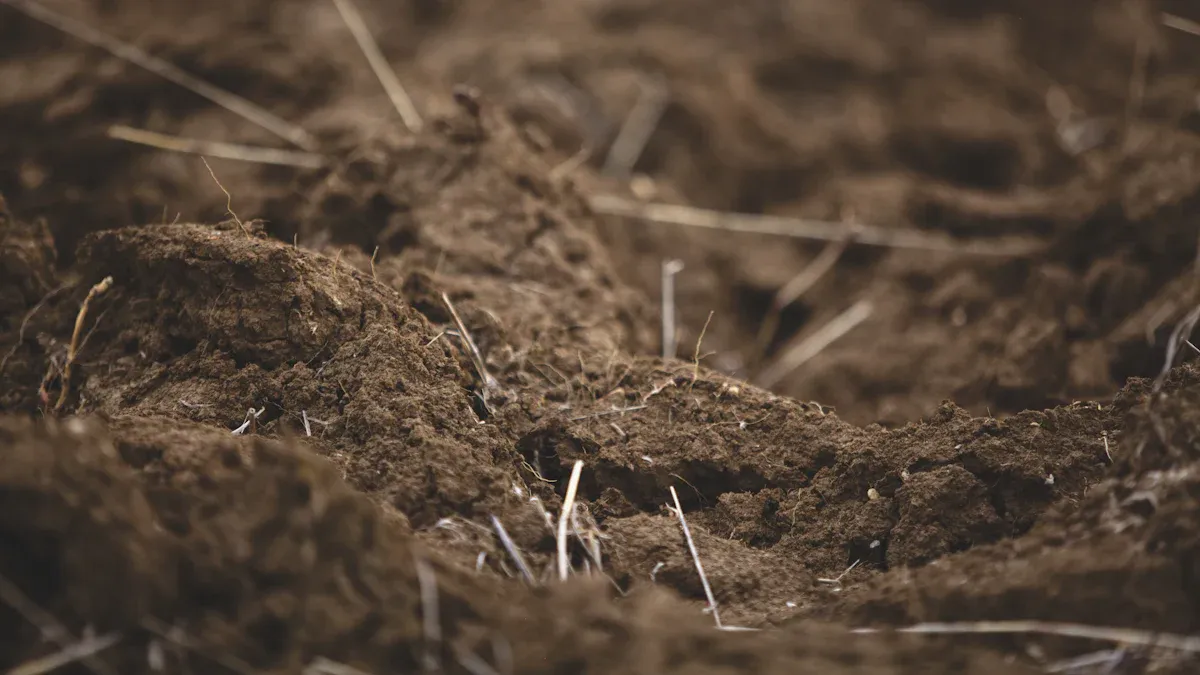
Before you start planting, assessing your soil visually is crucial. This step helps you understand the soil’s condition and its suitability for your plants. Here are some key indicators to look for:
Indicator | Description |
|---|---|
Earthworms | Indicate soil health; their cast-off wastes mix with plant material to form mounds at burrow entrances. |
Soil Texture | Assessed through various tests, indicating the composition of soil particles (sand, silt, clay). |
Grittiness Test | A tactile test to determine soil texture by feeling the soil between your teeth. |
Shine Test | A test to assess clay content by rubbing moist soil against a hard surface to check for shininess. |
You can also use the Visual Soil Assessment (VSA) method. This method involves assessing key soil indicators and observing plant performance. Dynamic indicators can change with management practices, serving as early warning signs of soil condition.
Clearing Debris
Clearing debris from your garden is essential for optimal planting conditions. Rocks, weeds, and dead plant material can hinder plant growth and soil health. Here are the recommended steps for clearing your garden soil:
Clear out rocks, debris, and weeds: Most weeds are easy to pull by hand, but you can also use a garden hoe, spade, or shovel to dig up grass, weeds, and rocks.
Use a good leaf rake to remove dead plant material.
Ensure to destroy plant debris to prevent returning pathogens.
Tip: Clean and sanitize your garden to reduce the risk of diseases. Remove all plant debris thoroughly to avoid leaving pathogens behind.
Removing rocks and debris has several benefits. For instance, rocks can help retain moisture in the soil, reducing the need for frequent watering. They also mitigate soil erosion, preserving the integrity of your garden beds. Additionally, rocks create a barrier that inhibits weed growth by blocking sunlight from reaching weed seeds.
By conducting a thorough soil assessment and clearing debris, you set the stage for a successful planting season. Healthy soil leads to thriving plants, so take the time to prepare properly.
Soil Testing
DIY Testing Kits
Testing your soil is essential for understanding its health and nutrient content. DIY soil testing kits offer a convenient way to assess your soil at home. These kits typically include everything you need to measure key parameters such as pH, macronutrients, and organic matter. Here are some benefits of using DIY kits:
Cost-effective: They usually cost less than professional services.
Immediate results: You can get quick feedback on your soil’s condition.
User-friendly: Most kits come with clear instructions, making them easy to use.
However, keep in mind that DIY soil testing kits may not be as accurate as laboratory tests. Research shows that results can vary depending on the nutrient being tested. For example, a study found that while some kits perform well, they generally lack the precision of lab analyses.
Aspect | DIY Soil Testing Kits | Laboratory Analysis |
|---|---|---|
Accuracy | Less accurate | More accurate |
Ease of Use | Messy and difficult | Controlled and precise |
Interpretation | Difficult to interpret | Contextualized by scientists |
Professional Services
If you seek more accurate results, consider using professional soil testing services. These services analyze your soil in a lab, providing detailed insights into its composition. Basic tests can cost as low as $10, while comprehensive analyses may exceed $5,000. Turnaround times can range from a few days to several weeks, depending on the service.
Professional tests measure various parameters, including:
pH
cation exchange capacity (CEC)
base saturation
macronutrients like phosphorus (P) and potassium (K+)
These detailed analyses help you understand how to amend your soil effectively. Knowing your soil’s nutrient levels allows you to make informed decisions about fertilization and plant selection.
Soil Preparation
Amending with Organic Matter
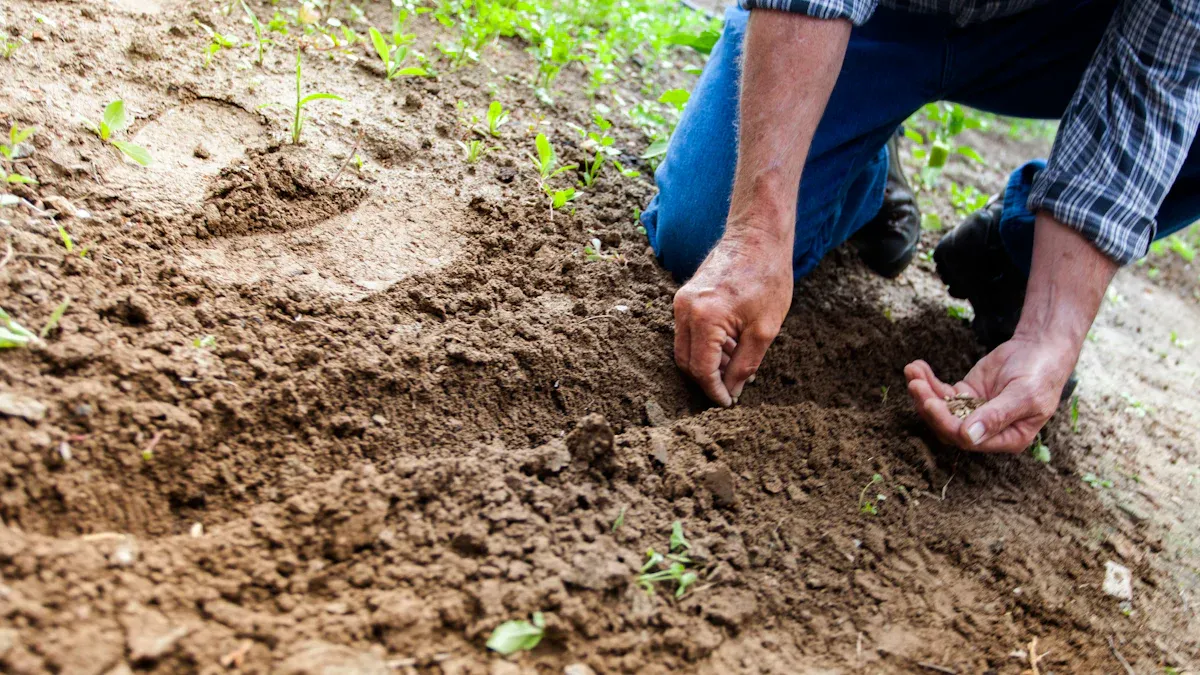
Amending your soil with organic matter is one of the most effective ways to improve its quality. Organic matter enhances soil structure, fertility, and moisture retention. Here are some excellent options for adding organic matter to your garden:
Yard trimmings compost
Leaves from deciduous trees
Crop residues
Manures and manure composts
Separated dairy manure solids
Adding these materials not only enriches the soil but also supports beneficial microorganisms that promote plant health. For example, compost improves soil texture by balancing sand, silt, and clay. This balance allows for better air space for roots, which is essential for healthy plant growth.
Aspect | Effect of Manure on Soil |
|---|---|
Soil Texture | Adding manure increases moisture retention in sandy soils and improves drainage in clay soils. |
Soil Structure | Manure alters soil structure by creating air and water spaces, essential for root development. |
Nutrient Availability | While manure is not a fertilizer, it enhances soil fertility by improving nutrient availability. |
By incorporating organic matter, you can significantly boost your garden’s productivity. Regular amendments lead to long-term benefits, such as improved soil health and increased yields.
Moisture Considerations
Moisture levels play a crucial role in soil preparation. Proper moisture ensures that soil amendments work effectively. When soil is too dry, it becomes compacted, making it difficult for roots to penetrate. Conversely, overly wet soil can lead to poor aeration and root diseases.
The ideal soil moisture level varies depending on the type of plants you are growing. Here’s a quick reference:
Plant Type | Ideal Soil Moisture Level |
|---|---|
Vegetables | 41% – 80% |
Flowers, Trees, Shrubs | 21% – 40% |
Maintaining the right moisture level during soil preparation helps amendments integrate better. For instance, adding compost or manure to moist soil enhances its effectiveness. Moisture helps these amendments break down and release nutrients more efficiently.
Tip: Always check the moisture level before adding organic matter. If the soil feels dry, consider watering it lightly before applying amendments. This practice ensures that your efforts lead to a thriving garden.
Tilling and Aerating Soil
Benefits of Tilling
Tilling your soil offers several benefits that enhance your gardening experience. Here are some key advantages:
Aeration: Tilling improves soil aeration. This allows water, oxygen, and nutrients to reach plant roots effectively. Healthy roots depend on oxygen just as much as they do on moisture.
Weed Prevention: Regular tilling helps control weeds. It breaks down their roots and disrupts their growth, protecting your plants from competition and pests.
Balancing: Tilling incorporates fertilizers and organic materials into the soil. This enriches it and creates a balanced environment for various plants.
Tip: Healthy roots are the lifeline of your plants. They determine how strong and resilient your plants will be.
Tilling Methods
You can choose from several tilling methods based on your garden’s needs. Here are some effective options:
Tilling Method | Description | Best For |
|---|---|---|
Hand Tilling | Manual method suitable for small areas and precise work. | Small gardens |
Machine Tilling | Uses powered equipment to break up soil, effective for larger areas. | Larger gardens or compacted soil |
No-Dig Method | Involves layering materials without traditional tilling, low maintenance. | Loose soil, low-maintenance gardens |
Evaluate your soil conditions before tilling. Consider the timing for optimal results. No-dig methods can be beneficial for low-maintenance gardening. They help maintain soil structure while reducing erosion and improving moisture retention.
By understanding the benefits of tilling and the various methods available, you can choose the best approach for your garden. This preparation will lead to healthier plants and a more productive garden.
Final Soil Preparation
Leveling the Soil
Leveling your soil is essential for creating an ideal planting environment. Follow these steps to achieve a smooth and even surface:
Break Ground: Use a digging fork to loosen the soil. This action improves air and moisture penetration.
Shape & Smooth Planting Bed: Employ a rake or hoe to break up clumps and shape the bed. Ensure a smooth surface for planting.
Remove Obstacles: Clear large rocks and break up clumps. This step creates an ideal environment for seedlings, especially for smaller seeds.
An even soil surface promotes uniform water distribution. Uneven soil can lead to variations in moisture levels, negatively impacting plant growth. Regularly evaluate your irrigation system to identify and correct any issues affecting water distribution.
Mulching Techniques
Mulching is a vital practice for maintaining soil health. It helps retain moisture and suppress weeds. Here are some effective mulch options:
Wood Chips: Excellent for maintaining moisture and providing nutrients as they decompose.
Straw: Great for weed suppression and moisture retention, especially for edible crops.
Shredded Leaves: Adds organic matter to the soil while helping with moisture retention.
Studies indicate that well-placed mulch can reduce evaporation by up to 58.8%. Properly mulched garden beds can lose 50-60% less moisture compared to bare soil. This moisture retention is crucial for seed germination, as insufficient moisture can limit seed growth.
By leveling your soil and applying mulch, you create a fertile environment for your plants. These final preparations ensure that your garden thrives throughout the growing season.
Preparing your garden soil is essential for successful planting. Follow these key steps to ensure a thriving garden:
Stage | Primary Goal | Key Activities |
|---|---|---|
1. Soil Testing | Understand your soil’s pH and nutrient profile. | Collect samples and send them to a lab or use a home test kit. |
2. Clearing the Bed | Remove all unwanted vegetation and debris. | Pull weeds, dig out roots, and remove rocks and sticks. |
3. Tilling & Loosening | Break up compacted soil to improve aeration. | Use a tiller, garden fork, or broadfork to a depth of 8-12 inches. |
4. Amending the Soil | Add organic matter and nutrients based on test results. | Spread compost, manure, and specific amendments like lime or sulfur. |
5. Final Raking | Create a smooth, level surface for planting. | Rake the bed to break up clumps and create a fine-textured seedbed. |
By following these steps, you enhance soil health, improve moisture retention, and promote better nutrient cycling. Take action today and enjoy the rewarding process of gardening!
FAQ
What is the best time to prepare garden soil?
You should prepare your garden soil in early spring or fall. This timing allows for optimal soil conditions before planting.
How deep should I till my garden soil?
Aim to till your garden soil to a depth of 8 to 12 inches. This depth promotes healthy root growth and improves aeration.
Can I use store-bought compost for soil amendment?
Yes, store-bought compost works well for soil amendment. It enriches your soil with nutrients and improves its structure.
