

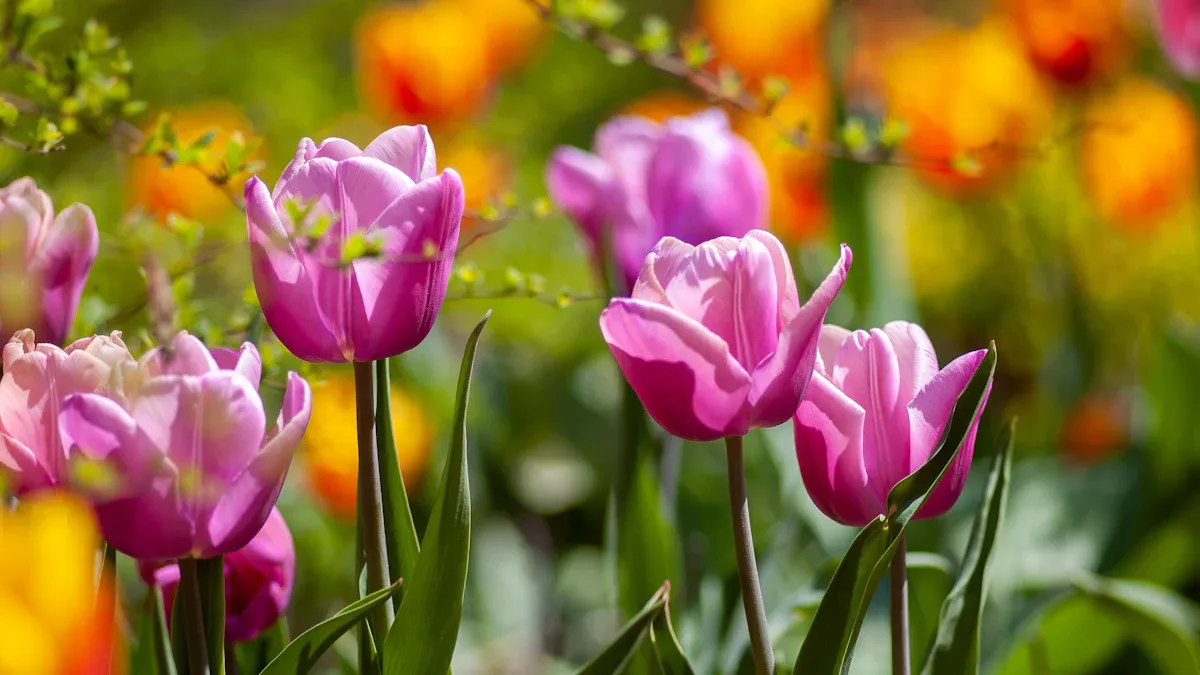
Creating a seasonal gardening calendar can be a game-changer for you as a beginner gardener. By understanding how each season affects your plants, you can make smarter decisions about what to plant and when. Each season brings its own set of challenges and opportunities for gardeners. Ignoring these seasonal shifts can lead to stressed plants, poor yields, and increased susceptibility to pests and diseases.
To thrive in your gardening journey, embrace the seasonal calendar. This will help you tackle garden planning tasks with confidence and make your garden flourish throughout the year!
Spring Gardening Calendar
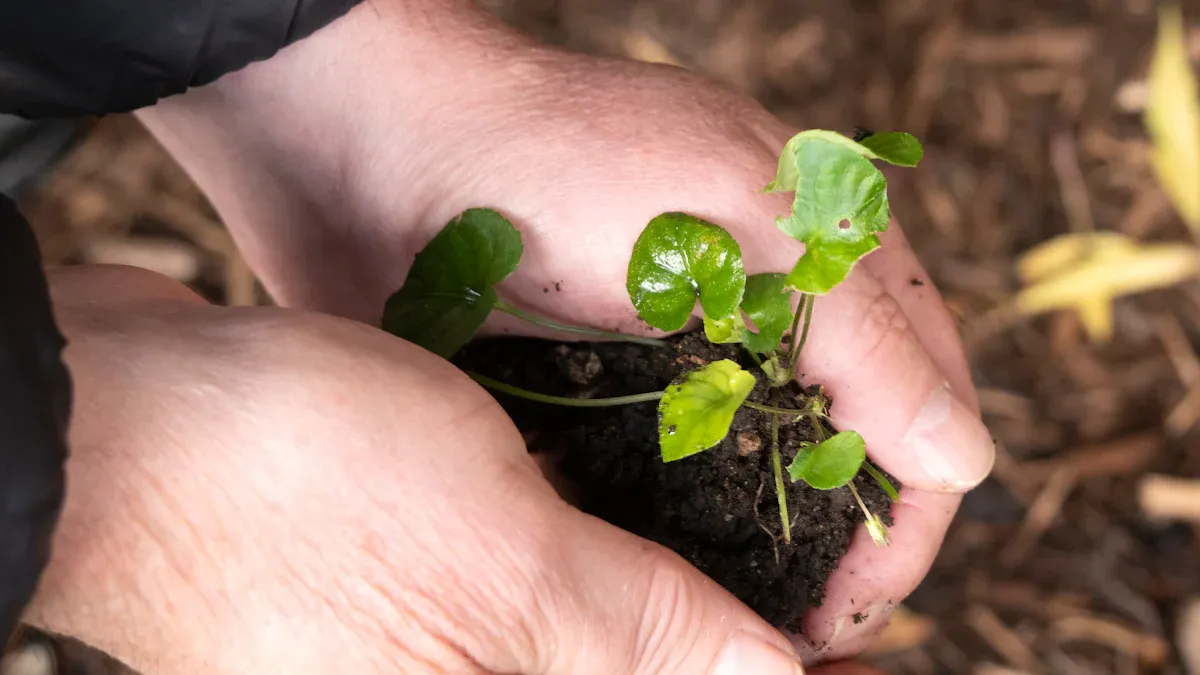
Spring is an exciting time for gardeners! As the weather warms up, it’s the perfect season to start planting. You can prepare your garden for a bountiful harvest by understanding what to plant and when. This season is all about rejuvenation and growth, making it essential for your gardening success.
Vegetable Planting
When it comes to vegetables, spring is prime time for planting. Here are some popular choices you might consider:
Radishes
Lettuce
Swiss Chard
Spring Onions
No-Dig Potatoes
Spinach
Kohlrabi
Kale
To help you plan, check out this table for recommended planting times based on your region’s last frost date:
Vegetable Type | Planting Time Relative to Last Frost |
|---|---|
Hardy Vegetables | 4-6 weeks before last frost |
Transplant Seedlings | On last frost date |
Cauliflower & Chinese Cabbage | 2 weeks after last frost |
Beets, Carrots, Parsnips, Radishes | Sown from seed 2 weeks after last frost |
Tender Vegetables | After last frost, when soil is above 55°F |
Least Cold-Tolerant Plants | When overnight temperature is above 50°F |
Flower Care
Spring garden care is crucial for your flowers. Here are some tips to keep your blooms vibrant:
Choosing the Right Flowers: Select flowers based on sunlight, soil type, and climate to ensure they thrive.
Watering Wisely: Water in the morning or evening to minimize evaporation and adjust based on soil moisture.
Feeding for Flourishing: Use a balanced fertilizer tailored to the specific needs of your flowers.
Pruning and Deadheading: Regularly remove dead parts and spent blooms to promote new growth and extend blooming.
Pest and Disease Control: Monitor for pests and diseases, and address issues promptly with appropriate methods.
Seasonal Considerations: Prepare for the growing season by pruning, dividing, and amending soil.
Common flowers to care for in spring include:
Alyssum
Amaranth
Bachelor’s Buttons
Black-eyed Susan
Calendula
Cosmos
Aster
Delphiniums
Dianthus
Echinacea
Herb Starting
Starting herbs in spring can be rewarding. Plant them after the last frost date for optimal growth. Common herbs like basil, cilantro, dill, mint, parsley, and chives thrive when the soil warms up, usually in late spring for cooler climates. You can also start herbs from seeds in containers, giving you more control over their environment.
Remember to consider methods like stratification, scarification, and surface sowing to enhance germination rates.
With this spring gardening checklist, you’re well on your way to a flourishing garden!
Summer Seasonal Task Lists
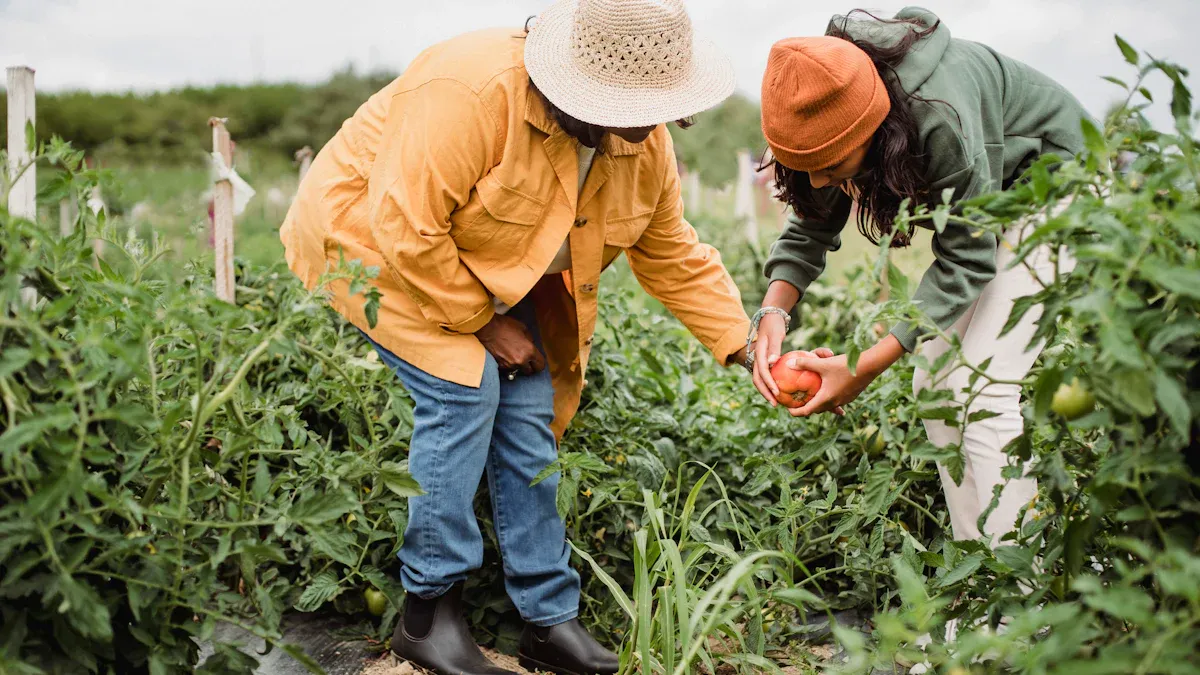
Summer is a busy time in the garden! As the heat rises, you need to stay on top of your gardening tasks to keep your plants healthy and thriving. Here’s a breakdown of essential summer garden care tasks to help you maintain your garden.
Vegetable Maintenance
To keep your vegetables flourishing, focus on these key tasks:
Watering: Ensure your plants receive about one inch of water per week. Water deeply to encourage strong roots, especially during hot spells.
Mulching: Apply mulch around your plants. This helps conserve moisture, regulate soil temperature, and suppress weeds.
Pest Management: Use disease-resistant varieties and practice crop rotation to manage pests effectively. Keeping your garden clean reduces hiding spots for pests.
Flower Bed Care
Your flower beds need special attention during the summer months. Here are some tips to keep them vibrant:
Watering Schedule: Water early in the morning to minimize evaporation. Established flower beds may only need watering once or twice a week, while containers require daily checks.
Heat Adaptation: Monitor for signs of heat stress, like scorched leaves. Use organic mulch to keep the soil cooler and select hardy plants like coneflowers and salvias that can withstand the heat.
Plant Selection: If you live in hotter regions, consider shifting your planting schedule. Opt for heat-sensitive crops in the spring and fall instead of during peak summer heat.
Herb Harvesting
Summer is prime time for harvesting herbs. Follow these best practices to maximize flavor and yield:
Timing: Harvest herbs just before they flower for the best flavor. Common herbs to pick include basil, mint, and rosemary.
Technique: Use clean, sharp scissors to snip herbs just above leaf junctions. This encourages new growth.
Frequency: Take no more than a third of any herb in a week to allow for regrowth. For basil, pinch off flower buds to promote leaf production.
By following these summer seasonal task lists, you’ll keep your garden thriving through the heat!
Fall Gardening Calendar
Fall is a vital season for gardeners. It’s the time to prepare your garden for winter while still enjoying the last harvests of the year. You can plant cool-season crops, tidy up your garden, and set the stage for a successful spring.
Winter Vegetable Prep
As temperatures drop, you can still grow some vegetables that thrive in cooler weather. Here are some steps to prepare your winter vegetables:
Clean Up Spent Plants: Remove any dead or dying crops. This helps prevent pests and diseases from taking hold.
Feed the Soil: Add 2 to 3 inches of compost and cover it with mulch. This will suppress weeds and protect the soil.
Test Your Soil: Conduct a soil test to see if you need to amend it for nutrients or pH balance.
Plant Cover Crops: Consider sowing quick-growing cover crops like winter rye or clover. They protect and enrich the soil over winter.
Recommended winter vegetables include beets, carrots, and broccoli. These crops can withstand the cold and often taste sweeter after a frost.
Fall Flower Planting
Fall is also the perfect time to plant flowers for a vibrant spring display. Here are some tips to ensure your flowers bloom beautifully:
Choose the Right Time: Plant bulbs before the first freeze, ideally when temperatures are between 40°F and 50°F.
Water After Planting: This helps promote root development.
Mulch: In colder climates, mulch around the base of your bulbs to help them overwinter.
Popular fall-planted flowers include tulips, daffodils, and hyacinths. Planting these bulbs in clusters creates a stunning visual impact come spring.
Herb Preservation
As you harvest your herbs, consider how to preserve them for winter use. Here are some effective methods:
Method | Description |
|---|---|
Drying | Hang herbs like sage to air-dry or use an oven for speed. Store them in airtight containers. |
Freezing | Freeze herbs like basil in olive oil using ice cube trays. |
Air Drying | Tie herbs into bunches and hang them in a cool, dry place until brittle. Store in airtight containers. |
Proper preservation techniques can extend the shelf life of your herbs, keeping their flavors potent for up to a year.
By focusing on these fall garden care tasks, you’ll set yourself up for success in the coming seasons!
Winter Seasonal Task Lists
Winter is the perfect time to get ahead on your garden planning tasks. While the ground may be frozen, you can still prepare for a successful spring. Here are some key steps to consider:
Planning for Spring
Figure Out Your Spring Planting Dates: Knowing your last frost date helps you set specific dates for planting.
Make Planting Plans: Create a visual guide of what you want to grow. This helps manage your expectations and keeps you organized.
Order Seeds: Don’t forget to order seeds for herbs, vegetables, and flowers that need to be started indoors.
Reflecting on past seasons can also be beneficial. Think about what worked well and what didn’t. This reflection can guide your decisions for the upcoming year. Additionally, plan crop rotations to maintain soil health. Healthy soil is crucial for a productive garden, so consider adding compost or mulch to protect it from erosion during winter.
Indoor Gardening Tips
Winter doesn’t mean you have to stop gardening! Indoor gardening options can keep your green thumb active. Here are some popular choices:
Pothos: Known for fast growth and resilience.
Peace Lily: Thrives in humid environments and adds beauty to your space.
Aloe Vera: Great for skin care and easy to care for.
Spider Plant: Noted for its hardiness and air-purifying qualities.
To care for your indoor plants during winter, follow these tips:
Keep Plants Indoors: Bring tropical plants inside before temperatures drop below 45°F.
Adjust Watering: Water less frequently since plants need less moisture in winter.
Manage Light Exposure: Use grow lights if necessary and rotate pots for even light.
Perennial Care
Taking care of your perennials during winter ensures they thrive come spring. Here are some best practices:
Mulching for Insulation: Keep a layer of mulch around perennials to protect their roots from freezing temperatures.
Pruning and Maintenance: Limit pruning to removing dead or damaged branches to avoid frost damage.
Monitoring for Pests and Diseases: Regularly check for signs of pests or diseases and treat them promptly.
By focusing on these winter garden care tasks, you’ll set yourself up for a flourishing garden when spring arrives!
Creating your own seasonal gardening calendar can truly transform your gardening experience! By planning your planting and harvesting times, you ensure optimal growth conditions for your crops. Here are some benefits of using a seasonal gardening calendar:
Helps you plan your garden layout for optimal growth.
Enables you to track growth progress and analyze harvests.
Provides monthly to-do lists to keep you on track.
Adapting your gardening practices to seasonal changes not only maximizes your space but also leads to better crop success. So, grab a notebook and start mapping out your gardening journey today!
