Mulching plays a crucial role in creating healthier landscapes, and our Mulching Guide can help you understand its benefits. It not only improves soil quality but also helps you save water and reduce weed growth. Did you know that applying mulch can suppress up to 90% of annual weeds when you use a 2-4 inch layer? Plus, it can save your garden up to 20-30% on water usage! By retaining moisture and enhancing soil health, mulching, as outlined in our Mulching Guide, sets the foundation for a thriving garden.
Key Takeaways
Mulching retains moisture, reducing evaporation by up to 81.6%, which supports plant health and conserves water.
Applying a 2-4 inch layer of mulch can suppress weed growth by up to 90%, making gardening easier and more efficient.
Organic mulch enriches soil as it decomposes, boosting nutrients and improving soil structure for healthier plants.
Mulch regulates soil temperature, protecting roots from extreme heat and cold, which promotes stable plant growth.
Regularly refreshing your mulch every 1-2 years keeps it effective, ensuring your garden remains vibrant and healthy.
Benefits of Mulch
Soil Health
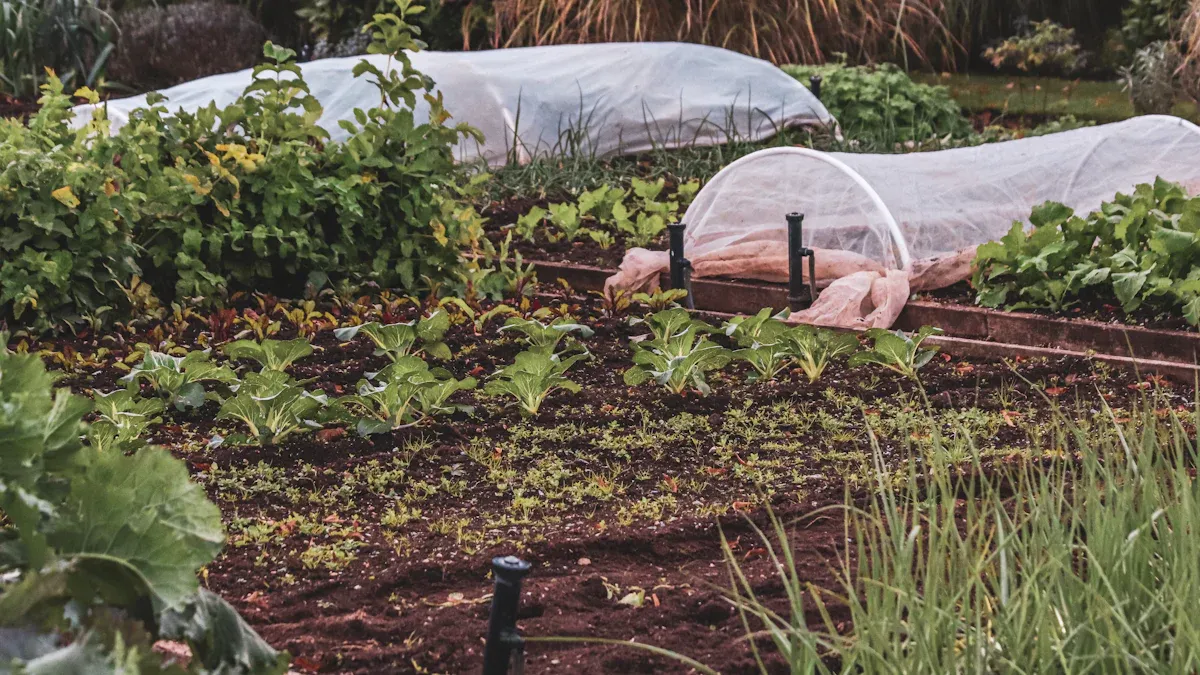
Using mulch significantly boosts soil health. When you apply organic mulch, it breaks down over time, adding vital nutrients back into the soil. This process enhances the soil’s organic matter, which is crucial for supporting plant growth. Research shows that living mulches like white clover and crown vetch can increase total organic carbon and nitrogen levels by up to 50%. Here’s a quick look at how different types of living mulch can improve soil quality:
Living Mulch Type | Total Organic Carbon Increase | Total Nitrogen Increase | Enzyme Activity Improvement |
|---|---|---|---|
White Clover (Trifolium repens) | 16–44% greater | 50% greater | Invertase, Urease, Alkaline Phosphatase |
Crown Vetch (Coronilla varia) | 16–44% greater | 50% greater | Invertase, Urease, Alkaline Phosphatase |
Perennial Ryegrass (Lolium perenne) | 16–44% greater | Not significantly different | Alkaline Phosphatase only |
No Mulch | Baseline | Baseline | Baseline |
Moisture Retention
Mulch is a champion at moisture preservation. It acts as a barrier, reducing evaporation from the soil. Studies indicate that applying mulch can increase soil water retention by as much as 81.6% compared to bare soil. Here are some key points about how mulch helps retain moisture:
Mulch reduces evaporation rates significantly, especially in hot climates.
It keeps the soil cooler during the day and warmer at night, creating a more stable environment for roots.
By retaining moisture, mulch not only supports plant health but also conserves water, making your garden more sustainable.
Weed Control
Weeds can be a gardener’s worst nightmare, but mulch comes to the rescue! It effectively suppresses weed growth by blocking sunlight and creating a barrier that prevents weed seeds from germinating. Research shows that organic mulch can reduce weed density by 56%, while plastic mulch can achieve up to 79% reduction. Here’s a comparison of mulch types and their effectiveness in weed control:
Mulch Type | Weed Density Reduction | Dry Biomass Reduction |
|---|---|---|
Organic Mulch (T2) | 56% | 61% |
Plastic Mulch (T3) | 79% | 91% |
Temperature Regulation
Mulch also plays a vital role in regulating soil temperature. It acts as an insulating layer, protecting roots from extreme temperature fluctuations. During hot months, mulch keeps the soil cooler, while in winter, it helps maintain warmth. Here are some benefits of mulch in temperature regulation:
Mulch keeps soil temperatures stable, which is crucial for healthy plant growth.
It prevents rapid temperature changes that can stress plants.
By providing insulation, mulch protects roots from frost during cold snaps.
Mulch Types
Organic Mulch
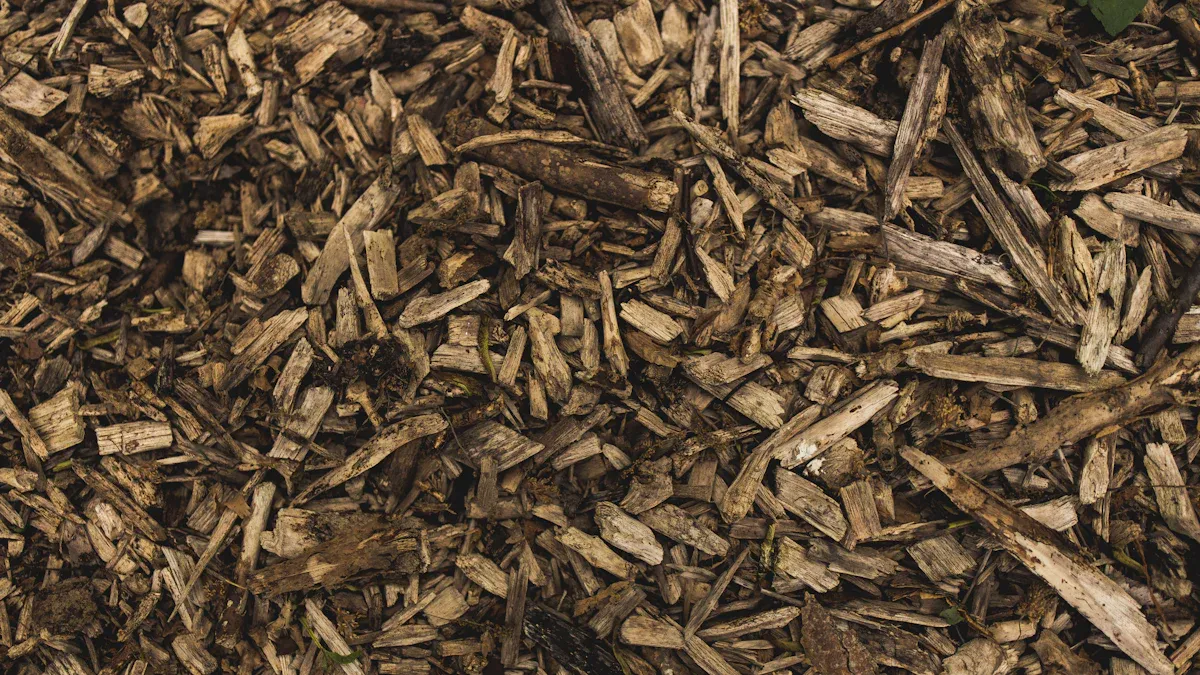
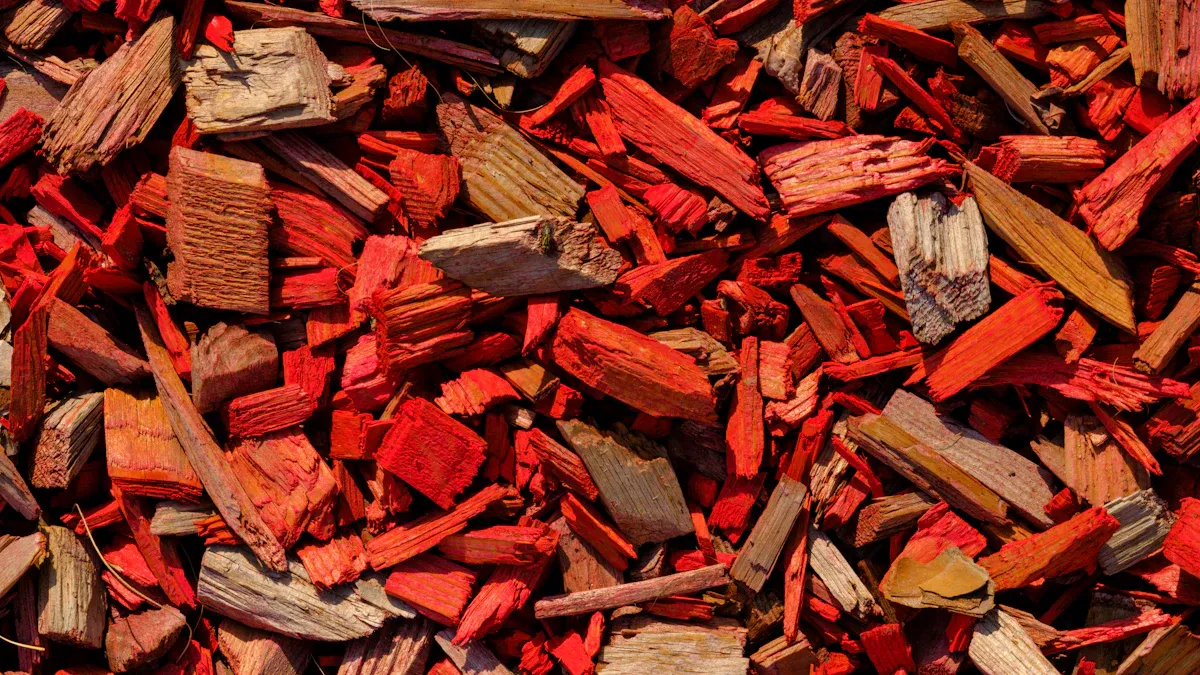
Organic mulch consists of natural materials that break down over time, enriching your soil. This type of mulch includes options like wood chips, straw, and grass clippings. Here are some benefits of using organic mulch:
Wood Mulch: Enhances soil structure and improves water retention. It adds a rustic look to your garden.
Straw or Hay: Keeps fruits and veggies clean while deterring weed growth. It’s lightweight and perfect for vegetable gardens.
Grass Clippings: High in nitrogen, these clippings promote plant growth and are often free if sourced from your lawn.
As organic mulch decomposes, it contributes nutrients back into the soil, enhancing its quality. This process can significantly improve the health of your plants and their roots.
Inorganic Mulch
Inorganic mulch, on the other hand, includes materials like stones, rubber chips, and plastic. These types of mulch do not decompose, which means they won’t enrich your soil. However, they offer some advantages:
Longevity: Inorganic mulch can last for many years without needing replacement, making it ideal for low-maintenance landscapes.
Aesthetic Appeal: They come in various colors and textures, allowing you to create visually appealing designs.
While inorganic mulch requires less frequent reapplication, it can lead to soil compaction and may negatively impact soil properties. For example, materials like white limestone chips can increase soil pH, which might harm certain plants.
Choosing the Right Mulch
When selecting the right mulch for your garden, consider the following factors:
Location: Choose visually appealing mulches for high-visibility areas.
Plant Type: Match mulch to the specific needs of your plants.
Climate: In dry climates, mulch helps retain moisture, while in cold climates, it protects against frost.
By understanding the differences between organic and inorganic types of mulch, you can make informed decisions that benefit your garden’s health and aesthetics.
Applying Mulch
Best Times
Knowing when to apply mulch can make a big difference in your garden’s health. Here’s a quick guide to the best seasons for mulching:
Season | Benefits |
|---|---|
Spring | Ideal for preparing the garden for growth, deters weed growth, and enhances plant health. Recommended in mid to late April. |
Summer | Refreshing mulch helps maintain soil moisture and suppress weeds during hot months. |
Fall | Insulates plant roots from winter cold, conserves moisture, and reduces soil erosion. Best applied in early to mid-fall. |
Winter | Stabilizes soil temperatures and protects plants from harsh conditions. Best applied after the first hard freeze. |
Applying mulch in spring is especially beneficial. It prepares your garden for growth and helps keep weeds at bay. In summer, refreshing your mulch can maintain moisture levels, which is crucial during those hot months. Fall is the perfect time to insulate roots against the cold, while winter applications protect plants from temperature swings.
Preparation Steps
Before you apply mulch, take some time to prepare your garden. Proper preparation ensures that your mulch performs well. Here are the essential steps:
Spread out compost and incorporate it into the soil. This adds nutrients and improves soil structure.
Add rock dust and calcitic lime, then dig them into the soil. These amendments can enhance soil health.
Apply at least 2 inches of mulch, with 4 inches being ideal. This depth helps retain moisture and suppress weeds.
Ensure the compost is well incorporated into the soil for optimal benefits. This step is crucial for enhancing soil fertility.
Proper soil preparation impacts how well your mulch performs. For example, organic mulches can improve soil structure and fertility, promoting healthy root development. If you skip this step, you might miss out on the full benefits of your mulch.
Application Techniques
Now that your garden is ready, it’s time to apply mulch effectively. Here are some tips to ensure even application:
Depth: Aim for a depth of 2 to 4 inches. Avoid piling mulch against plant stems to prevent moisture buildup.
Coverage: Extend the mulch to the plant’s drip line when possible. This area is where the most active feeder roots live.
Shape: Create a ‘donut’ shape around trees instead of a ‘volcano’. This technique protects the roots while allowing for proper moisture retention.
Following these techniques not only enhances the aesthetics of your landscape but also promotes plant health. Properly applied mulch can protect plants, conserve water, and suppress weeds, making your garden thrive.
By understanding when to mulch, preparing your soil, and applying mulch correctly, you set the stage for a healthier landscape.
Mulching Guide: Calculating Amount
Measurement Techniques
To get the right amount of mulch, you first need to measure your garden area accurately. Here’s how you can do it:
Determine the Shape of Your Area: Is it rectangular, circular, or irregular? Knowing the shape helps you choose the right measuring method.
Measure the Length and Width: For rectangular areas, use a measuring tape. For circular areas, measure the radius. If your area is irregular, break it down into smaller shapes and measure each one.
Determine the Desired Depth: Most mulch layers should be between 2 to 4 inches, depending on your plants’ needs.
Calculate the Cubic Yards Needed: Use this formula: [ text{Cubic Yards} = frac{text{Area (sq ft)} times text{Depth (inches)}}{324} ]
Convert to Tons (for Rock Only): If you’re using rock mulch, convert cubic yards to tons based on the material type.
Order Extra for Settling and Coverage Adjustments: It’s wise to add 5-10% more mulch to account for settling and spillage.
Depth Recommendations
Choosing the right mulch depth is crucial for your plants’ health. Here’s a quick reference table for recommended depths based on plant types:
Plant Type | Recommended Mulch Depth |
|---|---|
Flower Beds | 2-3 inches |
Trees and Shrubs | 3-4 inches |
Vegetable Gardens | 1-2 inches |
For specific plants, consider these recommendations:
Roses: 2 inches
Fruit trees: 3-4 inches
Trees and shrubs: 3-4 inches
Vegetable plots: 1-2 inches
Remember, the right mulch depth helps maintain soil moisture and encourages healthy root growth. Too little mulch can lead to quick evaporation, while too much can stress roots and promote disease. Aim for that sweet spot to keep your garden thriving!
Mulching offers numerous benefits for your landscape. It improves soil health, retains moisture, and suppresses pests and weeds. By applying mulch correctly, you can create a vibrant garden that thrives. Here are some key takeaways:
Mulch helps retain moisture longer, reducing evaporation and supporting plant health.
It enhances the aesthetics of your landscape, making colors pop and defining bed edges.
Regular maintenance, like fluffing and replenishing mulch, keeps it effective over time.
So, why not start mulching today? Your plants will thank you, and your landscape will look fantastic.