

Tucking flowers into a vegetable patch does more than add color. The right blooms pull in pollinators, distract pests from your tomatoes and beans, and turn a working garden into something you actually want to walk through in the evening. Choosing seed packets that match your climate, soil, and appetite for variety makes the difference between a thriving edible landscape and a plot that fights itself.
Your Options, Compared

Family Sown Hummingbird Butterfly Mix Wildflower Seeds

Survival Garden Seeds Purple Alyssum Seeds

Sereniseed Sunflower Seeds Collection (10-Pack)

HOME GROWN Bachelor Button Tall Mix Cornflower Seeds

Sow Right Seeds Insect & Pest Repellent Seed Collection

Seed Needs Borage Seeds for Planting

Seed Needs Sunflower Seeds Sunset Mixture XL Pack

Sow Right Seeds Sweet William Mix Dianthus Seeds

Carpet Creeping Mixed Lisianthus Flower Seeds
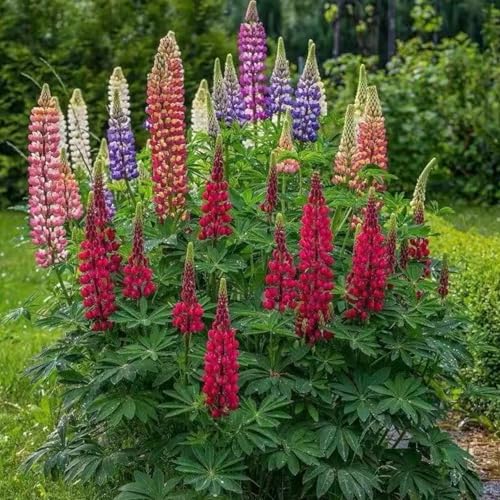
ZEshops 100 Lupine Flower Seeds for Borders
A Deeper Look At The Lineup
A wide wildflower blend earns the top slot because it solves the most common problem in a vegetable garden: not enough pollinators showing up. Hummingbirds, bees, and butterflies all benefit from a nectar-rich mix, and the 1-ounce packet covers roughly 100 square feet once it fills in. Scatter it along the back edge of a raised bed or a bare fence line and the rest of your vegetables reap the rewards.
For gardeners running a larger homestead plot, this blend functions as a living insectary. The flowers bloom across different windows, so something is always feeding pollinators when your squash or tomatoes need them most. The catch is variety: you don’t pick which species land in your packet, so designing a specific color palette isn’t really possible here.
Useful Highlights
- Large 1-ounce packet with roughly 7,500 seeds, enough for about 100 square feet of coverage
- Multi-species nectar blend draws hummingbirds, bees, and butterflies through a long bloom window
- Easy broadcast sowing works for beginners who want low-fuss pollinator support
- Adds visible color and movement to fence lines and back borders without crowding the edible rows
Worth Noting
- You cannot select individual species, so the final color mix is a surprise
- Some species in the blend may reseed aggressively in mild climates
Who It Suits Best
Backyard vegetable gardeners who want effortless pollinator coverage along a back border or fence line.
Consider Something Else When
The Survival Garden Seeds Purple Alyssum is a tighter choice for small plots where ground cover and fragrance matter more than height.
Royal Carpet Alyssum is the kind of low carpet that quietly does heavy lifting between rows of lettuce, carrots, and bush beans. It hugs the soil, spreads gently, and throws out clusters of tiny purple blooms with a honeyed scent. Hoverflies and small native bees love it, and those predators help keep aphids off your kale.
Unlike the wildflower mix above, alyssum gives you a single, predictable result. The cool-season habit means it shines in spring and fall, fading once the heat settles in. Succession sowings every few weeks keep that fragrant layer going for most of the growing season.
Strengths Worth Knowing
- Honey-scented low carpet that draws hoverflies and tiny pollinators
- Works as living mulch between vegetable rows, shading the soil
- Cool-season habit fits spring and fall planting windows
Points To Note
- Frost-sensitive, so it’s typically grown as a cool-season annual in most zones
- Heat causes flowering to slow, requiring reseeding mid-summer in warm regions
Feature Snapshot
Right Fit For
Cool-climate gardeners with small plots who want fragrant ground cover between vegetable rows.
Skip It When
You need tall vertical color, in which case the Sereniseed Sunflower Collection brings much more height and presence.
Ten distinct sunflower varieties in one box turns a flat vegetable plot into a layered landscape. Mammoth Grey Stripe and Mongolian Giant form a back wall, while shorter types like Teddy Bear fill mid-row gaps. The diversity staggers bloom times, so something is feeding bees from midsummer well into early fall.
Open-pollinated and non-GMO seeds store well in a cool, dry spot, giving you extra packets for next season’s succession plantings. The trade-off is space: the giants need room to stretch, and shorter rows won’t do them justice.
What Works In Its Favor
- Ten named varieties, from Mammoth Grey Stripe to Lemon Queen, give a long staggered bloom season
- Non-GMO, open-pollinated seeds suit seed-savers who want replantable stock
- Tall cultivars cast afternoon shade on heat-sensitive crops like lettuce
Some Limits To Know
- Large giants demand deep, well-prepared soil and staking in windy plots
- Allotment-style spacing required; tight urban beds can’t fit the taller cultivars comfortably
Best Suited To
Rural and suburban gardeners with room for tall borders who want a full season of staggered sunflower blooms.
Look Elsewhere When
Tight balcony beds are the case for the Survival Garden Seeds Purple Alyssum, which fits where sunflowers cannot.
Bachelor buttons, also called cornflowers, earn their spot when you want color fast. The fringed blue, pink, and white blooms show up roughly 10 to 12 weeks after sowing, even on a brand-new bed. They fit neatly along the front of a vegetable row, where their silver-green foliage softens the transition between soil and stalk.
Heirloom and open-pollinated, this packet lets you collect seed at season’s end for next year. Compared to the taller Sereniseed collection above, bachelor buttons stay manageable in narrow beds, though they may need light staking once they hit full height.
What Earns Its Place
- Quick bloom window suits new beds that need fast visual payoff
- Heirloom and open-pollinated, so seed-saving is straightforward at season’s end
- Pollinator-friendly fringed blooms draw bees without crowding the row
Possible Compromises
- Tall mix can flop in rich soil, so staking helps in exposed plots
- Annual lifecycle means replanting each spring in most climates
Feature Rundown
Whose Shelf It Belongs On
First-year gardeners establishing new beds who want reliable, fast color in a working vegetable plot.
Swap It Out When
You want a perennial that returns each year, in which case the ZEshops Lupine seeds offer a sturdier multi-year investment.
Five packets in one box: lavender, catnip, marigold, peppermint, and lemon grass. The premise is simple. Strong-smelling plants mask the scent of your vegetables, making it harder for pests to lock on. Marigolds anchor the visual layer, while the herbs bring fragrance and pollinator value to the same bed.
This collection differs from the earlier picks in that it leans on scent, not color, as the main design driver. The mint family spreads aggressively, so most growers confine it to a sunken container beside the bed rather than direct sowing into the row.
Standout Benefits
- Five complementary species in one bundle for layered pest confusion
- Marigolds add visual punch while lavender and catnip do the scent work
- Versatile packets allow grouping near brassicas, beans, or tomatoes
Details To Watch
- Peppermint spreads aggressively, so most owners confine it to a sunken pot
- Some species need a full season to establish before scent levels peak
Feature Card
Made For
Edible-plot growers who want to layer scent-driven pest deterrence into their vegetable beds without buying five separate packets.
Reach For A Different Pick When
Color and height are the priority, since the Seed Needs Sunflower Sunset Mixture delivers more visible vertical impact.
Borage pulls double duty in a working vegetable plot. The deep blue, star-shaped blooms bring in bumblebees, while the leaves and flowers themselves are edible, with a mild cucumber note. Scatter the young leaves into salads or freeze the blossoms in ice cubes for summer drinks.
Compared to the cornflower and alyssum entries above, borage is a larger, more structural plant. It branches freely and reseeds on its own in mild conditions, so you may find volunteers popping up the next season. The fuzzy stems and leaves can feel coarse in a tidy ornamental bed.
What Helps Most
- Edible blue flowers and young leaves add kitchen value beyond the visual
- Strong bumblebee magnet, especially valuable near tomatoes and squash
- Self-seeds in mild climates, so future seasons may start themselves
A Few Limitations
- Fuzzy stems and leaves feel coarse in formal ornamental borders
- Sprawling habit needs space, so it overpowers small or narrow beds
Who Should Grab It
Salad-garden cooks and bumblebee-focused planters who want an edible flower that doubles as a pollinator workhorse.
Another Choice May Suit
Tidy bed design is the case for the HOME GROWN Bachelor Button, which stays more contained than sprawling borage.
The Sunset Mixture trades the broad color range of the Sereniseed 10-pack above for a tighter warm palette of red, orange, and yellow sunflowers. Heads full of tiny florets feed bees generously, and the bronzed petals suit a late-summer palette better than the pale lemon shades elsewhere in this list.
XL Pack sizing suits larger plantings or shared community gardens, where one packet needs to cover a long border. As with most sunflowers, staking helps in wind-exposed plots, and birds will find the seed heads once the petals drop.
Useful Touches
- Warm-toned red, orange, and yellow mix unifies late-summer color schemes
- XL packet sizing covers long borders without splitting a smaller pack
- Large floret-rich heads pull in heavy bee traffic during peak bloom
Worth Bearing In Mind
- Seed heads attract birds once petals drop, which may scatter volunteers
- Staking is helpful in wind-exposed plots, adding a small maintenance step
Quick Facts
Perfect Match For
Cutting-garden enthusiasts who want long-stemmed sunflowers in a unified warm palette for bouquets and late-summer beds.
A Better Fit Elsewhere
You want a wider variety trial, in which case the Sereniseed Sunflower Collection 10-Pack offers ten distinct cultivars instead.
Sweet William is a biennial, which means it spends year one building foliage and then explodes into clusters of red, pink, and white blooms in year two. The wait pays off with some of the longest-lasting cut flowers in a home cutting garden, and the clove-like fragrance carries indoors.
Edible blossoms broaden the kitchen use, and the large packet (around 700 seeds) suits a dedicated cutting bed. The biennial rhythm means you need patience: compared to the same-season cornflower entry above, Sweet William demands a planning mindset.
The Value In It
- Long-lasting cut stems earn their place in a dedicated cutting bed
- Edible clove-scented blossoms suit garnish and cake-decorating use
- Generous packet size (around 700 seeds) supports a dedicated row
Some Limits To Know
- Biennial habit means flowers arrive in year two, not year one
- Cool-season preference limits success in hot southern gardens
Built With In Mind
Patient cutting-garden planners willing to wait a season for a strong, fragrant display in year two.
Not Your Match When
Same-season color is essential, since the HOME GROWN Bachelor Button Tall Mix blooms in the first growing season.
Lisianthus brings a rose-like elegance to a vegetable plot, with soft pastel and bold hues mixed in one packet. The long bloom window keeps stems coming for cut arrangements across much of the growing season, and the flowers adapt to a range of soil types once established.
It earns its spot as the refined option. The 300+ seed count gives plenty of material for a dedicated row, though lisianthus is famously slow from seed, so most growers start it indoors well before the last frost. That patience separates it from the easy-sow options earlier in this list.
Benefits That Matter
- Mixed pastel and bold colors suit cutting-garden bouquets and refined borders
- Long bloom window keeps cut stems available across most of the season
- Perennial habit in mild climates offers a multi-year return on the initial sowing
Potential Sticking Points
- Slow germination means indoor starting weeks before the last frost is essential
- Perennial label depends heavily on mild winters, so cold-zone growers treat it as annual
Technical Reference
Who Will Love This
Patient perennial planters and cutting-garden hobbyists willing to start lisianthus indoors for an elegant, long-blooming payoff.
Where A Sibling Pick Shines
Quick broadcast sowing is the case for the Family Sown Hummingbird Butterfly Mix, which needs far less indoor planning.
Lupines bring vertical drama to the back of a vegetable garden, with tall flower spikes in pink, purple, yellow, red, and white. As a hardy perennial, one sowing returns for several seasons, and the dense spikes are well-visited by bumblebees in cooler spring weather.
This last pick rounds out the lineup with a structural counterpoint to the lower, bushier selections above. Lupines prefer full sun and cooler climates, so gardeners in the deep south may find them short-lived compared to northern and coastal plantings.
What Pays Off
- Tall, colorful flower spikes create a strong back-border focal point
- Hardy perennial returns for several seasons from a single sowing
- Strong bumblebee and butterfly draw during cooler spring weeks
Less-Strong Areas
- Cooler-climate preference makes southern-garden performance uneven
- Deep taproot dislikes transplanting, so direct sowing in final position works best
The Right Fit
Northern and coastal gardeners who want a tall, multi-year perennial spike along a back fence or property line.
Consider Something Else When
Hot-summer climates are the case for the Seed Needs Sunflower Sunset Mixture, which handles heat far more reliably.
What To Weigh Before Choosing Companion Flowers
Match Height To Bed Layout
Tall varieties like the Sereniseed sunflowers and lupines belong along the back edge, where they won’t shade shorter crops during the midday hours. Low-growers such as the Survival Garden Seeds Purple Alyssum fit between vegetable rows as living mulch, while mid-height cornflowers slot in along the front of a bed. Get the height wrong and your vegetables end up starving for light.
Consider Bloom Timing And Pollinator Needs
Pollinators need continuous food from spring through fall. The Family Sown wildflower mix and a succession of bachelor buttons cover early and mid-season, while late-summer sunflowers keep bees fed into autumn. Layering two or three packets across the season is more useful than a single block of one species.
Decide Between Annual And Perennial Investment
Annuals like the Sweet William and lisianthus replant from seed each year (or every other year, in Sweet William’s biennial case). Perennials like lupine, borage (in mild zones), and lisianthus (in mild zones) reduce yearly seed-buying. For a low-maintenance vegetable patch, perennials paired with one or two annuals tend to work best.
Watch Spreading Habits
Some flowers, notably peppermint in the Sow Right pest collection, spread aggressively through rhizomes. Most growers sink the container into the soil to keep the roots contained. Borage self-seeds freely in mild climates, so expect volunteers the following spring. Plan for that growth when you choose placement.
Key Considerations Across These Picks
Pitfalls Shoppers Hit
Buying a packet based purely on flower color is a common first-timer trap. The same packet can flop in the wrong climate or soil. Match the species to your zone and sun exposure before you fall for the picture on the listing. Another frequent mistake is sowing too densely. Most flower seeds in this list need thinning to reach full size, and crowded seedlings stay small and leggy.
What Separates Premium From Basic
Higher-tier seed collections like the Sereniseed 10-pack give you named varieties, fresher stock, and broader genetic diversity. Basic single-species packets are fine for a quick fill, but if you want predictable bloom timing, label-checked species, and seed-saveable stock, the premium packs earn the upgrade. The Sow Right pest collection bundles five species at a slight savings over buying them individually, which is its own form of value beyond the species themselves.
Frequently Asked Questions
Which Flowers Help Most With Vegetable Pollination?
Sunflowers, bachelor buttons, and borage are strong performers for drawing bees and bumblebees into a vegetable plot. Layer a tall variety with a low-grower like alyssum to cover bees at different flight heights throughout the day.
Do Marigolds Really Keep Pests Away From Vegetables?
Marigolds confuse scent-driven pests and may reduce certain nematode populations in the soil. They are not a silver bullet, though. Pairing them with aromatic herbs like lavender and peppermint from the Sow Right collection gives stronger layered protection.
Can I Plant These Flowers Directly In The Vegetable Bed?
Most of the species in this list do well sown directly alongside vegetables, with the exception of lisianthus, which usually needs an indoor head start. Tall sunflowers and lupines should go at the back of the bed, while alyssum and cornflowers fit along the front edges.
Are These Flowers Safe Around Edible Crops?
The flowers in this roundup are generally considered safe to grow near food crops, and borage, sweet william, and nasturtium-family blooms are edible themselves. Just keep mint-family herbs contained, since they can compete with vegetable roots if left to spread.
Do I Need To Replant These Every Year?
Annuals like bachelor buttons and sweet william need resowing each season. Perennials such as lupine and borage (in mild zones) return on their own for several years. Many packets also self-seed, so volunteers often fill in without intervention.
Final Verdict
Companion planting with flowers turns a utilitarian vegetable patch into a more resilient, more beautiful space. Start with a single packet that matches your climate, layer a second species for staggered bloom, and watch how quickly pollinators and beneficial insects respond. The right mix of seeds rewards patient growers with stronger harvests and a garden you actually want to spend time in.
