

Winter sowing flips the script on seed starting. Instead of grow lights and heat mats, you set containers outside in midwinter and let nature do the stratification work, the cold-moist cycle that breaks dormancy in perennial seeds. For gardeners in cold-winter regions, the method stretches the season, cuts indoor clutter, and produces sturdier seedlings than windowsill starts. The picks below lean heavily into perennials and self-sowers that handle freeze-thaw cycles, jug life, and early-spring germination without coddling.
A Snapshot Of The Selections
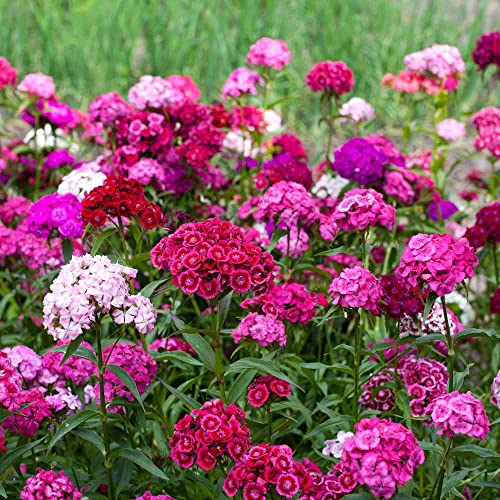
Outsidepride Sweet William Dianthus Seeds 5000 Pcs

Outsidepride Sweet William Dianthus Seeds 1/4 Lb

PLANTMEW 200,000+ Wildflower Seeds 4oz 16 Variety Perennial Mix

Geva Grow Perennial Wildflower Seeds Mix 2 oz

Seed Needs White Yarrow Seeds 2 Packs

Marde Ross & Company Russell Lupine Seeds 100 Pk
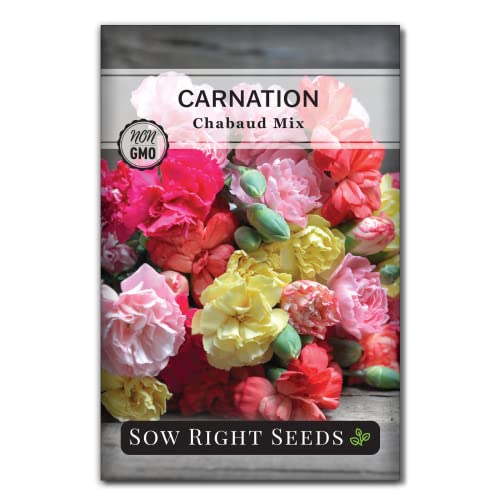
Sow Right Seeds Chabaud Mix Carnation

Seed Needs Black Hollyhock Seeds 2 Packs

Sow Right Seeds White Dutch Clover 2pk

Sow Right Seeds White Dutch Clover 4pk
More On The Choices That Made The List
Sweet William earns its reputation as a workhorse winter-sow flower for a reason. Dianthus barbatus produces clusters of clove-scented blooms on sturdy stems, and the seed count here (5,000 seeds per packet) gives you room to scatter generously across jugs without rationing. For most backyard sowers, that density translates to fuller borders and enough leftover seed for a second-year expansion if the first jug overperforms.
This dianthus handles USDA zones 3 through 9, so the same packet works for a Minnesota milk-jug setup and a milder mid-Atlantic run. It also doubles as a pollinator magnet, drawing bees and butterflies once it settles in. You may find germination is uneven compared to a hot-start annual, but that unevenness is actually the point: winter sowing is built around staggered natural timing, not synchronized indoor starts.
A Strong Showing
- 5,000 seeds per packet allow multiple jug sowings without reordering.
- Clove-fragrant blooms add sensory value to a working garden.
- Reliable in zones 3 through 9, covering most cold-winter regions.
- Blooms draw bees and butterflies once established.
- Sturdy stems suit cut-flower arrangements.
Things To Consider
- Perennial nature means first-year bloom may be modest in colder zones.
- Seed is small, so labeling each jug clearly is worth the effort.
Key Product Details
Who It Suits Best
New winter sowers who want one dependable perennial that pulls double duty as pollinator food and a fragrant cut flower.
Consider Something Else When
You need a single-jug quick flower for a child’s project, since the PLANTMEW 200,000+ Wildflower Seeds mix germinates faster for impatient observers.
Same plant, scaled for serious work. A quarter-pound of Sweet William seed dwarfs the 5,000-count option, suiting gardeners filling a half-acre meadow or running a small cut-flower business. The trade-off shows up at sowing time, since you need to broadcast carefully and thin aggressively if you oversow.
For an established gardener with a rough plan, bulk seed like this pays off. The honest read is that it can feel like overkill for a single bed, but for a community garden or farm row, it’s the right scale. You may find the seed keeps well into a second season if stored cool and dry.
Real Benefits
- Bulk volume suits meadow plantings and farm rows.
- Same zone-3-to-9 hardiness as the smaller packet.
- Pollinator value translates well to large-scale sowings.
- Cost-per-seed drops noticeably at quarter-pound scale.
Worth Noting
- Excess seed requires cool, dry storage to keep viability.
- Oversowing creates thinning labor in spring.
- Less practical for a small balcony or one-jug experiment.
Whose Shelf It Belongs On
Experienced gardeners, community plots, and small flower-farm operations stocking for a multi-jug, multi-bed run.
A Better Fit Elsewhere
Tight urban balconies are better served by the Sow Right Seeds Chabaud Mix Carnation, which is sized for a single container or two.
This is the sampler-platter option. Sixteen heirloom perennials in a single 4-ounce pack, including coneflower, black-eyed Susan, flax, and Shasta daisy, give a winter sower a balanced meadow rather than a monoculture. The mix works indoors or out, so a single bag handles jug sowing and a few container experiments at the same time.
For a sower who doesn’t want to pick individual packets, this collapses sixteen decisions into one purchase. You may find some varieties outpace others in the same jug, since germination windows vary by species. Compared to the single-variety Outsidepride options, you trade uniformity for biodiversity.
Where It Delivers
- Sixteen perennial varieties attract bees, butterflies, and birds together.
- High seed count supports several milk-jug sowings.
- Suitable for indoor and outdoor starting approaches.
- Heirloom varieties preserve open-pollinated genetics.
Trade Offs
- Variable germination rates mean uneven jug emergence.
- Some species may not be winter-sow friendly in the coldest zones.
Feature Snapshot
Right Fit For
Curious gardeners who want to try several perennials in one winter without committing to a single species.
Not Your Match When
You want a single, predictable show of color; Outsidepride Sweet William Dianthus Seeds 5000 Pcs gives that single-variety reliability.
Geva Grow pitches this as a “plant anywhere” perennial mix, and the twelve-type blend is forgiving for first-time winter sowers. The 2-ounce pack holds more than 90,000 seeds, so a jug gets a healthy sprinkle without depletion, and the “no messy packets” framing means you pour straight from the bag.
Be patient with this one. Perennials in this mix focus on root development in year one, so the bed looks like leafy filler before it looks like a flower garden. The honest read is that beginners often mistake that first quiet season for failure, when it’s really a strategy. You may find the reward arrives in the second or third spring.
Why It Works Well
- 90,000+ seeds support broad jug broadcasting.
- Twelve perennial species build long-term biodiversity.
- No-mess packaging simplifies the sowing process.
- Encourages patience, which teaches a real gardening rhythm.
Honest Caveats
- First-year blooms are limited, by design.
- 12-type mixes may include species that don’t suit your soil type.
Who Should Grab It
First-time winter sowers and patient gardeners who want a long-term, low-input meadow rather than a fast flower show.
Skip It When
You need a first-year color payoff; the Marde Ross & Company Russell Lupine Seeds deliver tall spikes sooner for visible drama.
White yarrow (Achillea millefolium) is the polite anchor plant: ferny foliage, flat-topped white bloom clusters, and a tolerance for poor, dry soil that few perennials match. Seed Needs ships it as a two-pack, so you can split sowings between jugs and a direct garden spot if the soil isn’t frozen solid.
Compared to the bolder picks earlier in this list, yarrow plays a supporting role. The two-pack format suits gardeners who want a steady white backbone for arrangements without buying bulk. Yarrow can spread once established, so a small bed or defined corner is usually a smart starting point.
Useful Highlights
- Drought-tolerant once established, a useful trait in lean beds.
- Fern-like foliage adds texture before and after bloom.
- Flat flower heads dry well for everlasting arrangements.
Possible Compromises
- Spreads via rhizome, so plan for containment.
- White-only color may feel flat next to bolder picks.
Feature Snapshot
Made For
Cottage-garden hobbyists and arrangement makers who want reliable, quiet filler in a working flower bed.
Look Elsewhere When
You want a true focal-point perennial; Marde Ross & Company Russell Lupine Seeds give the vertical drama yarrow doesn’t.
Russell lupines solve a winter-sow problem most mixes ignore: vertical scale. Marde Ross packs about 100 seeds that grow into 36 to 48-inch flower spikes loaded with pea-like purple, pink, and blue blooms. That’s a striking counterpoint to the cottage-scale Dianthus earlier on the list, and it gives a back-of-border presence without waiting for shrubs.
These seeds want fall or early-spring outdoor sowing in well-drained soil, and they sprout in 14 to 30 days under good conditions. For most backyards with sun or part shade, that’s a workable window. The honest read is that lupines dislike being moved once roots form, so jug-to-bed transplanting should happen early.
The Practical Payoff
- Tall, 36 to 48-inch flower spikes add real vertical interest.
- Color mix of purple, pink, and blue in one pack.
- Hardy in zones 3 through 9, broad coverage.
- Refrigerated storage from the seller aims for fresh seed.
Where It May Fall Short
- Lupines dislike root disturbance, so timing the transplant matters.
- 100 seeds is a smaller count than a bulk mix.
Feature Snapshot
Best Suited To
Gardeners who want a true focal-point perennial and have patience for the transplant sensitivity that comes with lupines.
Where A Sibling Pick Shines
For a low-fuss pollinator patch, the Outsidepride Sweet William Dianthus Seeds 5000 Pcs deliver a more forgiving start.
Chabaud carnations bring an old-garden palette to a winter-sow jug: reds, pinks, yellows, and oranges in a single heirloom packet (Dianthus caryophyllus). Where Sweet William behaves like a pollinator patch plant, this one leans into the cut-flower and container side of the category.
In frost-free zones, the carnation acts as a perennial; in colder zones, growers treat it as an annual. That flexibility matters for a winter sower in zone 5 who isn’t sure how the plant will overwinter. Compared to the bulkier Outsidepride options, this is a smaller, more decorative play.
Useful Touches
- Heirloom genetics preserve old-fashioned color range.
- Container-friendly for patios and small yards.
- Works as a long-lived perennial in frost-free regions.
Soft Spots
- Acts as an annual in cold-winter zones, so replanting is needed.
- Smaller seed volume than bulk wildflower options.
Perfect Match For
Patio gardeners and cut-flower hobbyists who want color variety in a single small-space sowing.
Another Choice May Suit
For a permanent pollinator border, Outsidepride Sweet William Dianthus Seeds 5000 Pcs holds up better as a multi-year perennial.
Black hollyhock is the moody outlier on this list. The blooms are deep maroon, the closest any seed-grown Alcea gets to true black, and they climb a tall stalk in a way no Dianthus or lupine match. The two-pack format gives a winter sower enough seed to populate a small fence line.
There’s a real caveat: hollyhocks are biennials, meaning year one is leafy growth, year two is the show. Sowers looking for a quick display need to plan a season ahead. The honest read is that this is a long-game plant, but for gardeners building a gothic or deep-toned palette, it’s hard to substitute.
Real-World Strengths
- Deep maroon blooms add rare dark tones to a flower bed.
- Tall stalks anchor a back fence or wall.
- Pollinator-friendly across its bloom window.
Factors To Consider
- Biennial lifecycle delays the bloom payoff by a year.
- Staking may be needed in exposed, windy sites.
- Self-seeds once established, which can crowd neighbors.
The Right Fit
Patient gardeners designing a dark, romantic border or vertical feature who can plan a season ahead.
Swap It Out When
You want first-year color in a fresh bed; the PLANTMEW 200,000+ Wildflower Seeds mix delivers faster visual results.
White Dutch clover (Trifolium repens) isn’t a showy flower, but it earns its slot in a winter-sow rotation. Sow Right Seeds packages it as a cover crop with around 1,500 seeds per packet, enough to cover an 8 by 4-foot bed. The two-pack format doubles that for a small kitchen garden.
Clover pulls double duty: it covers bare soil through the off-season and fixes nitrogen, which is the process of pulling atmospheric nitrogen into the soil through a symbiosis with root bacteria, improving bed fertility. It’s also drought-tolerant, which matters in dry winters. The trade-off is that it doesn’t deliver visual punch, so pairing it with a flowering perennial from earlier in this list makes practical sense.
Features That Help
- Winter-hardy and drought-tolerant for off-season coverage.
- Fixes nitrogen, improving soil for the next planting.
- Two packets cover multiple small garden beds.
Room For Improvement
- Low visual impact compared to flowering picks.
- Requires clearing before planting the next main crop.
Built With In Mind
Vegetable gardeners rotating winter cover into their beds who want a low-input soil builder.
Reach For A Different Pick When
You want a visible bloom; Marde Ross & Company Russell Lupine Seeds give the floral statement clover can’t.
The 4-pack version scales the clover idea for serious bed coverage. Same seed, same species, but four packets give a winter sower the volume to cover a full vegetable rotation or a large pollinator bed’s margins. The coverage math shifts from “single bed” to “small farm plot.”
For most home gardeners, this is more clover than they need in a single season, and excess seed should be stored cool and dry. The honest read is that the 2-pack is friendlier for first-timers, while the 4-pack suits established growers cycling cover through multiple beds. Compared to the flowering picks, this one stays practical rather than decorative.
The Good Stuff
- Large volume covers multiple beds or a full rotation.
- Same nitrogen-fixing, drought-tolerant traits as the 2-pack.
- Useful for prepping soil before sowing a flowering perennial mix.
Worth Bearing In Mind
- Excess seed demands cool, dry storage to stay viable.
- Overkill for a single small bed or first-time cover cropper.
Who Will Love This
Established vegetable gardeners and small-plot growers building a multi-bed cover crop rotation through winter.
Not Your Match When
You want a quick floral display, since clover is functional rather than showy. The Outsidepride Sweet William Dianthus Seeds 5000 Pcs cover the bloom side of a winter sowing plan.
Planning A Winter Sowing Run
Matching Seeds To Your Climate
USDA hardiness zones drive most winter-sowing decisions. The seeds on this list span zones 3 through 9, which covers the bulk of continental U.S. and Canadian climates, but a zone-3 sower needs to prioritize true perennials with deep winter tolerance, like Sweet William and yarrow, while a zone-8 sower can stretch into biennials and tender perennials. Soil type matters too: lupines want well-drained ground, while clover accepts heavier soils. Run a quick soil test before committing jugs to a bed.
Understanding Jug Logistics
A milk-jug winter sowing setup is a small ecosystem: drainage holes, vented lid, and four to six inches of soilless mix. Seeds germinate when the jug warms in spring, not on your schedule, so sow density should be lower than an indoor flat. The smaller packets (100-count lupine, two-pack clover) work well in a single jug, while bulk options like the Outsidepride Sweet William 1/4 Lb want several jugs or a direct-sow plot. Most gardeners over-sow their first year, then thin or transplant more thoughtfully in year two.
Realistic Bloom Timelines
First-year blooms are the exception in winter sowing, not the rule. Perennials channel energy into roots in year one, so a bed of Sweet William or yarrow looks leafy before it looks floral. Annuals and biennials behave differently: black hollyhock skips the first year entirely, while Chabaud carnation can bloom its first season in frost-free zones. Adjust your expectations, and the slower pace stops feeling like a delay.
Key Considerations Across These Picks
Common Shopping Slip Ups
The most frequent mistake is buying seed that isn’t suited to winter sowing, meaning it needs light or warmth to break dormancy. Tropical annuals and pure houseplants belong on a heat mat, not in a jug. Another pitfall is buying a single-variety pack when biodiversity would serve the bed better, or a 16-variety mix when a tight color palette is the goal. Read the species list, not just the marketing, before committing.
Where The Extra Money Goes
Bulk seed costs more upfront but drops the per-seed price fast, and bigger packs usually mean fresher stock from sellers that turn inventory. Specialty single-species seed (like Russell lupine) costs more because production is slower and demand is narrower. Higher-tier picks on this list earn their premium through reliability and germination rates, not glossy packaging. Pay for species fit, not branding.
