

Knockout roses earned their name by being almost fuss-free, but almost is the operative word. These landscape workhorses still push out wave after wave of blooms from spring through fall, and that kind of marathon flowering burns through soil nutrients faster than most gardeners expect. A dedicated rose fertilizer, applied at the right intervals, keeps new growth strong, foliage a deep healthy green, and the bloom cycles coming without the mid-summer slowdown that turns a tidy hedge into a leggy, sparse one.
The ten picks below cover a wide spread of feeding philosophies. Some double as pest control, others focus purely on root-zone nutrition, and a few are organic blends built around the natural soil biology knockout roses thrive in. Each one suits a slightly different yard, gardener, and gardening style, so a few minutes with the list now saves a season of trial and error later.
The Main Contenders

Fertilome Rose & Flower Food 14-12-11, 10 lbs

Fertilome Rose & Flower Food 14-12-11, 3.25 lbs
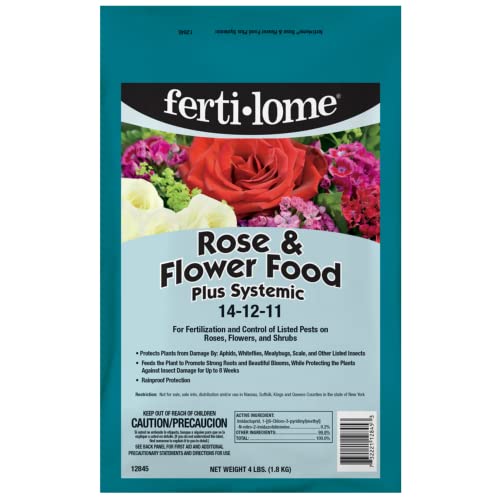
Fertilome Rose & Flower Food 14-12-11, 4 lbs

Great Big Roses Fertilizer Booster, 32 Ounce

FloraLife Fresh-Cut Flower Food 25 Packets
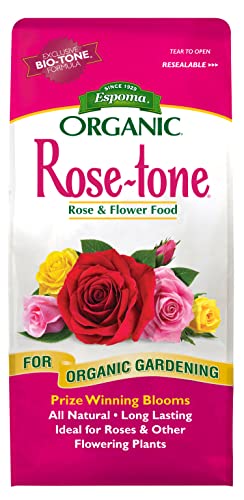
Espoma Organic Rose-Tone 4-3-2, 4 lb Pack of 2

Farmer’s Secret Rose Booster, 32 oz
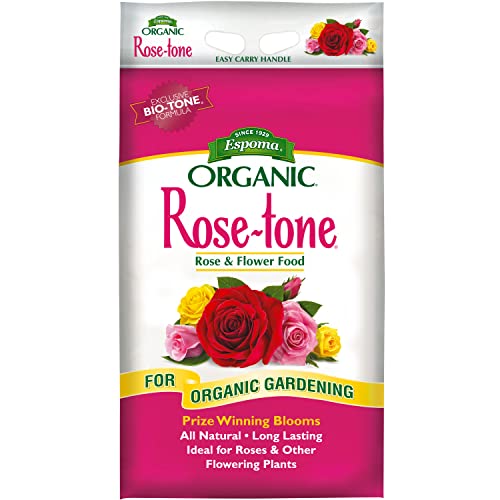
Espoma Organic Rose-Tone 4-3-2, 18 lb Bag

Texas Rose Food 10-20-5 Slow Release, 3 lbs

Schultz SPF48270 Slow-Release Bloom 3.5 lb
The Picks, Examined More Closely
A 10-pound jug of Fertilome 14-12-11 is the kind of supply that suits a long hedge of knockouts running along a fence or driveway. The 14-12-11 analysis leans slightly toward nitrogen (the first number, which fuels leaf and cane growth) with enough phosphorus and potassium (the second and third numbers, which drive roots and blooms) to keep the flower show rolling. Where it stands apart from the smaller Fertilome jugs is the 8-week feeding window, which trims your to-do list by half.
Built into the granules is a 0.2% imidacloprid content, a systemic insecticide, meaning the plant pulls it up through the roots and carries it into the leaves. Aphids and other sap-suckers stop feeding rather than dying on contact, which is the gentler mode of action most home gardeners prefer. Application is straightforward at roughly 2 ounces per rose bush, scratched into the soil around the drip line, then watered in.
Points In Its Favor
- Two-in-one feeding and pest defense in a single application
- 8-week feeding window cuts repeat trips to the garden
- 10-pound jug covers a long hedge without mid-season refills
- Balanced 14-12-11 supports foliage and flower production together
- Granular format spreads cleanly with a basic lawn spreader
Things To Consider
- Imidacloprid is a chemical insecticide, so beekeepers and pollinator-focused gardeners may want to skip systemic formulas
- 10 pounds is heavy to haul and store for a single-rose yard
Feature Card
Who It Suits Best
Garden owners with a long run of knockouts who want a single product to handle both feeding and aphid pressure across the whole season.
Consider Something Else When
You keep bees or prefer chemical-free beds, in which case the Espoma Organic Rose-Tone 4-3-2 in the 18 lb bag aligns better with pollinator-safe gardening.
Same exact formula as the heavy 10-pound jug, just packed into a 3.25-pound container that won’t dominate a garage shelf. For a small bed with two or three knockouts, this size makes far more sense than committing to a bulk bag you’ll be storing through winter. The jug is also easier to pour without spillage, which matters more than people think when you’re measuring into a spreader by flashlight at dusk.
The 8-week feeding window still applies here, so a single application covers most of the early summer stretch. Reapply at roughly 30-day intervals through the rest of the growing season to keep the bloom cycle going strong into fall. The imidacloprid component behaves identically to the larger jug, so the same bee-friendly caveat applies.
What Makes Sense
- Compact 3.25 lb jug suits 2 to 4 rose bushes
- Same 14-12-11 analysis and 8-week window as the bulk jug
- Manageable weight for one-handed pouring
Room For Improvement
- Imidacloprid rules out pollinator-first gardeners
- Smaller size costs more per pound than the 10 lb jug if you have a big hedge
Right Fit For
Suburban gardeners with a small cluster of knockouts by the front porch who want the same two-in-one convenience without buying in bulk.
A Better Fit Elsewhere
You tend a long hedge where the 10 lb Fertilome jug stretches further and costs less per application.
The 4-pound Fertilome jug is the middle child of the lineup, sized for a typical suburban bed of 4 to 6 rose bushes. Where it differs from the 3.25-pound sibling is a slight bump in capacity that lands the price per application in a comfortable middle ground, so the cost-versus-bulk math settles in your favor. The granular format still flows evenly through a hand-held spreader or a measuring cup.
Knockouts in average loam soil respond well to this 14-12-11 mix, with new canes pushing out green within a couple of weeks of the first spring feeding. The 8-week feed-and-protect window means you’re only feeding about four times across the season, which is easy to remember. Water thoroughly after spreading to activate the systemic action.
Practical Pluses
- Mid-size 4 lb jug suits a typical front-yard rose bed
- Same trusted 14-12-11 plus 0.2% imidacloprid formula
- Granules spread evenly without clumping
Worth Noting
- Still a chemical systemic, so unsuitable for pollinator-heavy landscapes
- Hand measuring can be imprecise compared to liquid feeds
Quick Facts
Built With In Mind
Suburban homeowners with a medium-sized rose bed who want one product for both feeding and aphid control.
Where A Sibling Pick Shines
You garden with just a couple of bushes, in which case the smaller 3.25 lb Fertilome jug stores more comfortably on a garage shelf.
Great Big Roses plays a different game than the other picks on this list. Rather than feeding the plant directly, the liquid booster is designed to activate nutrients already sitting in your soil, then drive them toward the root zone. The brand describes it as a complement to your existing fertilizer, not a replacement, and that framing matters when planning your feeding schedule.
For tired beds where knockouts have grown for years without soil refresh, the booster helps break the logjam of locked-away minerals. Pour it around the drip line and water it in, and the liquid formulation moves into the root zone fast. It’s also a sensible add-on if you’ve been feeding regularly but your bushes still seem stuck.
Strong Points
- Activates existing soil nutrients rather than adding more
- Liquid format reaches roots faster than granular
- Complements any base fertilizer program
Trade Offs
- Not a standalone feed, so pairing it with a base fertilizer adds cost
- 32 oz bottle runs out quickly on larger plantings
Best Suited To
Gardeners with established rose beds on worn-out soil who want to unlock existing nutrients before adding more.
Skip It When
You want a single product that handles everything on its own, since the Farmer’s Secret Rose Booster 32 oz delivers a complete feed in one bottle.
FloraLife sits in a different lane than the rest of this list. The 25-packet box is built for cut flowers in a vase, not roses in the ground. Each packet dissolves into water to feed and hydrate fresh-cut stems, slowing the wilting clock by a few extra days. For anyone who snips knockout blooms for indoor arrangements, this is a small upgrade that pays back every time you bring a bouquet inside.
The brand notes a high share of naturally derived ingredients, so the formula feels closer to a hydration and biocide blend than a chemical cocktail. Drop one packet per vase, change the water every couple of days, and your knockouts will hold their petals far longer than plain tap water would manage. Worth keeping in the kitchen drawer next to the pruning shears.
Good Reasons To Consider
- Extends vase life for cut knockout roses indoors
- 25 packets cover most of a typical cutting season
- Single-use sachets remove any measuring guesswork
Points To Note
- Not a soil fertilizer, so it does nothing for the plant in the ground
- Requires fresh water changes for best results
Perfect Match For
Home gardeners who regularly bring knockout blooms inside and want a longer-lasting vase display.
Swap It Out When
You’re trying to feed the actual plant, since the Espoma Organic Rose-Tone 4-3-2 4 lb bag handles in-ground nutrition properly.
Espoma’s Rose-Tone is the organic counterpart to the synthetic 14-12-11 Fertilome jugs, and the contrast is meaningful. A 4-3-2 NPK analysis runs much lower in nitrogen than the chemical options, but the analysis alone is misleading. The Bio-tone blend adds beneficial soil microbes and slow-release organics that build long-term soil health rather than just pushing a quick flush of green growth.
The pack-of-two 4 lb bags gives you 8 pounds of organic rose food, sized for a small-to-medium landscape. Apply around the drip line monthly through the growing season, generally May through September, then water in. There’s no mixing or measuring of liquids, so the routine stays simple even for first-time organic gardeners.
The Value In It
- Organic formula safe around kids, pets, and pollinators
- Bio-tone biology improves soil structure over time
- Two bags give 8 lb total supply at a manageable size
- No mixing required, ready to use straight from the bag
Some Limits To Know
- Lower NPK means slower visible results than synthetic blends
- Monthly application schedule is more frequent than 8-week feeds
Feature Snapshot
Made For
Chemical-free gardeners and families who want pollinator-safe feeding without sacrificing bloom performance.
Where A Different Pick Fits
You want one jug that handles both feeding and aphid defense, in which case the Fertilome 10 lb jug pulls double duty.
Farmer’s Secret is a super-concentrated liquid built around weekly feeding, which is a different cadence than the granular options on this list. The dilution rate is roughly two teaspoons per gallon of water, so a 32-ounce bottle stretches further than the size suggests. For gardeners who like the routine of weekly liquid feeding, this concentrate fits the rhythm naturally.
Because the nutrients go on dissolved in water, the bushes take them up quickly, and you may notice foliage response within a week or two. The formula was designed for all rose types, including knockouts, and supports the plant through the entire life cycle. Pour the diluted mix at the base of the plant, never on the foliage, to keep leaves clean and reduce any leaf-spot risk.
Where It Delivers
- Liquid concentrate feeds through roots within days
- Two teaspoons per gallon makes the bottle last
- Weekly schedule suits gardeners who like consistent routines
Practical Considerations
- Weekly applications take more calendar time than monthly granulars
- Mixing the dilution each week requires a dedicated watering can
Who Will Love This
Detail-oriented gardeners who enjoy a hands-on weekly feeding ritual and want fast nutrient uptake.
Look Elsewhere When
You’d rather feed once and forget for a couple of months, in which case the Espoma Organic Rose-Tone 18 lb bag fits a hands-off schedule better.
The 18-pound Espoma bag is the same trusted Rose-Tone 4-3-2 formula as the smaller 4-pound pack, scaled up for whole-landscape feeding. For gardeners with a long row of knockouts, mixed rose beds, or a community garden plot, the bulk size keeps you from running out mid-July. The Bio-tone microbes do their work slowly, building up soil biology month after month.
Apply monthly around the drip line from May through September, scratch lightly into the top inch of soil, then water thoroughly. The organic composition means no risk of root burn from over-application, which gives beginners a margin of error that synthetic feeds don’t always offer. The trade-off, as with all organics, is patience: results show over a season, not overnight.
Real Benefits
- 18 lb bag covers a large planting without mid-season refills
- Bio-tone biology supports long-term soil health
- Organic formula poses no root burn risk on accidental over-application
- Suitable for roses, viburnum, bougainvillea, and clematis
Honest Caveats
- Lower NPK means slower green-up than synthetic options
- 18 lb bag is heavy and takes up significant storage space
Key Product Details
Right Fit For
Garden owners with substantial rose plantings or community garden plots who want organic, slow-release nutrition in one bag.
Not Your Match When
You have just a few bushes, since the smaller Espoma 4 lb pack of 2 lands closer to your actual need without overflow.
Texas Rose Food leans hard into phosphorus, with a 10-20-5 analysis that puts the middle number twice as high as the nitrogen. Phosphorus is the nutrient most directly tied to flower production, so this ratio is built for gardeners chasing maximum bloom output. The slow-release formulation spreads the feeding over weeks, so you don’t get a quick flush followed by a crash.
Spread the granules around the base of each bush, work them lightly into the topsoil, and water in. The 3-pound size is well matched to a small planting, and the slow-release action means fewer repeat trips than weekly liquid feeding. For sandy or phosphorus-poor soils, the higher middle number does meaningful work that balanced 4-3-2 blends cannot match.
Useful Highlights
- 10-20-5 leans into phosphorus for heavy bloom production
- Slow-release format reduces application frequency
- 3 lb size fits a small planting without waste
Where It Is Less Suited
- Low potassium may underdeliver for overall plant vigor
- Phosphorus-heavy ratios are less useful in already-rich soils
Who Should Grab It
Show-rose growers and gardeners with phosphorus-deficient soil who want maximum flower production from each feeding.
Reach For A Different Pick When
Your soil already runs rich in phosphorus, in which case a more balanced feed like the Schultz SPF48270 3.5 lb bag covers general needs better.
Schultz’s SPF48270 closes the list with a 12-24-12 analysis that mirrors Texas Rose Food’s bloom-first philosophy, just with a touch more nitrogen and potassium in the mix. The 12-24-12 ratio supports bloom development while still feeding the canes and root system, which makes it more forgiving for newer rose growers who aren’t sure how lean or rich their soil already is. The slow-release formulation keeps nutrients available over a longer window than quick-release synthetics.
For gardeners just starting out with knockouts, the simple granular application and forgiving NPK profile remove most of the guesswork. Sprinkle around the drip line, water in, and the slow-release coating handles the rest. The 3.5-pound bag is enough for a few small bushes across a full season without excess.
The Practical Payoff
- 12-24-12 supports blooms while feeding canes and roots
- Slow-release format suits hands-off gardeners
- Forgiving ratio works in most soil types
Smaller Limitations
- Synthetic analysis means no soil-building benefit
- 3.5 lb bag runs short for larger rose collections
Whose Shelf It Belongs On
New rose gardeners who want a single, forgiving product that produces visible blooms without complicated feeding routines.
Where Another Pick Suits Better
You want organic soil building alongside feeding, since the Espoma Organic Rose-Tone 4-3-2 4 lb pack handles both at once.
Feeding Knockout Roses Well: What Actually Matters
The numbers on the front of a fertilizer bag tell only part of the story. A 14-12-11 synthetic mix pushes visible growth fast, while a 4-3-2 organic blend builds soil biology slowly over a full season. The honest read is that both approaches work, just on different timelines and through different mechanisms. Pick the philosophy that matches how you want to spend your time, not just what your neighbor uses.
NPK ratios matter more than most gardeners realize. Nitrogen, the first number, drives leaf and cane growth. Phosphorus, the middle number, fuels flower production. Potassium, the third number, supports overall plant vigor and disease resistance. Knockouts don’t need extreme numbers in any direction, so balanced or bloom-leaning ratios both work fine.
Granular versus liquid changes your routine. Granular feeds sit on the soil and break down over weeks, so a single application lasts longer. Liquid concentrates work faster but ask for weekly or biweekly attention. Match the format to how often you actually want to walk out to the garden with a watering can in hand.
Slow-release coatings earn their keep. A slow-release formula spreads nutrient availability over weeks, which means steadier feeding and lower risk of root burn. For busy gardeners, slow-release is usually worth the slight upcharge.
Systemic insecticides are a separate decision. Some rose foods include imidacloprid, a chemical absorbed by the plant that deters sap-sucking insects. Useful for aphid-heavy yards, but worth avoiding in pollinator-focused gardens.
Common Slip Ups and Where The Extra Money Goes
Pitfalls Shoppers Hit
Buying the biggest jug to save money per pound is tempting, but rose fertilizer loses potency once a bag is opened and exposed to humidity. For a small bed, a smaller jug that you finish in a season is the better value. Buying bloom-focused ratios like 10-20-5 or 12-24-12 for soil that already runs rich in phosphorus is the other common trap. A soil test before choosing keeps you from overloading one nutrient while starving another.
When Paying More Pays Off
Higher-tier rose foods earn their premium through slow-release coatings, organic certification, and added biological components like Bio-tone. The extra cost per pound buys you longer feeding windows, gentler root interaction, and long-term soil health rather than a quick flush of growth. For gardeners planning to keep their knockouts for years, the upgrade is usually worth the upcharge.
