

There’s a particular kind of joy in walking past a wall of roses and catching that first wave of perfume on the breeze, and a climbing rose trained over an arch or fence delivers it at eye level. Picking the right variety means balancing scent strength, bloom habit, cold tolerance, and how much vertical space you actually have. This roundup rounds up ten live plants and seed packets that bring real fragrance to vertical garden spots, from tidy patio containers to full fence-length installations.
An Overview Of The Picks

Heirloom Roses Parfuma Earth Angel Floribunda

Heirloom Roses Eden Climber Live Own Root
Heirloom Roses Arborose Florentina Climber

BuggyBeds Mixed Climbing Rose Vine Seeds 230pcs

BULBORIUM Red Climbing Rose Seeds 100pcs

Heirloom Roses Polka Climbing Rose Live Plant

Heirloom Roses Garden Sun Climbing Rose

Seeds Of Strength Mix Climbing Rose Seeds 100pcs
Ma Cherie Don Juan Red Climbing Rose Live Plant

Seven Sisters Climbing Rambler Rose Live Plant
The Picks, Examined More Closely
The Parfuma Earth Angel arrives as a 12 to 16 month old live plant in a one gallon container, already past the fragile seedling stage. It’s a floribunda, meaning clusters of blooms appear together rather than one bloom per stem, and it carries the “Parfuma” designation, which is the breeder’s marker for seriously fragrant varieties. If your vertical space is really just a small obelisk on a patio, this one earns its keep without overwhelming the layout.
Own-root stock (a rose grown on its own roots rather than grafted onto a different rootstock) means any cane that comes up from the base will be true to the variety, so a hard winter that kills back top growth doesn’t cost you the plant. For most patios, that’s the difference between a rose that rebounds in spring and one that sprouts a different color from below the graft.
A Favorable Mix
- Strong, classic rose perfume without the size of a full climber
- Own-root plant so winter dieback won’t revert the variety
- Continual blooming through the growing season
- Hardy in zones 5 through 9, covering most U.S. climates
Points To Note
- Floribunda form, not a true climber, so it tops out around four feet
- Container-grown, so the first season benefits from attentive watering
Spec Overview
Best Suited To
Apartment and patio gardeners who want real rose perfume without training a full vine up a wall.
Look Elsewhere When
You want a true climbing form, in which case the Heirloom Roses Eden Climber reaches much higher with the same own-root reliability.
Eden is one of those varieties that gardeners pass around by name because it earns its reputation quickly. The cupped, old-style blooms carry a light perfume and arrive in flushes, meaning distinct waves of flowers rather than a slow steady trickle. Trained along a six-foot fence, it tends to look like a watercolor within two seasons.
Like the other Heirloom Roses picks in this roundup, it ships as a one gallon, 12 to 16 month old own-root plant. That extra year of growth before shipping matters more than people expect: it skips the casualty-prone infancy stage, and the root system has had time to fill out the container.
Advantages To Know
- Romantic cupped blooms in repeat flushes through summer
- Own-root reliability through tough winters in zones 5 through 10
- Light fragrance that suits gardeners who find heavy perfume overwhelming
Trade Offs
- Lightly fragrant rather than strongly so, so it isn’t a nose-first rose
- Repeat-blooming rather than continuous, so expect rest periods between flushes
- First-year growth is moderate, so the dramatic coverage usually shows up in year two
Right Fit For
Garden makers planting a long fence run who want classic climber form without an aggressive scent load.
Reach For A Different Pick When
Strong perfume is the priority, in which case the Heirloom Roses Polka delivers a noticeably more pronounced scent in the same climbing category.
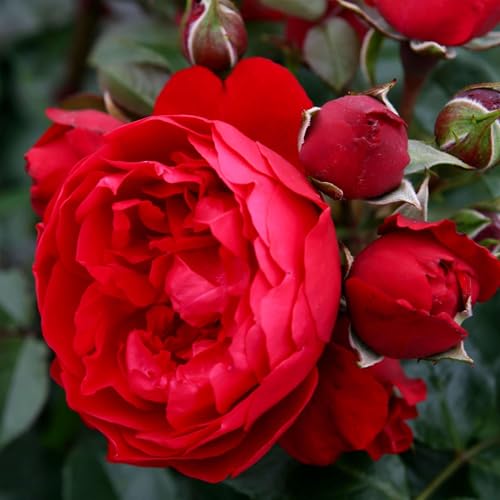
Florentina is the showpiece of the Arborose collection, bred for vivid red, many-petaled flowers on a vigorous climbing frame. The moderate fragrance is balanced by a bloom habit that keeps flowers coming all season rather than settling into predictable flushes. For gardeners who want a climbing rose that fills a tall structure with red and doesn’t quit, this is a strong match.
It carries the same one gallon, own-root, 12 to 16 month old format as the other Heirloom Roses picks, and it’s rated for hardiness zones 5 through 10. Translation: it handles colder winters than many of the showier Kordes-bred varieties, which often stop at zone 6 or 7.
Where It Excels
- Vivid red, fully double blooms on a vigorous climbing frame
- Continual blooming through the growing season rather than flushes
- Own-root plant with hardiness across zones 5 to 10
A Few Limitations
- Moderate rather than strong perfume, so scent seekers may want a partner plant
- Vigorous growth demands a sturdy support structure from the start
Feature Snapshot
Whose Shelf It Belongs On
Gardeners with a tall arbor or large fence who want a vivid red climbing rose that blooms all season.
Swap It Out When
You want a similar climbing form with stronger perfume, in which case the Heirloom Roses Polka covers that ground in the same size class.
This is a 230-seed mixed packet aimed at gardeners who’d rather start a whole vertical display from scratch than invest in a single mature plant. The “mixed” descriptor means a range of colors, which suits gardeners who like a cottage-gene look along a long stretch of fence. The source frames these as perennial climbers reaching 8 to 12 feet at maturity, which gives a sense of the scale to plan for.
Seeds are a different proposition from live own-root plants, and depending on conditions, germination rates vary widely. The tradeoff is scale for patience: a single packet costs less than most live plants but asks for more time and a steady hand with stratification, the cold-moisture period many rose seeds need before they’ll sprout.
Benefits That Matter
- 230 seeds cover a long fence or multiple trellises from a single packet
- Mixed color range for a varied display rather than one shade
- Perennial growth habit, so a successful start comes back yearly
Worth Bearing In Mind
- Seed-grown roses often take two to three seasons to bloom meaningfully
- Germination rate is variable and depends heavily on stratification technique
Built With In Mind
Patient gardeners outfitting a long fence run who want a high-volume, low-cost start.
Where Another Pick Suits Better
You want flowers this season, in which case the Ma Cherie Don Juan red climbing rose arrives ready to establish and bloom in its first year.
This is a single-color red seed packet, which makes it a better fit than a mixed pack when you want a uniform look along one structure. At 100 seeds it’s half the volume of the BuggyBeds packet, but the focus on one color means less weeding out of the seedlings that don’t match your plan.
Heirloom designation here refers to the seed lineage rather than a specific cultivar name, so expectations around flower shape and exact red tone should stay flexible. For most seed-starting setups, a heat mat set around 25 degrees Celsius and consistent misting tend to support the most reliable germination, though results vary.
The Case For It
- Single-color red for a coordinated display
- Heirloom seed lineage at a low entry cost
- 100 seeds suits a single trellis or modest fence
Some Limits To Know
- Red shade and bloom form vary since no specific cultivar is named
- Seed-to-bloom timeline runs into the second or third year for most growers
Made For
First-time seed starters who want a focused single-color trial without committing to a mixed packet.
Skip It When
You want guaranteed first-year flowers, in which case the Heirloom Roses Polka own-root climber covers that need.
Polka brings the coral-apricot tones and the strong perfume that set it apart in the climbing category. The source flags it as “very fragrant,” and that’s a meaningful step above the lightly fragrant Eden Climber covered earlier. For gardeners who specifically want their climbing rose to be the nose-first plant in the bed, this one earns the description.
It’s another 12 to 16 month old own-root plant in a one gallon container, rated for hardiness zones 5 through 10. The “apartment friendly” badge here refers more to the manageable mid-size vine than to literal indoor growing, since the plant still wants a real outdoor structure and full sun.
Well-Handled Touches
- Very fragrant blooms with a warm coral-apricot coloring
- Continual blooming habit through the season
- Own-root reliability across hardiness zones 5 to 10
Honest Caveats
- Color can shift toward pink in cooler weather, which affects display planning
- Mid-size vine, not a giant, so gardeners wanting a 15-foot wall climber may want the Arborose Florentina
Who Should Grab It
Scent-first gardeners with a medium trellis or pillar who want strong perfume in a manageable climber.
Consider Something Else When
You want a much larger climbing footprint, in which case the Heirloom Roses Arborose Florentina covers taller structures.
Garden Sun is the easygoing yellow climber of the Heirloom lineup, and the source describes its fragrance as light with repeat blooming in flushes. For gardeners new to climbing roses, the warm yellow tone reads friendly in mixed borders, and the lighter fragrance won’t fight with whatever else is planted nearby.
It shares the same one gallon, own-root, 12 to 16 month old format as the other Heirloom Roses picks in this list, so the early growth experience will be familiar to anyone who’s already grown one of them. Hardiness spans zones 5 through 10, which keeps the door open across most of the continental U.S.
The Practical Payoff
- Warm yellow blooms that complement mixed perennial borders
- Own-root plant with the same care profile as the rest of the Heirloom lineup
- Hardy across zones 5 to 10
Potential Drawbacks
- Lightly fragrant, so it isn’t the choice for a perfume-first bed
- Repeat blooming in flushes means a rest period between flower waves
Who It Suits Best
New rose growers who want a forgiving climber with friendly color and moderate maintenance needs.
Not Your Match When
Strong perfume is the top requirement, in which case the Heirloom Roses Polka delivers noticeably more scent.
This is a 100-seed mixed packet aimed at hobbyist growers who want to experiment with several colors from a single buy. The source describes the seeds as non-GMO and perennial, with germination advice that includes a hydrogen peroxide soak and cold stratification, a pretreatment that mimics winter and helps break seed dormancy. The honest read: this is a project packet, not a one-weekend activity.
For gardeners who already have a seed-starting setup and enjoy the process, a 100-seed mixed pack offers variety at modest cost. For beginners, the upfront work may be more involved than expected, and success depends heavily on consistent temperature and moisture during the stratification window.
What Stands Out
- Mixed color range for a varied display from one packet
- Non-GMO seed stock with perennial growth habit
- 100 seeds at a low cost per plant potential
Less Ideal Details
- Cold stratification required, which adds weeks to the germination timeline
- First blooms typically arrive in the second or third season
Perfect Match For
Experimental gardeners who already keep a seed-starting area and want a multi-color trial run.
A Better Fit Elsewhere
You’d rather skip stratification and start with a mature plant, in which case the Heirloom Roses Garden Sun ships ready to grow.
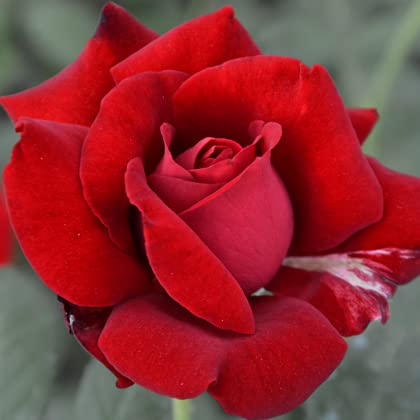
Don Juan is one of the most recognized red climbing roses in cultivation, and the source describes it as dark red, strongly fragrant, and a continuous bloomer through the season. It ships in a two quart pot, which is a step up in starting size from the one gallon Heirloom Roses picks and tends to support faster first-year establishment.
The source notes the plant is “easy to plant size” and grows “very fast to mature size,” which is the kind of language that helps gardeners set realistic expectations for the first season. For a romantic look along a fence or pergola, the deep red coloring and strong perfume make this a reliable center of attention.
What It Does Well
- Dark red blooms with strong fragrance in a climbing form
- All-season blooming habit
- Two quart pot starting size for faster first-year growth
Practical Considerations
- Climbing vigor demands a sturdy support structure from day one
- Dark red petals show weather damage more visibly than paler varieties
Who Will Love This
Romantic-garden designers who want a recognizable, strong-scented red climber with quick establishment.
Where A Sibling Pick Shines
You want a modern red climber with continual bloom and own-root reliability, in which case the Heirloom Roses Arborose Florentina covers similar ground.
Seven Sisters is a heritage rambler rose, a category defined by long, flexible canes that drape rather than climb rigidly, and it’s been a cottage-garden favorite for generations. The source specifies fragrant spring blooming with double pink flowers, and recommends USDA growing zones 6 through 9. The starter comes in a four inch pot, which is smaller than the Heirloom Roses one gallon plants, so plan for a longer establishment window.
Emerald Goddess Gardens describes their rose care approach broadly, using “own-root” and “heirloom” as general markers for tough, resilient varieties rather than strict rosarian terms. The care guidance emphasizes full sun, deep watering, and pruning only after blooms fade, which matters for spring-blooming ramblers that set next year’s flowers on old wood.
Real Benefits
- Heritage double-pink blooms with classic cottage-garden character
- Fragrant spring display on long, draping rambler canes
- Resilient variety suited to zones 6 through 9
What To Weigh
- Spring-blooming rather than all-season, so the show is concentrated in one window
- Four inch starter pot means a longer path to full establishment
- Pruning only after bloom, since old wood carries next year’s flowers
Made For
Traditional cottage-garden designers who want a heritage rambler with a strong spring show and don’t mind a once-a-year bloom pattern.
Consider Something Else When
You want blooms all season rather than one spring flush, in which case the Heirloom Roses Arborose Florentina or the Ma Cherie Don Juan both keep flowers coming.
Choosing Climbing Roses That Actually Match Your Space
The first thing to sort out is the difference between a true climber and a rambling rose. Climbers tend to have stiffer, shorter canes that you train laterally along a structure to encourage flowering side shoots. Ramblers send out long, flexible canes that drape over arbors and fences, and they typically bloom in one big spring flush rather than continuously. The Seven Sisters is a rambler; the rest of the live-plant options here are true climbers.
Match the hardiness zone to your zip code before anything else. The Heirloom Roses lineup covers zones 5 through 9 or 10, which handles most of the continental U.S. The Seven Sisters tops out at zone 9 and starts at zone 6, so colder-zone gardeners will want a different pick. Buying a rose that can’t survive your winter wastes the plant and a season of growth.
Fragrance intensity varies more than most catalogs admit. “Lightly fragrant” generally means you need to bury your nose in the bloom to catch it, while “very fragrant” and “exceptionally fragrant” descriptions from breeders like the Parfuma series typically mean the scent carries several feet in still air. The Heirloom Roses Polka and Ma Cherie Don Juan lean toward the stronger end of the spectrum in this roundup, and the Eden and Garden Sun lean lighter.
For seed-starting options, plan for stratification time and a delayed first bloom. The BuggyBeds, BULBORIUM, and Seeds Of Strength packets all require a cold-moisture pretreatment and often take two to three seasons to flower meaningfully. That’s a long wait compared to a one gallon own-root plant that may bloom in its first year, so seeds suit patient hobbyists rather than gardeners filling in a fence line quickly.
Key Considerations Across These Picks
Where Shoppers Go Wrong
The most common mistake is choosing by flower color alone and ignoring the mature size. A climbing rose advertised as “compact” may still reach eight feet, and a vigorous red climber like Don Juan can easily cover fifteen feet of fence in three seasons. Measure your structure before ordering, and remember that climbers want to be trained horizontally as much as possible to encourage flowering, not just pointed straight up.
Another pitfall is underestimating the difference between an own-root plant and a grafted one. Grafted roses can sucker from below the graft and produce entirely different flowers, which surprises gardeners who expected a tidy color display. The Heirloom Roses picks are all own-root, which sidesteps that problem but does mean the plant takes a bit longer to reach mature size.
When Paying More Pays Off
Higher-tier climbing roses in this category earn the premium through plant age, root development, and breeder reputation. A 12 to 16 month old own-root plant in a one gallon container is roughly a full year ahead of a four inch starter pot, and that head start translates into earlier blooms, stronger first-year growth, and better winter survival. For gardeners who want a fence covered in three years rather than five, the upgrade to a one gallon own-root plant is usually the smarter spend.
Frequently Asked Questions
What zone is best for fragrant climbing roses?
Most fragrant climbing roses in this roundup handle zones 5 through 9 or 10, which covers the majority of U.S. growing regions. Always confirm your specific zip code against the variety’s hardiness range before buying, since a borderline zone can mean winter dieback that costs a full season of growth.
How long does a climbing rose take to establish?
Own-root plants in one gallon containers typically establish within one to two growing seasons and often bloom the first year. Four inch starter pots and seed-grown plants take longer, usually two to three seasons before meaningful flowering.
Do climbing roses need a trellis or fence?
Yes, climbing roses need a support structure. True climbers produce stiff canes that you tie laterally to a trellis, fence, or wire system, while ramblers like Seven Sisters send out long flexible canes that drape over arbors. Without a support, most climbers will sprawl along the ground and produce fewer blooms.
How often should I water a new climbing rose?
New climbing roses need deep watering two to three times per week during their first growing season, allowing the soil to dry slightly between sessions. Once established, most roses tolerate normal rainfall with supplemental watering during dry spells.
Can fragrant climbing roses grow in containers?
Smaller varieties like the Parfuma Earth Angel floribunda handle large containers well, but full-size climbers generally struggle in pots long-term because their root systems want space. Gardeners set on containers should plan to transplant into the ground within a couple of seasons for the healthiest plants.
Closing Remarks
The right fragrant climbing rose comes down to matching your zone, your structure size, and your scent expectations. Own-root live plants give the fastest path to flowers, while seed packets offer scale and variety for patient gardeners. Start with one plant that genuinely fits the spot you have, give it full sun and a sturdy support, and the rest tends to take care of itself.
