

Fragrance is the soul of any rose garden, and choosing the right variety turns an ordinary bed into something memorable. Whether you tend a small patio, fence in a sprawling yard, or hunt for a thoughtful gift, scent should guide the choice. The picks below balance aroma strength, bloom behavior, hardiness, and care demands, so you can match a rose to your real life, not just a pretty catalog photo.
The Essentials At A Glance

Heirloom Parfuma Earth Angel Floribunda Rose
Heirloom Parfuma Summer Romance Floribunda Rose

FIACO Preserved Rose in Glass Angel Dome

Heirloom Eden Climber Climbing Rose
Heirloom Arborose Florentina Climbing Rose
Heirloom Lady in Red Climbing Rose

Heirloom Red Eden Climbing Rose

Plants for Pets True Bloom Potted Rose

FullChea Dried Rose Buds 4oz
Perfect Plants Sweet Drift Pink Rose
Taking A Closer Look At The Options
Parfuma Earth Angel is the variety gardeners describe when they say “the rose that smells like a rose should.” It is bred for fragrance first, with a strong, sweet old-rose perfume that carries well into a patio. As a floribunda (a type of rose that produces flowers in clusters rather than one per stem), it sets blooms in groups, which means more noses-on encounters per branch.
It ships as a live own-root plant in a 1-gallon pot, already 12 to 16 months old, so the root system, stems, and flowers all belong to the same variety. That matters because own-root roses tend to come back true if winter takes the canes, rather than sprouting from a different rootstock. You can expect flushes through the growing season, and in most climates the show is steady from late spring until the first hard frost.
A Strong Showing
- Strong, classic rose perfume that carries several feet, useful near a seating area or path.
- Own-root plant in 1-gallon container means a sturdy 12 to 16 month start, not a bareroot twig.
- Continual bloom habit keeps the fragrance going across the season, not just one spring peak.
- Suitable for hardiness zones 5 through 9, covering most U.S. climates.
- Floribunda clusters give you more scent per square foot than a single-stem hybrid tea.
Things To Consider
- Like most floribundas, deadheading (snipping off spent blooms) keeps the rebloom cycle on track, so plan a few minutes of trimming each week during peak season.
- Fragrance intensity varies with temperature and humidity, so cooler mornings may feel softer than warm afternoons.
Who It Suits Best
Garden makers who want scent over a long season, in a moderate climate, will get the most out of this rose.
Where Another Pick Suits Better
Gardeners in zone 4 or colder should reach for Heirloom Lady in Red Climbing Rose instead, since it tolerates harsher winters.
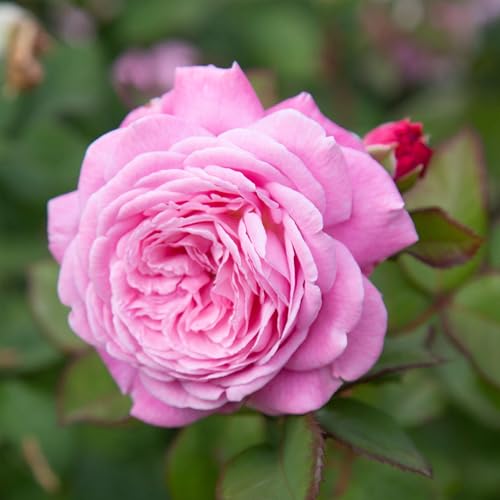
Summer Romance is the warm-weather twin to Earth Angel, bred in the same Parfuma line for strong perfume and dependable rebloom. It is a floribunda with full, romantic blooms and a fragrance that leans fruity-sweet rather than purely old-rose. For many growers, that softer note reads as more “summer garden” than “grandmother’s powder room.”
You get the same package as its sibling: a 1-gallon own-root plant, 12 to 16 months old, ready to settle into a prepared bed. It blooms continually rather than in big flushes, so the plant rarely looks bare in season. That steady performance makes it a strong choice for anyone who wants fragrance without the boom-and-bust rhythm of once-blooming heirlooms.
A Few Strong Suits
- Fruity, sweet scent profile offers a different tone than Earth Angel’s classic rose perfume.
- Continual blooming keeps color and fragrance present across the whole growing season.
- Own-root plant in 1-gallon pot, so it establishes faster than smaller bareroot options.
- Hardy in zones 5 through 9, a wide band for most U.S. gardeners.
Worth Noting
- Continual bloomers spend energy, so a light spring feeding and midsummer boost helps maintain flower size.
- Color reads differently in different light, so what you see at the nursery may shift at home.
Made For
Garden makers who want ongoing bloom and a softer, modern fruit-leaning scent rather than the classic damask profile.
Consider Something Else When
If a vertical element matters more than a shrub, the Heirloom Eden Climber is a better match for a trellis or arbor.
FIACO’s preserved rose is a different kind of fragrant rose entirely: a real bloom that has been treated to hold its color and form for years, sealed under a glass angel dome. The piece skips soil, water, and sunlight in favor of a permanent display. It belongs in the gift category as much as the garden category, and for many households that is the point.
Preserved flowers are not a substitute for the living fragrance of a garden rose, but they do solve a specific problem. Someone without a yard, without a green thumb, or without time to tend a plant can still enjoy a rose on a desk or shelf. The angel dome shape also nods to memorial or sympathy gifting, where a lasting display carries more weight than cut flowers that fade in a week.
Useful Touches
- Zero maintenance: no watering, no sunlight, no pruning.
- Long display life compared to cut roses, which usually fade in seven to ten days.
- Glass dome protects the bloom from dust and curious pets.
- Compact enough for a desk, side table, or mantel.
Room For Improvement
- Preserved roses carry little to no scent, so this is a visual piece, not an aromatic one.
- The dome and figurine shape may not match every décor style, particularly minimalist or modern rooms.
- Direct sunlight can fade the dye over time, so placement matters for long-term color.
Best Suited To
Anyone shopping for a keepsake rose gift for a person who does not garden but loves flowers.
Look Elsewhere When
You want real perfume in the air. The Heirloom Parfuma Earth Angel delivers genuine garden scent in a way no preserved bloom can.
Eden Climber is the variety you picture when you imagine a rose-covered cottage arbor. The blooms are large, cupped, and packed with petals in soft, romantic tones. Fragrance here is described as lightly present rather than overwhelming, so the visual drama leads, and the scent plays a supporting role.
It is a repeat bloomer, which means it flowers in flushes across the season with rest periods between. As a climber, it wants a structure to grow on: a trellis, arbor, fence, or wall with support. Plan space accordingly, because a happy Eden can reach well overhead within a few seasons. It ships in the same 1-gallon own-root format as the rest of the Heirloom climbing line.
What Earns Its Place
- Old-world cupped bloom shape with high petal count, the look most gardeners picture when they say “romantic rose.”
- Repeat bloom across the season, so the show is not limited to one spring moment.
- Own-root plant that regrows true if winter dieback occurs.
- Hardy in zones 5 through 10, a wide range for a climbing rose.
Points To Note
- Fragrance is lighter than the Parfuma series, so this is a visual climber first, a scented one second.
- Climbers need tying and training during the first two seasons, which is more hands-on than a shrub rose.
- Spent bloom cleanup takes longer on a tall plant, depending on your ladder comfort.
Who Should Grab It
Garden makers with a trellis, arbor, or wall to fill, who want classic shape over knockout perfume.
A Better Fit Elsewhere
For stronger scent on a climber, the Heirloom Red Eden Climbing Rose delivers a more pronounced perfume.
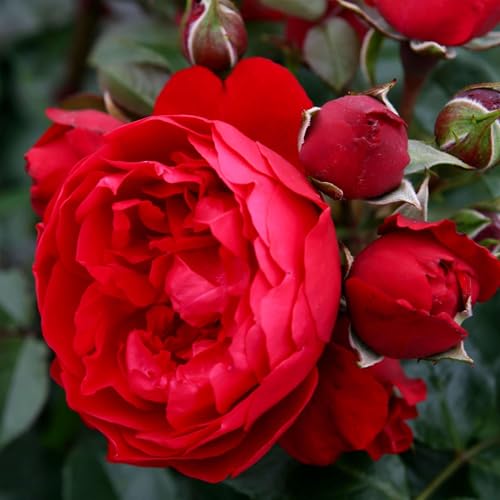
Arborose Florentina is a workhorse climber bred for vigor, disease resistance, and steady bloom. Compared to Eden Climber, this one trades some old-world romance for more reliable performance in tough conditions. Fragrance is moderate, present without dominating, which is often the right balance for a plant that is going to grow large.
It flowers continually rather than in distinct flushes, so the wall or fence it covers tends to look dressed all season. The 1-gallon own-root start gives you a head start over a bareroot mail-order option, though climbers of any kind still need two to three years to fill in a structure. Hardiness covers zones 5 through 10, so most of the continental U.S. is fair game.
Everyday Wins
- Continual bloom habit keeps flowers coming without long rest periods between flushes.
- Strong disease resistance makes it a forgiving climber for newer gardeners.
- Own-root 1-gallon plant, established enough to train in its first season.
- Hardy in zones 5 to 10, a wide range for varied climates.
Honest Caveats
- Fragrance is moderate, so scent seekers may want to layer it with a more perfumed rose nearby.
- Climbers need structural support and annual tying, which is more setup than a shrub.
The Right Fit
Newer gardeners who want a forgiving climber that fills a vertical space without constant intervention.
Swap It Out When
Fragrance matters more than disease resistance. The Heirloom Parfuma Summer Romance brings a stronger perfume to a shrub form.
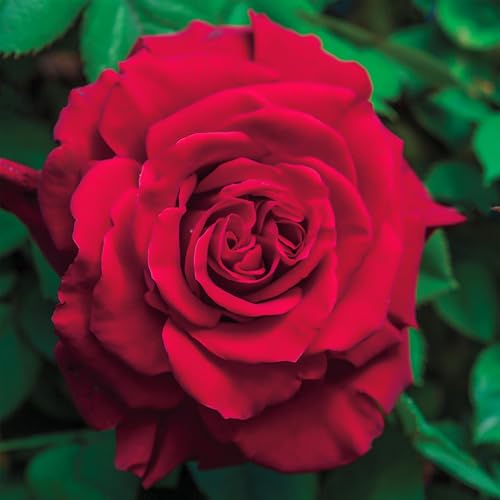
Lady in Red earns its name with deep red blooms on a vigorous climbing frame, but the more interesting story for cold-climate gardeners is the hardiness. It tolerates zone 4 winters, a step beyond most climbing roses, which often stop at zone 5. If you have lost climbers to a rough winter, that extra zone of tolerance can matter.
Fragrance here is lightly present, a polite note rather than a room-filler. It is a repeat bloomer, so the show comes in flushes across the season. Like other Heirloom climbers, it ships as a 1-gallon own-root plant, which means a stronger start and the security of regrowth from the true variety if the top dies back during a hard winter.
Standout Benefits
- Cold tolerance down to zone 4, unusual for a climbing rose.
- Own-root format means reliable regrowth from the same variety after winter dieback.
- Repeat bloom across the season in distinct flushes.
- Rich red color holds well in sunlight, according to commonly reported observations.
Practical Considerations
- Fragrance is light, so this is a color and structure choice first, a scent choice second.
- Climbers still need support structure and tying, more setup than a shrub.
- Hardiness helps, but late spring frosts can still damage new growth, so mulch matters.
Perfect Match For
Garden makers in northern climates who want a red climber that survives winters most roses cannot.
Skip It When
Strong scent is the goal. The Heirloom Red Eden Climbing Rose is a better choice for fragrance on a trellis.
Red Eden is the climber to pick when fragrance is non-negotiable. The plant produces very fragrant, old-fashioned, cupped blooms in a rich red, and the perfume carries further than most climbers manage. Think of it as Eden Climber’s louder sibling: same romantic shape, more voice.
It blooms continually, so the show is steady rather than peak-and-pause. The trade-off is hardiness, with a starting zone of 6 rather than the 4 or 5 of some siblings. For gardeners in the south, mid-Atlantic, or Pacific Coast, that is not a problem. For colder zones, it may push the limits of what a climbing rose can handle. It still ships as a 1-gallon own-root plant in line with the rest of the Heirloom climbing series.
Key Advantages
- Very fragrant blooms, unusual strength for a climbing rose.
- Continual bloom habit keeps the wall or arbor dressed across the season.
- Own-root 1-gallon start, with regrowth from the true variety if canes die back.
- Romantic cupped bloom shape adds visual interest beyond the color.
Worth Bearing In Mind
- Hardiness starts at zone 6, so northern gardeners may lose it in a hard winter.
- Climbing habit requires support, tying, and patience during establishment.
- Strong fragrance can attract more pollinators, which is usually a plus but worth knowing.
Who Will Love This
Garden makers in zones 6 to 10 who want a strongly perfumed red climber for a prominent vertical feature.
Another Choice May Suit
Cold-climate gardeners should reach for Heirloom Lady in Red Climbing Rose instead, which tolerates zone 4.
Plants for Pets offers a live potted rose in a few color options, including orange-red, pink, red, and pink-yellow. The True Bloom series focuses on clean double flowers with 25 or more petals per bloom, giving a fuller look than simpler single-petal varieties. Because it ships in a plant pot rather than a bareroot bundle, you skip the bare-root transition period.
Fragrance intensity is not the headline here. The draw is color choice and a tidy potted presentation, which works well as a gift or as a starter plant for a patio. If your priority is filling a specific color slot in a bed or border, having the option to pick a tone at checkout is genuinely useful, and a potted start is more forgiving than a bareroot transplant for newer gardeners.
What Makes Sense
- Color options at checkout let you match a specific garden palette.
- Potted start skips the bare-root establishment hurdle.
- Double flowers with 25 or more petals per bloom for a fuller look.
- Compact enough for patio containers or small garden beds.
Possible Compromises
- Fragrance is not the focus, so scent seekers should look at the Parfuma series instead.
- Potted roses need repotting or transplanting within a season or two to keep thriving.
Built With In Mind
Garden makers who want a specific bloom color and a low-commitment potted start, especially as a gift plant.
Reach For A Different Pick When
You care more about scent than color. The Heirloom Parfuma Summer Romance Floribunda Rose is the stronger fragrance pick.
FullChea’s dried rose buds are food-grade petals intended for tea, baking, and confectionery work. They are young buds dried at low temperature to hold scent and color, so a small amount goes a long way in a teapot or a sugar bowl. The 4-ounce pouch covers plenty of home kitchen use without turning into a bulk supply.
This is the only pick in the roundup that is not a living plant or display piece, and that is the point. If your rose interest runs through the kitchen rather than the garden, dried buds give you a controlled, year-round way to bring floral flavor into recipes and drinks. Available in multiple pack sizes, the format suits both casual tea drinkers and more frequent bakers.
Features That Help
- Food-grade dried buds, suitable for tea, baking, and dessert garnish.
- Low-temperature drying helps retain both color and aroma in the petals.
- Available in multiple pack sizes, so you can match supply to use.
- Long shelf life compared to fresh petals, no wilting or browning in the fridge.
Details To Watch
- Dried buds do not deliver the visual drama of a living plant, so this is a kitchen-pantry pick, not a garden one.
- Like any dried botanical, the buds need a sealed container away from light to keep their color and aroma over time.
Whose Shelf It Belongs On
Home cooks and tea drinkers who want a culinary, food-safe way to bring rose flavor into their pantry.
Where A Sibling Pick Shines
For a real garden rose with fragrance, the Heirloom Parfuma Earth Angel is the natural upgrade.
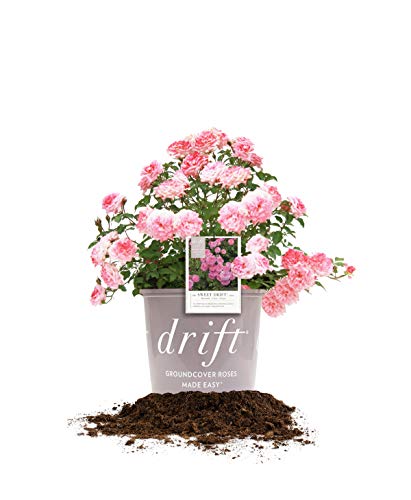
Sweet Drift is a low-growing landscape rose, not a shrub in the traditional sense. Mature plants reach 1 to 2 feet tall and spread 2 to 3 feet wide, so it behaves more like a flowering ground cover than a focal-point bush. The baby-pink blooms arrive across 8 to 9 months of the year in mild climates, and the dark green foliage stays tidy underneath.
It is a strong pick for walkways, mailbox plantings, and the front of borders, where a tall rose would look out of scale. Plant them roughly 3 feet apart and they knit together into a low, even hedge of color. The 1-gallon pot ships with a starter packet of plant food, which is helpful for gardeners setting up a new bed.
Where It Delivers
- Low, spreading habit at 1 to 2 feet tall suits walkways and border fronts.
- Long bloom window, 8 to 9 months in mild climates.
- Ships with plant food to support early establishment.
- Even coverage when planted 3 feet apart, ideal for mass planting.
Less Ideal Details
- Does not ship to CA or AZ, which limits availability in some western states.
- Fragrance is light, so it is a landscape color plant rather than a scent plant.
The Right Fit
Homeowners wanting a low-maintenance pink carpet along a path, driveway, or patio edge.
Not Your Match When
Scent is the priority. The Heirloom Parfuma Earth Angel gives you far stronger perfume in a shrub form.
What Matters Most When Choosing A Fragrant Rose
Scent strength is the obvious starting point, but the label alone is not enough. Roses are described as lightly, moderately, very, or exceptionally fragrant, and those terms vary by source. Treat them as a relative scale within a single brand’s catalog, not a hard rule across growers.
Bloom rhythm is the next decision. Once-blooming roses give a single dramatic show. Repeat bloomers flush several times. Continual bloomers keep going all season at a steadier pace. If you want fragrance across the whole summer, continual or repeat is the better match. If you want one big moment in June, a once-bloomer is fine.
Form matters more than people expect. A shrub stays self-supporting. A climber needs a trellis, arbor, or wall, plus tying and patience for two to three seasons. A ground cover like Sweet Drift stays low and spreads wide. Pick the form your space can actually host, not the one that looks best in a catalog.
Hardiness is the silent filter. Most Heirloom picks here cover zones 5 through 9 or 10. Lady in Red extends down to zone 4. Red Eden starts at zone 6. If you are in a colder zone, always check the lower bound before you fall in love with a bloom photo.
Finally, own-root versus grafted. Own-root roses like these Heirloom picks grow from the same variety throughout, so winter dieback tends to regrow true. Grafted roses can send up rootstock suckers if the top dies. For beginners, own-root is the more forgiving option.
Navigating Common Decisions In The Fragrant Rose Category
Where Shoppers Go Wrong
The most common mistake is buying for the photo. Big, blowsy blooms in a catalog often belong to roses with light fragrance, while the most perfumed varieties can look more modest. If scent is your goal, read the fragrance description carefully and choose the description, not the picture.
Another slip is ignoring your hardiness zone. A rose that needs zone 7 will not survive a zone 5 winter no matter how much you mulch. Match the plant to your zone, not the zone you wish you had.
A third trap is underestimating form. Climbers bought for a small bed take over quickly. Ground covers planted as a focal point look awkward. Picture the mature size in your actual space before checkout.
What The Higher Tier Buys
In roses, the upgrade usually pays off in two areas: fragrance strength and disease resistance. A premium own-root plant in a 1-gallon pot is older, better established, and ready to bloom sooner than a smaller bareroot option. That head start matters most in short growing seasons.
A higher-tier pick also tends to come with a clearer fragrance profile. Mass-market roses are bred for shipping and shelf life. Specialty varieties are bred for scent and form. The price difference, when there is one, mostly buys you a plant that smells like a rose is supposed to smell, and a stronger root system to back it up.
Frequently Asked Questions
How long does a live rose plant take to bloom after planting?
Own-root roses in 1-gallon pots usually bloom in their first season, though the show grows stronger in the second and third years as the plant matures.
Do fragrant roses need more sun than other roses?
Most roses, fragrant or not, want at least six hours of direct sun for the best bloom count and strongest scent. Less sun usually means fewer flowers and weaker fragrance.
Can fragrant roses grow in containers?
Yes, especially compact floribundas and ground-cover types. Climbers can grow in large containers but need more frequent watering and a sturdy support.
What does “own root” mean for a rose?
An own-root rose is grown from a cutting of the parent plant, so the entire plant is the same variety. If the top dies back in winter, new growth comes from the same rose, not a different rootstock.
How do I keep my roses blooming longer?
Deadhead spent blooms, water at the base rather than overhead, and feed lightly during the growing season. Continual bloomers respond especially well to regular deadheading.
Wrap Up
A fragrant rose is one of the few garden choices that pays you back every time you step outside. The right variety depends on your climate, your space, and whether you want a shrub, climber, ground cover, or kitchen pantry pick. Match the plant to your zone and your form, then choose the strongest fragrance level you can. Your nose will know the difference.
