

Spring soil prep looks simple until you face a packed plot with last year’s roots still tangled through it. Front tine tillers earn their keep in exactly that moment, slicing forward under the engine’s weight so you can break new ground or refresh an established bed without renting a heavy machine. The picks below cover the gas-powered workhorses for serious plots, the lighter 2-in-1 designs for mixed seasonal work, and the cordless and corded electric options for smaller yards, raised beds, and anyone who would rather skip the gas can.
The Lineup, Simplified

Earthquake 20015 Versa 2-in-1 Tiller Cultivator (99cc Viper)

TAZZ 35310 2-in-1 Front Tine Tiller (79cc Viper)

TaskStar 12-Inch 40V Cordless Tiller Cultivator (2x 5.0Ah)

Earthquake Victory Rear Tine Tiller (209cc Viper)

VEVOR 43CC 2-Stroke Gas Tiller Cultivator

Earthquake MC43 43cc 2-Cycle Cultivator
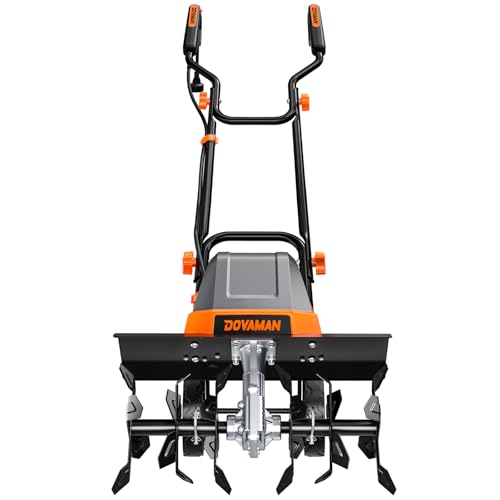
DOVAMAN 18-Inch 15-Amp Corded Electric Tiller

DEGGE 21V Cordless Tiller Cultivator (2x 3.0Ah)
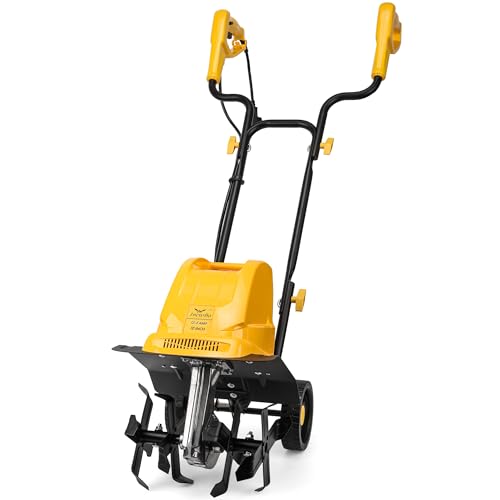
IncwBo 12-Inch 13.5-Amp Corded Tiller Cultivator

MiaEpic 21V Cordless Tiller Cultivator (2x 4.0Ah, 48 Tines)
Inside Each Recommended Option
Front tine tillers live or die by their ability to switch between rough spring ground-breaking and gentle mid-summer weeding, and the Earthquake 20015 Versa is built around exactly that pivot. The 99cc 4-cycle Viper engine, a four-stroke design that runs on regular gas without an oil mix, gives it enough punch to chew into compacted soil without forcing you to wrestle a heavier rear-tine machine. The removable side shields and outer tines let you trim the working width down when you’re threading between established rows.
Compared to the cordless and lighter 2-stroke options later in this list, the Versa sits in the comfortable middle: more power than an electric cultivator, less bulk than a dedicated ground-breaker. For most home gardeners with a mid-size plot and varied seasonal work, the 2-in-1 framing is the honest answer to “do I need two machines?”
The Good Stuff
- 99cc 4-cycle Viper engine delivers real tilling power without an oil-gas mix.
- Removable outer tines and side shields adjust the working width to row size.
- 2-in-1 design covers both initial ground prep and mid-season cultivation.
- Front tine layout keeps the machine lighter and easier to turn at the end of a row.
- 4-cycle engines typically start easier in cool spring weather than comparable 2-strokes.
Things To Consider
- Heavier than the cordless picks below, which may matter for smaller framed gardeners.
- Gas and oil changes still part of the ownership routine, unlike battery-powered options.
Who It Suits Best
Home gardeners tackling a mid-size plot who want one machine to handle both spring tilling and summer weeding without renting or storing a second tool.
Look Elsewhere When
You’d rather skip gas and oil entirely, in which case the TaskStar 12-Inch 40V Cordless Tiller Cultivator is the lighter, quieter alternative for raised beds.
The TAZZ 35310 leans hard into durability where it counts: a 79cc 4-cycle Viper engine paired with a bronze gear drive transmission and forged steel tines. Forged steel tines resist bending and chipping far better than stamped alternatives, and a bronze gear drive (a metal-on-metal transmission with excellent wear resistance) handles torque spikes when the tines hit a root. The 2-in-1 framing mirrors the Earthquake Versa, but the build priorities skew toward long-term ownership.
Sitting just below the Earthquake 20015 Versa in engine displacement, the TAZZ trades a little raw power for a sturdier drivetrain. Gardeners who till the same plots year after year and don’t want to baby a machine tend to gravitate toward this spec profile.
A Strong Showing
- Bronze gear drive transmission built for season-after-season torque loads.
- Forged steel tines hold up better to rocks and roots than stamped alternatives.
- 79cc 4-cycle Viper engine balances power and weight for front tine work.
- 2-in-1 design supports both spring tilling and mid-season cultivation.
Worth Noting
- Smaller engine than the Earthquake 20015 Versa, so it slows in very hard clay.
- Toolless tine changes are convenient, but the bronze gear drive still benefits from occasional inspection.
Made For
Gardeners who till established plots every season and want a transmission that takes the abuse without complaint.
Consider Something Else When
You’re breaking truly raw, compacted ground for the first time, where the Earthquake Victory Rear Tine Tiller’s counter-rotating tines and 209cc engine make short work of tough soil.
The TaskStar 12-Inch swaps the gas can for a pair of 5.0Ah batteries, which is the most practical way to escape the cord on a small electric tiller. You get a 12-inch tilling width and an 8-inch depth, well matched to raised beds, flower borders, and the kind of kitchen-garden plots where a 79cc gas engine would be overkill. The adjustable wheels let you set the working depth without dragging the whole machine.
Where the Earthquake 20015 Versa and TAZZ 35310 dominate raw soil, this one earns its place in the shed for anyone working established beds who wants to step in, drop a battery, and start. The honest trade-off is runtime: dual batteries stretch it, but a full afternoon of unbroken tilling still isn’t this machine’s strong suit.
Noteworthy Benefits
- 40V cordless platform with two 5.0Ah batteries extends working sessions in the bed.
- 12-inch width fits easily between typical raised bed boards.
- 8-inch tilling depth handles most vegetable garden prep without struggle.
- Adjustable wheels let you dial in depth and roll the unit where it needs to go.
- No gas, no oil, no pull-cord, and meaningfully quieter than any gas tiller on this list.
Trade Offs
- Battery runtime falls off in hard, dry, or rocky soil, so larger plots may need charging breaks.
- Less aggressive than the gas front tine options above for first-time ground breaking.
Right Fit For
Raised bed and small-plot gardeners who want a quiet, gas-free tool and already appreciate the convenience of a battery platform.
Reach For A Different Pick When
You have a larger yard without easy outlet access, where the DOVAMAN 18-Inch 15-Amp Corded Electric Tiller offers wider corded coverage in one pass.
The Earthquake Victory Rear Tine Tiller sits on the other end of the tiller world from the cordless picks in this list. The 209cc 4-cycle Viper engine, cast-iron transmission housing, and rear-mounted counter-rotating tines (tines that spin opposite to the wheels, so they actively pull the machine into the ground) all point at one job: turning raw, never-tilled soil into workable ground. Pneumatic wheels and instant reverse make that power manageable instead of intimidating.
It’s a rear tine design, so it strays from the strict front tine category, but it earns its place here because some shoppers comparing front tine tillers ultimately need more machine. Where the Earthquake 20015 Versa and TAZZ 35310 work best in already-broken ground, the Victory chews into sod and packed clay on first pass.
What Pays Off
- 209cc 4-cycle Viper engine delivers the muscle for first-pass ground breaking.
- Counter-rotating tines actively pull the machine into hard soil, reducing operator effort.
- Bronze gear transmission is engineered for heavy seasonal loads.
- Instant reverse saves time (and your back) at the end of every row.
- Pneumatic wheels handle uneven ground far better than hard plastic alternatives.
Points To Note
- Heavier and pricier than typical front tine picks, so it’s overkill for established beds.
- Larger footprint means more shed space and a tighter fit through garden gates.
Best Suited To
Property owners with raw ground to break, food plots to establish, or large garden sections that have gone wild and need real tilling power.
Not Your Match When
You only need a nimble cultivator for weeding and aerating an existing bed, where the lighter Earthquake MC43 43cc 2-Cycle Cultivator handles the same job without the bulk.
The VEVOR 43CC 2-Stroke is the entry point that still feels like a real tiller. A 2-stroke engine (a simpler combustion design that runs on a gas-oil mix) keeps the unit light and the maintenance routine straightforward, while four adjustable steel front tines let you set the working width to your rows. It maxes out around 11.8 inches wide and just under 4 inches deep, modest by gas-tiller standards but plenty for a small kitchen garden.
Step up from the cordless picks, and you trade quiet for genuine cord-free power. Step down from the Earthquake 20015 Versa, and you give up the 4-cycle convenience but save weight and complexity. For tight budgets and small plots, the trade math works out.
Useful Strengths
- Lightweight gas tiller that’s easier to lift and store than 4-cycle options.
- Four adjustable steel front tines let you match width to row spacing.
- 2-stroke design is mechanically simple and widely supported with common replacement parts.
Honest Caveats
- 2-stroke engines require pre-mixed gas and oil, a step most 4-cycle gardeners dislike.
- Working depth tops out around 4 inches, which may disappoint in deep-bed prep.
- Smaller engine struggles in heavy clay compared to the 79cc and 99cc options above.
Who Should Grab It
Budget-focused gardeners with a small plot, a shed with limited space, and no interest in juggling gas cans for a 4-cycle machine.
Skip It When
You’d rather mix fuel once and forget about it, in which case the TAZZ 35310 2-in-1 Front Tine Tiller offers a 4-cycle engine and bronze gear drive at the next step up.
The Earthquake MC43 isn’t a ground-breaker; it’s a cultivator, and it knows it. The 43cc 2-cycle Viper engine is small, but the overhand handlebars and adjustable 6-10 inch tilling width let you weave around existing plants without shredding them. The 8-inch maximum depth handles mid-season weeding and aerating more than it handles sod.
For gardeners whose main task is keeping an established bed loose and weed-free, this fills a niche the heavier 4-cycle picks in this list can’t touch. It weighs less, costs less to feed, and stores in a tighter corner of the garage.
Good Reasons To Consider
- Lightweight design is comfortable for gardeners who don’t want a heavy machine.
- 6-10 inch adjustable width threads cleanly between established plants.
- Overhand handlebars support both forward and backward operation for tight spots.
- 8-inch max depth is well matched to mid-season weeding and aeration.
A Few Limitations
- 2-cycle engine still demands mixed gas and oil, like the VEVOR 43CC 2-Stroke above.
- Not suited for breaking new ground or working with thick, matted roots.
Perfect Match For
Gardeners with established beds who want a nimble, lightweight tool for routine weeding and aeration across the growing season.
A Better Fit Elsewhere
You need to break ground for the first time, in which case the Earthquake Victory Rear Tine Tiller’s counter-rotating tines are purpose-built for raw soil work.
The DOVAMAN 18-Inch trades battery swaps for a longer extension cord, but in return you get an 18-inch tilling width and a 15-amp motor that doesn’t fade mid-row. The 380 RPM tine speed (revolutions per minute, a useful proxy for how aggressively the tines bite into soil) is calibrated for smooth, steady soil cultivation rather than aggressive sod busting, which makes it well suited to vegetable gardens and flower beds that have been turned before.
Compared to the TaskStar 12-Inch Cordless, the DOVAMAN trades portability for width and steady power. For gardeners with a yard that extends from a patio outlet, that trade usually feels worthwhile.
Standout Benefits
- 18-inch tilling width covers more ground per pass than most electric cultivators.
- 15-amp motor delivers consistent power for the full duration of an outlet’s reach.
- Up to 9-inch tilling depth handles typical vegetable bed prep with room to spare.
- Corded design means no battery degradation concerns years down the line.
Points To Keep In Mind
- Requires a heavy-duty outdoor extension cord, and cord management is part of the job.
- Less portable than the cordless TaskStar 12-Inch option above.
Built With In Mind
Gardeners with mid-size yards, an accessible outdoor outlet, and a preference for steady corded power over battery swaps.
Swap It Out When
Your garden is far from any outlet, in which case the TaskStar 12-Inch 40V Cordless Tiller Cultivator trades width for genuine cord-free reach.
The DEGGE 21V is the easiest entry point on this list. Two 3.0Ah batteries, no-tool assembly, and a 21V platform that doesn’t intimidate first-time users. The lightweight build matters more than peak power: this is the tiller for someone who wants to handle a small flower bed or a row of herbs without hauling out a heavier machine.
It’s clearly a step below the TaskStar 12-Inch 40V in both voltage and reach, but for a beginner, that gap is the feature. The lower output means less to learn, less to fear, and less weight to manage during the first season.
Notable Upsides
- Lightweight, approachable build suits beginners and less strong gardeners.
- No-tool assembly means you’re tilling within minutes of opening the box.
- Dual 3.0Ah batteries extend the working window for typical small-bed use.
- Cordless, gas-free, and quiet enough for early morning weekend work.
Trade-Offs To Consider
- 21V platform is meaningfully less powerful than the 40V TaskStar option.
- Best suited to loose, well-tended soil rather than compacted or weedy ground.
Whose Shelf It Belongs On
New gardeners, casual weekenders, and anyone who wants a low-effort tool for small established beds without the gas learning curve.
Where Another Pick Suits Better
You have a deeper, more demanding raised bed setup, in which case the TaskStar 12-Inch 40V Cordless Tiller Cultivator offers more voltage, more width, and more depth in the same cordless format.
The IncwBo 12-Inch keeps things simple. A 13.5-amp corded motor, four-by-four steel tines, a metal baffle, and a 12-inch tilling width that fits through standard garden gates and between tight bed rows. The push-button start (instead of a pull cord) is a small detail that makes a real difference if you’ve ever wrestled a stubborn engine in cold spring air.
Among the corded options on this list, it slots in below the DOVAMAN 18-Inch in raw width but matches it in approachability. For a narrow side yard or a tight city garden, the smaller footprint is the smarter fit.
Practical Pluses
- 12-inch tilling width is ideal for narrow beds and tight turning areas.
- 13.5-amp motor delivers consistent corded power for the full working session.
- Push-button start skips the pull-cord hassle in cool weather.
- Metal baffle helps control soil throw for cleaner work around established plants.
Some Limits To Know
- Narrower working width than the DOVAMAN 18-Inch, so larger plots take more passes.
- Corded reach is limited, like every other electric option in this list.
Right Fit For
Gardeners with smaller city lots, narrow side beds, or tight corner plots where a 12-inch cut makes more sense than 18.
Another Choice May Suit
You have a wide-open yard where an 18-inch corded pass would save real time, where the DOVAMAN 18-Inch 15-Amp Corded Electric Tiller makes the better case.
The MiaEpic 21V Cordless closes out the list with a 48-tine design and a 360 RPM motor, which is a noticeably higher tine count than the typical four-tine cultivator layout. More tines spread the load across a wider cutting area and tend to leave a finer, more even soil finish. The 9-inch tilling width and 7-inch depth are typical of the category, and the two 4.0Ah batteries give you real working time before a swap.
Compared to the DEGGE 21V earlier, the MiaEpic trades some battery capacity per pack for a much higher tine count. For gardeners who care about the finish of their bed, that swap is the more interesting one.
Where It Delivers
- 48 steel tines deliver a finer, more even soil finish than typical 4-tine cultivators.
- 360 RPM motor balances speed and torque for routine bed cultivation.
- 9-inch tilling width and 7-inch depth suit most raised bed and lawn prep tasks.
- Dual 4.0Ah batteries extend runtime over the smaller-pack options.
Worth Bearing In Mind
- 21V platform still trails the 40V TaskStar in raw tilling authority.
- 48-tine design may be more complex to clean around than a simpler 4-tine setup.
Who Will Love This
Gardeners with multiple raised beds or mixed lawn prep tasks who want a cordless tool that leaves a clean, finished soil surface.
Look Elsewhere When
Raw ground breaking is on the menu, where the Earthquake Victory Rear Tine Tiller’s 209cc engine and counter-rotating tines belong in a different category entirely.
What To Weigh Before Picking Your Front Tine Tiller
Engine class sets the personality of any tiller, so start there. Four-cycle engines (like the Earthquake 20015 Versa, TAZZ 35310, and Earthquake Victory) run on straight gas, start smoothly, and last longer with basic care, but they weigh more and cost more up front. Two-cycle engines (Earthquake MC43, VEVOR 43CC) are lighter and simpler but require a gas-oil mix at every fill-up, which can wear on you across a full season.
Working width and depth tell you how the machine fits your plot. A 10-13 inch width is comfortable for raised beds and narrow rows, while 16-18 inches suits open vegetable gardens. Depth matters most for spring ground-breaking: 8 inches handles most established beds, but compacted or never-tilled soil rewards 9 inches or more, and the rear tine Earthquake Victory is the only pick in this list that genuinely chews into raw ground on the first pass.
Power source shapes daily ownership more than people expect. Cordless tillers (TaskStar 12-Inch, DEGGE 21V, MiaEpic 21V) trade peak power for quiet, gas-free, push-button convenience, and battery runtime is the real constraint. Corded electric models (DOVAMAN 18-Inch, IncwBo 12-Inch) deliver steady power with no recharge wait, but you manage an extension cord for every pass. Gas front tine tillers (Earthquake 20015 Versa, TAZZ 35310) cover the widest range of work but commit you to fuel, oil, and seasonal maintenance.
Finally, match the machine to your soil, not the other way around. Loose, well-tended soil rewards a lightweight cultivator (Earthquake MC43, DEGGE 21V). Established beds with heavier weeds step up to mid-power 4-cycle (Earthquake 20015 Versa, TAZZ 35310). Raw, compacted, or never-tilled ground belongs to the Earthquake Victory, full stop.
Key Considerations Across These Picks
Mistakes Worth Dodging
A common misstep is matching the machine to last year’s problem instead of next year’s. Buying a heavy 4-cycle ground-breaker for an established raised bed means dragging unused weight through every weeding session. Conversely, a cordless cultivator is a poor match for someone who plans to break new ground in two years; you end up replacing the tool rather than upgrading it.
Another trap is underestimating corded reach or overestimating cordless runtime. Measure the longest run from your outlet to the far corner of the garden before committing to a corded electric, and treat cordless battery life as a guideline for typical, not worst-case, soil.
Where The Extra Money Goes
Spending more on this list typically buys engine displacement, a bronze or cast-iron gear transmission, and counter-rotating tine geometry. The Earthquake Victory’s 209cc engine and rear tine layout exist because some soils and some plots genuinely need that hardware, and no amount of clever engineering lets a 21V cordless motor replicate it.
The upgrade pays off when your soil is heavy, your plot is large, or you till the same ground every spring. For small raised beds and casual weeding, the extra money is better spent on a second battery or a longer extension cord than on a heavier machine.
Frequently Asked Questions
How Wide Should A Front Tine Tiller Be For A Typical Vegetable Garden?
For a typical 10×10 to 20×20 foot vegetable garden, a 10 to 16 inch working width covers the ground efficiently without making the machine unwieldy. Wider 18-inch corded models (DOVAMAN) shine in open plots, while narrower 12-inch units (TaskStar, IncwBo) handle tight rows and raised beds more gracefully.
Are 2-Stroke Garden Tillers Hard To Maintain?
Two-stroke tillers require a gas-oil premix at every fuel fill, which is the most common maintenance friction. Mechanically they are simple, with fewer parts to service than a 4-cycle engine, and parts are widely available. For gardeners who dislike mixing fuel, a 4-cycle or cordless model removes that step entirely.
Can A Cordless Tiller Break New Ground?
Cordless tillers work best in loose, well-tended, or previously turned soil. For first-time ground breaking in compacted or root-filled earth, a gas-powered front tine (Earthquake 20015 Versa, TAZZ 35310) or a rear tine machine (Earthquake Victory) is the more realistic tool, and you may find a cordless cultivator simply stops in heavy conditions.
How Deep Do Front Tine Tillers Typically Dig?
Most front tine tillers in the home category reach 8 to 9 inches, which covers standard vegetable bed prep and most flower garden work. Rear tine tillers with counter-rotating tines (Earthquake Victory) often dig deeper and more aggressively, which is why they remain the go-to for raw ground.
Is A Front Tine Tiller Better Than A Rear Tine Tiller?
Front tine tillers are lighter, more maneuverable, and better suited to established beds and mid-size plots. Rear tine tillers are heavier and more aggressive, which makes them the stronger choice for first-time ground breaking, large plots, and tougher soils. The right answer depends on whether your soil has been turned before.
Final Verdict
For most gardeners working an established mid-size plot, the Earthquake 20015 Versa 2-in-1 hits the practical sweet spot between power and maneuverability. Smaller beds and raised gardens lean toward the TaskStar 12-Inch 40V Cordless for quiet, gas-free convenience, while raw ground and food plots still call for the Earthquake Victory and its counter-rotating tines. Match the machine to your soil and your plot size, and the rest of the decision tends to take care of itself.
