

A clean edge between lawn and bed does more than look tidy. It stops mulch from migrating, keeps creeping grass out of your borders, and gives a backyard that intentional feel without a full redesign. The tricky part is picking a style that fits your soil, your curves, and how much you want to fuss with installation.
This lineup covers the most common garden edging approaches on the market right now, from faux-stone modular kits to long flexible plastic strips, corrugated metal, and rusted steel. Each option solves a slightly different problem, so the right pick depends on whether you need straight lines, sweeping curves, raised bed containment, or a barrier that keeps digging pets out of your vegetable patch.
The Lineup, Simplified

Beuta Polyrock Brick Edging 4-Pack (Greystone)

Beuta Polyrock Brick Edging 10-Pack (Sandstone)
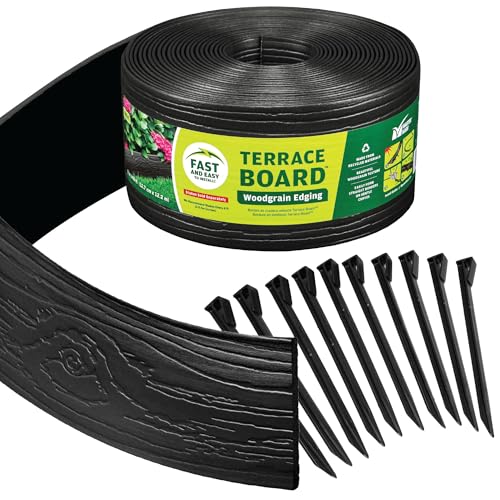
Master Mark Terrace Board Coiled Edging 5 in. x 40 ft. (Black)

shsyue Flexible Lawn Edging Kit 33 ft. (Black)

shsyue Flexible Garden Edge 66 ft. (Black)

Master Mark Terrace Board Coil 40 ft. x 4 in. (Brown)

AVELOTUUG No-Dig Animal Barrier Fence 42.5 ft. (Black)
SnugNiture Corrugated Metal Edging 6 in. x 50 ft. (Brown/White)

Edge Right COR-Ten Steel Hammer-In Edging 5 Pack
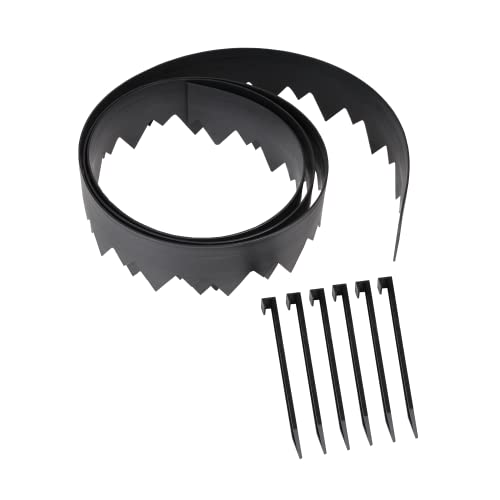
EasyFlex Pound-In Edging 20 ft. (Black)
The Strengths Of Each Pick
The Beuta 4-pack is a friendly starting point if you want the look of stacked stone without hauling actual masonry. Each section is 48 inches long and 2.25 inches tall, built from six individual “bricks” that bend as a unit to follow gentle curves around flower beds and pathway edges. The Greystone color reads as a soft, weathered tone that tends to disappear against mulch and foliage.
For most backyards, this kit handles one medium bed or two smaller ones with room to spare. Twelve ground spikes are included to pin the pieces down, and the polyrock composition stays put through seasonal weather shifts better than hollow vinyl. If you have been hesitant to commit to a full perimeter right away, this is a low-risk way to try the stone-look format first.
A Few Highlights
- Modular design lets you build up to roughly 16 feet of curved or straight border from the included four sections.
- Faux-stone texture adds visible depth without the weight or cutting effort of real masonry.
- Color options like Greystone blend into planting beds instead of standing out as a hard plastic line.
- Spike installation keeps the pieces anchored through typical rain and foot traffic near pathways.
Worth Noting
- At 2.25 inches tall, the profile is shallow, so it works best for low ground cover rather than containing deep mulch layers.
- For very long perimeters, the larger 10-pack sibling will be more efficient than buying multiple 4-packs.
Made For
First-time edging shoppers testing a faux-stone look on a single bed or a small front yard.
Reach For A Different Pick When
The shsyue 33 ft. flexible strip is a better match for long, straight lawn-to-bed transitions where the stone texture would feel busy.
Think of this as the same Beuta system scaled up for whole-yard projects. Ten sections deliver roughly 40 feet of finished edge, with 30 spikes to anchor each piece firmly into the soil. The Sandstone color leans warmer, pairing nicely with tan bark, beige gravel, and southwestern-style landscapes.
For most homeowners planning a single weekend install, the 10-pack removes the headache of buying multiples and hoping the colors match. You still get the same per-section flexibility, so curves around mature shrubs and tree rings stay clean. If your planting beds wrap around the front of the house or form a long side-yard border, this is the more practical choice over the 4-pack.
What Makes Sense
- Larger quantity handles an entire front-yard border without piecing together multiple smaller kits.
- Warm Sandstone tone softens against desert-friendly plants and natural stone pathways.
- Each section flexes independently, making it easier to work around established root systems.
- Same height and proportions as the 4-pack, so the look stays consistent if you expand later.
Trade Offs
- Heavier and more pieces to sort during installation than flexible plastic strips.
- Limited vertical height means it contains light mulch well but may not hold back thick wood-chip piles.
Best Suited To
Homeowners wrapping a full perimeter in faux stone without committing to real masonry.
Swap It Out When
The Edge Right COR-Ten steel edging is the stronger pick if you want a modern, weathering-steel aesthetic and a taller profile.
Master Mark’s Terrace Board takes a different approach than the Beuta kits. Instead of segmented bricks, you get a 40-foot coil of flexible bender board, 5 inches tall, with a textured wood-grain surface. The material bends smoothly to follow curved beds and holds a straight line when you need clean edges along a walkway.
Vegetable gardeners and homeowners with tiered landscaping tend to favor this style because the 5-inch profile contains deeper layers of soil and mulch. Ten stakes come in the box, and you can add more for tight curves or soft soil. The black finish recedes into planting beds, which is helpful when you want the plants to be the visual focus rather than the border itself.
A Strong Showing
- Coil format gives you one continuous piece to work with, which reduces visible seams along long runs.
- 5-inch height holds back raised layers of mulch, compost, or small rock effectively.
- Wood-grain texture mimics traditional lumber bender board without the rot risk.
- Black color fades into soil and foliage, keeping attention on the plants.
Honest Caveats
- Plastic coil can fight back on tight curves, so very intricate bed shapes may require scoring or heating.
- Only ten stakes are included, which may be short for a 40-foot install on uneven ground.
Right Fit For
Vegetable gardeners and homeowners building tiered beds who need taller containment than stone-look kits offer.
Where Another Pick Suits Better
The Master Mark 40 ft. x 4 in. brown version is a better call for gardeners who want an earth tone rather than black and don’t need the full 5-inch height.
The shsyue 33-foot kit is the right scale for modest landscaping jobs. The strip itself sits 4 inches tall, made of a flexible PE material that bends into curves and can be cut to length with basic scissors or snips. For most homeowners edging a small front yard, two side beds, or a row of tree rings, this hits the sweet spot without forcing you to buy more than you need.
The kit ships with 50 spiral spikes, which is generous for the 33-foot run and lets you anchor every few inches for a clean line. Unlike the Master Mark coil, this strip tends to lay flatter against the soil surface, so it does the job without becoming a visual feature. It’s a solid starter pick for renters and first-time gardeners.
Bright Spots
- Right-sized 33-foot length suits small properties where larger kits would go to waste.
- 50 spiral stakes included, so installation does not stall waiting for extra hardware.
- PE construction allows easy cutting to fit unusual shapes or short stretches.
- Low 4-inch profile keeps the strip discreet against turf and soil.
Points To Keep In Mind
- Plastic strip can warp in intense summer heat, so cutting on a cooler day helps.
- Not as rigid as metal edging, meaning it can lift slightly in high-traffic lawn zones.
Who It Suits Best
Homeowners with one or two defined beds who want a clean border without committing to a large kit.
Skip It When
The Master Mark Terrace Board coil is a better fit for gardeners who need a taller 5-inch profile for deeper mulch layers.
This is the same shsyue design as the 33-foot kit, doubled in length for larger properties. The 4-inch strip, 100 stakes, and HDPE construction cover roughly the perimeter of a typical suburban lot or a long side-yard run. You may find this is the right call when the edging job is one continuous loop rather than a series of small beds.
Installation is straightforward: score a shallow trench, lay the strip, and drive stakes every short distance to lock it in. The flexibility lets you manage sweeping curves, but on hard ground you may want to soften the soil first. The included stakes run nylon, so they resist rust through wet seasons and can be reused if you ever redesign the layout.
The Upside
- 66-foot length handles most residential perimeters in a single purchase.
- 100 stakes provide plenty of anchoring for soft or uneven ground.
- HDPE material is cuttable with standard tools for custom fits.
- Nylon spiral spikes hold up to repeated rain cycles without corroding.
Soft Spots
- Storing the leftover length neatly can be awkward once you’ve trimmed sections.
- Plastic profile can show scuffs from string trimmers over time.
Perfect Match For
Homeowners with long, continuous lawn-to-bed transitions on larger lots.
Not Your Match When
The SnugNiture corrugated metal edging is worth a look if you want a more permanent, modern-looking edge that resists trimmer damage better than plastic.
Master Mark offers this brown coil as the earthier alternative to the black 5-inch version. Same flexible HDPE construction, same 40-foot length, just 4 inches tall and a tone that blends with bark mulch and warm soil. For most backyards with traditional cottage-style planting, the brown finish disappears more politely than black.
The 4-inch height is the practical sweet spot for typical garden borders. It contains standard mulch depths and resists creeping turf without becoming a low wall along your lawn. Ten stakes ship in the box, so you will likely want to source a few extras for tight corners or soft soil.
What It Does Well
- Brown color reads as natural and pairs with bark, cedar, and warm-toned mulches.
- 4-inch profile contains typical mulch layers while staying under most mower heights.
- HDPE material handles weather shifts and routine watering without warping.
- Continuous coil keeps seams hidden along a single run.
Some Limits To Know
- Only ten stakes included, which may fall short for the full 40-foot length on loose soil.
- Brown tone can fade over multiple seasons of direct sun exposure.
Who Should Grab It
Gardeners who want a subtle, earth-toned border that recedes into the planting bed.
Another Choice May Suit
The shsyue 66-foot black strip is the more practical pick when the project calls for maximum length and stake coverage in a single kit.
The AVELOTUUG barrier sits in a different category than the rest of the list. Rather than a lawn edge strip, this is a 13-inch-tall fence panel system designed to keep small animals out of garden beds. The 30 panels connect to form 42.5 feet of low protective fencing, useful against dogs, rabbits, and other critters that patrol yard edges.
For most pet owners, the appeal is the no-dig installation: panels push into the soil without trenching or hardware. The narrow 1.5-inch gap at the bottom reduces the chance of curious paws or noses squeezing underneath. It doubles as a visual garden border, but the real value is the protective function in yards with persistent animal visitors.
The Practical Payoff
- 30-panel system covers 42.5 feet, enough for multiple beds or one long perimeter.
- No-dig setup means no trenching or permanent ground alteration.
- 13-inch height deters small to medium animals without looking like a full fence.
- Panels can be repositioned as garden layouts change across seasons.
What To Weigh
- Not a true lawn edging product, so it does not double as a grass barrier.
- Tall enough to be visible, which may not fit minimalist landscape designs.
Built With In Mind
Pet owners and gardeners dealing with rabbits, neighborhood dogs, or other ground-level animal visitors.
Look Elsewhere When
The shsyue 33-foot flexible strip is the better everyday edging pick if animal containment is not a priority.
SnugNiture’s corrugated metal edging offers a distinctly different look from the plastic and faux-stone options on this list. The 6-inch-tall, 50-foot roll arrives in a brown-and-white finish that reads as a farmhouse or modern-rustic accent rather than a typical lawn border. Corrugation adds structural strength while creating a subtle shadow line along the bed.
For most homeowners with contemporary landscape designs, this edging gives a cleaner visual break between lawn and bed than a flat black plastic strip. Metal construction tolerates string trimmers better than plastic and holds its shape through freeze-thaw cycles. The trade-off is sharper edges at the top, which you may want to consider if small children play in the yard.
Reasons It Performs
- Corrugated metal resists bending and denting better than flat metal edging.
- 6-inch height provides a stronger visual barrier than most plastic strips.
- Two-tone finish suits modern farmhouse and rustic landscape themes.
- Metal holds shape through temperature swings better than plastic alternatives.
Factors To Consider
- Metal edges can be sharp, so positioning away from play areas is worth thinking through.
- Cutting to length typically requires metal snips rather than household scissors.
Whose Shelf It Belongs On
Homeowners building modern or rustic-themed landscapes who want an edging material that doubles as a design feature.
A Better Fit Elsewhere
The Edge Right COR-Ten steel edging is the stronger pick for a true weathering-steel look that ages into a rust patina over time.
Edge Right is the heavy-duty option in this lineup. The strips are 48 inches long, 8 inches deep, and made from 16-gauge COR-Ten steel, a weathering alloy that develops a stable rust patina over time. You may find this is the right call when you want edging that looks better at year three than the day you installed it.
COR-Ten steel is the same material used in architectural facades, so it tolerates string trimmer abuse, foot traffic, and weather exposure that would crack or bend plastic. The hammer-in installation is straightforward, though a rubber mallet and a bit of patience on rocky soil goes a long way. Five strips cover 20 feet, and additional packs stack cleanly to extend the run.
Points In Its Favor
- COR-Ten steel develops a protective rust patina rather than deteriorating like conventional steel.
- 16-gauge thickness holds up to repeated string trimmer contact without bending.
- 8-inch depth gives strong anchoring in average garden soil.
- Rounded top edge reduces the sharpness concern of metal borders.
Where It May Fall Short
- Rust runoff can stain nearby concrete or stone during the first weathering season.
- Higher material cost per linear foot than plastic alternatives.
Designed For
Homeowners planning a long-term landscape install who want an edging material that ages with character.
Consider Something Else When
The SnugNiture corrugated metal roll is a more budget-friendly metal option when full COR-Ten durability is not the priority.
EasyFlex rounds out the list as the lowest-fuss option for new edging shoppers. The 20-foot plastic strip installs by scoring a shallow line in the soil and gently pounding the edging into place. Bonus anchoring stakes come in the box, so you have hardware on hand for the whole length without a separate trip to the hardware store.
For most beginners, the appeal is the forgiving installation. The 4.5-inch straight-top profile looks clean against turf and contains light mulch without much fuss. The recycled plastic build is flexible enough for gentle curves while staying rigid enough for a tidy straight run along a walkway. It is a useful entry point before committing to longer or more expensive systems.
What Works In Its Favor
- No-dig installation gets a small bed edged in under an hour for most homeowners.
- Bonus stakes ship in the box, eliminating extra hardware shopping.
- Recycled plastic build keeps the cost down for a starter project.
- Flexible material handles slight curves without kinking or splitting.
Points To Note
- Plastic profile can show wear from string trimmers along the lawn side.
- 20-foot length is short, so larger projects will need multiple kits or a longer strip.
The Right Fit
First-time edging shoppers who want a short, forgiving project to learn installation basics.
Where A Sibling Pick Shines
The shsyue 33-foot flexible kit is the natural step up once you are ready to handle a larger bed or full side-yard run.
What To Weigh Before Choosing Your Edging
Material And Build Quality
Edging materials fall into three broad families, each with a distinct feel in the yard. Plastic strips and coils like the Master Mark and shsyue kits are flexible, affordable, and easy to cut, but they tend to show wear from string trimmers over time. Faux-stone kits from Beuta add visual texture without the weight of real masonry, sitting in a middle ground between plastic and stone. Metal options, from SnugNiture’s corrugated roll to Edge Right’s COR-Ten steel, are the most durable and the priciest, but they hold their shape through weather shifts and resist trimmer damage. For most homeowners, the right call depends on how permanent you want the install to feel.
Height And Containment
The taller the edging, the more mulch or soil it can hold back without spilling. The Beuta kits sit at 2.25 inches, which works for low ground cover and shallow mulch. The Master Mark coils range from 4 to 5 inches, which is the practical range for typical garden beds. Steel and corrugated metal options run 6 to 8 inches, which suits raised bed layers, sloped yards, or places where you want a stronger visual barrier. Choosing the right height matters more than material for keeping mulch in its lane.
Flexibility Versus Structure
Flexible strips bend into curves easily but can fight back on tight angles. Modular kits like the Beuta pieces handle moderate curves with the seams between sections doing the bending. Steel strips, once installed, hold a near-permanent shape. If your yard has lots of gentle curves, flexible plastic is forgiving. If your design calls for sharp corners and clean straight lines, rigid steel or modular pieces are easier to work with.
Installation Realities
Most plastic edging installs in an afternoon with hand tools, a rubber mallet, and a spare pair of gloves. Steel edging adds time because each strip needs to be driven into harder soil, and metal-on-rocky ground can slow you down. The no-dig animal barrier from AVELOTUUG is the easiest install on the list, since the panels push directly into the soil without trenching. For most DIYers, plan on a half-day for a 40-foot plastic install and a full day for the same length in steel.
Key Considerations Across These Picks
Where Shoppers Go Wrong
A common slip-up is buying the cheapest strip without checking height against actual mulch depth. Another is underestimating the number of stakes needed on soft or uneven soil, leading to edging that lifts after the first hard rain. Measure your bed depths before you commit, and grab extra stakes if your ground is loose.
When Paying More Pays Off
The jump from plastic to metal edging is real money, and the payoff shows up in longevity. COR-Ten steel and corrugated metal tolerate string trimmers, foot traffic, and freeze-thaw cycles that gradually break down plastic alternatives. For a long-term landscape install that you want to forget about, the upgrade tends to be worth it.
Frequently Asked Questions
What height of garden edging should I pick?
For typical flower beds with 2 to 3 inches of mulch, a 4 to 5 inch edging holds everything in place without becoming a trip hazard. Raised vegetable beds and sloped yards usually need 6 inches or more to keep soil and mulch from migrating.
How do I install plastic garden edging?
Score a shallow trench along the bed edge with a flat spade, set the strip into the line, and drive the included stakes through the anchor holes every 8 to 12 inches. A rubber mallet protects your hands and the stakes.
Can garden edging go in rocky soil?
Plastic strips tend to flex around small rocks and work fine in average garden soil. Steel strips can be tougher to install in rocky ground, so pre-loosening the soil with a digging bar or adding extra anchor points helps.
How long does metal garden edging last?
COR-Ten and galvanized steel edging typically lasts decades with minimal maintenance, developing a protective patina rather than rusting through. Plastic edging has a shorter functional life, often 5 to 10 years depending on sun exposure and trimmer contact.
Is no-dig edging strong enough?
No-dig panels and strips hold up well in soft to medium soil and stay put through routine weather. In very loose or sandy soil, adding longer stakes or a shallow trench improves anchoring without a full dig-in install.
Closing Remarks
The right garden edging comes down to matching the material to your soil, your curves, and how permanent you want the install to feel. Plastic strips work for most weekend projects, while metal and faux-stone kits add character when you want the edging itself to be part of the design. Pick based on your bed depth, your layout, and the maintenance you are willing to trade for durability.
