

Hydrangeas that handle real sun, not the polite four-hour kind, need a different game plan than the usual shade-lovers. The picks below span seeds, starter shrubs, ground-cover companions, and a few decorative options so you can plan a bed, fill a border, or just add a low-maintenance accent. Each item suits a different kind of gardener, from first-time seed starters to folks refreshing an established foundation bed.
The Lineup, Simplified

ZEshops 30pcs Blue Pink Purple Hydrangea Seeds

GARDENWISE Slow Release Hydrangea Fertilizer 12 oz

NYGardenia 35 Mixed Color Hydrangea Seeds
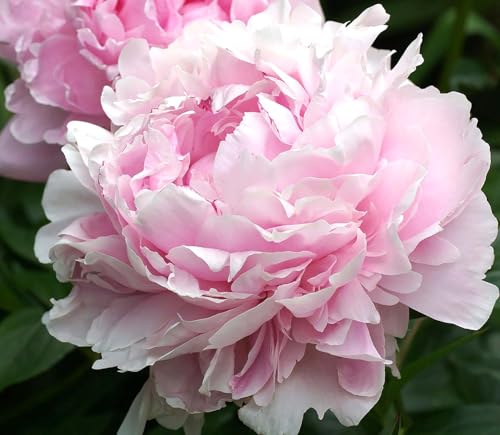
Sarah Bernhardt Double Pink Peony Bare Root

Daynight 4 Pcs Hydrangea Artificial Flowers White

Seeds Of Strength 1500+ Creeping Thyme Seeds

Wivolibe 150+ Mixed Hydrangea Seeds

Southern Living Heart Throb Hydrangea Shrub

Perfect Plants Limelight Hydrangea 1 Gallon

Endless Summer BloomStruck Bigleaf Hydrangea 3 Gallon
A Closer Look At Each Pick
Starting hydrangeas from seed is the slowest road to a flowering shrub, but the ZEshops mix makes a tempting entry point for the curious. Thirty seeds across blue, pink, and purple give a small bed the kind of color variety you’d usually only get by buying three separate plants, and the count feels generous for a packet at this level.
Expect a long game here. Hydrangea seeds can take weeks to germinate, and you may find the wait tests your patience through the first season. Treat this as a fun project rather than a quick border fix, and you’ll enjoy the surprises more.
Where It Helps
- Three colors in one packet, useful for trial beds
- Affordable entry into mophead-style hydrangeas
- Plenty of seeds for succession sowing
- Surprise factor, since seed-grown color is unpredictable
Things To Consider
- Germination rates vary widely, so don’t count on a full thirty
- Expect a year or more before meaningful blooms
- Color from seed is not guaranteed; soil pH (the measure of how acidic or alkaline your soil is) still steers the final hue
Made For
Patient hobbyists who enjoy watching a bed come together from scratch and don’t mind a multi-season wait for blooms.
Look Elsewhere When
You want flowers this summer, in which case the Endless Summer BloomStruck Bigleaf Hydrangea is the faster, more predictable choice.
Hydrangeas aren’t just about sun and water; the soil chemistry does a lot of the talking. GARDENWISE’s slow-release blend is built for acid-loving shrubs, and the 8-4-8 N-P-K ratio (nitrogen, phosphorus, potassium, the three numbers that describe a fertilizer’s nutrient balance) leans toward foliage vigor without forcing tender late-season growth that won’t harden off before winter.
The added iron and sulfur do double duty, gradually nudging pH down while keeping foliage green. That’s helpful if your tap water runs alkaline and you’re chasing those blue blooms without constant liquid feeds.
Practical Advantages
- Slow-release format means fewer applications per season
- Iron and sulfur support both leaf color and bloom color shifting
- Works in containers as well as in-ground beds
- Also suitable for azaleas, camellias, and magnolias
Worth Noting
- Color shifts take a season or two, so don’t expect instant changes
- Not a stand-alone fix for severely compacted or poor soil
Feature Snapshot
Who It Suits Best
Growers tweaking soil pH for blue blooms and feeding established acid-loving shrubs without constant fuss.
Where Another Pick Suits Better
If you have not yet planted anything, the Perfect Plants Limelight Hydrangea is a sun-friendly shrub that ships ready to establish, skipping the soil-prep stage entirely.
NYGardenia’s 35-seed pack aims at the same crowd as the ZEshops packet, with a slightly larger count and a non-GMO label. The mix leans on classic mophead forms, the ball-shaped flower clusters most gardeners picture when they say “hydrangea,” in blue, pink, and purple.
Source guidance points toward partial shade to filtered sun, so treat the “full sun” framing with care. In hot zones, this seed selection tends to perform best with morning sun and afternoon cover.
Strong Points
- Non-GMO label for shoppers who track seed sourcing
- Slightly more seeds than the typical 30-pack
- Mix covers the three most popular mophead colors
Honest Caveats
- Mature size and form depend heavily on climate and pruning
- Full midday sun in southern zones can scorch leaves without irrigation
- Long timeline to first bloom, similar to other seed options
Right Fit For
Cool-climate gardeners building a mixed border from scratch who don’t mind waiting out a couple of seasons.
Skip It When
You garden in a hot southern yard; the Southern Living Heart Throb Hydrangea handles tough sun and heat far better as a mature shrub.
Strictly speaking, a peony is not a hydrangea, but the Sarah Bernhardt fits this list as the kind of sun-loving perennial that pairs beautifully in front of taller mopheads. Its 3-5 eye bare root (the dormant pink growth buds you can see on the root) ships ready to plant and gives you a layered bloom sequence, peonies in late spring before hydrangeas take over in summer.
Unlike the seed packets above, this arrives as a working root, so the timeline to first flowers is shorter, though peonies famously sulk for a year or two before performing their best.
Positive Points
- Heirloom variety with a strong fragrance reputation
- Bare root ships economically and establishes quickly in cool soil
- Complements hydrangea bloom timing rather than competing with it
Points To Keep In Mind
- Peonies resent transplanting, so pick the planting spot carefully the first time
- Not a hydrangea, so it does not solve any “full sun hydrangea” problem on its own
Best Suited To
Gardeners layering a sun bed who want earlier-season color before hydrangeas come into their own.
Not Your Match When
You specifically want hydrangea foliage and form; in that case, the Wivolibe Mixed Hydrangea Seeds give you actual hydrangea shrubs over time.
For outdoor tables, wedding arches, or porch centerpieces that need to look full all season, silk hydrangeas earn their place. The Daynight set ships four white bouquets with UV-resistant silk, so they hold color in direct sun far better than cheap craft-store stems.
It’s the only entry in this roundup that asks for zero soil, zero watering, and zero patience, and the trade-off is exactly what you’d expect: these will never replace a living shrub in a bed.
Useful Touches
- UV-resistant finish extends outdoor color life
- Set of four suits symmetrical table or mantel arrangements
- No watering, pruning, or sun-stress to manage
Trade Offs
- Will never become a real shrub, so it does not add landscape value
- Prolonged heavy sun can still fade even UV-treated silk over many months
Perfect Match For
Hosts staging outdoor parties or anyone wanting repeatable, year-after-year decor without depending on bloom timing.
A Better Fit Elsewhere
Anyone building a real garden should reach for the Perfect Plants Limelight Hydrangea, which becomes a permanent landscape feature instead of decor.
Creeping thyme solves a different problem than a hydrangea, but the two play well together. Plant it as a living mulch at the base of taller shrubs, and you get a flowering carpet that thrives in the same sun hydrangeas love, while the thyme’s drought tolerance helps the bed through dry weeks.
The 1500-plus count is generous for a substantial patch, and the heirloom non-GMO label gives a small sense of seed integrity. Bees love it, which is a quiet bonus for the rest of the bed.
A Favorable Mix
- Large seed count covers a meaningful area
- Thrives in dry, sunny spots where lawn struggles
- Edible leaves and pollinator-friendly blooms
Small Caveats
- Not a hydrangea, so it does not address the central “shrub” question
- Slow to fill in the first season, especially from seed
Feature Card
Who Will Love This
Gardeners who want the soil beneath their hydrangeas to look intentional and alive rather than bare mulch.
Swap It Out When
You want the focal shrub itself, not a companion; the Endless Summer BloomStruck Bigleaf Hydrangea handles that role better.
Where the other seed packs target beginners with small counts, the Wivolibe 150+ mixed pack leans into scale. It’s built for filling a long border or a community garden plot where you want hydrangeas scattered through without buying mature shrubs by the dozen.
The source notes light requirements across full sun, part sun, and shade, so it stays flexible. In a hot southern yard, treat “full sun” loosely and lean toward morning light.
Where It Excels
- Bulk count makes a real visual impact over time
- Mix covers blue, white, pink, and purple shades
- Perennial habit, so the bed fills in across seasons
Points To Note
- Mass planting from seed demands patience and thinning
- Color will be unpredictable until plants mature
Built With In Mind
Patient gardeners planning a long-term mass planting and willing to invest several seasons before the bed looks established.
Reach For A Different Pick When
You want a single, defined focal shrub, in which case the Southern Living Heart Throb Hydrangea delivers a polished result with much less guesswork.
Most mophead hydrangeas sprawl, but Heart Throb tops out around 3 feet tall and wide, which is a quiet gift for tight foundations and patio containers. The cherry-red bloom clusters with green marbling are the visual hook, and the dwarf habit means no annual pruning.
Compare that to the bigger Limelight in this roundup, which easily reaches six to eight feet. Heart Throb is the smaller, slower, more contained sibling.
Notable Gains
- Dwarf form suits containers, low hedges, and small beds
- Distinctive red bloom color sets it apart from blue and pink mopheads
- No pruning required for the established shape
Potential Drawbacks
- Smaller stature means a lower visual impact in big beds
- Red color is hardest to maintain in acidic soil, where blooms may shift toward purple
Quick Facts
Whose Shelf It Belongs On
Patio gardeners and small-yard homeowners who want a tidy, mounded shrub that won’t swallow the walkway.
Another Choice May Suit
Anyone wanting a tall privacy-style screen will find the Perfect Plants Limelight Hydrangea fills vertical space more effectively.
Panicle hydrangeas (a hydrangea type with cone-shaped flower clusters rather than round mopheads) are the sun champions of the family, and Limelight is the variety that put them on the map. Creamy lime blooms open in midsummer, hold their shape for weeks, and fade to a deep pink before fall cleanup.
Unlike the seed packs above, this one-gallon shrub ships as a live plant, so you skip the germination gamble entirely. It’s also the most genuinely sun-tolerant live shrub in this roundup, which matters for southern and western exposures.
Everyday Advantages
- Genuine sun tolerance, stronger than most mopheads
- Long bloom window from midsummer into fall
- Color shift from lime to pink adds season-long interest
Where It Is Less Suited
- Mature size is significant, so it overwhelms small beds
- Pruning in late winter is needed to keep strong stems and large flower heads
Who Should Grab It
Homeowners with full-sun foundation beds who want a substantial, low-fuss flowering shrub they can build a border around.
Consider Something Else When
Your space is small; the Southern Living Heart Throb Hydrangea keeps the look compact and contained.
The Endless Summer line built its reputation on reblooming, meaning the plant sets flower buds on both old and new wood, so a late frost won’t wipe out the whole season. BloomStruck adds vivid rose-pink, violet, or blue-purple mopheads on dark green foliage, and the source notes preference for partial sun with moist, well-drained soil.
It ships as a 3-gallon shrub, larger than most mail-order options, so the establishment year moves faster than a 1-gallon would. Note the long shipping restriction list, including CA, AZ, and most of the mountain west, so check before ordering.
Bright Spots
- Reblooming habit extends the flowering window across summer and fall
- Color responds to soil pH, so you can dial in blue or pink over time
- Larger 3-gallon size shortens the wait for a full-looking bed
Worth Bearing In Mind
- Not a true full-sun hydrangea; partial sun suits it best in hot zones
- Cannot ship to several western states, so ordering may be restricted
At A Glance
The Right Fit
Garden owners in zones 4-9 who want a reliable rebloomer and don’t mind giving it partial rather than full sun.
Where A Sibling Pick Shines
True full-sun sites are better served by the Perfect Plants Limelight Hydrangea, which is built for the brightest spots in your yard.
Factors To Consider When Choosing Full Sun Hydrangeas
Sun, Water, And Variety Match
Panicle hydrangeas (Hydrangea paniculata) are the most sun-tolerant group, handling six or more hours of direct light with reliable blooming. Bigleaf mopheads (Hydrangea macrophylla), including the BloomStruck, prefer partial sun, and southern growers often interpret that as morning light with afternoon shade. Soil moisture matters more than sun exposure alone, so plan for steady watering during the first two seasons while roots establish.
Color Control Through Soil Chemistry
If you want blue blooms, soil pH needs to stay on the acidic side, generally below 6.0. Pink blooms prefer more alkaline conditions above 6.5. A product like the GARDENWISE fertilizer can help shift the balance over time, but white and lime varieties ignore pH entirely, which is one reason the Limelight is so popular in challenging soils.
Sizing, Pruning, And Patience
Check the mature size before planting, since mopheads can reach four to six feet and panicles can exceed eight. Pruning timing differs by type: panicles bloom on new wood and handle late-winter cuts, while mopheads bloom mostly on old wood and prefer light shaping after flowering. Seed-grown options are the slowest path, so the trade-off is time versus cost.
Smart Buying Notes Across These Picks
Where Shoppers Go Wrong
The most common mistake is buying a mophead for a blazing south-facing wall and watching it crisp by August. Panicle types are the safer bet in those spots, while mopheads thrive on eastern exposures with morning light. Skipping a soil pH test is the second classic slip, since the same plant can bloom blue in one yard and pink in the next with no change to the variety itself.
When Paying More Pays Off
A larger container size, like the 3-gallon BloomStruck versus a 1-gallon starter, shortens the time to a full-looking bed by a season or more. Live shrubs also eliminate the germination gamble that comes with seed packets, which matters if you have a narrow planting window. The premium for established roots is real, but it buys you predictability, and in a foundation bed, predictability tends to be worth it.
Frequently Asked Questions
Do any hydrangeas truly thrive in full sun?
Panicle types like Limelight handle six or more hours of direct sun far better than mopheads. In hot southern climates, even panicles appreciate late-afternoon shade.
How long do hydrangea seeds take to flower?
Most seed-grown hydrangeas need at least two to three seasons before producing meaningful blooms. Live shrubs in 1- or 3-gallon containers typically flower their first or second year.
Can I change my hydrangea’s bloom color?
Yes, but only for bigleaf and mountain varieties. Acidic soil (low pH) produces blue flowers, while alkaline soil (higher pH) shifts them toward pink. White and lime varieties do not change with pH.
When is the best time to plant hydrangeas?
Early spring or early fall gives roots the most comfortable soil temperatures to establish. Avoid peak summer heat for new plantings unless you can water daily.
Do I need to prune my hydrangea every year?
Not always. Dwarf types like Heart Throb need no pruning, while panicles benefit from late-winter cuts to encourage strong stems and large blooms.
Final Verdict
Full sun hydrangeas come down to matching the variety to your spot, not forcing a shade-lover into blazing light. For a real, long-lived anchor, the Perfect Plants Limelight Hydrangea earns its place in bright beds, while the Endless Summer BloomStruck delivers reliable reblooming where the light is gentler. The rest of the list covers companions, decor, and patient seed projects, so the right pick depends on how soon you want flowers and how much sun your yard actually gets.
