

Roses punish hands. Anyone who’s reached into a leggy climber without the right pair knows the blood-prick sting of a slipped thorn and the scratches that linger for a week. The right gauntlet changes that math: thick enough palm to shrug off a blackberry cane, flexible enough to deadhead a tight cluster without crushing the bud below it. These ten pairs run the range from lightweight nitrile-coated options for quick snipping to elbow-length leather gauntlets built for serious restoration pruning on older, denser shrubs.
A Closer Look At The Lineup
A Closer Look At The Lineup
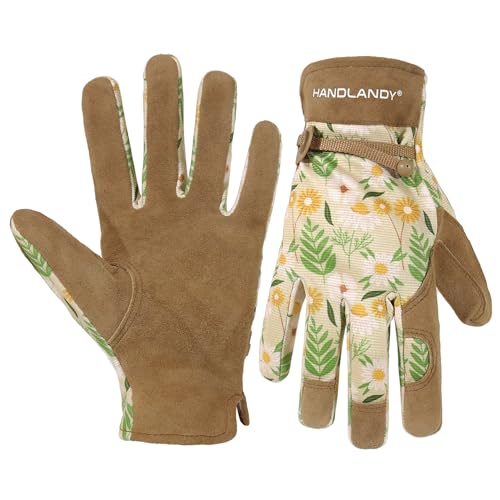
HANDLANDY Leather Gardening Gloves for Women
Intra-FIT Rose Pruning Gloves with Forearm Protection

Pleneal Gardening Gloves for Women

Yionaiyi Professional Rose Pruning Thorn Proof Gardening Gloves

COOLJOB Padded Thorn Proof Gardening Work Gloves for Women

SAVJOB Thornproof Gardening Gloves for Rose Picking

Gastody Long Sleeve Gardening Gloves for Women and Men
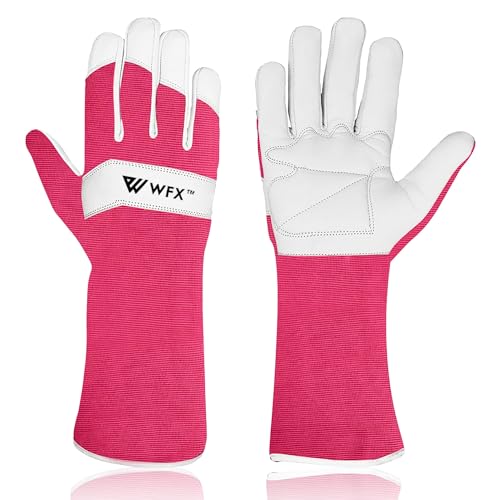
WFX Goatskin Long Gardening Gloves Forearm Thorn Proof

Trifabricy Long Gardening Gloves for Women with Grip

SLARMOR Gardening Gloves for Women
Why These Options Stand Out
The HANDLANDY Leather Gardening Gloves slot into a niche the thorn-fighters above don’t really target: comfortable everyday yard work where the roses only show up for part of the session. The leather shell has the soft break-in of a well-worn baseball mitt, which is a different feel from the stiff goatskin gauntlets on this list.
You’ll likely reach for these on a mixed Saturday of weeding, deadheading, and hauling bags of mulch, where a heavy forearm cuff would just get in the way. For pure thorn defense on a thick climber, the longer picks ahead are a smarter call.
The Upside
- Soft leather palm breaks in quickly, so the fit feels natural within a session or two.
- Shorter cuff keeps your hands cool and lets you grab pruners, bags, and hose fittings without fabric bunching.
- Versatile enough to cover weeding, light pruning, and general yard work in a single pair.
- Leather shell wipes clean with a damp rag, which is handy after a sticky afternoon among the rose beds.
Worth Noting
- No extended forearm protection, so reaching into a dense climbing rose means exposed wrists and inner arms.
- Lightweight leather may wear through faster on rough soil or thorn contact than thicker goatskin picks later in this list.
Whose Hands These Fit Best
Casual rose gardeners splitting time between trimming, weeding, and hauling who want a soft, flexible leather glove without the bulk of a gauntlet.
Skip It And Pick Up Instead
The Intra-FIT Rose Pruning Gloves with Forearm Protection suit you better if your roses send out long, whippy canes that catch the inside of your wrist.
Unlike the shorter HANDLANDY pair that opened this list, the Intra-FIT Rose Pruning Gloves go long. The forearm coverage is the headline feature, and it’s what makes these a sensible pick when your rose work means pushing sleeves into a thicket rather than just snipping a stem.
You trade some breathability for that protection, so on a humid July afternoon your inner arms will feel the heat. For cooler spring pruning windows, the trade-off works in your favor.
What Stands Out
- Elbow-length cuff shields inner arms from the long, recurved thorns on climbing and rambling roses.
- Purpose-built thorn resistance in the palm and finger zones where the worst contact tends to happen.
- For serious shrub renovation, the extra coverage reduces the need to layer long sleeves underneath.
Points To Keep In Mind
- Thicker construction can feel stiff at first and may need a few sessions to loosen up.
- Long cuff traps warmth, so heavy summer pruning can get uncomfortable quickly.
Feature Snapshot
Best Match For
Anyone restoring an overgrown climbing rose or tackling a thicket of wild briars where forearm coverage matters as much as palm defense.
Where Another Pick Works Better
The Yionaiyi Professional Rose Pruning Thorn Proof Gardening Gloves suit you better if you want reinforced fingertips along with the long cuff for tougher old-wood cuts.
The Pleneal Gardening Gloves land on the opposite end of the spectrum from the previous Intra-FIT pick. Where those leaned into serious protection, these aim at lighter, more general yard tasks. Think deadheading a few tea roses, pulling bindweed, and scooping compost, all without spending heavily on a single-purpose glove.
The trade-off shows up in thorn defense: don’t expect the palm to shrug off a deep thrust into a wild rose. But for a flexible, low-commitment first pair, the build makes sense.
Key Advantages
- Lower price point means an easy first purchase before committing to a heavier-duty gauntlet.
- Flexible build keeps hand fatigue low during longer weeding sessions.
- Reasonable for general yard work, transplanting, and light deadheading.
Trade Offs
- Limited thorn resistance compared to the leather and synthetic gauntlets elsewhere on this list.
- Wearer feedback commonly mentions sizing that runs on the small side, so checking the size chart matters.
Who This Suits
Newer gardeners and weekend rose trimmers who want a comfortable, low-cost starter pair before stepping up to a heavier gauntlet.
Look Elsewhere If
You need a tougher barrier, the COOLJOB Padded Thorn Proof Gardening Work Gloves serve you better with a more structured palm and extra padding.
The Yionaiyi Professional Rose Pruning Thorn Proof Gardening Gloves lean further into heavy-duty territory than the Pleneal pair, and the build shows it. Reinforced fingertips and a puncture-resistant synthetic palm address the spots where thorns most often win, while the elbow-length gauntlet handles the inner-arm problem the shorter picks simply ignore.
For a half-day restoration on a neglected shrub, this is the kind of glove that lets you grip a thick cane without flinching. For a quick Saturday trim, it can feel like overkill.
A Few Strong Suits
- Reinforced fingertips guard the highest-risk contact point when reaching into a dense rose.
- Synthetic leather palm balances puncture resistance with enough flexibility to grip pruners firmly.
- Long gauntlet cuff means less gear layering when tackling climbers or rambling types.
Some Limits To Know
- Stiffer construction takes a few sessions to break in fully.
- Listed in women’s medium, so gardeners needing other sizes may need to look elsewhere.
Key Product Details
Right Fit For
Serious home gardeners taking on substantial rose renovation, thorny hedge work, or any job where a slip could draw real blood.
Not Your Match When
You mostly do light summer deadheading, where the WFX Goatskin Long Gardening Gloves offer a softer, more breathable leather option.
The COOLJOB Padded Thorn Proof Gardening Work Gloves sit in a comfortable middle ground. The faux suede palm gives the thorn-shrugging confidence of thicker leather while staying soft enough for an hour of steady work. For gardeners who step into the rose bed more than a few weekends a year, the feel earns its keep.
The cuff is shorter than the Yionaiyi gauntlet, so deep dives into climbers remain risky. For upright shrub roses and standard deadheading, coverage is more than enough.
Where It Delivers
- Faux suede palm (a soft synthetic leather alternative) is puncture-resistant against common garden thorns.
- Padded build absorbs pressure when gripping thicker canes or pruners for extended periods.
- Comfortable enough for the kind of frequent sessions that wear out lighter gloves quickly.
Points To Note
- Shorter cuff leaves inner arms exposed on tall climbers and rambling roses.
- Range is small to large, so gardeners outside that window may struggle to find a comfortable fit.
Who This Suits
Active home gardeners handling multiple thorny species, including roses, blackberries, and pyracantha, who want one glove that does the rounds.
Consider A Different Pick When
Most of your rose work happens overhead on a climber, where the Intra-FIT Rose Pruning Gloves with Forearm Protection add the coverage you need.
SAVJOB’s Thornproof Gardening Gloves come from a brand that’s been making safety work gloves for decades, and the rose-picking focus shows in the design. The cut and material placement target the specific grip and reach pattern of harvesting or deadheading roses by hand rather than swinging shears.
You may find the coverage less substantial than the heavier Yionaiyi pick when pulling deeply into a wild shrub. For a controlled, hand-led session, the balance is welcome.
Benefits That Matter
- Thornproof construction in the contact zones protects the fingers and palm during hand-led picking.
- Brand background in safety gloves means the build takes puncture resistance seriously.
- Reasonable choice for arranging and conditioning cut roses without thumb scrapes.
Honest Caveats
- Material thickness varies by zone, and the lighter stretches may catch a determined thorn.
Right Fit For
Cut-rose gardeners and arrangers who handle stems by hand and want a glove that takes the scratch out of the work.
Swap It Out When
You mostly cut with bypass pruners, where the COOLJOB Padded Thorn Proof Gardening Work Gloves offer a more padded grip for tool-led work.
Where most of the picks so far lean on leather or thick synthetics, the Gastody Long Sleeve Gardening Gloves shift to a lighter, more breathable formula. Nitrile-coated palms (a thin, grippy rubber layer bonded to a fabric glove) handle the wet, dirty parts of garden cleanup, while the polyester back lets heat escape on a warm afternoon.
For a thorn-light task like border cleanup or weeding, that breathability is a real win. For an old shrub renovation, you’ll want a heavier pair on standby.
Everyday Wins
- Nitrile-coated palm gives a reliable wet or dry grip on pruners, shovels, and slippery stems.
- Breathable polyester back keeps hands cooler than full leather during long sessions.
- Stretchy cuff pulls on easily and stays snug around the wrist during active movement.
Soft Spots
- Thinner nitrile coating is not designed to stop a determined rose thorn thrust.
- Long cuff adds light wrist protection but doesn’t match the elbow-length gauntlets earlier in the list.
Quick Facts
Made For
Mixed-garden gardeners handling lighter rose maintenance, weeding, and border work who value cool, dry hands over maximum thorn defense.
Reach For A Different Pick When
You need reliable thorn protection, where the Yionaiyi Professional Rose Pruning Thorn Proof Gardening Gloves provide a sturdier barrier.
WFX leans on genuine goatskin, which tends to be softer and more flexible than cowhide at similar thicknesses. For a long-cuff thorn glove, that means less of the cardboard-stiff break-in period some gauntlets demand. The forearm length puts it in the same league as the Intra-FIT and Yionaiyi picks earlier in the lineup.
Real-leather gloves need a little more care than synthetics, so a dry storage routine keeps them from stiffening out of shape.
The Practical Payoff
- Genuine goatskin offers a soft, pliable feel that breaks in faster than many heavier leathers.
- Long forearm cuff handles the inner-arm risk on climbing and rambling rose types.
- Durable build holds up well to repeated thorn contact over multiple seasons.
Practical Considerations
- Genuine leather needs to dry away from direct heat after wet sessions to prevent stiffening.
- Heavier than nitrile-coated picks like the Gastody gloves, so fine dexterity takes a small hit.
Perfect Match For
Rose gardeners who prefer real leather over synthetics and want a long-cuff glove for repeated, heavy thorn work across the growing season.
Where A Sibling Pick Shines
You mostly work on dry days and want maximum airflow, where the Gastody Long Sleeve Gardening Gloves stay cooler on warm afternoons.
The Trifabricy Long Gardening Gloves split the difference between the heavy gauntlets and the lighter nitrile-coated options. The longer cuff reaches past the wrist for a bit of sleeve-style coverage, and the grippy palm supports the tool-handling moments that make up most rose work.
For gardeners with sensitive wrists who find shorter cuffs irritating, the extra length is a real comfort gain.
What Pays Off
- Thorn-proof construction in the palm handles the most common contact points during routine pruning.
- Puncture-resistant materials (those engineered to resist piercing from sharp plant material) add confidence during deadheading.
- Long cuff protects the wrist and lower forearm without the full gauntlet weight.
Where It Is Less Suited
- Cuff stops short of the elbow, so very tall climbers still leave inner arms exposed.
Who Will Love This
Rose gardeners with wrist sensitivity or anyone who finds a standard short cuff digs in or lets debris inside.
A Better Fit Elsewhere
You need full forearm coverage, where the WFX Goatskin Long Gardening Gloves extend the shield up to the elbow.
SLARMOR closes the list with a glove aimed at a different buyer entirely: someone picking a present for a gardener rather than a gardener shopping for themselves. The look leans decorative, with a hummingbird motif that signals “garden gift” before the recipient even opens the package.
Behind the styling sits a serviceable gardening glove, and the protective shell still shrugs off casual thorn contact. For a heavy climber renovation, the heavier picks earlier make more sense.
Positive Points
- Patterned design gives the glove a presentable look that fits the gift-giver angle.
- Reasonable thorn resistance for everyday deadheading and light shrub work.
- Comfortable fit suitable for gardeners who don’t want a heavy gauntlet in their toolkit.
Where It May Fall Short
- Style-focused build doesn’t match the heavy-duty protection of the Yionaiyi or Intra-FIT picks.
- Pattern options can vary, so picking a specific color or print matters for gift presentation.
Who Should Grab It
Anyone shopping for a rose gardener who appreciates a thoughtful, presentable accessory as much as a functional tool.
Not Your Match When
You’re choosing a glove for personal use on heavy restoration work, where the COOLJOB Padded Thorn Proof Gardening Work Gloves offer sturdier padding and grip.
What Matters Most Before Choosing Garden Gloves For Roses
Cuff length sets the tone for the whole glove. Wrist-length cuffs suit mixed yard work but leave inner arms exposed the moment you reach into a climber. Forearm-length gauntlets cover the most common scratch zone, and elbow-length designs handle the worst of it on dense, old shrubs. For most home rose gardeners, a forearm-reaching cuff is the practical sweet spot.
Puncture resistance comes from the palm and fingertip zones. Synthetic leather, goatskin, and reinforced synthetics each stop thorns differently: goatskin feels soft but wears in over time, synthetics hold shape through many sessions, and padded palms cushion the grip during long cuts. Thin nitrile coatings prioritize dexterity and grip over thorn defense.
Sizing and fit drive how often you’ll actually reach for the glove. A snugger fit gives better tool control, while a roomier cut accommodates liners in cold weather. Checking the listed size range before buying matters more than brand loyalty, since fit varies widely between models.
Breathability affects how long the glove stays comfortable. Full leather traps heat, while a knit or polyester back with a coated palm lets moisture escape. For warm-climate rose work, the lighter builds often get worn more consistently.
Key Considerations Across These Picks
Pitfalls Shoppers Hit
A common misstep is choosing the longest gauntlet by default, assuming more coverage always helps. In practice, an over-long cuff can snag on nearby branches and limit wrist movement, especially for gardeners working at waist height on shrub roses. Match the cuff to your tallest, thorniest plant rather than the worst case in the neighborhood.
Another trap is treating every thorny plant the same. Roses, blackberries, hawthorn, and pyracantha each have different thorn shapes and densities. A glove that handles one well may underperform on another, so matching the glove to your dominant plant type pays off.
Where The Extra Money Goes
Higher-tier rose gloves spend your money in three places. First, thicker, more puncture-resistant materials at the palm and fingertips, which directly block thorns. Second, longer or better-shaped gauntlet cuffs that stay in place during overhead reaches. Third, more durable construction that holds up across multiple seasons of repeated contact. For gardeners who prune a few times a year, mid-tier gloves cover the bases. For serious restoration work or daily maintenance, the upgrade translates to fewer scratches and a longer-lasting glove.
Frequently Asked Questions
How long should rose pruning gloves last? Mid-range leather and synthetic gauntlets tend to hold up across multiple seasons when stored dry and cleaned occasionally. Owners commonly report that lighter nitrile-coated pairs wear through faster, especially on rough soil or thorny reuse.
Can you wash garden gloves in a washing machine? Machine washing can stiffen or warp leather gloves, so most manufacturers recommend hand washing or wiping. Nitrile-coated pairs generally tolerate gentle machine cycles, though air drying away from direct heat is the safer route.
Are long-cuff gloves harder to use? Forearm and elbow-length gauntlets can feel bulky at first, and wrist movement is slightly reduced. With a few sessions of use, most gardeners adapt and appreciate the extra coverage on tall or dense rose types.
Do thorn-proof gloves stop every thorn? No glove is fully impervious, especially against very long or determined thorns. The picks here offer strong resistance in the palm, fingertip, and forearm zones, but a direct thrust on a sharp point can still find a way through.
What size glove fits most women gardeners? Sizing varies by brand, so checking each product’s chart matters. Many women’s rose gloves run in small to medium ranges, and a snugger fit usually gives better tool control than a loose cut.
Bottom Line
A solid rose glove comes down to matching coverage to your tallest, thorniest plant and palm defense to how you work. The Yionaiyi and WFX gauntlets handle the heavy restoration jobs, the COOLJOB and Intra-FIT pairs cover frequent mid-season maintenance, and lighter picks like the Pleneal and Gastody suit mixed yard sessions. Pick by your real pruning pattern, and the rest tends to fall into place.
