

A good garden hoe saves your back, your wrists, and a Saturday afternoon. The wrong one bends, wobbles, or turns every weeding session into a wrestling match. This list covers ten solid options across draw hoes, stirrup hoes, triangular push-pull models, and combo cultivators, so you can match the tool to the soil and the size of the bed you actually tend.
The Main Contenders

YEELOR Garden Hoe, Long Handle

YEELOR Triangle Garden Hoe, Carbon Steel

YEELOR Warren Hoe, 57-inch Handle

COCONUT 45-Inch 2-in-1 Hoe and Cultivator

COCONUT 62-inch Hula Hoe with Rake

CKLT 60-inch Hoe and Rake Combo

MANXRKUI Draw Hoe with 6-inch Blade
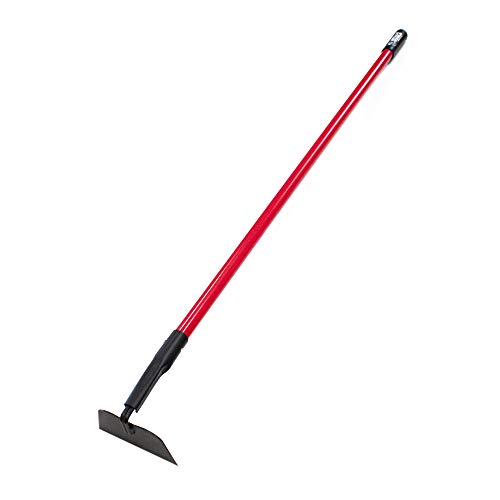
BULLY TOOLS 12-Gauge Draw Hoe, 58-inch Fiberglass

WORKPRO Hoe and Cultivator, 14-inch Wooden Handle
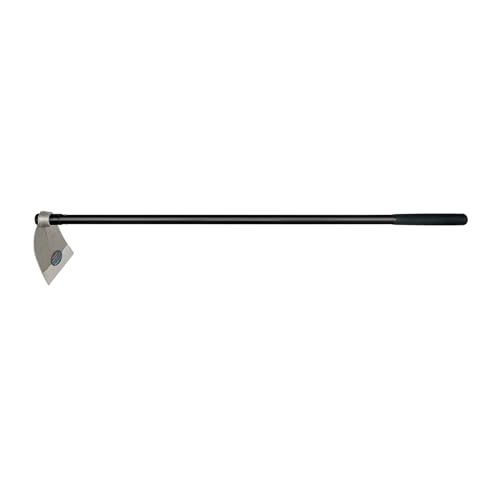
Truper Lane Hoe No. 3, 54-inch Fiberglass
Taking A Closer Look At The Options
The YEELOR Garden Hoe leans into a segmented, full-length build that suits gardeners who want one tool for many soil tasks. The forged steel head carries a rust-proof finish, so a quick rinse and dry after a damp weekend is usually enough to keep it from spotting.
You get a real working end for breaking crusted soil, dragging furrows for seed, and slicing shallow weed roots in vegetable rows. The threaded handle sections thread together with anti-loosening bolts, and they unscrew for tighter storage in a shed or garage corner. Backyard growers who want flexibility without buying a specialty tool will appreciate how it handles loosening, weeding, and leveling in one swing.
Points In Its Favor
- Forged steel head with rust-resistant treatment holds up to wet soil and repeated use.
- Segmented stainless handle breaks down for easier transport in a car or storage bin.
- One tool covers loosening, furrowing, weeding, and leveling for a small plot.
- Anti-loosening bolts keep the head from wobbling once the handle is tightened.
Things To Consider
- The head is a standard draw profile, so it does not slice weeds below the surface the way a stirrup hoe does.
- Reassembling segments each time is a small extra step that some gardeners find tiresome.
Key Specs
Right Fit For
Home gardeners with a mid-size backyard bed who want one hoe for loosening, weeding, and seeding furrows.
Look Elsewhere When
You mainly slice surface weeds in vegetable rows, in which case the COCONUT 62-inch Hula Hoe handles that motion with less effort.
Triangle push-pull hoes are a quiet favorite among market gardeners, and the YEELOR version uses a neutral carbon steel head with an anti-rust coating that shrugs off morning dew. The point and flat edges let you cut in both directions, so each pass clears a strip without the choppy rhythm of a traditional draw hoe.
Unlike the YEELOR Garden Hoe covered above, this one focuses on the weeding and light cultivation side of the job. The stainless handle telescopes up to roughly 57 inches, which keeps your back straighter during long sessions, and a padded cap on the end gives the grip a softer feel when you push. Gardeners with closely planted rows or tight corners get the most out of the narrow triangle profile.
Where It Excels
- Triangular head cuts weeds on both the push and pull stroke, speeding up row work.
- Anti-rust carbon steel holds an edge through damp morning sessions.
- Telescoping handle adjusts to roughly 57 inches, fitting a range of heights.
- Padded end cap softens palm pressure during extended weeding.
Worth Noting
- Triangle heads do not move soil in volume, so this is not a furrowing tool.
- Owners commonly report needing to re-tighten telescoping joints over time.
Best Suited To
Gardeners with closely planted vegetable rows who want a fast, low-impact weeding motion without bending.
Consider Something Else When
You also want to dig furrows or turn soil, in which case the MANXRKUI Draw Hoe with a wide blade is a more capable fit.
The Warren hoe shape has a triangular head that points forward, which makes it surprisingly good at pulling soil into a low mound or dragging a clean furrow for seed. YEELOR builds this one around a thickened stainless shaft, so the weight sits a little forward in the stroke and does some of the work for you.
Where the YEELOR Triangle Garden Hoe pushes and pulls in a flat motion, this model digs a little deeper with each draw. A non-slip silicone sleeve near the top keeps the grip planted when your hands are dusty, and the ergonomic bend in the shaft is meant to ease wrist strain during a long Saturday of bed prep. The trade-off is a heavier feel, which most users describe as steady rather than tiring.
Advantages To Know
- Thickened stainless steel shaft resists flexing under hard pulls.
- Warren-style head excels at furrowing and pulling soil into mounds.
- Non-slip silicone sleeve keeps grip steady with dusty or damp hands.
- 57-inch length suits most adults without forcing a hunched posture.
Trade Offs
- Heavier balance can feel tiring during very long sessions.
- Not designed for surface-level weeding the way a stirrup hoe is.
Made For
Gardeners who regularly dig seed furrows or shape raised beds and want a stiffer, more substantial tool.
Skip It When
Your main task is shallow weeding, where the COCONUT 62-inch Hula Hoe requires far less effort per stroke.
Short-handled combo tools have a place in every small garden, and this COCONUT pick pairs a flat hoe blade with a three-tine cultivator on the back. You flip the head mid-task instead of reaching for a second tool, which matters when you are working a tight flower bed close to the porch.
At 45 inches, this lands well below the full-size picks above, so the trade-off is reach versus control. You trade some of the back-saving length of the YEELOR Warren Hoe for a nimbler head that works well between young plants. The construction is lightweight, and the manufacturer specifically calls out that the blade is not meant for hard, unbroken ground.
What Helps Most
- Double-sided head flips between a chopping blade and a three-tine rake.
- Compact 45-inch length gives more control around delicate plants.
- Lightweight build reduces arm fatigue during detail weeding.
- Works well in small vegetable and flower beds where space is tight.
Points To Keep In Mind
- Not designed for hard, compacted soil; you may need a heavier tool for first-time bed prep.
- Shorter handle means more bending than full-size hoes.
Whose Shelf It Belongs On
Beginners and small-space gardeners who want a single lightweight tool for bed upkeep.
A Better Fit Elsewhere
You are breaking new ground in a large plot, where the BULLY TOOLS 12-Gauge Draw Hoe offers far more bite.
The stirrup hoe, also called a hula or scuffle hoe, works with a back-and-forth slicing motion that skims just below the soil surface. COCONUT pairs that stirrup blade with a cultivator rake on the opposite end, so you can weed a row and then loosen the soil in a single pass.
You stand straighter here than with the 45-inch COCONUT pick above, which makes a real difference over a long afternoon. The handle adjusts, so you can tune the length to your height, and the design is meant to disturb the root zone without digging up the deeper soil structure. Early-season cultivation around young seedlings is where this style of hoe really earns its keep.
A Few Strong Suits
- Stirrup blade cuts weed tops below the surface on both push and pull strokes.
- Adjustable 62-inch reach lets you stand upright while you work.
- Flip-head design adds a cultivator for loosening soil without a second tool.
- Less disruptive to deeper soil than a traditional draw hoe.
Minor Gripes
- Stirrup blades can clog in muddy or root-heavy soil, so a quick tap-out is sometimes needed.
Perfect Match For
Vegetable gardeners who do regular light weeding and want to stand comfortably while doing it.
Not Your Match When
You mostly need to chop hard weeds or dig, in which case the Truper Lane Hoe No. 3 is a sturdier match.
CKLT skips the multi-piece handle in favor of a one-piece 59-inch shaft, which removes one of the common weak points on budget hoes. The trapezoid hoe head is made from spring steel, a steel alloy that flexes slightly under stress rather than cracking, so it can take a misaligned strike without snapping.
The flip side of the head is a small rake that pulls deep-rooted weeds and clears soil from brick joints. Compared with the COCONUT 62-inch Hula Hoe, this one feels more like an all-around workhorse, less like a dedicated weeder. It earns its place in gardens where soil prep and weed cleanup share equal time on the to-do list.
What Makes Sense
- One-piece handle removes the wobble that segmented designs can develop.
- Spring steel head flexes under stress, lowering the risk of cracking.
- Trapezoid blade cuts through compacted soil more cleanly than a flat edge.
- Rake end doubles as a brick-joint cleaner, useful near patios.
Honest Caveats
- Less specialized than a stirrup or Warren hoe for any single task.
- Spring steel can feel stiffer in cold weather, depending on conditions.
Who Should Grab It
All-around gardeners who want a single tool that handles both soil prep and surface weeding.
Another Choice May Suit
You mainly weed vegetable rows, in which case the YEELOR Triangle Garden Hoe is a more focused option.
The MANXRKUI draw hoe pairs a wide 6-inch blade with a 66-inch total length, which adds up to a tool that covers more ground per stroke. The forged steel head has a sharpened edge, and the broad face makes quick work of slicing weed roots just under the surface in open beds.
Compared with the long, narrow head on the YEELOR Warren Hoe, this one feels more like a scraper and less like a furrow digger. The full standing length means you can work without crouching, which most gardeners notice immediately. It is a sensible middle ground between a precision weeder and a full-on field hoe.
Strengths Worth Knowing
- Wide 6-inch blade clears more soil per stroke than narrow profiles.
- Sharpened forged head slices through tough weed roots with a single pull.
- 66-inch total reach keeps you standing upright through long sessions.
- Stainless steel handle resists corrosion through wet seasons.
Room For Improvement
- Wide blade can damage shallow-rooted crops if you are not paying attention.
- Heavier build adds fatigue during very long weeding sessions.
Who Will Love This
Gardeners with open vegetable rows who want fast weed coverage and clean furrows in one tool.
Reach For A Different Pick When
You are working in tight raised beds, where the WORKPRO Hoe and Cultivator handles confined spaces more gracefully.
The 12-gauge steel head on this Bully Tools model is meaningfully heavier than the lighter stamped heads on most budget hoes, and the fiberglass handle with a polyester veil coating holds up to UV and moisture exposure. That matters in toolsheds that see real temperature swings and damp corners.
Where the MANXRKUI Draw Hoe offers a wide blade for fast coverage, the Bully version focuses on durability and a comfortable rubber grip for extended use. Assembly takes only a Phillips screwdriver and pliers, which is a small detail you appreciate on first setup. Gardeners who expect to use the same hoe for a decade rather than a season tend to land here.
Everyday Wins
- 12-gauge steel head resists bending even in hard or rocky soil.
- Fiberglass handle with polyester veil coating holds up to UV and moisture.
- Rubber grip reduces hand fatigue during long weeding sessions.
- Simple Phillips and pliers assembly means no special tools required.
Small Caveats
- Heavier overall build is more tool than a casual weekend gardener needs.
- Standard draw profile is not a substitute for a stirrup weeder.
The Right Fit
Serious home gardeners and small-acreage growers who want a hoe that survives years of regular use.
Swap It Out When
You mostly do light weeding, where the COCONUT 62-inch Hula Hoe is easier on the arms.
Short-handled hoes get a bad rap, but in raised beds and tight corners a 14-inch tool reaches places a full-size hoe cannot. WORKPRO pairs a sharpened hoe blade with a three-tine rake, and the wooden handle gives the tool a familiar, balanced feel in the hand.
You trade the standing reach of the COCONUT 62-inch Hula Hoe for a head that fits between rows of young lettuce or close to drip irrigation lines. Assembly has a small quirk worth knowing: insert the metal parts from the green handle end to seat them properly. For new gardeners learning how much pressure to apply, the shorter handle keeps everything in plain view.
Real-World Strengths
- Compact 14-inch handle fits raised beds and tight corners.
- Two-in-one flip head covers hoeing and light cultivating.
- Wooden handle offers a balanced, easy-grip feel for new gardeners.
- Useful detail work alongside drip lines and delicate plants.
Factors To Consider
- Short handle means more bending during extended sessions.
- Light-duty build is not intended for first-time ground breaking.
- Wood handles benefit from an occasional light oiling to prevent drying.
Built With In Mind
New gardeners and raised-bed growers who do detail weeding close to the soil surface.
Where A Sibling Pick Shines
You have a larger plot to maintain, in which case the CKLT 60-inch Hoe and Rake Combo saves a lot of bending.
The Truper Lane Hoe is the tool you reach for when a backyard feels too small and a half-acre row garden feels about right. The head is forged from a single piece with a central rib, which the manufacturer says helps absorb impact and reduce vibration in the handle. That detail shows up as less sting after a long afternoon in tough soil.
Compared with the Bully Tools 12-Gauge draw hoe above, this model swings heavier and is shaped for chopping, shaping, and turning soil more than fine weeding. The 2.1-pound head does meaningful work, and the pre-sharpened polished edge means less time on a sharpening stone before your first session. If your garden is more homestead than flower bed, this is a sensible match.
A Favorable Mix
- One-piece forged head with central rib absorbs impact and reduces vibration.
- Pre-sharpened polished edge is ready to use straight out of the box.
- 8.5 by 8.5-inch head moves serious soil in a single pass.
- Fiberglass handle holds up to weather across many seasons.
Where It Is Less Suited
- Heavier head and longer handle are overkill for small flower beds.
- Less precise for weeding between closely planted rows.
Right Fit For
Homesteaders and serious vegetable growers who manage larger plots and need a hoe that can take real abuse.
Skip It When
You mainly tend a small backyard garden, where the YEELOR Garden Hoe covers the basics at a more comfortable scale.
What Matters Most Before You Pick a Hoe
A hoe is a long-term tool, and the right shape saves a lot of wear on your body. Think about three things before you settle on one.
First, match the head to the work. Draw hoes with a flat or angled blade, like the MANXRKUI Draw Hoe and the Bully Tools 12-Gauge model, push and pull soil into furrows and chop weeds with a single motion. Stirrup or hula hoes, such as the COCONUT 62-inch Hula Hoe, slice just below the surface in a back-and-forth stroke that suits frequent light weeding. Triangle and Warren shapes fall in between, with the YEELOR Triangle Garden Hoe focused on precision weeding and the YEELOR Warren Hoe built for furrowing and mounding.
Second, look honestly at the handle. Fiberglass resists weather and flexes slightly under load. Stainless steel is stiffer and can transmit more vibration. Wood feels familiar but benefits from an occasional light oil to prevent drying and cracking. Length matters too: full-size 57 to 66-inch handles keep you upright, while compact 14 to 45-inch handles give finer control in raised beds.
Third, weigh the tool. A 2.1-pound head like the Truper Lane Hoe No. 3 is a workout in tough soil, while a lighter stamped head suits soft, well-tilled ground. The honest read is that heavier heads last longer and do more work, but only if your arms and back are up for them. For most weekend gardeners, a mid-weight forged head in the one to two-pound range is the sweet spot.
Key Considerations Across These Picks
Common Shopping Slip Ups
Many gardeners pick a hoe based on handle length alone and end up with a tool that fights the soil. A 66-inch handle is great in an open row but unwieldy in a four-foot raised bed, where a 14-inch handle like the WORKPRO model works much better. Match the tool to the bed, not the other way around.
Another trap is buying a lightweight stamped head for breaking new ground. Those heads flex and dull quickly in hard soil. For first-time bed prep, a heavier forged head, like the one on the Bully Tools 12-Gauge model, earns its weight back in fewer frustrations.
Where The Extra Money Goes
Spending more on a garden hoe generally buys heavier steel, tighter welds, and a handle that survives weather. The Bully Tools and Truper picks sit in that higher tier, with forged heads and weather-resistant fiberglass shafts. The trade-off is weight, which becomes a real consideration during long sessions. For a casual gardener with soft soil, a mid-tier option like the CKLT 60-inch Hoe and Rake Combo offers a sensible balance of build quality and comfort.
Frequently Asked Questions
What is the difference between a draw hoe and a stirrup hoe?
A draw hoe uses a flat or angled blade and works with a chopping or pulling motion. A stirrup hoe, sometimes called a hula or scuffle hoe, has a looped blade that slices weeds below the surface in a back-and-forth push-pull stroke.
How long should a garden hoe handle be?
Most full-size garden hoes run 54 to 66 inches, which lets you stand upright while you work. Shorter handles in the 14 to 45-inch range suit raised beds and detail work, but they do require more bending during longer sessions.
Can a hoe handle hard, compacted soil?
Standard draw hoes with a forged head can break up hard soil, though it takes effort. Lightweight stamped heads and short combo tools are not designed for that work and may bend or dull quickly.
How do I keep a garden hoe from rusting?
Wipe the head dry after use, store the tool in a dry shed or garage, and apply a thin coat of oil to the metal a few times a season. Stainless or rust-resistant coatings help, but a little maintenance goes a long way.
Should I buy a hoe with a wooden, fiberglass, or metal handle?
Wood feels comfortable and absorbs vibration but benefits from occasional oiling. Fiberglass resists weather and flexes slightly, making it a solid all-weather choice. Metal handles are stiffer and durable but can transmit more vibration to the hands.
Bottom Line
A dependable garden hoe comes down to matching the head shape and handle length to the bed in front of you. Light weeding in vegetable rows points toward a stirrup or triangle hoe, while serious soil work rewards a heavier forged draw hoe. Pick the tool that fits the job, treat the metal kindly, and it should serve you for many seasons.
