

A good garden hoe saves your back, your knees, and honestly your sanity during the growing season. The right one slices young weed seedlings off just below the soil line, loosens crusted beds after a hard rain, and pulls up taprooted invaders without throwing out your shoulder. The wrong one flexes, dulls fast, or leaves you hunched over a flower bed in the wrong way. This lineup covers handheld Korean-style homi tools, telescoping cultivators, traditional draw hoes, long-handle trenchers, and stirrup-style scuffle hoes, so you can match the tool to the bed, the soil, and the way you actually garden.
An Overview Of The Picks
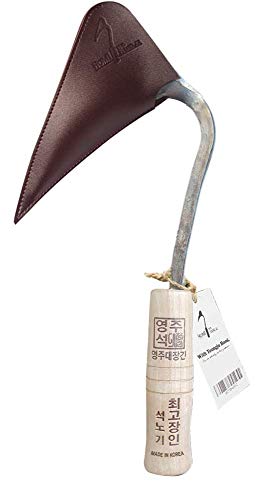
HOMI YOUNGJU Hand Plow Hoe with Safety Cover

Carrie Rowe Portable Garden Weed Tool
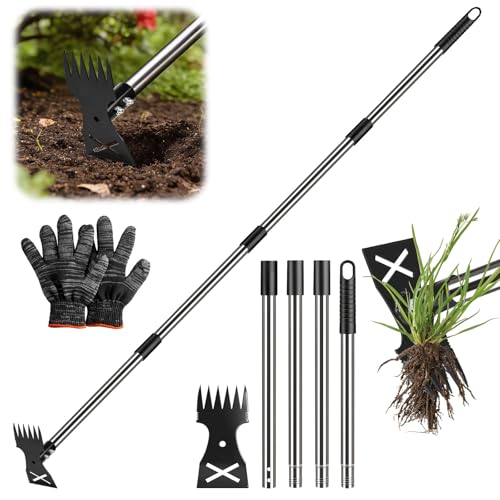
Hivenlly 2-in-1 Weed Rake and Garden Hoe

Corona GT 3060 Extendable Handle Hoe

FmnyYaid All-Steel Hardened Hollow Hoe
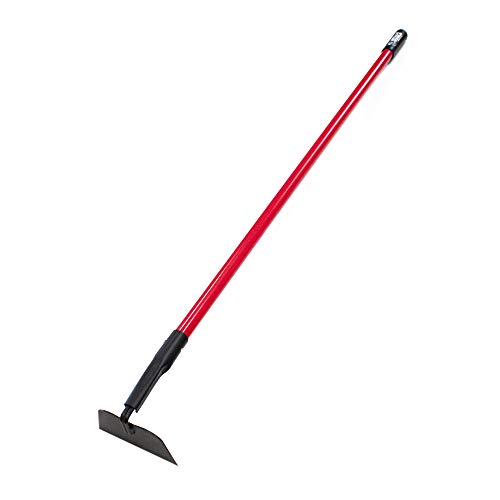
BULLY TOOLS 12-Gauge Garden Hoe with Fiberglass Handle
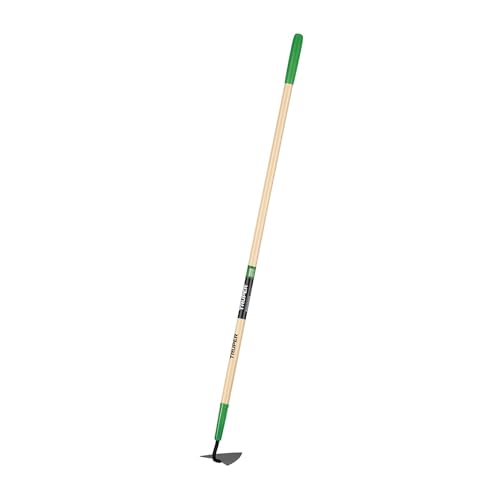
Truper TruTough Welded Warren Hoe 30002

Fiskars Ergo Garden Cultivator Hand Tool

Lilyvane 72-Inch Triangle Trenching Hoe

EUIJOIP 62-Inch Stirrup Hoe and Tiller
A Deeper Look At The Lineup
There is something grounding about a hand-forged tool, and the HOMI YOUNGJU hand plow carries that feel into the modern garden. Built by a Korean blacksmith whose craft spans a lifetime, the blade draws on generations of agricultural know-how, blending digging, grounding, and weeding into one compact head.
For small raised beds, dense perennial borders, or vegetable rows packed tight with root systems, this short-handled hoe gives you the control a long tool simply cannot. Gardeners who prefer working on their knees or crouched close to the soil will appreciate the precision, though anyone with a large plot may want a longer-reach option for open ground.
What Makes Sense
- Hand-forged steel from a single Korean craftsman, giving each tool a distinct feel
- Compact head works well for tight vegetable rows and perennial borders
- Multipurpose shape handles digging, seeding, and weed removal in one tool
- Includes a safety cover for storage in a busy shed or shared space
Points To Note
- Short handle means more kneeling than standing during longer sessions
- Higher cost per tool than mass-produced hoes in the lineup
- Hand-forged finish may show small surface variations that look like flaws
Built With In Mind
Kneeling gardeners working small beds, herb patches, or densely planted vegetable rows where fingertip control matters more than long reach.
Reach For A Different Pick When
The Corona GT 3060 is a better match for gardeners who want to stand upright while working waist-high raised beds.
Light in the hand and unfussy at the workbench, the Carrie Rowe garden weed tool keeps things simple. A hollow-steel design shaves weight without giving up rigidity, and the rubberized handle gives new gardeners something grippy to hold during those first weeding sessions.
Pulling weeds from a backyard vegetable patch or cleaning out a flower border feels less like a workout thanks to that hollow construction. The surface of the steel tends to look a little raw, which can read as cheap at first glance, though the trade-off shows up in lower weight during use.
Well-Handled Touches
- Hollow steel head keeps the tool light enough for longer sessions
- Rubber handle stays comfortable even when hands get sweaty
- Sharp cutting edge handles everyday weeding without much effort
- Multi-use head works for loosening soil, ditches, and seeding prep
Honest Caveats
- Unpolished steel finish may look rough straight out of the box
- Shorter handle limits leverage on stubborn taprooted weeds
- Replacement head availability is limited compared to longer-handle options
Key Product Details
Whose Shelf It Belongs On
Newer gardeners maintaining a backyard vegetable patch who want a forgiving, lightweight tool that handles most chores without a learning curve.
Look Elsewhere When
The Lilyvane 72-inch triangle hoe is a better fit for gardeners working larger plots who need a long handle and more aggressive bite.
Two heads, one shaft, and a length that adjusts to your height: the Hivenlly 2-in-1 is built for gardeners who like a single tool to cover several jobs. The rake side pulls up weeds with six tines, while the flat hoe edge scrapes larger areas and levels soil in one pass.
Compared to the shorter Carrie Rowe tool, this one lets you stand upright during longer sessions, and the adjustable length is a quiet win for households where more than one person shares the same tool. You may find the head transitions slightly looser over time as the connection points wear.
Bright Spots
- Dual-head design swaps between raking and hoeing without a second tool
- Adjustable shaft fits different user heights and bed types
- Long handle reduces back strain during extended weeding
- Flat edge handles light leveling and surface weed clearing
Less Ideal Details
- Two-in-one head tends to be heavier at the working end than single-purpose tools
- Adjustable joints may develop slight wobble after heavy seasonal use
Right Fit For
Household gardeners of varying heights sharing one tool for mixed flower beds, lawn edges, and patio borders.
Swap It Out When
The Fiskars Ergo cultivator is a more natural fit for anyone working mainly in containers or tight balcony spaces.
Raised beds change the rules. You are working at waist height in a confined frame, often inches from delicate root systems, and a clumsy tool can do more harm than the weeds themselves. The Corona GT 3060 answers that exact situation with a telescoping handle that adjusts from 18 to 32 inches and a dual-action head that hoes and cultivates in one motion.
The non-slip red grip stays secure even with damp hands after a morning watering, and the lightweight steel head keeps fatigue low. For wider plots, the short reach works against you, so this stays a raised-bed specialist rather than a field tool.
What Pays Off
- Telescoping handle adapts to different raised bed heights and user preferences
- Steel head combines hoeing and cultivating motions in a single pass
- Non-slip grip reduces hand fatigue during longer sessions
- Compact head fits between plants without damaging roots
Small Limitations
- Short maximum reach limits usefulness on ground-level gardens
- Lightweight build trades some durability for easy handling
Feature Card
Made For
Raised bed gardeners working at waist height who need precise control in narrow rows and planter boxes.
Consider Something Else When
The BULLY TOOLS 12-gauge draw hoe handles open ground and large plots where reach and weight matter more than compact precision.
Heat treatment matters more than people think, and the FmnyYaid hollow hoe leans on that process. The cutting edge goes through high-temperature hardening that keeps it sharp through clay, roots, and small stones, while the all-steel body gives it a solid, no-nonsense feel in the hand.
The hollow shape keeps the tool lighter than a solid forged head of similar size, which matters during the kind of patient weeding that stretches across an afternoon. As with the Carrie Rowe, the unpolished finish looks unfinished at first, though the trade-off shows up only in appearance, not in performance.
Points In Its Favor
- Heat-treated edge holds sharpness through heavy seasonal use
- All-steel construction adds rigidity for tougher soils
- Hollow design trims weight without sacrificing strength
- Multi-purpose head works as hoe, edger, and shovel
Practical Considerations
- Unpolished steel may develop surface oxidation if stored damp
- Smaller head covers less ground per pass than long-handle options
Best Suited To
Gardeners tackling regular weeding sessions in clay or compacted soil who want a sharp, durable edge without a long handle.
Where A Sibling Pick Shines
The Truper 30002 Warren hoe is a smarter pick for gardeners who need to carve furrows and break new ground with a pointed head.
There is a reason serious gardeners gravitate toward heavier hoes. The BULLY TOOLS 12-gauge model is built like a piece of farm equipment: 12-gauge steel head, 58-inch fiberglass handle, rubber grip, and a draw-hoe design that pulls weeds toward you and pops them out cleanly.
For a large backyard plot, a community garden row, or a small homestead, that weight becomes an asset. The fiberglass handle resists moisture and UV damage, and assembly takes only a few minutes with basic tools. Lighter gardeners or those with joint concerns may want a shorter, lighter option.
Useful Highlights
- 12-gauge steel head handles serious cultivation without flexing
- Fiberglass handle resists weather and UV exposure year-round
- Rubber grip reduces hand fatigue during long sessions
- Draw-hoe action dislodges weeds at the root in one pull
Things To Weigh Up
- Heavier head may tire smaller or older gardeners faster
- Full 58-inch length is too long for tight raised bed work
- Some assembly required on arrival
Quick Facts
Perfect Match For
Larger-plot gardeners and homesteaders who want a heavy-duty draw hoe built for years of regular use.
Skip It When
The EUIJOIP 62-inch stirrup hoe suits gardeners who prefer a lighter push-pull motion for surface weeds.
The Warren hoe has a pointed, triangular head that earns its place when you need to break ground, draw furrows, or work between closely planted rows. The Truper 30002 sticks to that classic shape with a 4-3/4 inch head, a 54-inch wood handle, and a 6-inch grip section that gives your lower hand a secure hold.
Owners commonly report that a quick spray with the garden hose and a coat of silicone spray keeps the steel head in good shape between uses. Wood handles need a bit of care over the years, and the traditional look may not appeal to gardeners who prefer modern synthetics.
What Works In Its Favor
- Pointed Warren head cuts furrows and breaks new ground efficiently
- 54-inch handle gives a comfortable working height for most adults
- Clear-coated steel head resists corrosion with basic care
- Wood handle absorbs vibration and feels natural in the hand
Trade-Offs To Consider
- Wood handle can crack or splinter if left in damp conditions
- Smaller 4-3/4 inch head covers less area per stroke
Who It Suits Best
Traditional gardeners who want a classic pointed hoe for furrowing, edging, and working between established rows.
Where Another Pick Suits Better
The Hivenlly 2-in-1 is a better fit when one tool needs to cover both raking and hoeing without a wooden handle.
Not every weeding job calls for a long handle. Container gardens, herb pots, and tight flower beds reward a compact hand tool, and the Fiskars Ergo cultivator fits that role with polished aluminum tines and a soft, ergonomic grip. At roughly 3 by 4 by 13 inches, it slips into a potting tray without a fight.
The aluminum head resists rust and the tines break up soil without bending under normal use. Reach is the obvious trade-off, so anyone tending a large vegetable bed will want a long-handle partner like the BULLY TOOLS model.
What Stands Out
- Compact size fits easily into containers, pots, and tight spaces
- Polished aluminum tines resist rust and stay light
- Ergonomic grip reduces hand strain during detail work
- Hang hole simplifies storage on a shed wall or pegboard
A Few Limitations
- Short reach limits usefulness on open ground or large beds
- Aluminum tines can bend if forced into heavy clay or root masses
- Not a substitute for a full-size hoe in bigger gardens
At A Glance
Who Will Love This
Container gardeners, apartment growers, and anyone tending a small herb collection who values precision over reach.
Not Your Match When
The HOMI YOUNGJU hand plow is a more characterful option for gardeners who want a forged short tool with a bit more bite.
Long-handle hoes earn their keep on large plots, and the Lilyvane 72-inch trenching hoe stretches that reach to its limits. The triangular blade drives deep into compacted soil, cuts through weed roots, and opens shallow trenches for planting rows or edging beds.
For gardeners working a full backyard of vegetable rows or reshaping the edges of a long flower border, that reach saves a lot of bending. The long handle can feel unwieldy in tight raised beds, where something like the Corona GT 3060 stays more controlled.
Why It Works Well
- 72-inch handle keeps you upright across large open plots
- Triangular blade cuts deep into compacted or rocky soil
- Sharp edge handles taprooted weeds without repeated passes
- Multi-use head works for digging, edging, and trenching
Some Limits To Know
- Long handle becomes awkward in tight raised beds
- Longer shaft can flex slightly under aggressive strokes
Made For
Large-plot gardeners shaping rows, trenching irrigation lines, or tackling deep-rooted weeds across open ground.
Another Choice May Suit
The Corona GT 3060 is a more natural fit for gardeners who want a telescoping reach built around raised beds and planters.
Stirrup hoes, sometimes called scuffle hoes, work on a different principle than draw hoes: you push and pull the blade just under the soil surface and slice weeds off at the root without flipping the bed. The EUIJOIP 62-inch model pairs that stirrup blade with a tiller side and an adjustable handle, giving you two motions in one tool.
For gardeners who spend a lot of time on their feet moving through rows, the push-pull action saves shoulders and wrists compared to swinging a draw hoe. The sharpened stirrup does its best work on young weeds; mature, deep-rooted invaders may still call for a pointed Warren head like the Truper 30002.
Strengths Worth Knowing
- Push-pull stirrup blade handles frequent weeding with less fatigue
- Adjustable handle fits different user heights
- 2-in-1 head pairs scuffle blade with tilling spurs
- Long 62-inch reach covers open ground without bending
Things To Consider
- Stirrup blade works best on smaller, younger weeds
- Loose or rocky soil can clog the open blade design
- Adjustment fittings may loosen after heavy seasonal use
Feature Snapshot
Best Suited To
Standing gardeners maintaining larger open beds who prefer a quick, low-impact weeding motion over heavy chopping.
A Better Fit Elsewhere
The BULLY TOOLS 12-gauge draw hoe is the right call when weeds are large, woody, and need a forceful pull to dislodge.
Choosing The Right Garden Hoe For Your Beds
A garden hoe is not one-size-fits-all, and the head shape, handle length, and weight all shift the experience. The wrong match for your bed type or soil turns a quick chore into an aching afternoon, while the right one disappears in the hand and gets the work done.
Match The Head To The Job
Draw hoes with flat blades pull weeds toward you and chop at the surface, which suits open ground and large plots. Warren hoes use a pointed, triangular head that drives into compacted soil and draws furrows. Stirrup hoes work with a push-pull scuffle motion that skims just below the surface, ideal for fast weeding on loose soil. Hand hoes like the HOMI YOUNGJU or Fiskars cultivator give close-up control in tight spaces where long handles get in the way.
Think About Handle Length And Reach
Long handles (50 to 72 inches) keep you upright across large plots, but they feel unwieldy in tight raised beds. Short handles (under 32 inches) give you precision and control, at the cost of more bending or kneeling. Telescoping shafts like the Corona GT 3060 cover a middle ground, and adjustable multi-piece handles like the Hivenlly 2-in-1 or EUIJOIP stirrup hoe let several people share one tool.
Weigh Construction And Comfort
Steel heads hold an edge longer and handle tough soil, while aluminum heads stay light and resist rust for smaller jobs. Hollow steel designs cut weight without giving up much rigidity. Handle material affects feel and longevity: fiberglass resists weather, wood absorbs vibration but needs drying time, and padded grips reduce hand fatigue during long sessions.
Picking Considerations Across These Tools
Where Shoppers Go Wrong
The most common slip is buying a long-handle field hoe for a small raised bed and finding it impossible to control in tight rows. The other is choosing a sharp, light hand tool for an open plot, then realizing the work is too slow and tiring. Match the head and reach to the bed size first, then think about weight and material.
Where The Extra Money Goes
Premium picks like the BULLY TOOLS 12-gauge model and the HOMI YOUNGJU hand-forged hoe cost more because of thicker steel, welded or hand-forged construction, and handles designed to last a decade rather than a few seasons. For a small herb patch, the extra spend rarely matters. For a large plot, a community garden, or a long-term homestead, a heavier, well-built hoe pays for itself in fewer replacements and faster work.
Frequently Asked Questions
What type of garden hoe is best for weeding?
For most home gardens, a stirrup or scuffle hoe covers frequent weeding quickly with a push-pull motion, while a draw hoe handles larger, deeper-rooted weeds with a pulling stroke. Raised bed gardeners often prefer short-handle or telescoping hoes for control.
How do I keep a garden hoe from rusting?
Wipe the blade dry after each use, store it indoors or in a dry shed, and apply a light coat of oil or silicone spray periodically. For wood-handle hoes like the Truper 30002, store the tool upright or hanging so the handle does not sit in damp soil.
How long should a garden hoe handle be?
A good rule is that the handle should reach your chin or nose when stood upright on the ground. Shorter gardeners often prefer 54 to 58 inches, while taller gardeners may want 60 to 72 inches for upright comfort.
Can one hoe handle all weeding tasks?
A versatile 2-in-1 like the Hivenlly or EUIJOIP covers most jobs in a small yard. Larger plots, deep taproots, or specialty tasks like trenching usually call for a second tool with a more focused head shape.
How sharp should a garden hoe be kept?
Sharp enough to slice through soft weed stems with light pressure. A quick file pass along the original edge angle every few sessions keeps the tool effective without thinning the steel over time.
Closing Remarks
The best garden hoe is the one that matches the size of your beds, the way you like to work, and the weeds you actually face. Try a short-handle or telescoping option for tight raised beds, a stirrup or draw hoe for larger plots, and keep a compact hand tool like the Fiskars cultivator for containers. Match the tool to the job, and weeding becomes a quick weekly habit rather than a backbreaking chore.
