

Picking grass seed in Kentucky means balancing clay-heavy soils, hot humid summers, and unpredictable winters that swing from freezing rain to mild stretches. You want blades that green up fast in spring, survive July’s heat, and still look respectable when fall football season starts. The picks below span pure Kentucky bluegrass, cool-season blends, tall fescue mixes, and a couple of heat-tolerant hybrids for southern parts of the state, so you can match seed to your region and your maintenance appetite.
The Lineup, Simplified
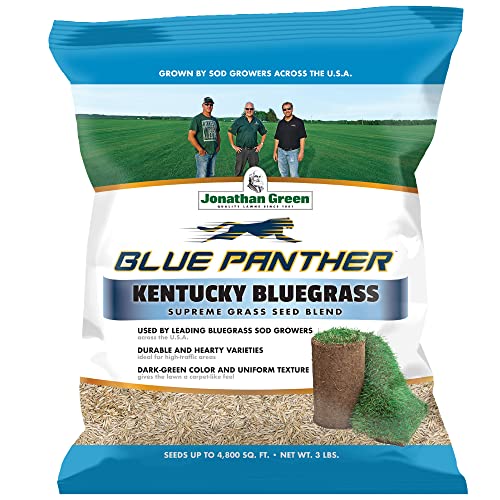
Jonathan Green Blue Panther Kentucky Bluegrass Grass Seed (3 lb)

Jonathan Green Black Beauty Rocky Mountain Colorado Grass Seed Mix (7 lb)

Jonathan Green Blue Panther Bermudagrass Grass Seed (4 lb)

Jonathan Green Black Beauty Ultra Grass Seed (25 lb)

GreenView Pure Grass Seed Kentucky Bluegrass Blend (3 lb)

Scotts Kentucky 31 Grass Seed Mix (20 lb)

Outsidepride SPF-30 Hybrid Bluegrass Seeds (5 lb)
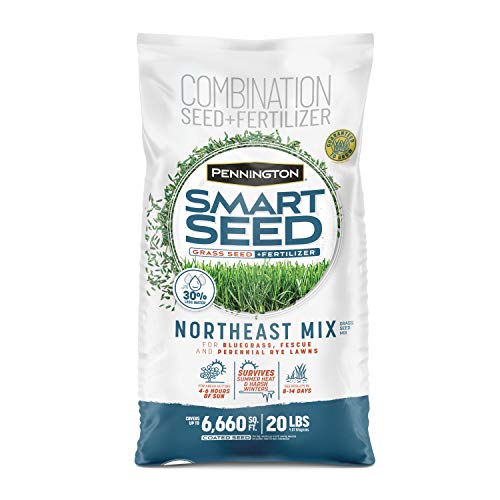
Pennington Smart Seed Northeast Mix (20 lb)

Scotts Grass Seed Drought Tolerant Mix (4 lb)

O.M. Scott & Sons Tall Fescue Blend Grass Seed (8 lb)
A Breakdown Of The Leading Choices
If a thick, dark-green carpet of Kentucky bluegrass is your finish line, this bag leans into that goal hard. It’s a 100% KBG blend sourced from the same varieties leading sod growers favor across the country, which is meaningful if you’ve watched thinner generic blends struggle through July.
The 3 lb size suits smaller lots, patch repairs, or overseeding a thinning section without committing to a 25 lb sack. You can also use it to start a fresh KBG lawn from scratch, which is the route homeowners tend to take when the existing turf is past saving.
Useful Highlights
- Pure KBG formula delivers the classic color and density most homeowners picture when they think “bluegrass lawn”.
- Works for both new lawn establishment and overseeding thin spots, so you don’t need two products.
- Draws on varieties used by professional sod growers, which usually means stronger sod-quality results over time.
- Self-spreading rhizome growth fills small gaps naturally once established, reducing how often you reseed.
Things To Consider
- Bluegrass needs consistent watering during establishment and tends to brown out in extended drought without irrigation.
- Germination runs slower than ryegrass-based mixes, so patience matters during the first few weeks.
- 3 lb covers a modest area, which may not be enough for larger properties without buying multiples.
Key Specs
Who It Suits Best
Homeowners in central and northern Kentucky who want a traditional bluegrass lawn and are willing to water through dry stretches.
Where Another Pick Suits Better
The GreenView Pure Grass Seed Kentucky Bluegrass Blend makes more sense if your yard mixes heavy shade with sunny patches.
This blend was built for the cool, semi-arid stretches of Colorado, Montana, Utah, and Wyoming, so it carries more cold tolerance than your average bluegrass mix. In Kentucky, that translates well to higher-elevation yards in the eastern hills where temperatures stay a notch cooler than the Bluegrass region.
It pairs Black Beauty turf-type tall fescues with Blue Panther Kentucky bluegrass and a touch of elite perennial rye. The result is a multi-species mix that handles varied light, recovers from wear, and gives you more species diversity than the pure KBG pick above.
What It Does Well
- Three-species blend spreads risk: fescue anchors in drought, bluegrass fills in, rye pops up fast.
- Handles both sunny and partially shaded sections, useful for yards with mature trees.
- Better cold tolerance than straight bluegrass, helpful in elevated eastern Kentucky counties.
Worth Noting
- Formulated for the Rockies rather than Kentucky, so results may vary in the state’s warmer western reaches.
- Multi-species mixes can show uneven color or texture if one species dominates in your microclimate.
Right Fit For
Homeowners in Kentucky’s higher-elevation or cooler pockets who want a diverse cool-season blend that handles semi-shady conditions.
Skip It When
The Outsidepride SPF-30 Hybrid Bluegrass Seeds suit you better if your lawn bakes in full sun through long, humid summers.
Bermudagrass is the warm-season workhorse of the South, and this Jonathan Green version was built for southern state climates. In Kentucky, that means it’s a smart fit for the southern tier and the hotter western reaches where cool-season grass struggles by mid-July.
Strong vertical and lateral rooting helps the lawn knit together fast, and the formulation is intended to cut back on the need for winter overseeding common to traditional Bermudagrass. That can save you a fall seeding pass and the cleanup that comes with it.
What Stands Out
- Aggressive root system establishes dense turf quickly, useful for bare-soil projects.
- Warm-season profile means it thrives in the heat where Kentucky bluegrass sulks.
- Designed to reduce winter overseeding, simplifying yearly maintenance compared to older Bermudagrass varieties.
Trade Offs
- Goes dormant and turns brown after the first hard frost, which can be jarring if you’re used to a green winter lawn.
- Doesn’t belong in northern Kentucky where winters are too cold for reliable Bermudagrass survival.
Key Specs
Made For
Homeowners in southern and western Kentucky who prefer a warm-season lawn that takes the heat in stride.
Consider Something Else When
The Jonathan Green Black Beauty Ultra Grass Seed is the better match for central and northern Kentucky where cool-season turf dominates.
The 25 lb Black Beauty Ultra is built for projects that swallow seed, whether that’s a brand-new half-acre or finally filling in the bare patches your last project left behind. It germinates quickly, which matters when you’re staring at a dirt patch and don’t want to wait three weeks for any sign of life.
The blend pulls in tall fescues, Kentucky bluegrass, and perennial rye to give you a darker, denser turf than a single-species bag. For most Kentucky lawns in the central and northern parts of the state, this mix sits right in the sweet spot of durability and appearance.
Key Advantages
- 25 lb bag covers substantial ground, ideal for new lawns over several thousand square feet.
- Multi-species blend produces a darker green color than straight fescue or straight rye.
- Quick germination rate shortens the vulnerable window before the lawn is usable.
- Doubles as an overseeding bag for large thinning lawns, not just full reseeding projects.
Points To Note
- Bulk size can be wasteful for small patch repairs where a 3 lb or 4 lb bag is a better fit.
- Requires more prep work than smaller bags, including potentially renting a spreader for even coverage.
Best Suited To
Homeowners with mid-to-large Kentucky yards starting from scratch or doing a major overseed in fall.
Not Your Match When
The GreenView Pure Grass Seed Kentucky Bluegrass Blend is a smarter pick for small lawns where bag size matters more than species count.
GreenView’s take on Kentucky bluegrass focuses on adaptability. The blend is uncoated, which means more actual seed per pound, and it’s formulated to grow in a wide range of common soil types. For a Kentucky yard with mixed soil from past landscaping, that flexibility removes a lot of guesswork.
The sun-and-shade tolerance makes this a strong option for established neighborhoods with mature trees casting uneven light. Coverage runs 1,500 sq. ft. for a new lawn and 3,000 sq. ft. for overseeding, so the 3 lb bag suits modest yards and patch jobs well.
Reasons It Performs
- Adapts to common soil types, reducing the need for heavy soil amendments before sowing.
- Tolerates both full sun and light shade, useful for mixed-light Kentucky yards.
- Uncoated seed maximizes the count of viable seeds per pound you actually pay for.
Honest Caveats
- As a bluegrass blend, it still needs steady moisture during establishment to germinate evenly.
- Light shade tolerance is the limit; deep shade under dense tree canopies will thin this lawn out over time.
Key Specs
Who Should Grab It
Kentucky homeowners with smaller yards and mixed light who want a flexible bluegrass blend that doesn’t demand perfect soil.
Another Choice May Suit
The Pennington Smart Seed Northeast Mix serves you better if you want a built-in fertilizer component alongside the seed.
Kentucky 31 tall fescue has been a backbone grass for decades, and Scotts pairs it with other varieties in this 20 lb mix for a thicker, more uniform stand than seed alone delivers. If your lawn takes abuse from kids, dogs, or weekend football, the durability of tall fescue is hard to beat.
Compared to the pure-KBG Jonathan Green pick above, this is a low-maintenance alternative. You give up some of the fine bluegrass texture, but you gain a turf that stays green through dry spells with less babysitting.
A Strong Showing
- Tall fescue base resists wear and recovers from foot traffic better than bluegrass alone.
- 20 lb bag covers a large area, useful for bigger Kentucky properties.
- Lower maintenance profile than pure bluegrass, including better drought tolerance with deep roots.
Softer Spots
- Texture is coarser than Kentucky bluegrass, which some homeowners notice side-by-side with finer blends.
- May not deliver the same dark-green color as a bluegrass-dominant mix in peak growing season.
Perfect Match For
Active Kentucky households with kids or pets who prioritize durability and low maintenance over golf-course texture.
Reach For A Different Pick When
The Jonathan Green Black Beauty Ultra Grass Seed suits you better if you want darker color and a finer blade alongside the durability.
SPF-30 is a hybrid cross of Texas bluegrass and Kentucky bluegrass, which sounds technical but means one thing: bluegrass texture with better heat and drought tolerance. For the hot western reaches of Kentucky or any yard that bakes in full sun, this widens where bluegrass can realistically survive.
The OptiGrowth coating helps with establishment, and the hybrid’s self-repairing nature fills in small damage without intervention. For a low-input lawn in a tough microclimate, this is one of the more interesting options on the list.
Standout Benefits
- Heat and drought tolerance expands where bluegrass can thrive in Kentucky.
- OptiGrowth coating improves establishment success compared to uncoated seed.
- Self-repairing growth pattern reduces the need to overseed small damaged spots each year.
Minor Gripes
- Specialty hybrid seed typically costs more per pound than standard bluegrass blends.
- May be harder to find locally than mainstream bluegrass or fescue mixes, so buying ahead of seeding season helps.
Feature Snapshot
Who Will Love This
Kentucky homeowners in full-sun, hot microclimates who want bluegrass character without the summer struggle of traditional varieties.
A Better Fit Elsewhere
The Scotts Grass Seed Drought Tolerant Mix serves you better if you want a fescue-KBG combo for general drought resistance.
Pennington’s Smart Seed line bundles seed and starter fertilizer into a single bag, which simplifies the early feeding step most homeowners forget or get wrong. For a Kentucky yard getting four to six hours of sun, this Northeast Mix hits the mark without overpromising for shadier or sunnier spots.
The blend combines perennial ryegrass, Kentucky bluegrass, and tall fescue, so you get quick ryegrass germination, bluegrass density over time, and fescue durability. It’s a “set it and forget it” bag for the partial-sun lawn.
Noteworthy Benefits
- Built-in starter fertilizer removes a step and helps the lawn establish faster.
- Three-species blend balances quick cover, density, and durability for Kentucky’s climate.
- 20 lb size covers meaningful area, suitable for mid-sized yards.
Worth Bearing In Mind
- Formulated for partial sun (4 to 6 hours), so it underperforms in deep shade or full all-day sun.
- Bag includes fertilizer, so you shouldn’t add a heavy starter fertilizer on top or you risk burning new seedlings.
Right Fit For
Kentucky homeowners with partial-sun lawns who want seed and starter nutrients in one bag without buying separately.
Swap It Out When
The Outsidepride SPF-30 Hybrid Bluegrass Seeds suit you better if your lawn gets blasted by full sun all afternoon.
Scotts’ drought-tolerant mix is built around deep roots that reach water lower in the soil, which is the real story behind any grass that holds up through dry spells. The 99.99% weed-free seed claim also means less crabgrass and foxtail showing up in your new lawn.
The blend pairs tall fescue with Kentucky bluegrass, so you keep the bluegrass look while gaining fescue’s deep-root resilience. The 4 lb pack-of-six format makes sense for bigger projects, but you can also buy a single bag for smaller repairs.
The Case For It
- Deep-rooted fescue component taps subsoil moisture during dry periods.
- Self-repairing growth pattern fills small bare patches over time.
- Works for both new lawns and overseeding existing turf.
Practical Considerations
- Best results require spring or fall application with air temperatures between 65°F and 85°F, so timing matters.
- Higher Kentucky bluegrass content means some summer dormancy is still possible in extreme heat.
Feature Rundown
Built With In Mind
Kentucky homeowners who want a low-irrigation lawn that still leans on traditional cool-season species.
Look Elsewhere When
The Outsidepride SPF-30 Hybrid Bluegrass Seeds suit you better if drought tolerance is the single top priority in a full-sun yard.
O.M. Scott & Sons leans on more than a century of lawn experience, and this tall fescue blend strips the decision down to one species that does one thing well. For homeowners who don’t want to think about species ratios, a focused fescue blend removes a layer of complexity.
No added extras in the formulation, just a straightforward fescue mix aimed at durability and decent curb appeal. The 8 lb bag is a comfortable middle size for a typical Kentucky yard, and the brand’s deep roots in the lawn care space mean consistent availability.
Practical Advantages
- Simple, single-species formula is easy to understand and predict in performance.
- Tall fescue delivers strong drought tolerance and wear resistance for Kentucky conditions.
- Mid-size 8 lb bag suits average suburban lots without going overboard.
A Few Limitations
- No bluegrass or rye in the blend, so the lawn lacks the finer texture of multi-species mixes.
- Color tends to be a lighter green than bluegrass-dominant lawns in peak season.
Whose Shelf It Belongs On
Kentucky homeowners who want a no-fuss, durable tall fescue lawn without juggling multiple species or special coatings.
Where A Sibling Pick Shines
The Jonathan Green Black Beauty Ultra Grass Seed fits better if you want darker color and more species diversity in a larger bag.
Choosing The Right Grass Seed For Your Kentucky Lawn
Start with your USDA hardiness zone, which in Kentucky runs mostly 6a through 7a. Northern counties lean cool-season, southern counties flirt with warm-season options, and the middle of the state is the classic “transition zone” where neither pure bluegrass nor pure Bermudagrass feels fully comfortable. Matching your seed to your zone is the first decision; matching it to your yard’s light and soil is the second.
Kentucky bluegrass earns its reputation for color and density, but it needs more water and slower germination than tall fescue or ryegrass. Tall fescue delivers durability and drought tolerance with deeper roots, which matters during July dry spells. Perennial ryegrass germinates fast and stabilizes soil, which is why it shows up in blends rather than as a standalone Kentucky lawn. Warm-season Bermudagrass and Texas-Kentucky hybrids handle the heat but go dormant at the first frost, so think about whether you want a green winter lawn or can accept the brown season.
Pay attention to bag size and coverage rates. A 3 lb bag fits a small patch; a 20 to 25 lb bag covers most suburban lots. Coated seed costs more per pound but germinates more reliably in tough conditions. Uncoated seed gives you more actual seed per dollar. Timing matters more than most people realize: fall seeding in September or October typically beats spring seeding in Kentucky because the soil stays warm while the air cools, and weeds back off.
What To Know Before You Buy
Wrong Turns To Avoid
Buying a warm-season Bermudagrass bag for a northern Kentucky yard leaves you reseeding every spring. Grabbing pure Kentucky bluegrass for a full-sun southern Kentucky yard means watching it crisp up by August. Skipping a soil test is the most common miss, since pH imbalance quietly sabotages germination. Most Kentucky soils sit slightly acidic, and a quick home test tells you whether lime is needed before you sow.
The Upgrade Payoff
Higher-tier blends typically add bluegrass or hybrid varieties to a fescue base, giving you finer texture, darker color, and the self-spreading recovery that cheaper bags lack. Specialty hybrids like the Texas-Kentucky cross cost more per pound but expand where bluegrass can survive, which saves reseeding in tough microclimates. The extra spend pays off when your lawn holds together through weather that would have torn a budget blend apart.
Frequently Asked Questions
When Is The Best Time To Plant Grass Seed In Kentucky?
Early fall, roughly mid-August through mid-October, gives Kentucky seedlings warm soil and cool air to establish before winter. Spring seeding works but competes with weed pressure and summer heat stress on young roots.
How Much Seed Do I Need For My Yard?
Check the bag’s coverage chart for both new lawn and overseeding rates. New lawns typically need twice the seed per square foot that overseeding does, so factor in whether you’re starting fresh or thickening what’s there.
Can I Mix Different Grass Seeds Together?
You can, and many homeowners blend KBG with fescue to balance color and durability. Just keep the ratios sensible and avoid mixing warm-season and cool-season species in the same lawn, since one will go dormant while the other thrives.
How Long Does It Take For Kentucky Grass Seed To Germinate?
Perennial ryegrass can sprout in 5 to 10 days, tall fescue in 7 to 14 days, and Kentucky bluegrass in 14 to 21 days. Full establishment takes several weeks longer, so water consistently and limit foot traffic during the first month.
Do I Need To Water New Grass Seed Every Day?
Light, frequent watering once or twice daily keeps the top inch of soil moist during germination. Once blades reach mowing height, shift to deeper, less frequent watering to encourage deep root growth.
Wrap Up
The right grass seed for your Kentucky lawn depends on where you live in the state, how much sun your yard gets, and how much time you want to spend watering and mowing. Pure bluegrass rewards careful owners, tall fescue forgives the rest of us, and hybrids bridge the gap in tough spots. Match the seed to your conditions, seed in fall when you can, and you’ll spend less time fixing the lawn and more time enjoying it.
