

Starting herbs from seed in pots is one of those small kitchen projects that pays you back every time you cook. The right setup matters: a sunny windowsill, a pot that drains well, and seeds that actually sprout. This roundup covers eight picks that make container herb gardening feel less like guesswork and more like a routine you can keep up, whether you’re working with a fire escape, a kitchen counter, or a narrow patio rail.
A Side-By-Side Look

JERIA 50-Pack 3.15 Inch Peat Pots
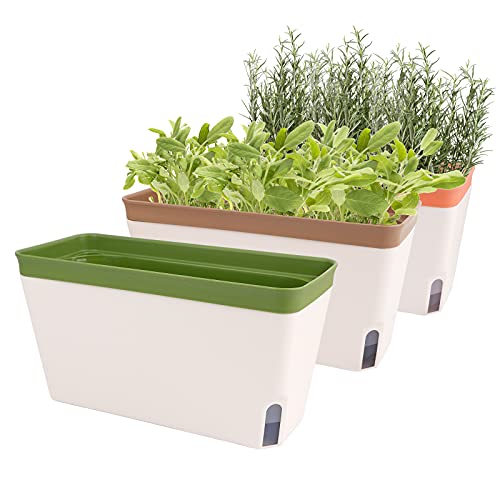
OurWarm Windowsill Herb Planter Box Set of 3
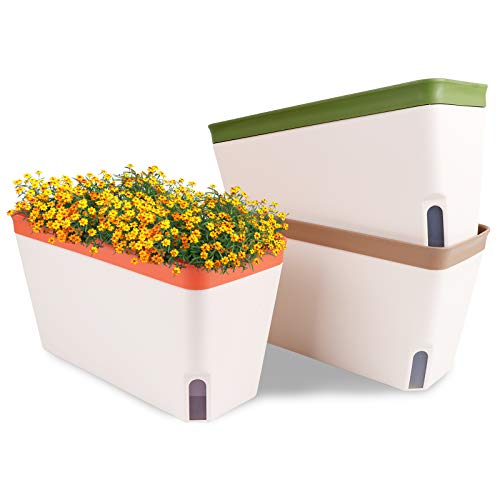
OurWarm 3 Pack Self Watering Herb Planter Set

LOCONHA 7 Pack Window Box Planter
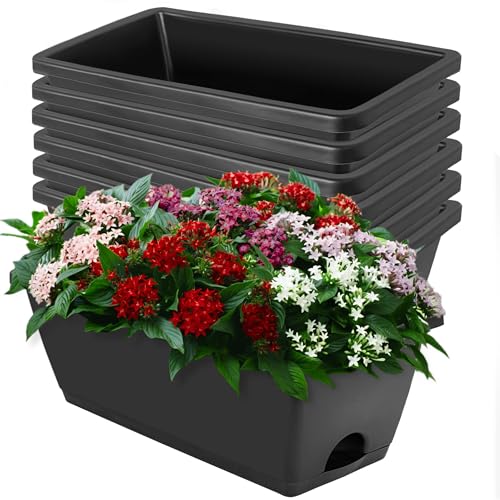
LOCONHA 7 Pack Window Box Planter

LOCONHA 7 Pack Window Box Planter
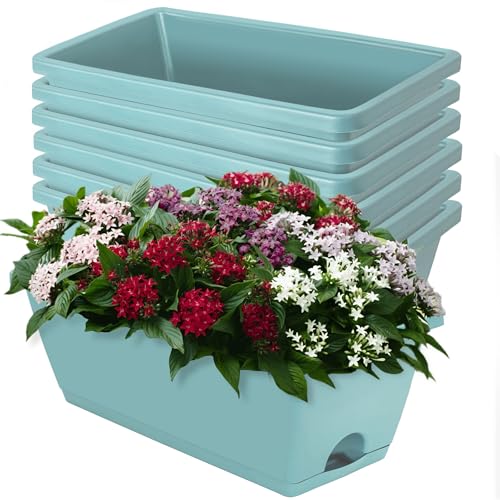
LOCONHA 7 Pack Window Box Planter

Meekear 5 Herb Seeds Garden Starter Kit
If you’ve ever fussed with transplanting fragile seedlings and watched roots tear, peat pots solve that problem by skipping the transplant entirely. You start the seed in the pot, the pot goes into the soil, and the container breaks down on its own. For container herb gardening, that means basil and parsley move from your windowsill to a bigger patio pot without a single root disturbance.
The 50-pack size makes sense for anyone who wants to start multiple herbs at once and not ration them. Each pot runs 3.15 inches across, which fits most seed-starting trays and standard windowsill setups. The included plant labels are a quiet but real perk, since unmarked pots become a guessing game once the cotyledons (the first pair of leaves a seedling pushes up) come in.
What Helps Most
- Plantable pots remove transplant shock, which is the most common reason young herbs stall after moving outside.
- Molded pulp breathes like clay, so roots get airflow and are less prone to rot in heavy potting mixes.
- Fifty pots plus fifty matching labels give you enough room to start a full herb rotation without running short.
- Biodegradable material works into the soil naturally, so there’s no plastic to clean up at season’s end.
Things To Consider
- Pulp pots dry out faster than plastic, so a daily glance at soil moisture is wise during germination.
- Walls can get soggy if you overwater, so drainage trays underneath are nearly essential.
- Best used as a starter, then transplanted, since the 3.15-inch size won’t sustain a mature basil plant for long.
Key Specs
Made For
First-time seed starters and anyone starting a multi-herb windowsill garden who wants a clean, no-transplant route.
Consider Something Else When
You’d rather skip the seed-starting step entirely, in which case the OurWarm 3 Pack Self Watering Herb Planter Set is a better fit for buying starter plants.
The OurWarm set leans into a problem most indoor herb growers know too well: forgetting to water until the cilantro has gone limp. Two cotton ropes sit in a reservoir and wick moisture up into the soil through osmosis, which is the slow movement of water through the rope fibers into the root zone. For anyone with an unpredictable schedule, that passive delivery system is the whole selling point.
Three matching 10.5-inch pots give you room for a small kitchen herb trio, basil, parsley, and chives, lined up along a windowsill without crowding. The visual water window on the side is the kind of detail that sounds minor until you’ve lifted a pot to check the reservoir for the tenth time in a week.
Notable Gains
- Cotton wick design keeps soil consistently moist, so herbs don’t crash after a missed watering.
- Side water-level window removes guesswork about reservoir fill, which is useful in low-light corners.
- Three coordinated pots make a tidy windowsill display without buying odd singles.
- Plastic build is light enough to move for cleaning or chasing afternoon sun.
Points To Keep In Mind
- Cotton ropes may need replacing after a season, since mineral buildup can slow wicking.
- Reservoir volume is modest, so during hot weather you may still need to top up twice a week.
Feature Snapshot
Who It Suits Best
Frequent travelers and busy apartment dwellers who want herbs that survive a long weekend without intervention.
Look Elsewhere When
You need a long planter for a railing, where the LOCONHA 7 Pack Window Box Planter offers more length per box.
Where the previous OurWarm set leans on cotton wicks, this version uses a dual-layer pot design that separates the water reservoir from the root zone. The visible water indicator sits on the side, so you can read the fill level at a glance. For a grower who’s lost a basil plant to root rot one too many times, that separation between wet and dry is reassuring.
At 10.5 inches across, each pot holds enough soil to keep a mature herb productive rather than just getting it started. The dual-layer approach also tends to outlast wick-based systems, since there’s no rope to clog or replace. For most kitchens, three of these arranged by a sunny window give you a steady rotation of fresh-cut herbs.
Positive Takeaways
- Dual-layer design keeps roots out of standing water, reducing the rot risk that plagues indoor pots.
- Side water-level indicator takes the guesswork out of refilling.
- Three-pots-in-a-pack layout is sized for a typical 36-inch windowsill.
- Plastic shell wipes clean, which matters when soil spills happen mid-repot.
Worth Noting
- Lighter herbs like dill can get top-heavy in the wider 10.5-inch footprint if not rotated.
- Reservoir still requires periodic flushing to prevent algae in bright windows.
Quick Facts
Perfect Match For
Kitchen cooks who want a low-maintenance windowsill garden with herbs that survive a few days without attention.
A Better Fit Elsewhere
You’d rather start herbs from seed in biodegradable pots, in which case the JERIA 50-Pack Peat Pots make more sense as a starting point.
Window boxes turn a flat railing into a working herb garden, and buying seven at once means you can line a long stretch without gaps. The plastic build keeps the weight down, which matters if you’re mounting on a balcony rail where heavy ceramic would be a problem. For renters, that low weight also means no permanent install.
The smooth interior surface is easier to wipe than textured resin, so a quick rinse at season’s end is usually enough. Seven boxes also give you enough room to separate aggressive herbs like mint from slower growers, which is a real concern when mint shares soil with parsley.
A Few Strong Suits
- Seven boxes let you spread herbs out, so mint and basil aren’t fighting for the same root space.
- Lightweight plastic works on railings that can’t handle ceramic weight.
- Smooth surface wipes clean without scrubbing, which speeds up seasonal turnover.
- Recyclable plastic keeps end-of-season disposal low-fuss.
Honest Caveats
- Plastic can fade in direct afternoon sun over a couple of seasons.
- Drainage holes usually need to be checked or added before planting.
Best Suited To
Renters and balcony gardeners who want a long, segmented herb line without committing to heavy planters.
Skip It When
You’re growing only one or two herbs on a kitchen counter, where the OurWarm 3 Pack Self Watering Herb Planter Set is more proportional.
This LOCONHA variant shares its dimensions with the previous window box but is sold through a different listing, which is useful when one listing is out of stock. The plastic build is sturdy enough for an outdoor railing through a full growing season and light enough to move when you’re rearranging the patio.
For anyone starting a sizable container herb garden on a tight footprint, the seven-box count is the real story. You can dedicate one box per herb type and still have room for leafy greens like arugula in the extras. The recyclable plastic also keeps the end-of-season cleanup simple, since most municipal recycling streams accept this material.
Where It Delivers
- Seven-box count handles a full herb rotation plus a few extras for salads.
- Recyclable plastic supports an easier end-of-season teardown.
- Sturdy build holds up to rain and sun without cracking.
- Smooth interior speeds up cleaning between plantings.
Trade Offs
- Identical sizing across all seven boxes means less variety in planting depths.
- Lightweight plastic can tip in high winds unless anchored.
Whose Shelf It Belongs On
Patio gardeners filling a long railing with a mix of herbs and small greens who need volume over variety.
Reach For A Different Pick When
You’re working with a narrow kitchen windowsill, where the OurWarm Windowsill Herb Planter Box Indoor Set of 3 is the better scale.
The third LOCONHA listing rounds out a popular pack with the same seven-box setup, sold under a separate ASIN (Amazon’s unique product identifier). That’s helpful when you’re shopping around and want to compare prices across the same physical product. The build is the same lightweight, weather-tolerant plastic that handles sun and rain without warping.
For a household with kids or casual gardeners, having seven identical boxes removes the question of which one to use where. Everyone gets a designated box, and you can label them with a marker on the rim. The plastic is also forgiving when handled by smaller hands, since a drop won’t shatter like ceramic.
The Upside
- Identical seven-box design simplifies teaching kids which herbs live where.
- Plastic build tolerates drops and rough handling better than ceramic.
- Multiple listing options let you shop for availability and pricing.
- Smooth rim works well with chalk or wax markers for labeling.
Less Ideal Details
- Plastic can bow slightly when filled with very wet soil, so spacing them on a flat rail matters.
- Surface scratches show over time, which is purely cosmetic but worth noting.
Right Fit For
Families and casual gardeners who want a uniform set of boxes that can survive a little wear.
Swap It Out When
You prefer a single all-in-one seed-starting kit, where the Meekear 5 Herb Seeds Garden Starter Kit bundles pots, soil, and seeds together.
The fourth LOCONHA listing completes the lineup with the same window box, listed separately so you can pick the one your retailer carries. Weather-tolerant plastic is the practical draw here, since apartment balconies get full sun, sideways rain, and the occasional gust. Boxes that resist discoloration stay looking tidy across a full season, which matters when neighbors can see your railing.
Lightweight construction also means a renter can take the whole setup down at the end of a lease without a heavy lift. The recyclable plastic is a quiet bonus for anyone trying to keep their gardening footprint low.
A Few Highlights
- Weather-tolerant shell handles sun, rain, and mild cold without warping.
- Lightweight design makes balcony mounting and removal realistic for renters.
- Recyclable material aligns with low-waste gardening habits.
- Color holds up better than thinner plastics, keeping the railing looking clean.
Small Caveats
- Lightweight build needs anchoring on windy upper-floor balconies.
- Drainage holes may need enlarging depending on the herbs you choose.
Who Should Grab It
Apartment dwellers with a sunny balcony who want a full herb lineup without a permanent install.
Another Choice May Suit
You only want to grow a handful of herbs indoors, where the OurWarm 3 Pack Self Watering Herb Planter Set is a tighter fit for a kitchen counter.
The Meekear kit takes a different approach: instead of just selling pots or just selling seeds, it bundles the whole starter package. You get five herb varieties (basil, parsley, rosemary, thyme, and mint), five soil discs, five planter bags, plant markers, and a small set of gardening tools. For someone who’s never grown herbs from seed, that bundle removes the trial-and-error of buying each piece separately.
The wooden flower box doubles as a display piece on a kitchen windowsill, which is nice if you want something that looks intentional rather than improvised. The included guide walks through the steps in plain language, so first-timers don’t have to chase tutorials online.
Features That Help
- Bundled seeds, soil, and tools remove the guesswork of buying pieces separately.
- Wooden display box adds a finished look to a kitchen windowsill.
- Five classic herbs cover most everyday cooking needs.
- Step-by-step guide lowers the barrier for first-time growers.
- Plant markers are included, so labeling happens from day one.
Possible Compromises
- Small planter bags won’t sustain mature rosemary, which develops a deep root system.
- Soil discs are starter-sized, so you’ll need to top up with regular potting mix within weeks.
Who Will Love This
Total beginners who want everything in one box and a clear path from seed to kitchen-ready herbs.
Where Another Pick Suits Better
You already have pots and want to focus on seed-starting supplies, in which case the JERIA 50-Pack Peat Pots offer more volume per dollar.
Picking Containers And Seeds That Actually Work Together
Choosing herb garden seeds for container pots isn’t just about picking pretty packets, since seed quality, pot size, and growing medium all have to line up. The best results usually come from matching your space, your light, and your watering habits before you ever open a seed packet.
Match The Pot To The Herb’s Root System
Shallow-rooted herbs like basil, cilantro, and parsley thrive in 3 to 4 inches of soil depth, while rosemary, thyme, and mint push deeper and need at least 6 inches. A pot that’s too shallow causes the plant to dry out fast and limits growth. The JERIA peat pots at 3.15 inches work for the first group as a starter, while the OurWarm and LOCONHA planters handle the second group more comfortably.
Pick Seeds Suited To Indoor Conditions
Not every herb seed germinates reliably on a kitchen windowsill. Basil and parsley sprout in about a week under decent light, while rosemary can take three weeks or more and may need a heat mat. Starting with a kit like the Meekear bundle gives you varieties known to perform indoors without forcing you to research each one.
Don’t Skip Drainage
Herbs hate wet feet, which is the gardener’s way of saying roots sitting in saturated soil will rot. Self-watering pots like the OurWarm set manage this through a reservoir system, but traditional pots need drainage holes. Most plastic window boxes ship without enough drainage, so enlarging existing holes is a smart first step before you plant.
Give Yourself Light Margin
Most culinary herbs want at least six hours of direct light. South-facing windowsills work, but north-facing ones usually need a grow light to keep herbs productive. Buying pots first and discovering your light is too weak is a common, easily avoidable mistake.
Key Considerations Across These Picks
Common Buying Slip Ups
The most frequent mistake is buying pots that look right but don’t drain, leading to root rot within a month. Another is grabbing a small windowsill pot for a rosemary plant, only to watch it struggle in shallow soil. Measure your windowsill depth and your railing space before you commit to a pack size.
Where The Extra Money Goes
Spending more usually buys a self-watering reservoir or a dual-layer pot design that protects roots. For forgetful waterers, that reservoir alone can keep herbs alive through a long weekend. For most casual growers, however, a simple plastic window box and attentive watering perform nearly as well as a premium pot.
Frequently Asked Questions
How Many Herb Seeds Should I Start In One Pot?
Start two to three seeds per small pot and thin (snip the weakest with scissors) once they reach two inches tall. This gives you a backup if one seed doesn’t germinate without overcrowding the survivor.
Can I Reuse The Same Potting Soil For A Second Season?
Refresh the top third of soil with new potting mix and add a light layer of compost. Old soil loses structure and nutrients over time, so a partial refresh keeps herbs productive without a full teardown.
Do I Need Drainage Holes In Self-Watering Pots?
Self-watering designs handle water internally through a reservoir, so extra drainage holes aren’t usually needed. Still, check the manufacturer’s notes, since overfilling the reservoir can flood roots.
Which Herbs Grow Best Together In One Container?
Basil, parsley, and chives share similar water and light needs and grow well together. Keep mint in its own pot since its roots spread aggressively and crowd out neighbors.
How Long Until I Can Start Harvesting?
Basil and cilantro are usually ready to start cutting about four to six weeks after germination. Rosemary and thyme are slower and often need two to three months before meaningful harvests begin.
Closing Remarks
The best herb garden seeds for container pots come down to matching your space and your habits to the right gear. Pick pots that drain, seeds suited to your light, and a watering routine you can actually keep up. Once those three line up, a windowsill or balcony becomes a small but reliable source of fresh flavor for everyday cooking.
