

A neglected fence line turns into a thicket fast, with vines climbing the wires, brush creeping under panels, and roots reaching back from the neighbor’s side. Picking the right herbicide saves you from a season of weekend whacking with a string trimmer. This roundup sorts eight solid options by use case, from heavy brush along rural fences to gentle weed prevention around ornamental beds.
The Choices Worth Comparing

Hi-Yield (33701) Super Concentrate Killzall II, 2.5 gal

Hi-Yield (32171) Killzall 365, 1 gal
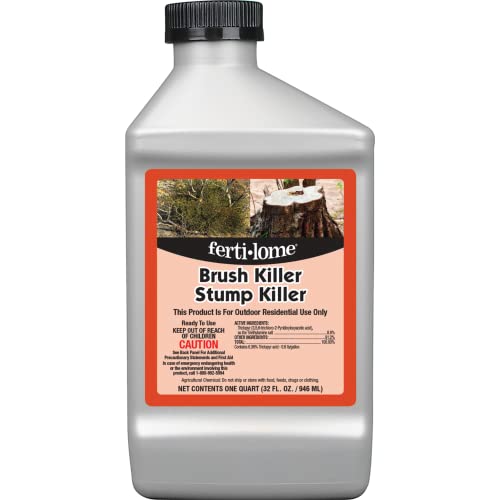
Fertilome (11485) Brush Killer & Stump Killer Woody Plant Control, 32 oz

Southern AG 01113 Brush Weed Killer, 1 Quart (32 oz)

Roundup Landscape Weed Preventer, 5.37 lbs.

Control Solutions 82004318 1 Quart Eraser & Grass Killer Concentrate Weed Killers
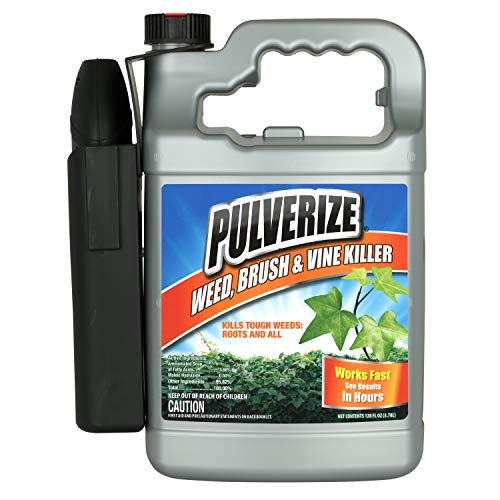
PWBV-B-128-S, Brush & Vine Ready to Use Weed Killer, Clear

Roundup Weed Barrier Granules, 5.37 lbs.
Inside Each Recommended Option
Anyone managing a long stretch of rural fence knows how fast a two-acre perimeter can swallow a small spray bottle. This 2.5-gallon jug from Hi-Yield tackles annual grasses, perennial weeds, and stubborn woody brush along the same fence line, so you can mix one batch and keep moving instead of swapping products mid-row. Because it is a concentrate, you control the strength, dialing it down for tender saplings or up for thick multiflora rose tangles.
The active moves into the root zone within a couple of hours, with visible wilting sometimes by the end of the same afternoon. For fence lines bordering crop fields, the label lists compatible Roundup Ready varieties, which helps when your property line meets a working farm. Keep a dedicated pump sprayer for it, since cross-contamination can damage desirable ornamentals later.
Useful Touches
- Large 2.5-gallon size suits properties with extended fence perimeters
- Flexible mix rate handles both soft weeds and tougher brush
- Translocation to roots reduces the number of repeat passes
- Label covers trees, flower beds, driveways, and sidewalks beyond fencing
Things To Consider
- Concentrate requires careful measuring before each application
- Storage in a shed or garage over winter demands a frost-free spot
- Not intended for any lawn grass, so accidental overspray will leave dead patches
Built With In Mind
Rural homesteaders and small-acreage owners with multiple fence rows to maintain in a single weekend.
Consider Something Else When
Homeowners with a short ornamental fence line should look at the Roundup Landscape Weed Preventer for a gentler approach.
Suburban lots with a chain-link or picket fence often need broad-spectrum control without the bulk of a 2.5-gallon jug. This one-gallon concentrate from the same Hi-Yield family treats a generous footprint per mix, which is enough to walk the back property line and the side alley in a single session. It handles broadleaf weeds, grasses, brush, and vines in one pass, so you are not juggling separate bottles for different weed types.
Spot-treating vines climbing a fence calls for a stronger mix, while general perimeter spraying uses a lighter dilution. Owners commonly report storing leftover concentrate through a season for follow-up treatments on regrowth. The main trade-off is the same non-selective nature that limits use around any lawn grass.
Everyday Wins
- Treats a wide coverage area from a single one-gallon container
- Single product handles weeds, brush, and vines together
- Adjustable dilution fits both spot work and broadcast spraying
- Reaches the root system for longer-lasting control along the line
Points To Note
- Smaller jug means more frequent refills on long perimeters
- Non-selective formula will damage any turf it touches
Who Will Love This
Suburban homeowners with a mid-sized yard who want one jug that handles most fence-line weeds.
Look Elsewhere When
Folks dealing with thick brush and saplings should reach for the Hi-Yield (33701) Super Concentrate Killzall II instead.
Cutting down a hedge or clearing brush along a fence leaves one persistent problem behind: the stump. Fertilome handles that aftermath with a dual-purpose formula designed for both standing brush and freshly cut stumps. Painting the concentrate directly onto a cut surface within 45 minutes of sawing gives the active time to travel down into the root system before the stump seals over.
For vines woven through chain-link, mixing the concentrate with water and spraying the foliage clears growth above the fence while the product works down toward the crown. The 32-ounce bottle is sized for occasional fence-line maintenance rather than whole-property work, so it pairs well with a general herbicide as a targeted add-on.
Practical Pluses
- Handles both brush foliage and fresh-cut stumps with one product
- Brush application mixes into a foliar spray for climbing vines
- Targets woody plants specifically, sparing effort on grass weeds
Worth Noting
- Brush requires a separate sprayer, which adds equipment to maintain
- Tight 45-minute window after cutting limits flexibility on busy weekends
Right Fit For
Property owners who recently cleared brush or removed hedge stumps along a fence and need to stop regrowth.
Skip It When
You mainly battle grassy weeds and broadleaf plants rather than woody growth, where the Hi-Yield (32171) Killzall 365 covers more ground.
Fence lines cutting across rangeland or pasture face a different problem than backyard edges: you cannot kill everything, because livestock or wildlife depend on the surrounding forage. Southern AG uses triclopyr (Triclopyr is a selective herbicide that targets broadleaf plants and woody brush while leaving most grasses intact), the same active ingredient trusted on rights-of-way and fence rows for decades. That makes it a smarter pick when the fence borders open grazing land.
A quart bottle covers targeted brush work rather than broadcast spraying, so it fits into a truck-bed spray rig for spot treatments along miles of wire. Vines climbing the fence and saplings sprouting under the line both respond to foliar application during active growth. Owners commonly rotate this with mechanical clearing to keep encroaching brush from taking whole fence rows back.
The Practical Payoff
- Selective triclopyr action protects desirable pasture grasses
- Label covers rangeland, pastures, and fence rows specifically
- Foliar spray rate scales to the size of the brush infestation
Trade Offs
- Limited reach on grassy weed species that other herbicides handle
- Quart size suits spot work over full fence-line coverage
Key Specs
Best Suited To
Ranchers and small-farm owners who need brush control along pasture fencing without harming forage grasses.
Not Your Match When
You mostly fight grass and broadleaf weeds in a suburban yard, where the Hi-Yield (32171) Killzall 365 is a more flexible all-rounder.
Most fence-line spraying fights weeds that already showed up. This granular preventer from Roundup takes a different angle, forming a barrier in the soil that stops new weeds and grasses before they sprout. Spread around established ornamentals along a fence border, it cuts the season-long weeding workload without disturbing the plantings you actually want to keep.
For best results, apply in early spring before weed seeds germinate and before adding fresh mulch. The granules settle into the top layer of soil and create months of protection that lets you spend summer weekends on the rest of the yard. The honest trade-off: this approach does not kill established brush, so it pairs best with cleanup work done the previous season.
A Favorable Mix
- Pre-emergent approach reduces repeat weeding through the season
- Safe around many established ornamentals when used as directed
- Granular format spreads easily with a standard lawn spreader
Honest Caveats
- Will not stop established weeds already growing along the fence
- Spring timing window means late starters miss the benefit
Perfect Match For
Homeowners with ornamental plantings along a fence who want to prevent weeds before they break through mulch.
A Better Fit Elsewhere
Ranchers dealing with mature brush should turn to the Southern AG 01113 Brush Weed Killer for a knock-down product that handles existing growth.
Industrial fence lines around utility corridors, farm buildings, and equipment yards need industrial-strength control, and Control Solutions delivers with a 41% glyphosate concentrate (Glyphosate is a non-selective herbicide that moves through plant tissue down to the roots). A single quart tackles annual and perennial weeds, brush, vines, and even pasture grasses along the same fence run.
The low-odor profile makes it less unpleasant to work around during summer applications than some stronger-smelling concentrates. For larger properties, it scales into a tank sprayer without breaking concentration ratios. The catch is that “industrial” means strict attention to drift, since overspray will kill anything green it touches.
Useful Strengths
- High-concentration formula reduces total volume per treated area
- Broad-spectrum control across weeds, vines, and woody growth
- Low-odor profile makes warm-weather spraying more comfortable
Worth Bearing In Mind
- Quart size limits coverage on the longest fence lines
- Non-selective action demands calm conditions to avoid drift
Who Should Grab It
Farmstead managers and property caretakers handling utility corridors or non-crop industrial edges.
Reach For A Different Pick When
Homeowners on a small residential lot will find the Hi-Yield (32171) Killzall 365 a more appropriately scaled choice.
Spray-and-go convenience matters when the fence line is short and the weeds are stubborn. Pulverize’s ready-to-use bottle skips the measuring and mixing step, so you can point and spray without a dedicated sprayer in the shed. It targets the usual suspects along residential fences, including poison ivy, poison oak, and wild blackberry.
The formula pairs a fatty-acid burn-down with a growth regulator that slows regrowth, so treated areas stay clear longer than a single-pass knock-down. Because it is a clear liquid, you can see exactly where you sprayed without staining fences or hardscape. For homeowners who only need to treat a few fence panels each season, this format keeps things simple.
The Value In It
- No mixing required, which lowers the chance of mis-measured doses
- Targets tough vines and brush species common along fences
- Clear formula avoids staining on wood or metal fencing
Possible Compromises
- Ready-to-use packaging costs more per ounce than concentrates
- Bottle format slows coverage on longer fence runs
Made For
Homeowners with a short ornamental fence who want a grab-and-spray option for occasional spot treatments.
Swap It Out When
You maintain a long fence line and would rather mix concentrate, in which case the Control Solutions 82004318 concentrate scales better.
Mulched beds along a privacy fence invite weed seeds to settle in and sprout through the bark. Roundup’s granular barrier forms a preventative layer under and around mulch, blocking germination for months at a time. The 5.37-pound jug covers a long stretch of bed, so a single purchase handles most residential fence borders.
Application works best on cleared beds before fresh mulch goes down, since granules need soil contact to form the barrier. For ornamental grasses, established perennials, and shrubs along the fence, the label lists safe plantings when used as directed. Pre-emergent prevention plus an existing cleanup routine is a solid pairing for low-maintenance fence lines.
Practical Advantages
- Granular format spreads evenly with a standard lawn spreader
- Long-lasting barrier reduces mid-season weeding sessions
- Compatible with many established landscape plantings when applied carefully
A Few Limitations
- Needs bare soil contact, so heavy mulch already in place reduces effectiveness
- Does not address weeds that already sprouted before application
Whose Shelf It Belongs On
Homeowners with mulched ornamental beds running along a fence who want season-long weed prevention.
Another Choice May Suit
Ranchers with open pasture fencing should choose the Southern AG 01113 Brush Weed Killer for active brush knockdown instead.
What To Weigh Before Choosing Herbicides For Fence Lines
Match The Formula To The Vegetation
Start by looking at what is actually growing along the fence. Non-selective glyphosate products wipe out everything green, which is helpful on bare ground but disastrous near lawn or ornamentals. Selective triclopyr options target broadleaf weeds and woody brush while leaving most grasses intact, making them a smarter pick for fence lines that border pasture or turf. Stump-specific formulas add value when freshly cut stumps need follow-up.
Consider Coverage And Container Size
Long rural fence lines burn through concentrate quickly, so a 2.5-gallon jug pays off in fewer refill trips. Short residential fences pair better with one-gallon or quart sizes that you can actually finish before the product ages in the shed. Coverage estimates on the label help you estimate the working area, and mixing a little extra for spot follow-ups avoids mid-project runs to the store.
Decide Between Knock-Down And Prevention
Herbicides fall into two broad camps. Knock-down products kill what is already growing, with results visible within hours to days. Pre-emergent granules stop new weeds before they sprout, with effects lasting months but no impact on existing vegetation. Many fence-line programs combine a fall or spring knock-down with a granular barrier to keep the line clean through the growing season.
Account For Drift And Nearby Plantings
Calm weather, a coarse spray nozzle, and a shield around desirable plants reduce accidental damage. Even a slight breeze can push non-selective droplets onto a tomato bed or flower border on the other side of the fence. Planning the spray window around still mornings and keeping a water hose handy for accidental exposure are habits worth building.
Key Takeaways For Fence Line Buyers
Pitfalls Shoppers Hit
Treating the wrong product for the wrong site ranks as the most common fence-line mistake. A non-selective herbicide sprayed near a prized rosebush ends in a dead rosebush. Picking a pre-emergent granule for an existing weed infestation leaves the weeds untouched and wastes the season. Reading the label for use sites, mixing rates, and nearby-plant cautions saves money and replanting costs.
When Paying More Pays Off
Premium fence-line herbicides usually bring higher active-ingredient concentration, which means lower use rates and more fence per jug. Concentrates cost more upfront than ready-to-use bottles, but the per-ounce treatment price drops quickly on larger properties. Specialty formulas like triclopyr-based selective herbicides also cost more, yet they protect pasture grasses that cheaper broad-spectrum products would destroy.
Frequently Asked Questions
How long does it take for fence-line herbicides to work?
Most non-selective concentrates show visible wilting within hours, with full die-off in one to two weeks depending on the species and weather. Brush and woody plants take longer because the active ingredient has to travel to the roots.
Can I spray herbicides on a windy day?
Calm mornings with wind under a few miles per hour are the safe window. Even a mild breeze pushes droplets onto desirable plants and neighboring yards, so rescheduling saves cleanup headaches.
Do I need a separate sprayer for different herbicides?
A dedicated sprayer for each active ingredient prevents cross-contamination that can damage sensitive plants. Rinsing thoroughly between uses is possible, but a second cheap sprayer is easier and safer.
Will rain wash the herbicide away after I spray?
Most products need a few hours of dry weather to absorb into foliage before rain. Granular pre-emergents need watering in or rain shortly after application to activate the soil barrier.
How often should I treat my fence line?
A single spring knock-down followed by a pre-emergent barrier covers most residential fence lines for the season. Rural fence lines with heavy brush pressure often need a second spot treatment in late summer.
Bottom Line
Fence lines reward the right match between herbicide type and the vegetation you actually face. Rural properties with brush and vines benefit from a triclopyr or high-concentration glyphosate product, while ornamental borders pair better with selective pre-emergent granules. Pick the tool that fits your site, follow the label, and the weeds stop winning the weekly battle.
