

Oriental bittersweet smothers trees and fence lines faster than most gardeners expect, and pulling it only sparks fresh growth from the root crown. The right herbicide turns a recurring chore into a one-season project. This roundup breaks down eight options suited to woody vines, ranging from small-spot treatments to large-acre reclaiming work.
The Choices Worth Comparing
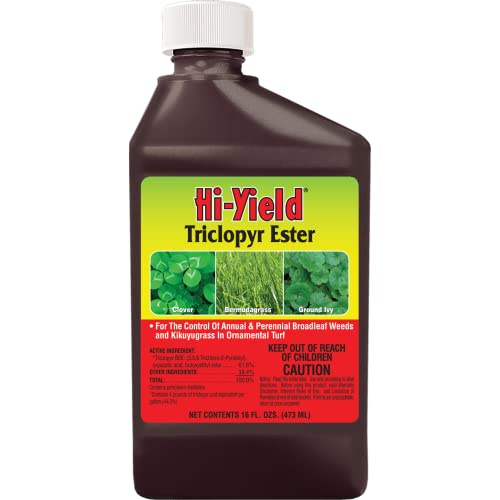
Hi-Yield (35262) Triclopyr Ester, 16 oz
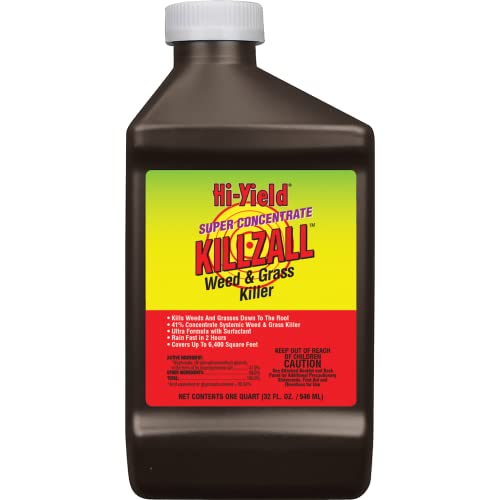
Hi-Yield Killzall Super Concentrate, 32 oz
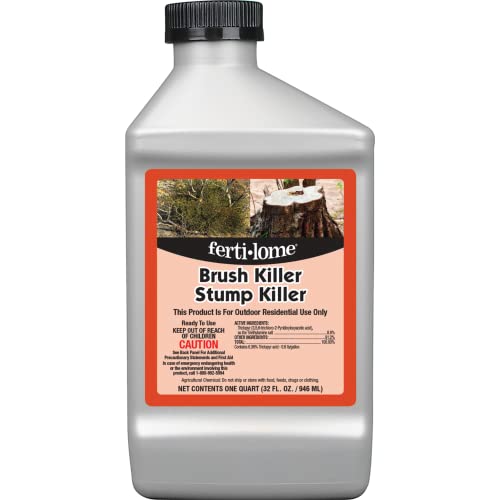
Fertilome (11485) Brush & Stump Killer, 32 oz

Roundup Dual Action 365, 1.33 gal.

Southern AG 01113 Brush Weed Killer, 32 oz

Roundup Poison Ivy Plus Brush Killer2, 32 oz
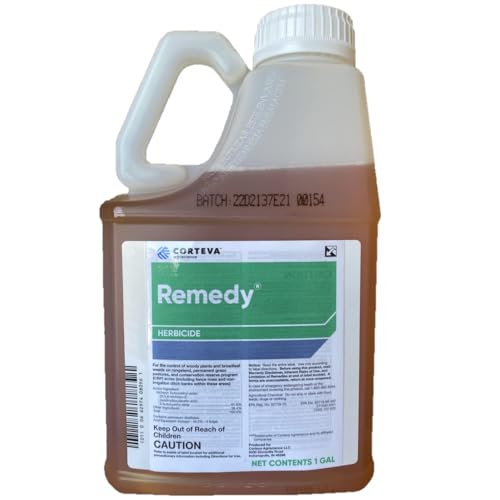
Remedy Specialty Herbicide, 1 Gallon

Roundup Dual Action + 4 Month Preventer
What Each Pick Brings To The Table
Small bottles earn their keep when a homeowner is staring at a single fence line wrapped in Oriental bittersweet rather than a full-acre reclamation. Hi-Yield Triclopyr Ester concentrates triclopyr in ester form, which penetrates waxy leaf surfaces faster than amine formulations and keeps working into the cambium.
Triclopyr is a synthetic auxin herbicide, meaning it mimics a plant growth hormone and triggers uncontrolled, lethal growth in susceptible species. Because bittersweet is a woody broadleaf vine, triclopyr moves efficiently through its vascular system and reaches the root crown. For homeowners who only need to treat a few isolated patches, this 16 oz size avoids the waste and storage demands of larger jugs.
Positive Points
- Targeted woody broadleaf control that spares tolerant turfgrasses like perennial bluegrass, perennial ryegrass, and tall fescue
- Compact 16 oz concentrate size is manageable for solo gardeners without a utility sink
- Concentrate form lets you adjust dilution rates depending on whether you are spraying foliage or wiping stems
- Ester formulation drives faster uptake than water-based amine versions in cool fall weather
Things To Consider
- Specifically labeled as not for use on Bahiagrass, Bentgrass, Bermudagrass, Centipedegrass, St. Augustine, or Zoysiagrass, which rules out a wide swath of southern lawns
- Coverage area is limited compared to larger concentrate jugs, so anything beyond a small patch quickly becomes expensive
- Ester formulations are typically more volatile and odorous than amine mixes, calling for careful application on calm days
Who It Suits Best
Northern homeowners with cool-season lawns and a small cluster of bittersweet vines climbing a fence or shrub.
Skip It When
Southern lawn owners with warm-season turf should reach for Fertilome Brush & Stump Killer instead, since it sidesteps the grass-type restrictions.
Clearing a backyard overrun by Oriental bittersweet is rarely a one-bottle job, and Hi-Yield Killzall Super Concentrate covers more square footage per dollar than most glyphosate alternatives. A single 32 oz bottle is rated to treat up to 6,400 square feet, which suits a half-acre residential lot.
The double-surfactant formulation is the feature worth flagging. Surfactants are wetting agents that reduce the surface tension of spray droplets, helping the herbicide spread evenly across waxy leaves and stick rather than bead up. That matters when you are hitting dense bittersweet canopies because coverage gaps translate directly to regrowth. This product is built for non-lawn areas like driveways, fence rows, and bare ground where total vegetation control is the goal.
What Helps Most
- Treats up to 6,400 sq ft per bottle, which lowers the per-application cost on larger lots
- Double-surfactant blend improves leaf coverage on dense vine canopies
- Controls both grasses and broadleaf weeds for full clearing in mixed infestations
- Liquid concentrate allows flexible dilution for backpack or pump sprayer use
Worth Noting
- Explicitly labeled as not for use on lawns, so any nearby turfgrass must be shielded during application
- Glyphosate-based chemistry requires careful timing around rain and wind for reliable uptake
Key Specs
Made For
Property owners clearing bittersweet along fence lines, gravel driveways, and other non-lawn zones on a tight budget.
A Better Fit Elsewhere
Homeowners wanting to kill vines while preserving cool-season turfgrass should pick Hi-Yield Triclopyr Ester from this list instead.
Oriental bittersweet has a habit of climbing trees, twisting into the canopy, and seeding itself before anyone notices. By the time it shows, the usual fix is cutting the vines at the base and painting the cut stem. Fertilome Brush & Stump Killer is built around exactly that workflow.
The product supports two application modes. For brush treatment, you mix 8 oz of concentrate into a gallon of water and spray foliage. For stump treatment, you brush the undiluted product directly onto freshly cut stumps within 45 minutes of cutting, which lets the chemistry translocate down into the root system before the stump seals over.
The Helpful Details
- Dual-purpose bottle handles both foliar spray and cut-stump brush application
- Targeted toward woody plants and vines, which matches Oriental bittersweet’s growth habit
- Concentrate form scales easily for small brush piles or single-stump work
- Cut-stump method prevents regrowth from root crowns that pulling often misses
Trade Offs
- Cut-stump timing window of 45 minutes demands quick work right after sawing
- Brush is not included, so you need to supply your own applicator for stump painting
Right Fit For
Woodland property owners with established bittersweet that has climbed into trees and requires cut-stump treatment to fully kill.
Where Another Pick Suits Better
For large-scale pasture reclamation, Remedy Specialty Herbicide offers the volume and brush range that single-stump gardening cannot match.
Pulling Oriental bittersweet once and watching it come back the next season is the moment most gardeners consider a kill-and-prevent strategy. Roundup Dual Action 365 is built for that exact scenario, pairing a knockdown herbicide with a pre-emergent barrier.
The 1.33 gal jug ships ready for large driveways, gravel pads, and fence-line bases. The Pump ‘N Go 2 sprayer is a battery-powered wand that pressurizes the container so you can spray without hand-pumping, which is a real time-saver on multi-hour sessions. Per the listing, the product becomes rainproof in as fast as 30 minutes and produces visible effects in hours, though results on a deeply rooted vine like bittersweet typically run on the slower end of that window.
Noteworthy Benefits
- Combined kill-and-prevent approach limits new vines from the same seed bank for an extended window
- Pump ‘N Go 2 sprayer removes hand-pumping fatigue during long applications
- Targets tough species including poison ivy and woody brush alongside general weeds
Small Caveats
- Bare-ground product chemistry limits where you can replant, so application near desirable ornamentals requires caution
- Larger jug adds weight and storage demands compared to small concentrates
Feature Snapshot
Best Suited To
Homeowners clearing a large patch of bittersweet along a driveway or gravel area who want one application to last the full growing season.
Consider Something Else When
For spot work on a single fence line, the smaller Hi-Yield Killzall Super Concentrate is easier to handle and cheaper to start with.
Southern AG carries a quietly loyal following among property owners in the Southeast, partly because the active ingredient line matches a well-known commercial standard at a homeowner price. This 32 oz bottle is dosed at 8.8% triclopyr, which is the same chemistry profile as Garlon.
Triclopyr is particularly effective on vines and woody saplings, so a fence row swallowed by Oriental bittersweet is the textbook use case. The label lists Brazilian pepper, trees, vines, and stump treatments as controlled targets, and the foliage spray rate runs 4 to 8 oz per gallon depending on growth stage. For most backyard applications, you mix on the heavier side during active summer growth.
Advantages To Know
- Trusted triclopyr concentration suited to vines and woody brush
- Flexible rate range lets you scale from light maintenance to heavy infestations
- Useful on a variety of brush species beyond Oriental bittersweet
Points To Note
- Labeled for non-crop areas such as right-of-ways, rangeland, and fence rows rather than residential lawns
- Quart size is modest for very large lots, so plan on multiple bottles for acreage work
Who Will Love This
Homeowners dealing with bittersweet climbing through fence rows and shed corners where selective woody-plant control is the priority.
Look Elsewhere When
For pasture-scale reclamation across multiple acres, Remedy Specialty Herbicide delivers volume and broader brush coverage in a single jug.
Bittersweet can form a dense mat that smothers desirable shrubs and shades out native groundcovers. Roundup Poison Ivy Plus Tough Brush Killer2 leans into exactly that kind of tough, multi-species vine problem, and the concentrate form gives you control over dilution strength for thick regrowth.
The labeling highlights tough woody targets including kudzu and wild blackberry, which suggests the formula is dialed in for vines that resprout readily from root crowns. Per the listing, the product becomes rainproof in as fast as 30 minutes and allows replanting somewhere between 1 and 30 days after application, depending on what you intend to put back in the treated area.
A Strong Showing
- Concentrate form scales from light spot sprays to heavy vine mat treatments
- Designed for tough-to-kill vines and woody brush species
- Faster replanting window than long-residual preventer products
Honest Caveats
- Concentrates require accurate mixing, and over-application can damage nearby ornamentals
- For large continuous infestations, a multi-gallon jug may be more practical than this 32 oz size
Perfect Match For
Homeowners battling a thick tangle of bittersweet alongside other tough vines like wild blackberry or kudzu around a wooded edge.
Another Choice May Suit
For projects needing long-term prevention of new seedlings after the initial kill, Roundup Dual Action 365 covers the same species with a 12-month barrier.
Remedy Ultra is the heavy hitter in this roundup for acreage work, and the 1 gallon size signals a different audience than quart-bottle homeowners. Formulators describe it as a low-odor triclopyr option designed for range and pasture use, with the flexibility to tank-mix with other rangeland herbicides.
Oriental bittersweet has been documented invading pasture edges and fence lines in many regions of the eastern U.S., and a low-odor formulation matters when you are treating near livestock or in open fields where chemical smell lingers. The product targets both top growth and roots of brush species, which matters with a vine that resprouts from root crowns.
What Makes Sense
- 1 gallon volume suits pasture, rangeland, and large fence-line applications
- Low-odor profile relative to standard ester formulations
- Tank-mix compatible with other rangeland herbicides for stacked brush control
- Root-and-top-growth activity reduces regrowth on tough woody vines
Possible Compromises
- 1 gallon size is overkill for typical suburban lots, and storage requires a dedicated shed space
- Pasture-oriented labeling means homeowners should confirm residential suitability on the product label
Built With In Mind
Ranch owners, pasture managers, and acreage holders reclaiming fence lines from encroaching brush and vine infestations.
Not Your Match When
Suburban homeowners with a small yard will find Hi-Yield Triclopyr Ester easier to handle and sized appropriately for the job.
Pathways, patios, and the edges of gravel driveways tend to host a steady parade of weeds and stray bittersweet seedlings throughout the season. Roundup Dual Action plus 4 Month Preventer Concentrate combines a knockdown herbicide with a shorter-window pre-emergent barrier, creating an invisible soil barrier that suppresses new growth for several months.
The listing notes the product creates an invisible barrier in the soil, meaning you cannot see whether coverage is complete, so careful application matters. Unlike the 12-month version earlier in this roundup, the 4-month window is shorter and tends to align better with homeowners who plan to replant treated areas within a single growing season.
Strong Points
- 4-month prevention window balances kill-and-prevent with reasonable replanting flexibility
- Concentrate form scales for paths, patios, and driveway edges
- Targets existing growth down to the root in the same application
Worth Bearing In Mind
- Soil barrier limits where desirable plants can establish until the active window expires
- Coverage verification is invisible, so thorough application discipline is required
Whose Shelf It Belongs On
Homeowners maintaining paved and gravel areas who want a season of low regrowth after clearing existing vines.
Reach For A Different Pick When
For brush reclamation in soil you intend to replant soon, Roundup Poison Ivy Plus Brush Killer2 has a shorter replanting window and works well on woody vines.
What To Match Between Vine And Product
Oriental bittersweet behaves differently than typical lawn weeds because it grows as a twining woody vine with a deep root crown. Active foliar growth in late summer through early fall moves carbohydrates downward into the roots, so late-season spraying typically outperforms spring application for full root kill.
Triclopyr-based products are widely favored for this vine because the active ingredient translocates into the root crown and stays effective on woody broadleaf species without harming tolerant turfgrass. Ester formulations penetrate waxy leaves faster than amine mixes but tend to be more volatile, so calm weather matters. Glyphosate mixes are the alternative when you are clearing non-lawn areas and need broad-spectrum control including grass around the vine base.
Application method is the other decision point. Foliar sprays work on reachable vines, while cut-stump treatments handle established bittersweet that has climbed trees. Cut the main stem a few inches above ground and apply brush-on herbicide within the labeled window, generally within minutes, to drive the chemistry into the root system before the cut seals over.
Container size should match the scale of the problem. Small bottles suit spot work on a single fence panel, while gallon jugs make sense for pasture edges and continuous fence lines.
Key Considerations Across These Picks
Pitfalls Shoppers Hit
Treating Oriental bittersweet in spring often wastes product because upward sap flow dilutes what reaches the roots. Most foliar applications work best once the vine is in full leaf and moving energy downward in late summer. Skipping the cut-stump step on mature vines is another common miss, since established root crowns resprout readily even after a successful foliar burn. Finally, spraying on windy days or right before rain washes product off leaves before uptake, so calm conditions and a dry forecast window make a measurable difference.
What The Higher Tier Buys
Premium rangeland products like Remedy Specialty Herbicide carry a price tag tied to concentrate strength, lower-odor formulations, and tank-mix flexibility that lets you combine active ingredients for stacked brush control. For a typical suburban fence line that flexibility is rarely needed, but for multi-acre pasture reclamation the upgrade pays off through fewer repeat applications and broader brush spectrum. The return shows up across multiple seasons rather than a single treatment.
Frequently Asked Questions
When is the best time to spray Oriental bittersweet?
Late summer through early fall is the strongest period because the vine moves carbohydrates from leaves down into the root crown, carrying systemic herbicide with it. Spring applications tend to stay in new growth and miss the roots.
Should I cut the vine before spraying?
For vines climbing trees, cut the stem near the base and immediately treat the cut stump with a brush-on product. For reachable vines, leave the foliage intact and spray the leaves directly so the herbicide reaches the roots through the vascular system.
Will one application kill the root crown?
Most treatments require a follow-up the next season because established root crowns store enough energy to resprout. Repeat applications spaced across two growing seasons typically clear a patch.
Can I spray near desirable plants?
Selective products like triclopyr spare tolerant turfgrass but can damage ornamentals through drift or root uptake. Shield nearby plants and apply on calm days to limit unintended exposure.
How much concentrate do I need per gallon of water?
Dilution rates vary by product and target, with foliage sprays commonly running 4 to 8 oz of concentrate per gallon. Always follow the specific product label, since over-application can damage surrounding vegetation and under-application wastes effort.
Closing Remarks
The right herbicide turns Oriental bittersweet from a recurring battle into a manageable project, and matching the active ingredient to the setting is the part that pays off most. Start with a clear picture of where the vines are growing and how much area you need to treat, then choose between selective triclopyr for lawn-adjacent work and broader glyphosate mixes for total clearing.
