

Cool nights trick many gardeners into thinking the season is on pause, yet underneath that dormant-looking turf, broadleaf invaders like henbit, chickweed, wild violet, and oxalis are quietly anchoring themselves. Winter annual weeds germinate in fall, overwinter in rosette form, and explode into bloom the moment spring warms the soil. Treating them while they’re still young and tender is the cleanest path to a clean lawn in March and April.
This roundup covers eight liquid concentrates and granular options suited to dormant-season application, from selective broadleaf sprays safe on cool-season turf to total vegetation killers for driveways, fence lines, and patio cracks. Every pick addresses a slightly different scenario, so matching the product to your lawn type and goal matters more than chasing one universal answer.
The Shortlist At A Glance
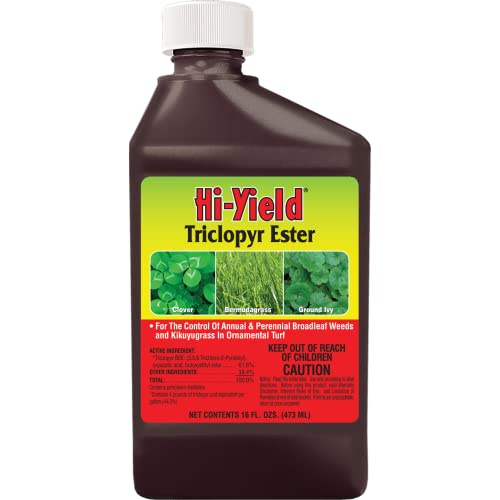
Hi-Yield (35262) Triclopyr Ester, 16 oz
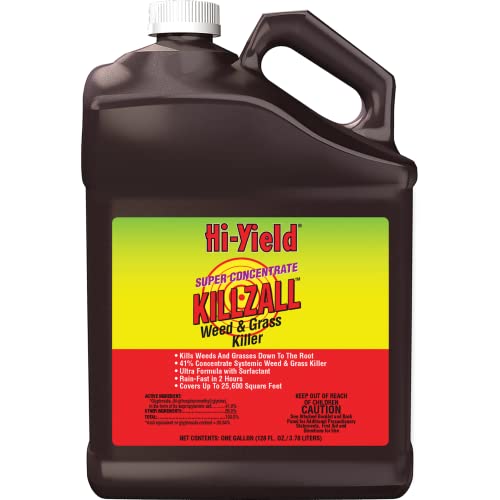
Hi-Yield (33693) Super Concentrate Killzall, 1 gal

Roundup Dual Action 365, 1.33 gal.

Spectracide Weed Stop Plus Crabgrass, 32 oz

Roundup Weed & Grass Killer₄, 1 gal.

Roundup Dual Action + 4 Month Preventer

Roundup Pro Concentrate, 2.5 gal.

BioAdvanced Season Long for Southern Lawns, 10 lb
What Each Pick Brings To The Table
Triclopyr is the active ingredient most winter-weed warriors reach for when stubborn broadleaves like wild violet and oxalis shrug off generic three-way mixes. This Hi-Yield concentrate earns its spot because it targets actively growing annual and perennial broadleaf weeds without wiping out the surrounding cool-season turf it’s labeled for. Triclopyr is a synthetic auxin herbicide, meaning it mimics a plant growth hormone and essentially tells the weed to grow itself to death.
You mix it with water and apply as a foliar spray on dry days when the rosettes are still small and tender. For homeowners in the bluegrass, ryegrass, or tall fescue belt, that targeted profile is the whole point, since a generic total-kill product would take the lawn right along with the weeds.
Everyday Advantages
- Specifically labeled for wild violet and oxalis, two of the most common cool-season broadleaf headaches
- Works as a bluegrass suppressor for overseeding prep
- Liquid concentrate gives you precise mixing control for spot treatments rather than blanket coverage
- Safe on perennial bluegrass, ryegrass, and tall fescue when used as directed
Trade Offs To Consider
- Not safe on Bahiagrass, Bentgrass, Bermudagrass, Centipedegrass, St. Augustine, or Zoysiagrass, so warm-climate users should pass
- Only 16 oz means small bottle for spot work, not full-lawn broadcast
- Mixing rates vary by weed species, so reading the label closely pays off
Quick Facts
Built With Cool-Season Lawns In Mind
Homeowners in transition-zone and northern climates dealing with creeping violet patches in fescue or bluegrass turf.
Reach For A Different Pick When
Your lawn is warm-season Bermudagrass or St. Augustine, where BioAdvanced Season Long for Southern Lawns fits better.
Where the triclopyr above is a scalpel, Killzall is a broad axe. This glyphosate-based concentrate wipes out grasses, broadleaf weeds, and woody brush in one pass, and the one-gallon jug covers up to 25,600 square feet of bare ground. That kind of footprint matters in late winter when fence lines, gravel drives, and foundation perimeters need clearing before spring growth kicks off.
The double-surfactant blend is what speeds up visible results. Surfactants help the spray stick to waxy weed leaves and penetrate the cuticle rather than beading up and rolling off. For winter weeds already stressed by cold, that quicker absorption translates to faster kill and less repeat application.
The Good Stuff
- Covers large bare-ground areas from a single one-gallon container
- Handles tough brush and woody seedlings, not just herbaceous weeds
- Double-surfactant formula improves leaf coverage in cold weather
- Generic glyphosate concentrate typically costs less per treated square foot than premixed jugs
Honest Caveats
- Will damage or kill any lawn grass it touches, so spray shields or careful aiming are required near turf
- No residual soil activity, meaning new weeds can germinate again as soil warms
- Mixing and sprayer cleanup adds an extra step versus ready-to-use products
Whose Yard It Belongs On
Owners of rural lots, long gravel drives, or vacant lots needing dormant-season vegetation reset without breaking the budget.
Skip It When
You want a kill-and-prevent combo in one jug, where Roundup Dual Action 365 makes more sense.
Where Killzall is purely a kill product, this Roundup adds a 12-month soil residual barrier that keeps new weeds from germinating after the initial die-off. For areas where you’d otherwise be spot-treating every few weeks through spring and summer, that extended prevention is a meaningful time savings. Imazapic is the active ingredient doing the residual work, and it stops weed seeds from establishing in the top layer of soil.
The Pump ‘N Go 2 sprayer also cuts down on mixing. You pressurize the container, carry it by the handle, and spray without hauling a separate pump tank. For homeowners with cracked driveways, patio borders, or side yards where you want one-and-done coverage through the next growing season, that setup removes a layer of hassle.
Benefits That Matter
- Twelve-month prevention means far fewer repeat trips than straight glyphosate
- Kills existing winter annuals plus prevents summer annuals from re-establishing
- Built-in pump sprayer avoids separate equipment purchases
- Rainfast in roughly 30 minutes, useful during unpredictable winter weather
Soft Spots
- Not appropriate anywhere you plan to plant grass or ornamentals within a year
- 1.33 gallons is heavier than a standard sprayer, so refills require some muscle
- Residual chemistry can wash into garden beds during heavy rain if applied too close
The Right Fit
Homeowners with large hardscape borders or non-planted zones who want to treat once and walk away for the season.
Consider Something Else When
You want selective control on a lawn you intend to keep, where Spectracide Weed Stop is the smarter pick.
Spectracide Weed Stop handles a long list of broadleaf weeds and adds crabgrass to the target list, which is rare among selective lawn herbicides. Most cool-season weed killers leave grassy weeds alone, so the crabgrass coverage here is the differentiator. For lawns that get hammered by both broadleaf winter annuals and overwintering crabgrass, one jug can replace two separate products.
The 32-ounce concentrate gives mid-sized yards enough volume for multiple treatments without committing to a gallon jug. It mixes with water and goes on as a foliar spray, and because it’s selective, it spares the labeled turf grasses when applied at the correct rate.
Strengths Worth Knowing
- Tackles both broadleaf weeds and crabgrass in one product
- Selectivity means established lawn grasses survive treatment
- 32-ounce size handles small and mid-sized lots without waste
- Useful as both a winter cleanup and a spring touch-up
Points To Keep In Mind
- Cool-season turf only on the label, so warm-season grasses like St. Augustine are off limits
- Mixing ratio precision matters since over-application can yellow desirable grass
- Not a preventer, so crabgrass pressure still calls for follow-up treatments later
Who Should Grab It
Homeowners managing cool-season lawns where both winter broadleaf weeds and crabgrass show up season after season.
A Better Fit Elsewhere
Warm-season southern lawns are better served by BioAdvanced Season Long for Southern Lawns, which is formulated for that turf type.
The Killer₄ formula is Roundup’s straightforward total vegetation product: no residual barrier, no fancy additives, just a fast-acting glyphosate concentrate that drives down to the root. Visible results typically show within hours on tender winter annuals, which matters when you’re trying to clear a patio or walkway before a holiday gathering.
It’s rainfast in roughly half an hour, so a passing shower won’t undo your application, and you can replant grass or ornamentals one to thirty days later depending on what you’re seeding. That replant window makes it friendlier than the Dual Action 365 above for homeowners planning to renovate a bed or lawn area in spring.
Where It Excels
- Quick visible knockdown on actively growing weeds
- Replant window of one to thirty days gives flexibility for spring projects
- One gallon covers meaningful square footage at typical dilution rates
- Targets tough species including dandelion, large crabgrass, poison ivy, and clover
Potential Drawbacks
- No soil residual, so treated areas will need follow-up as new seeds germinate
- Spray drift can damage adjacent desirable plants on windy days
- Glyphosate concentrate requires careful storage away from children and pets
Feature Snapshot
Best Suited To
Homeowners prepping patio cracks, walkway joints, and garden bed edges for a clean slate before spring planting.
Where Another Pick Suits Better
Need a year-long barrier in non-planted zones, where Roundup Dual Action 365 offers stronger value.
This is the smaller-sibling version of the 12-month Dual Action 365 above, and it makes sense when four months of prevention is enough. A winter application in late January or February typically carries you through early summer, which covers the worst of the spring weed flush. The chemistry is the same: existing weeds die, and a soil-level barrier suppresses new germination.
For most homeowners, the four-month version is the better value pick. The extra months of protection from the 365 version only pay off if you’re treating an area where you genuinely won’t plant anything for a full year.
What It Does Well
- Provides four months of prevention without committing to a full-year residual
- Targets tough species including dandelion, crabgrass, and poison ivy
- Lower cost than the 12-month formula for typical seasonal use
- Works on cracks, driveways, and other hardscape edges
Where It May Fall Short
- Will not protect a full year, so late-summer weeds can still emerge
- Cannot be used where you intend to seed or sod within the prevention window
- Concentrate format requires a sprayer and careful mixing
Perfect Match For
Homeowners who want one application in late winter to carry them through Memorial Day without re-treating.
Look Elsewhere When
You need prevention extending into late summer or fall, which is where the Dual Action 365 earns its premium.
Pro Concentrate is a 2.5-gallon jug aimed at folks who measure their property in acres rather than square feet. The PROformance surfactant system gives faster rainfastness, often within an hour, so brief rain windows don’t waste product. That matters when you’re treating pastures, large fence lines, or food plots where re-spraying isn’t practical.
This is a professional-grade glyphosate concentrate, which means higher concentration and lower per-gallon cost on big jobs. The honest trade-off is regulatory: it’s not for sale to Wisconsin or New Jersey, so check local availability before ordering.
Useful Strengths
- Single 2.5-gallon container handles acreage-scale applications
- Faster rainfast window reduces wasted product in unpredictable weather
- Concentrate format lowers per-acre treatment cost significantly
- Effective on tough brush and woody species along rural property edges
Practical Considerations
- Restricted sale in Wisconsin and New Jersey, limiting availability for some shoppers
- Professional concentration means strict adherence to label rates
- Bulk jug requires proper storage and disposal planning
Who It Suits Best
Owners of multi-acre rural properties, small farms, or large lots where a single big container beats several smaller jugs.
Not Your Match When
You’re treating a typical suburban yard, where the one-gallon Roundup Killer₄ is a more reasonable size.
This is the only granular option in the roundup, and it earns that distinction by serving warm-season southern turf where the liquid concentrates above either fail or damage the lawn. St. Augustine, Centipedegrass, and similar southern grasses tolerate this formula when applied as directed, while broadleaf weeds like dollarweed, dandelion, and clover take the hit. Granular herbicides spread with a standard broadcast spreader, which is a quieter, more familiar tool for many homeowners than a pump sprayer.
The six-month prevention window is the selling point, covering crabgrass and listed broadleaf weeds through a half-year stretch. For southern lawns that face year-round weed pressure, that residual action reduces the total number of seasonal treatments.
Notable Gains
- Specifically formulated for southern warm-season turfgrasses
- Granular format works with a standard broadcast spreader
- Six-month prevention covers crabgrass and listed broadleaf weeds
- Kills existing weeds and prevents new ones from establishing
Things To Weigh
- 10-pound bag is heavier to haul and store than liquid concentrates
- Requires dry conditions at application and watering-in afterward
- Limited to southern turf species, so northern shoppers should skip
Right Fit For
Homeowners in the Deep South managing St. Augustine or centipede lawns who want a spreader-friendly granular option.
Swap It Out When
Your lawn is northern cool-season grass, where Spectracide Weed Stop Plus Crabgrass is the better match.
Choosing The Right Winter Weed Strategy
Timing matters more than product choice. Winter annual weeds germinate in fall, hold through winter as small rosettes, then bolt and flower in early spring. Hitting them in late winter, when daytime temps climb above the mid-50s but before they start sending up flower stalks, is the sweet spot. Applications during deep freezes or right before heavy rain mostly waste product.
Selective versus total kill is the next fork. Selective herbicides target broadleaf weeds while leaving labeled turfgrasses alive, which is what you want anywhere a desirable lawn exists. Total kill products like glyphosate wipe out everything green they touch and belong on hardscape, fence lines, or areas you’re prepping for full renovation. Treating a bluegrass lawn with a non-selective herbicide is one of the more expensive mistakes a homeowner can make.
Tank size and sprayer type fit your workflow. Liquid concentrates mix with water and need a pump sprayer, which means measuring, mixing, and cleanup. Ready-to-use products skip that step but cost more per treated square foot. Granular options like the BioAdvanced above spread dry and water in, trading sprayer cleanup for broadcast-spreader calibration.
Reading the label for turf compatibility saves lawns. Warm-season grasses like St. Augustine, Centipedegrass, and Zoysiagrass react badly to many cool-season selective herbicides. The reverse is also true. A product labeled for southern turf will struggle on northern bluegrass. The “do not apply to” list on each label is more important than the marketing copy on the front of the bottle.
Key Considerations Across These Picks
Pitfalls Shoppers Hit
The single biggest mistake is treating dormant weeds during freezing weather and expecting results. Cold-stunned plants don’t translocate herbicide effectively, so you get partial kill and re-growth. Wait for a stretch of days above 50°F.
Another trap is grabbing a total vegetation killer for use in or near lawn areas. Drift and runoff can damage turf weeks after application. Selective products exist precisely for lawn use, and the few extra dollars pay back in grass that survives.
Finally, mixing concentrate stronger than the label rate does not speed results and can damage desirable plants. More is not better with herbicides; precise dilution at the recommended rate is what works.
Why Top Tier Costs More
Higher-tier products in this category usually add one of three things: longer residual prevention, faster rainfastness, or larger container size per dollar. The 12-month Dual Action 365 costs more because the residual chemistry is more expensive to manufacture than straight glyphosate.
Faster rainfast windows, like the Pro Concentrate’s one-hour claim, matter most in regions with unpredictable winter rain patterns. Where summers are dry and winters are cold and predictable, standard rainfast products do the job for less.
For most homeowners, mid-tier options handle winter weed control without the premium price tag, and that’s the honest read.
Frequently Asked Questions
When is the best time to spray winter weeds?
Late winter, on a dry day when temperatures have been above 50°F for several hours and no rain is expected for at least 24 hours. Winter annuals are most vulnerable in this pre-bolt window.
Can I apply herbicide to a dormant lawn?
Dormant Bermudagrass tolerates glyphosate applications, but most cool-season grasses should not be sprayed while dormant because the herbicide can damage roots and crowns. Wait for active green-up before treating cool-season turf.
How long before rain should I spray?
Most liquid concentrates need a rain-free window of about 30 minutes to a few hours depending on the formula. Granular products typically require watering in within 24 hours rather than staying dry.
Will these products kill my lawn grass?
Selective herbicides are designed to spare labeled turfgrasses. Total kill products, including glyphosate concentrates, kill any green plant they contact, including lawn grass. Match the product to your goal and read the label.
Is it safe to use herbicides around pets and children?
Keep pets and children off treated areas until sprays have dried completely or granules have been watered in and the surface has dried. Store concentrates in their original containers away from reach, and follow label reentry intervals.
The Takeaway
The cleanest spring lawn starts with late-winter action on the weeds already rooted and waiting. Match the herbicide to your turf type and your goal: a selective for lawn-safe broadleaf control, a total kill for hardscape and bare ground, a granular for southern lawns. Any of the eight picks above handles that matchup well when applied with timing and attention to label instructions.
