

A sunny windowsill only does so much, and the produce aisle keeps creeping upward in cost. If fresh herbs and leafy greens sound good without the dirt, guesswork, or back-and-forth with the weather, a hydroponic starter kit pulls that promise within reach. The trick is matching the kit to your space, your appetite for tinkering, and the crops you actually want to eat. The eight picks below cover the full spectrum, from full countertop gardens down to seed-starting trays and the little plastic bits that keep an existing system running.
The Essentials At A Glance

Ahopegarden 12-Pod Hydroponics Kit with LCD
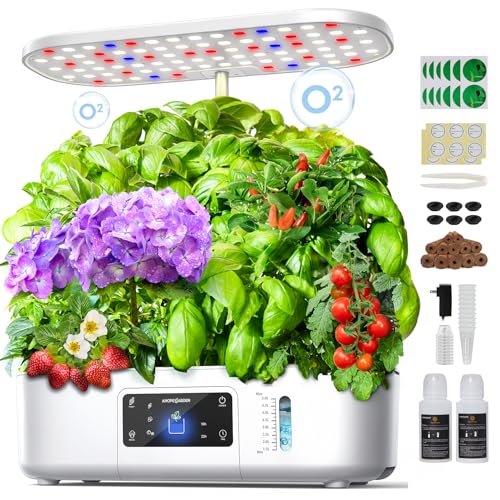
Ahopegarden 12-Pod Hydroponics System with Touch Panel

Patigrow 60-Cell Self-Watering Seed Starter Tray

Tigvio 66-Piece Hydroponic Seed Pod Kit

URUQ 8-Pod Hydroponics System with LED (Black)

URUQ 8-Pod Hydroponics System with LED (White)

VIVOSUN 40-Cell Seed Starter Kit with Heat Mat

AC Infinity Heavy-Duty Humidity Dome
The Picks, Examined More Closely
The Ahopegarden 12-Pod Hydroponics Kit lands in the “smart appliance” corner of the category. Its ABS body stands about 17 inches tall, so it fits under most kitchen cabinets without dwarfing the counter. The LCD touchscreen handles pump cycles and lighting schedules from a single screen, which means fewer trips to fiddle with buttons mid-recipe.
Where the Ahopegarden earns its keep is in variety: a dozen pods handle basil, lettuce, and a row of cherry tomatoes at the same time. For most people starting an indoor herb garden, twelve slots spread the harvest across several weeks instead of producing everything at once.
A Strong Showing
- LCD touchscreen consolidates pump, light, and timer settings in one place.
- Twelve pods let you stagger harvests and grow more crop variety per cycle.
- Compact 17-inch profile slips onto apartment counters without reclaiming prep space.
- Full-spectrum lighting panel supports greens, herbs, and fruiting plants in the same tray.
Worth Noting
- ABS plastic needs gentle cleaning, since abrasive scrub pads can haze the finish over time.
- The touchscreen responds slowly with wet hands, so plan refills after drying off.
Quick Facts
Made For
Curious beginners who want a touchscreen-controlled indoor garden on a kitchen counter.
Where Another Pick Suits Better
Apartment dwellers who only need a small herb rotation will find the URUQ 8-Pod Hydroponics System in White easier to place on a narrow shelf.
Sibling to the first pick, the Ahopegarden 12-Pod System trims the interface down to a touch panel rather than a full LCD screen. For everyday cooks who just want lights and water on a schedule, the simpler controls cut the learning curve. The footprint matches the LCD version, so placement decisions carry over.
It handles the same twelve-pod rotation, which means basil, parsley, and butter lettuce can run side by side. Depending on your household’s herb habits, that much capacity borders on overkill, yet it also shortens the time between replantings.
The Case For It
- Twelve pods support a steady rotation of mixed greens and herbs.
- Touch panel keeps settings to a handful of taps instead of nested menus.
- Same compact ABS frame as the LCD sibling, so it tucks under cabinets easily.
- Full-spectrum grow panel covers leafy and fruiting crops together.
Things To Consider
- Touch panel can lose responsiveness when condensation builds up around it.
- Larger reservoir refills become a frequent chore, especially during warm months.
Right Fit For
Casual home cooks who want reliable indoor herb production without fussing with menus.
Look Elsewhere When
Bulk seed starters running dozens of varieties at once should step up to the Patigrow 60-Cell Self-Watering Seed Starter Tray.
The Patigrow tray plays a different game. Instead of producing mature crops, it germinates seedlings that graduate into a larger system or the outdoor garden. Sixty cells stretch across one tray, which is the kind of capacity that lets you start a full season’s worth of tomatoes, peppers, and flowers in a single afternoon. A 4.07-inch humidity dome sits over the cells and holds moisture until sprouts break through.
The built-in LED strip runs 56 high-efficiency beads, so the tray doubles as a propagation station in a basement or garage. The self-watering mat underneath pulls moisture up from the reservoir, meaning seedlings stay damp even if you forget to check them for a day.
What Works In Its Favor
- Sixty cells in one tray cover a season’s worth of starts for most home gardens.
- Adjustable brightness and built-in timer match the light to each growth stage.
- Self-watering mat reduces the daily check-in to a quick reservoir refill.
- Humidity dome locks in moisture until seedlings establish roots.
Trade Offs
- Plastic cells are reusable but crack after a few seasons of heavy transplanting.
- The dome’s tight fit can trap too much humidity for herbs like rosemary that prefer drier starts.
Spec Overview
Best Suited To
Backyard gardeners planning a spring transplant who want to start dozens of seedlings indoors.
Reach For A Different Pick When
You want ready-to-harvest herbs on the counter; the Ahopegarden 12-Pod Kit skips the seedling phase entirely.
The Tigvio 66-Piece Kit is the kind of product that quietly extends the life of an existing garden. No seeds ship in the box; instead, it bundles fifteen grow sponges, fifteen grow baskets, fifteen domes, twenty pod labels, and a pair of tweezers. The reusable ABS plastic baskets and biology-peat sponges give the air-to-water ratio that hydroponic roots demand.
For anyone already running an Ahopegarden or URUQ system, this kit covers the consumables that wear out between cycles. The included tweezers make transplanting seedlings without crushing roots a much cleaner process.
What Stands Out
- Sixty-six pieces cover several replanting cycles before reordering.
- Reusable ABS baskets cut plastic waste compared to disposable inserts.
- Biology-peat sponges balance airflow and moisture for steady germination.
- Pod labels keep herb varieties straight through the seedling stage.
Honest Caveats
- No seeds included, so you’ll need to source varieties separately.
- Sponges can dry out quickly in warm homes without a humidity dome.
Who Should Grab It
Existing hydroponic gardeners who need to restock sponges and baskets without buying a whole new system.
Swap It Out When
First-time growers are better served by the VIVOSUN 40-Cell Seed Starter Kit, which ships a full setup ready for immediate use.
Eight pods are the sweet spot for one or two people who cook with fresh herbs a few times a week. The URUQ 8-Pod System in Black leans into that use case with a 24-watt LED panel that pivots 180 degrees and extends up to 21 inches, accommodating taller herbs as they grow. The black finish blends into darker countertops without standing out.
Compared with the larger Ahopegarden 12-Pod siblings reviewed earlier, this URUQ asks for less counter space and a smaller weekly water commitment. The narrower footprint works on a windowsill or kitchen cart where a 12-pod unit would crowd the workspace.
Real Benefits
- Eight-pod layout fits on narrow counters, windowsills, and rolling carts.
- Adjustable light panel reaches 21 inches to follow plants as they grow.
- Black casing hides minor water staining between cleanings.
Some Limits To Know
- Eight pods limit simultaneous crops, so succession planting matters more.
- Plastic body shows fingerprints along the black finish in bright kitchens.
Whose Shelf It Belongs On
Singles and couples who cook with herbs a few times weekly and want a low-profile indoor garden.
Not Your Match When
Households wanting year-round salad greens should pick the Ahopegarden 12-Pod Kit instead.
The white version of the URUQ 8-Pod System shares every spec with the black sibling reviewed above, including the 24-watt LED panel and the 180-degree pivot. The difference is purely cosmetic, and for bright, minimalist kitchens, white plastic reads less cluttered against subway tile or pale stone counters.
It also doubles as a night-light in dim corners. Depending on your kitchen’s lighting, the white casing reflects more light back onto the herbs, which can subtly boost growth in darker rooms where the black version would absorb that bounce.
Positive Takeaways
- White finish reflects light into dim kitchens and brightens small spaces.
- Eight-pod layout fits on slim carts and windowsills without dominating.
- 180-degree adjustable panel gives flexibility for taller crops like basil.
Things To Weigh
- White plastic shows mineral deposits from hard-water refills.
- Same eight-pod ceiling as the black version, so succession planting stays necessary.
Who It Suits Best
Renters with bright, minimalist kitchens who want an indoor herb garden that disappears into the décor.
A Better Fit Elsewhere
Dark-theme kitchens or wood-heavy counters will find the URUQ Black version visually easier to live with.
The VIVOSUN Seed Starter Kit adds a missing piece to most germination setups: bottom heat. The included heat mat warms the root zone, which speeds up germination for warm-season crops like peppers and tomatoes that stall in cool rooms. Forty cells offer a middle ground between small hobby trays and the bulk Patigrow unit reviewed earlier.
The clear humidity dome locks moisture in, and two adjustable vents control airflow once sprouts emerge. That means the kit transitions from germination to early growth without swapping parts. The LED light bars ride above the dome and give seedlings the light they need once they break through the soil.
The Value In It
- Bottom heat mat accelerates germination for peppers, tomatoes, and herbs.
- Forty cells balance bulk production with manageable daily checks.
- Adjustable dome vents let you transition seedlings without lifting the cover.
Worth Bearing In Mind
- Heat mat draws constant power, so unplug it once seedlings emerge to avoid cooking roots.
- Dome condensation can drip onto tender sprouts if vents stay closed too long.
Technical Highlights
Built With In Mind
Cool-climate gardeners starting warm-season crops in a basement or unheated room.
Consider Something Else When
Mild-winter growers in warm homes can skip the heat mat and pick the Patigrow 60-Cell Tray for higher volume.
The AC Infinity Humidity Dome is the heavyweight of the group. The clear cover measures 3mm thick, which is roughly three times the gauge of disposable domes included with most starter trays. That thickness shrugs off cracks from daily handling and resists warping in warm propagation rooms.
Optional height extension panels lift the dome for taller clones and seedlings, while the integrated vents dial in precise humidity levels. The included 5×8 tray supports up to 40 seedlings and is built to drain excess water away from the root zone. In our view, this is the right choice when clones and cuttings need a controlled environment.
The Practical Payoff
- 3mm-thick dome outlasts disposable alternatives in daily-use setups.
- Adjustable vents support precise humidity control for sensitive cuttings.
- Optional extension panels accommodate tall clones without transplanting early.
Minor Gripes
- Dome alone lacks lighting, so pair it with a grow light for best results.
- Higher price per piece reflects durability rather than starter-friendly cost.
Perfect Match For
Cloners and propagators running repeated cuttings who need a dome that handles daily use.
Skip It When
Casual seed starters will get more value from the VIVOSUN 40-Cell Kit, which bundles lighting and a heat mat.
Choosing The Right Indoor Garden Setup
Match the Kit to Your Goal
Countertop gardens like the Ahopegarden and URUQ models produce ready-to-harvest greens without transplanting. They’re the right call for cooks who want basil on hand without a windowsill garden. Seed-starter trays such as the Patigrow and VIVOSUN kits serve gardeners who plan to transplant outdoors once frost passes. The difference comes down to whether your end product is a salad or a flat of tomatoes.
Pay Attention to Capacity and Footprint
Pod count and cell count translate directly into how often you’ll replant. An 8-pod unit like the URUQ covers a small household’s herb needs, while 12-pod and 60-cell configurations spread harvest across more crops. For apartment counters, smaller footprints reduce friction and keep the unit from dominating the workspace.
Lighting and Heat Matter in Cool Rooms
Heat mats and full-spectrum LEDs (light-emitting diodes that mimic the wavelengths of sunlight) bridge the gap when your growing space lacks natural sun. The VIVOSUN kit’s heat mat is especially useful in basements or unheated rooms where germination stalls. If your kitchen already gets bright daylight, simpler kits without heat mats will perform well.
Refills and Replacements Add Up
Sponges, baskets, and labels wear out between cycles. The Tigvio 66-Piece Kit bundles those consumables so you don’t piece them together one at a time. Stocking refills before you need them keeps a running garden from going idle for a week.
Picking Through The Details
Where Shoppers Go Wrong
The most common slip is buying a kit designed for harvest when you actually need a propagation tray, or vice versa. Counter gardens don’t transplant well, and seed trays don’t deliver salads. Match the kit to your end goal before considering brand or finish.
The Case For Spending Up
Higher-tier kits in this category tend to add thicker plastics, taller adjustable lights, and heat mats. Whether the upgrade pays off depends on your environment. In a warm, sunny kitchen, a basic URUQ handles daily herb needs. In a cool basement, the VIVOSUN’s heat mat and the AC Infinity’s thicker dome earn their place quickly.
Frequently Asked Questions
How long does it take to grow herbs in a hydroponic starter kit?
Most leafy herbs like basil and lettuce reach harvest size in three to five weeks under typical indoor conditions. Fruiting plants such as cherry tomatoes take longer, usually eight to ten weeks from transplant.
Do hydroponic starter kits require special seeds?
You can use most standard herb and vegetable seeds, but starting with varieties labeled for hydroponic or indoor growing improves germination rates. Seed packets marked for “microgreens” or “hydroponic use” tend to perform reliably in these kits.
How often do I need to refill the water reservoir?
In a small 8-pod system, refilling every one to two weeks is typical. Larger 12-pod gardens with bigger reservoirs can stretch to three weeks, though warm rooms shorten that interval.
Can I use tap water in a hydroponic system?
Most municipal tap water works fine, though very hard water leaves mineral deposits on plastic parts over time. Letting water sit overnight before adding it to the reservoir helps dissipate chlorine that can stress roots.
What happens if the power goes out?
Most hydroponic kits resume their previous schedule once power returns, though seedlings may stretch toward available light during the outage. A brief outage is rarely fatal for mature herbs, but young seedlings benefit from manual checks after longer disruptions.
Bottom Line
A hydroponic starter kit turns fresh herbs into a year-round project rather than a summer-only luxury. Pick the format that fits your goal: counter gardens for harvest, trays for seedlings, domes for cuttings. The eight options above cover the main paths without overlap, so the right kit depends less on brand loyalty and more on the use case you bring to it.
