

Compacted soil slowly suffocates a lawn. Water pools on the surface, fertilizer washes away before it reaches the roots, and grass thins out patch by patch. A manual plug aerator pulls small cores of soil out of the ground, opening channels so air, moisture, and nutrients can reach the root zone again. The seven picks below cover different yard types, soil conditions, and strength levels so you can match the right tool to your lawn.
How The Shortlist Stacks Up

Landzie Lawn Aerator Tool 42 Inch Hollow Tine Core Aerator

Dolibest Lawn Coring Aerator Stainless Steel 4 Corer Plug Aerator with Soft Rubber Grip
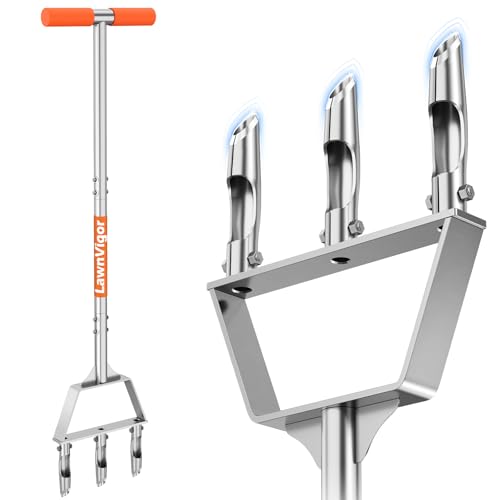
Manual Lawn Core Aerator for Compacted Soil with Non-Clogging Hollow Tines

Bluesea Lawn Aerator Tool 16 Iron Spikes with Ergonomic T-Handle (Orange)

Patented Rolling Lawn Aerator Manual Coring Tool Compacted Soil Loosening
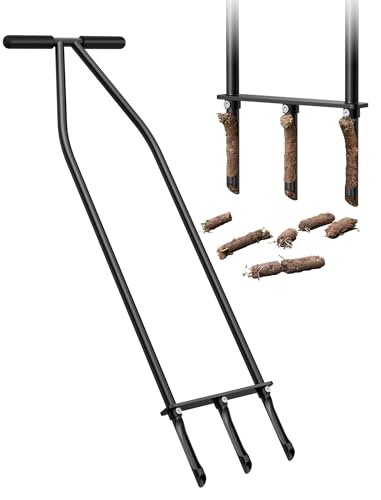
Lawn Aerator Tool Core Aerator with Alloy Steel Material Sturdy Grass Aerator

Dolibest Manual Aerator Lawn Tool with 4 Stainless Steel Semi-Open Plugs 37 Inch
More Details On Our Top Picks
The Landzie tool earns the Editor’s Choice slot because it solves the most common frustration with manual plug aerators: tines that clog mid-stroke. Its beveled, stainless steel hollow tines are designed to release the core cleanly after each pull, which keeps you moving across the lawn without stopping every other step to dig compacted soil out of the slots. The 42-inch handle also keeps your back mostly upright, a noticeable upgrade from shorter stepping-style aerators on tougher ground.
For homeowners with clay-heavy soil or a lawn that has not been aerated in years, this is the tool that makes the job feel possible without renting a machine. You may find that working in straight, overlapping passes gives the most even coverage, and a quick rinse after use keeps the tines sharp for next season.
Useful Touches
- Beveled hollow tines that resist clogging in damp soil.
- Stainless steel construction for long-term outdoor use.
- 42-inch handle reduces bending and saves your lower back.
- Pulls real soil cores rather than just poking holes.
Points To Keep In Mind
- Core aeration works best when soil is moist, not bone dry or waterlogged.
- Storage in a dry shed helps the finish last longer between uses.
Built With In Mind
Homeowners with medium to large lawns and moderately compacted soil who want a standing tool rather than a stepping one.
Reach For A Different Pick When
Pick the Dolibest 4-Core Stainless Steel Aerator instead if joint pain or grip fatigue is a concern, since its soft rubber handle reduces hand strain.
The first Dolibest on this list trades raw reach for hand comfort, and for many shoppers that is the right call. Four stainless steel coring plugs pull cores from a wider patch with each step, so you cover more lawn per pass than a single-tine tool. The soft rubber grip cushions the impact each time you press the tool down, which matters once you are halfway through a thousand-square-foot section.
Compared with the Landzie’s clog-resistant beveled tines, this Dolibest focuses on ergonomic contact points. It works well for older gardeners or anyone who has put off aeration because stepping motions aggravate sore wrists.
A Strong Showing
- Four coring plugs cover more ground per step.
- Soft rubber grip reduces vibration and hand fatigue.
- Stainless steel core resists bending in dense soil.
- Pulls real plugs rather than just spiking the surface.
Small Caveats
- More coring heads can mean more weight per step, depending on your strength.
- A thin coat of oil on the plugs at season’s end helps prevent surface rust in damp sheds.
Whose Shelf It Belongs On
Mid-sized yard owners with mild to moderate compaction who prefer a softer grip and broader coverage per step.
Swap It Out When
Go with the Landzie 42-Inch Aerator instead if your priority is a longer handle that lets you work standing mostly upright.
When soil has been neglected for years, ordinary plug aerators stall in the first few cores. LawnVigor’s manual core aerator is built around non-clogging hollow tines that resist the packed-in-soil problem that ends many aerating sessions early. Pre-watering the lawn a day ahead softens the ground and helps the tines slide in, which the brand explicitly recommends rather than rocking or twisting the tool sideways.
Where the Dolibest prioritizes hand comfort, this LawnVigor prioritizes puncture power. It is a sensible pick for clay-rich yards where each push needs real weight behind it.
Strong Points
- Non-clogging tines keep the work moving in damp clay.
- Sturdy metal construction handles dense, compacted ground.
- Pulls true soil plugs rather than just spiking the surface.
- Compact enough to store on a garage wall hook.
Worth Noting
- Works best with a pre-watering routine the day before aerating.
- Avoid twisting the tool in the ground, which can stress welded joints.
Quick Facts
Right Fit For
Homeowners with stubborn, compacted lawns who do not mind watering the day before and want fewer stoppages mid-pass.
A Better Fit Elsewhere
The Bluesea 16-Iron-Spike Aerator suits you better if your lawn is mostly soft and you just want a quick surface refresh.
The Bluesea aerator leans into a different philosophy from the rest of the list. Instead of pulling soil cores out of the ground, it uses 16 iron spikes to punch narrow holes through the turf, loosening the surface layer and improving airflow without leaving plugs on the lawn. The T-handle keeps your wrist in a natural position, and the bright orange finish is easy to spot if you set it down in tall grass.
Spike aeration is generally less effective than core aeration for severe compaction, but for a small lawn that just needs a seasonal refresh, the lighter approach is appealing. The brand also recommends prepping soil moisture for a day ahead to avoid jamming the spikes.
A Few Strong Suits
- 16 spikes create many small holes per step.
- T-handle position eases wrist strain during longer use.
- No cores left behind to clean up.
- Light enough for most gardeners to handle comfortably.
Honest Caveats
- Spikes relieve surface compaction more than deep compaction.
- Avoid working overly wet ground where mud clings to the spikes.
Best Suited To
Owners of small, lightly compacted lawns who want a low-effort tool for seasonal touch-ups rather than heavy renovation.
Look Elsewhere When
Choose the LawnVigor Manual Core Aerator instead if your lawn has serious compaction that spike tools cannot relieve.
If the stepping motion of traditional plug aerators is the part that wears you out, a rolling aerator changes the entire feel of the job. The K.D STONEDGE model pushes like a mower, with a scientifically balanced drum that pulls plugs as it rolls, so you keep your feet planted and let the tool do the lifting. It is a welcome change for anyone with knee or back concerns who still wants the deeper benefit of core aeration.
Rolling aerators tend to shine on flat, open lawns, since tight corners require a bit more maneuvering than a stepped tool. The design does the heaviest work on small to medium lawns where you can sweep in clean arcs.
Where It Excels
- Rolling motion removes the repeated stepping impact.
- Balanced weight pulls cores efficiently across flat ground.
- Pulls actual soil plugs, not just surface spikes.
- Good fit for gardeners who avoid repeated bending or stepping.
A Few Limitations
- Tight corners and narrow strips take more maneuvering.
- Storage needs a wider footprint than a stepped aerator.
Feature Snapshot
Made For
Homeowners with small to medium flat lawns who want core aeration without the strain of repeated stepping.
Consider Something Else When
Pick the Xuperace 3-Tine Core Aerator instead if your lawn is heavily compacted and you need extra punch from a stepped tool.
The Xuperace aerator introduces a small but meaningful design twist. Its three hollow tines pull cores from the lawn and eject them out the side of the tool rather than packing them inside. In practice, that means far less time spent prying soil out of the tines between plunges, especially in sticky clay where cores tend to lodge stubbornly.
Alloy steel construction gives the body extra rigidity, and the brand recommends working on moist grass for the cleanest plug release. Compared with the Bluesea spike approach, this Xuperace goes a step further by removing real soil rather than only piercing the surface.
The Upside
- Side ejection reduces clogging during long sessions.
- Alloy steel body adds rigidity under heavy stepping.
- Three hollow tines pull meaningful cores per step.
- Works well on moist, clay-rich lawns.
Trade Offs
- Side-ejected cores leave extra plugs to rake up afterward.
- Three tines mean each step carries a bit more resistance.
Who Should Grab It
Gardeners tackling wet or sticky clay lawns who want a clog-resistant stepped aerator with real core extraction.
Not Your Match When
Choose the Bluesea Spike Aerator instead if a quick, low-effort pass on a small lawn matters more than deep core aeration.
The second Dolibest entry is aimed at first-time aerators who want to skip the assembly step and get straight to the lawn. It ships pre-assembled, and the 4 semi-open plug design helps cores release on the way back up rather than packing tightly inside the tines. The 37-inch handle is a touch shorter than the Landzie but still tall enough to keep you from bending double.
Where the rolling K.D STONEDGE keeps your feet planted, this stepped tool is more familiar to anyone who has used a traditional plug aerator before. Semi-open plugs also make cleanup at the end of the day a little easier.
The Good Stuff
- Pre-assembled out of the box saves setup time.
- Semi-open plugs help release cores on the upstroke.
- Stainless steel construction holds up in damp soil.
- Rust-resistant coated pole for outdoor storage.
Things To Weigh
- Slightly shorter handle than the tallest option on this list.
- Four plugs add weight, which may tire some users faster.
Perfect Match For
First-time aerators who want a pre-built stepped tool with thoughtful plug design and minimal setup.
Where Another Pick Suits Better
The K.D STONEDGE Rolling Aerator is a better fit if you prefer to push rather than step, or want to spare your knees on larger passes.
What To Weigh Before Buying A Manual Plug Aerator
Core vs. Spike Aeration
Core aerators pull actual plugs of soil out of the lawn, which directly relieves compaction and creates real channels for air and water. Spike aerators push narrow holes into the ground without removing material, which is faster but mainly helps the surface layer. For lawns that have not been aerated in several seasons, core aeration usually delivers more visible improvement. For routine maintenance on already-healthy turf, spikes can be enough.
Handle Length, Weight, and Comfort
Longer handles (around 40 inches or more) let you work standing mostly upright, which matters for anyone with lower back concerns. Shorter stepping tools are easier to store and maneuver in tight garden beds, but they shift more impact into your knees and wrists. Rubber or padded grips, like the one on the Dolibest comfort model, soften the repeated downward force during longer sessions.
Tine Design and Clogging Resistance
Hollow tines vary in how they handle sticky or wet soil. Beveled tines (as on the Landzie) and side-ejecting designs (like the Xuperace) are engineered to release cores rather than pack them inside. In clay-heavy or recently watered lawns, that difference decides whether you finish the job in an afternoon or stop every few steps to clean the tool.
Lawn Size and Topography
Rolling aerators work best on flat, open lawns where you can sweep in wide arcs. Stepped aerators handle uneven ground, slopes, and tight corners more naturally. Small lawns tolerate either style; larger yards often reward the efficiency of a rolling drum.
Key Considerations Across These Picks
Pitfalls Shoppers Hit
Choosing a spike aerator when your lawn truly needs core aeration is the most common mismatch, and it leaves the underlying compaction largely untouched. Another frequent misstep is working bone-dry or soaking-wet soil, which either jams the tines or smears mud without releasing cores. Watering lightly a day before aerating gives the best results across every tool on this list.
Where The Extra Money Goes
Higher-tier manual plug aerators usually earn their cost through better materials (stainless or alloy steel instead of basic coated steel), smarter tine geometry that resists clogging, and ergonomic touches that reduce fatigue over a long session. The upgrade is worth it for anyone aerating more than a small patch or working with heavy clay, since the time saved and the reduced frustration add up across multiple seasons.
Frequently Asked Questions
How often should I aerate my lawn with a manual plug aerator?
Most cool-season lawns benefit from aeration once a year, ideally in early fall when grass is actively growing. Warm-season lawns often do best with late-spring aeration. Heavily trafficked or clay-heavy yards may need it twice a year until conditions improve.
Should I water the lawn before using a manual plug aerator?
Yes, light watering the day before aerating softens the soil enough for the tines to penetrate cleanly without forcing the tool. Avoid working in soggy ground, which causes mud to clog the tines and smear across the lawn.
Do manual plug aerators really work as well as machine aerators?
For small to medium lawns, a well-built manual plug aerator delivers comparable results to a rental machine, just at a slower pace. Larger properties with severe compaction may justify a powered unit for time savings, but for most homeowners, a manual tool is plenty.
How deep should the plugs be when I pull them?
Aim for plugs around two to three inches deep, which reaches the top of the root zone for most turf grasses. Shallow pulls mostly relieve the surface and rarely justify the effort, while deeper plunges on softer soil can sometimes extract four-inch cores that break apart naturally on the surface.
Can I leave the soil plugs on the lawn after aerating?
Yes, leaving the cores where they fall is the standard practice. They break down within a couple of weeks, returning nutrients to the soil and acting as a light top-dressing. Rake them up only if their appearance bothers you or the lawn is being used immediately.
Bottom Line
The right manual plug aerator depends on your soil, your lawn size, and how much physical effort you want to invest. For deep relief on compacted yards, the Landzie and Xuperace tools stand out. For comfort and gentler use, the Dolibest models and Bluesea spike aerator each fill a specific niche. Match the tool to the conditions in front of you, prep the soil with a light watering, and your next growing season should start with noticeably thicker, healthier turf.
