

Healthy soil doesn’t happen by accident. Whether you’re reviving a tired vegetable bed, prepping new planters, or rebuilding compacted clay around shrubs, the right compost sets the tone for everything that follows. This roundup covers eight solid options across manure-based blends, worm castings, and organic composts, so you can match the bag to your soil, your plants, and the scale of your project.
A Fast Comparison Of The Options

Espoma Organic Land and Sea Gourmet Compost 1 Cubic Foot Bag

Back to the Roots Organic Worm Castings 5lb

Worm Bliss Organic Worm Castings 1 Qt

Blue Ribbon Organics OMRI Certified Organic Compost 7.9 Gallons

R&M Organics Compost Soil Amendment Fertilizer

Black Kow Composted Cow Manure 8 qt
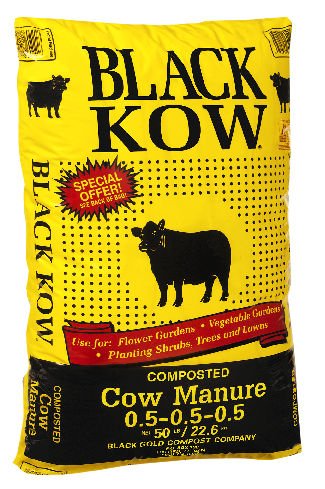
Black Kow Composted Cow Manure 35 lb Bag

Hoffman Organic Cow Manure Fertilizer 20 lbs
The Strengths Of Each Pick
This Espoma blend stands apart from the worm-casting and cow-manure options on this list by leaning into a coastal formula: lobster and crab meal layered into a peat-and-perlite planting base. The result is a richer-smelling, darker mix that gardeners in coastal regions tend to gravitate toward for blueberries, roses, and flowering shrubs that prefer a slightly more nitrogen-balanced feed.
The one-cubic-foot size suits modest bed refreshes or a row of container plantings, and the included Myco-Tone mycorrhizae blend helps roots establish faster in new transplants. For most backyard veggie plots, one bag covers roughly six square feet when worked in at planting depth, which makes budgeting straightforward for small projects.
The Practical Payoff
- Lobster and crab meal feeds heavy-flowering plants like roses and tomatoes without the sharp odor of raw manure
- Myco-Tone mycorrhizae (beneficial fungi that attach to roots and improve nutrient uptake) gets transplants established faster
- Works at planting time and as a mid-season top dress for established beds
- One-cubic-foot bag is manageable for car transport and storage in a small shed or garage corner
Things To Weigh
- The coastal crust meal scent fades but can read as “fishy” to sensitive noses for the first day or two
- Smaller bag means higher per-cubic-foot cost than the bulk options further down the list
- Peat base may dry out faster in sandy soils without regular watering
Right Fit For
Coastal-region gardeners growing flowering shrubs, blueberries, or tomatoes who want an organic blend that goes beyond a standard manure base.
A Better Fit Elsewhere
Bulk bed rebuilders should reach for Blue Ribbon Organics OMRI Certified Organic Compost, which delivers nearly eight gallons at a lower per-unit cost.
Back to the Roots leans into ease of use with a worm-casting product that asks very little of the gardener: sprinkle, water, watch. The five-pound bag is heavy enough to amend several medium planters or a small raised bed, yet light enough to carry from the porch without strain.
Worm castings (the nutrient-rich digested organic matter worms leave behind in soil) act as a gentle soil conditioner rather than a hot fertilizer, so you won’t burn tender roots even when applied generously. For most indoor houseplant growers or balcony gardeners, this becomes a low-risk way to introduce living-soil biology without committing to bulk manure.
The Good Stuff
- Gentle enough to apply directly to houseplants without dilution or root-burn risk
- Five-pound size fits neatly on a shelf and pours cleanly from the bag
- Works indoors and outdoors, making it versatile across mixed plant collections
Trade Offs
- Worm castings alone won’t rebuild a depleted bed the way a bulk cow-manure compost can
- Moisture-sensitive castings can clump if the bag is stored in a humid garage for months
- Higher per-pound cost than the larger Black Kow bags if you’re amending an entire lawn
Feature Snapshot
Built With In Mind
First-time compost users and indoor plant parents who want a forgiving, no-measure approach to richer soil.
Consider Something Else When
Large-lawn or full-vegetable-garden projects are better served by Black Kow Composted Cow Manure 35 lb Bag, which offers more volume per dollar.
Worm Bliss earns its spot as the OMRI-listed (Organic Materials Review Institute) choice, which matters if you garden under a strict organic certification or simply prefer inputs verified by an independent body. The one-quart jar feels small at first, but castings are potent, so a little goes a long way in seed-starting mixes and small containers.
The “manure-free” framing makes this appealing to vegan gardeners or anyone turned off by the idea of animal-derived inputs, while still delivering the nitrogen, phosphorus, and trace minerals that worm castings are known for. For most seed-starting trays, you only need a couple of tablespoons per cell, so the jar stretches further than you’d expect.
Strengths Worth Knowing
- OMRI-listed certification gives organic growers documented verification
- Manure-free formulation suits vegan-friendly gardening practices
- Compact quart jar fits on a potting bench without taking up shelf space
- Concentrated nutrient profile means a small amount covers many cells
Less Ideal Details
- One-quart volume runs out fast in anything larger than a small herb garden
- Per-ounce cost runs higher than bulk cow-manure options on this list
Spec Overview
Whose Shelf It Belongs On
Seed starters and small-space organic gardeners who need a certified, manure-free soil boost in a shelf-friendly package.
Skip It When
Anyone rebuilding a depleted raised bed will get more value from Blue Ribbon Organics OMRI Certified Organic Compost in a 7.9-gallon bag.
When the project calls for cubic feet rather than cups, Blue Ribbon Organics delivers. The 7.9-gallon bag (roughly 32 to 35 pounds) is the heaviest on this list and built for raised beds, large containers, or top-dressing an entire vegetable plot.
Unlike the worm-casting options above, this is a true compost with soil-building structure rather than a concentrated nutrient amendment. OMRI certification backs it up for organic use, and the manufacturer notes it pairs well with worm castings for gardeners who want a layered approach. For most backyard rebuilds, one bag covers a 4×8 raised bed spread roughly two inches thick.
What Helps Most
- Bulk volume lowers the per-cubic-foot cost significantly versus smaller bags
- OMRI certification supports organic gardening documentation and food-safety claims
- Safe to apply at any concentration without risk of burning plants
- Improves both water retention in sandy soils and aeration in clay-heavy ground
Practical Considerations
- Thirty-plus-pound bag is awkward for one person to haul up porch steps
- Bulk format means leftover compost needs a sealed bin or tarp to stay usable
- Less nutrient-dense per scoop than worm castings or manure-based blends
Quick Technical Notes
Made For
Raised-bed growers and homeowners tackling a full-season soil rebuild who want bulk volume without sacrificing organic certification.
Look Elsewhere When
Apartment-dwellers with only a few patio pots should consider Black Kow Composted Cow Manure 8 qt for a more manageable size.
R&M Organics positions itself as an all-purpose workhorse: dairy-cow-manure compost with enough structure to feed soil biology over a full growing season. The framing leans toward gardeners managing lawns, fruit trees, and mixed flower beds rather than one specialty crop, which makes it a flexible choice when your yard has several different planting zones.
Unlike the OMRI-listed Blue Ribbon option, R&M doesn’t lean on a third-party certification badge, so it’s worth checking the ingredient list if you garden under strict organic rules. For most suburban homeowners, though, the nutrient-replenishing focus suits post-harvest soil recovery and early-spring bed prep without much fuss.
Useful Touches
- Dairy-cow-manure base delivers slow-release nitrogen over several months
- Designed for both indoor containers and outdoor beds, adding versatility
- Suits post-harvest soil recovery when beds need rebuilding between seasons
- Works across vegetable gardens, fruit trees, flowers, and lawns
Some Limits To Know
- No third-party organic certification noted on the listing, which may matter to certified-organic growers
- Bag size isn’t listed in the source data, so planning the right quantity takes a guess
- Dairy-manure scent lingers longer than worm-casting alternatives during the first week after application
Best Suited To
Homeowners managing mixed plantings across lawn, fruit trees, and flower beds who want a single bag to handle multiple zones.
Reach For A Different Pick When
Strict organic-certification gardeners will prefer the OMRI-listed Blue Ribbon Organics OMRI Certified Organic Compost or Worm Bliss Organic Worm Castings.
The 8-quart size makes this Black Kow variant the most container-friendly pick on the list. It pours cleanly into a wheelbarrow or large bucket without the wrestling match the 35-pounder demands, and it stores neatly on a patio or in a small shed corner.
Composted cow manure behaves differently from worm castings: it holds water and nutrients around root zones rather than feeding them directly. For most patio pots and small flower beds, that moisture-buffering quality becomes the headline benefit during summer dry spells. Sandy soils in particular benefit, since the compost helps retain moisture that would otherwise drain past the roots.
Strong Points
- Improves moisture retention in fast-draining sandy soils
- Eight-quart bag is manageable for one person and stores compactly
- Helps break up compacted clay over multiple applications
- Composted (not raw) form avoids the burn risk of fresh manure
Worth Bearing In Mind
- Smaller bag runs out quickly on anything larger than a small flower bed
- Composted manure scent is mild but noticeable for the first day or two after application
- Lower nutrient concentration per scoop than worm castings or synthetic feeds
Who Should Grab It
Patio and balcony gardeners working with sandy or fast-draining potting mixes who want a manageable bag size for seasonal refreshes.
Swap It Out When
Full vegetable-garden rebuilders should reach for Black Kow Composted Cow Manure 35 lb Bag to avoid running out mid-project.
The 35-pound Black Kow bag is the workhorse of this roundup. The 0.5-0.5-0.5 nutrient ratio (a balanced nitrogen-phosphorus-potassium fertilizer profile that releases slowly over time) makes it forgiving to apply, and the slow-release nature means you won’t damage plants even with a heavy hand.
There’s a clever trick the manufacturer highlights: lay the bag flat, slice planting openings on top, and punch drainage holes in the bottom to grow tomatoes directly in the bag. For most renters or anyone without permanent bed space, that opens up a no-dig growing method that still delivers compost-fed results. Established vegetable gardeners will find the volume right for refreshing multiple beds each spring.
Practical Advantages
- Slow-release 0.5-0.5-0.5 formulation won’t burn plants even with generous application
- Thirty-five-pound volume covers large gardens or multiple beds per season
- Bag planting method works for tomatoes and other heavy feeders in tight spaces
- Safe for houseplants when used as a soil mix component
What To Weigh
- Thirty-five pounds is a serious carry from the curb to the garden
- Composted manure scent is mild but present during initial application
- Single-ingredient focus means pairing with other amendments for varied crops
Feature Card
Who It Suits Best
Home gardeners managing tomato patches, large vegetable plots, or anyone wanting a no-dig option for heavy-feeding crops.
Where A Sibling Pick Shines
Smaller patio setups benefit more from the 8-quart Black Kow Composted Cow Manure, which is easier to handle and store.
Hoffman slots in as the middle-weight option between the 8-quart Black Kow and the bulk Blue Ribbon bag. Twenty pounds is a comfortable compromise: heavy enough to amend a medium vegetable garden, light enough that one person can still wrestle it from the car to the yard.
The 1-1-1 NPK ratio (equal parts nitrogen, phosphorus, and potassium, the three primary nutrients plants need) lands between Black Kow’s gentler 0.5-0.5-0.5 and concentrated synthetic feeds, giving a moderate nutrient push without aggressive force-feeding. For most mixed planting beds, that balanced profile suits flowers and vegetables growing side by side.
Notable Upsides
- Balanced 1-1-1 formulation works for flowers and vegetables in the same bed
- Twenty-pound size balances bulk value with manageable transport
- Non-burning formula spreads safely around plants without root damage
- Cow-manure base suits organic-leaning gardens without synthetic inputs
Points To Note
- Moderate nutrient concentration means larger beds may need supplementing mid-season
- Composted manure aroma is mild but present right after spreading
- No third-party organic certification noted on the source listing
Perfect Match For
Mixed-flower-and-vegetable gardeners who want one bag to handle several bed types without overcommitting to bulk volume.
Another Choice May Suit
Certified-organic growers will appreciate the OMRI-listed Worm Bliss Organic Worm Castings for documented organic compliance.
What Matters Most Before Choosing Manure Composts
Match The Format To The Project
Bulk compost in 30-plus-pound bags makes sense for full-bed rebuilds, but a one-quart jar of worm castings can outvalue it for a seed-starting tray. Choosing between formats starts with honest measurement: how many square feet are you actually amending, and how often will you reapply? Gardeners with several raised beds benefit from larger bags, while patio growers usually save money by buying smaller quantities more frequently.
Decide Between Manure And Worm Castings
Cow manure compost focuses on soil structure, moisture retention, and slow nutrient release. Worm castings (the digested organic matter worms leave behind) act more like a biological inoculant (introducing beneficial microorganisms) and gentle fertilizer. Manure rebuilds tired beds; castings fine-tune the soil food web. Many experienced gardeners use both, layering compost for structure and castings for biological activity.
Check For Third-Party Certifications
OMRI-listed products carry independent verification from the Organic Materials Review Institute, which matters if you garden under organic certification, sell at farmers markets with organic claims, or simply want documented inputs. Compost without that listing isn’t necessarily lower quality, but it does shift the verification burden onto your own research into the source materials and processing.
Consider Storage And Handling
A 35-pound bag stored in a humid garage can clump or sour before you use it all. Smaller bags and resealable containers give you flexibility, especially in tight storage spaces or rental situations where you can’t dedicate a corner to bulk soil amendments.
Key Considerations Across These Picks
Where Shoppers Go Wrong
A common mistake is buying the largest bag to save money per unit, then letting half of it sit uncovered through a rainy week. Compost degrades quickly when exposed to the elements, so matching bag size to actual project scope usually saves more than the bulk discount. Another trap is assuming all “organic” labels mean OMRI-listed certification; the term isn’t regulated the way many gardeners assume, so reading the certification details matters.
Where The Extra Money Goes
Higher-tier composts tend to invest in better feedstock (plant matter versus mixed-yard waste), longer cure times, and third-party testing. The result is a more consistent product with fewer weed seeds, more stable nutrient release, and documented organic compliance. For most backyard gardeners, that premium pays off when feeding perennial beds or food crops, while bargain options suit annual flower beds where you rotate plantings each year anyway.
Frequently Asked Questions
How much compost do I actually need for a raised bed?
A standard 4×8-foot raised bed holds roughly 24 cubic feet of soil, so a 2-inch top-dressing refresh uses about 5 cubic feet. Blue Ribbon Organics OMRI Certified Organic Compost in the 7.9-gallon bag covers that comfortably with a little leftover for nearby containers.
Can I use manure compost on indoor houseplants?
Yes, though worm castings like Back to the Roots Organic Worm Castings work better indoors because they’re nearly odorless and gentle on roots. If you do use composted cow manure, mix it at roughly one part compost to three parts potting soil to keep the texture airy.
What’s the difference between composted and raw manure?
Composted manure has been aged and broken down by microbes until it’s stable, odor-mild, and safe to apply directly to plants. Raw manure is far too strong and can burn roots or carry pathogens, which is why every product on this list uses composted forms rather than fresh material.
Do I need to mix compost with existing soil?
For most in-ground beds, working compost into the top 4 to 6 inches of native soil gives the best results. Containers benefit from a blend of roughly 20 to 30 percent compost mixed with potting mix, which keeps drainage sharp while adding biology and nutrients.
How often should I reapply compost?
Annual top-dressing in early spring works for most vegetable and flower beds. Heavy-feeding crops like tomatoes benefit from a mid-season side-dress, while lawns and perennials usually thrive on a single yearly application of well-aged compost or worm castings.
Closing Thoughts
Soil improvement is one of the rare gardening investments that pays back year after year, regardless of what you plant next. Match the bag to your project size, decide whether you need structure or biological activity, and don’t overthink the rest. A modest application of any of these composts this season will leave your beds noticeably better than you found them.
