

A productive vegetable patch starts below the surface, and the right manure turns thin, tired soil into something your tomatoes, peppers, and leafy greens can actually feed on. The challenge is sorting through dehydrated pellets, composted cow manure, and blended organic soils to find a fit for your beds, containers, and climate. This list rounds up eight solid options across formats and budgets, so you can match the bag to the way you garden.
The Leading Options At A Glance

Hoffman 20505 Dehydrated Super Manure 4-2-3, 5 lb

Pearl Valley ORGANIX Coop Poop Garden Food, 40 lb

Home & Country USA Organic Composted Cow Manure 10 lb Pail

Coast of Maine Tomatoes and Veggies Organic Planting Soil, 20 qt

R&M Organics Compost Soil Amendment Fertilizer

Black Kow Composted Natural Cow Manure Fertilizer 8 qt
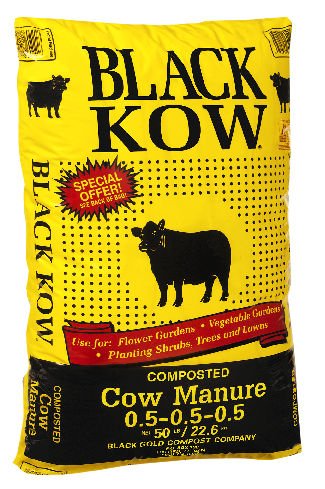
Black Kow Composted Cow Manure 35 lb Bag

Hoffman Organic Cow Manure 1-1-1 Fertilizer, 20 lb
Taking A Closer Look At The Options
Hoffman 20505 Dehydrated Super Manure is one of those workhorse soil amendments that has been around long enough to earn trust among backyard growers. The dehydrated, pelletized format means you are spreading dry, easy-to-handle bits rather than wrestling with wet, fibrous material. For most raised beds and small plots, a 4-2-3 nitrogen-phosphorus-potassium ratio (the three numbers that tell you how concentrated a fertilizer is in each primary nutrient) gives a measured push without overwhelming young roots. This is a featherweight compared to the bulkier composted cow options further down the list.
The trade-off is that pellets break down slowly, so you are not feeding your soil an instant banquet. You may find the 5-pound size runs out fast in anything bigger than a couple of small beds, which is where larger composted cow manure products start to make more sense.
Real-World Strengths
- Concentrated 4-2-3 nutrient profile in a tidy 5-pound bag that fits on a garage shelf
- Pelletized form spreads evenly by hand without the mess of wet compost
- Designed to avoid burning plants when used as directed, which helps new gardeners avoid common over-application mistakes
- Encourages earthworm activity, which keeps soil alive and moving between seasons
- Builds humus content (stable organic matter that holds moisture and nutrients) gradually over multiple applications
Things To Consider
- The 5-pound bag is genuinely small, so large vegetable plots will go through it quickly
- Pellets take time to break down and do not act as a quick fix for depleted soil
- Poultry-based manure has a noticeable smell during application, so plan for some outdoor breeze
Feature Snapshot
Who It Suits Best
Home gardeners tending small raised beds, herb patches, or a handful of containers who want a tidy, low-mess amendment that stores easily.
Consider Something Else When
Larger vegetable plots that need bulk coverage in one pass will get more mileage from the Black Kow Composted Cow Manure 35 lb Bag.
Pearl Valley ORGANIX Coop Poop is a 40-pound bag aimed squarely at gardeners who treat their vegetable plot like a small farm. The all-purpose garden food profile means you can use it across flower beds, vegetable rows, and container groupings without juggling separate products. Compared to the dehydrated pellets in pick 1, this one delivers composted poultry manure in a denser, more soil-like form that holds moisture around roots.
Where this bag really pulls its weight is in larger beds that need a meaningful amount of organic matter in a single delivery. It is also pH balanced (adjusted to a near-neutral acidity level that suits most edible crops), which helps avoid the soil swings that frustrate first-time growers.
Benefits That Matter
- 40-pound bulk size covers a substantial vegetable garden in one purchase
- Balanced pH supports healthy root development in a wide range of crops
- Versatile across flower beds, vegetable rows, and container plantings
- Composted poultry manure improves nutrient uptake over a full growing season
Worth Noting
- 40 pounds is heavy to haul and store, especially for gardeners without a wheelbarrow or covered bin
- Composted manure still carries a mild earthy smell during the first few waterings
Built With In Mind
Vegetable gardeners managing medium to large plots who want one bag to handle most of their amendment needs across a season.
A Better Fit Elsewhere
Apartment and balcony growers working with a few pots will find the Coast of Maine Tomatoes and Veggies blend easier to handle.
Home and Country USA Organic Composted Cow Manure arrives in a handled pail, which sounds like a small detail until you are lugging amendments from a car to a garden. The composted cow manure inside is 100% organic with no chemical additives, so it slots cleanly into edible gardens where you want a clean feed. Against the bulkier Pearl Valley bag in pick 2, this one trades volume for portability, which makes it a friendlier introduction for someone new to soil building.
The pail doubles as storage between uses, so you do not have a torn bag leaking compost across the garage floor. For most flower and vegetable beds under a few hundred square feet, 10 pounds is a comfortable amount to work with in a single afternoon.
What Pays Off
- Reusable pail with a handle makes transport and storage genuinely easier than loose bags
- Improves soil structure and water retention, helping beds hold moisture through dry spells
- Suitable for vegetables, flowers, shrubs, and lawns from a single container
Honest Caveats
- At 10 pounds, larger plots will need multiple pails to amend properly
- The pail shape makes it harder to pour precisely than a traditional bag opening
Right Fit For
New gardeners and small-space growers who want an approachable, organic amendment they can carry, store, and apply without committing to a 40-pound sack.
Look Elsewhere When
Those managing big in-ground vegetable rows will find better value and coverage from the Black Kow Composted Cow Manure 35 lb Bag.
Coast of Maine Tomatoes and Veggies is a crafted organic compost blend tuned specifically for vegetable beds and containers, which sets it apart from generic manure products. The lightweight potting mix texture makes it easy to work into existing soil or use as a top layer when transplanting seedlings. Compared to the dehydrated pellets in pick 1, this delivers a richer, more finished growing medium right out of the bag.
It pulls double duty for seeding, transplanting, or topping off pots, which removes the guesswork of layering amendments across different stages of the growing season.
Useful Touches
- Specifically crafted for tomatoes and vegetables, taking the trial-and-error out of blending
- Lightweight texture improves aeration in containers and dense garden beds
- Works for seeding, transplanting, and refreshing mid-season containers
- Organic compost base supports beneficial microbial activity in the root zone
Practical Considerations
- 20 quarts goes quickly in anything beyond a small patio garden
- Higher-end positioning means the per-quart cost is steeper than bulk manure options
Core Details
Whose Shelf It Belongs On
Vegetable gardeners focused on tomatoes, peppers, and similar fruiting crops who want a blend that takes the recipe work out of soil building.
Swap It Out When
Large in-ground plots that need bulk soil conditioning will benefit more from the Black Kow Composted Cow Manure 35 lb Bag.
R&M Organics Compost Soil Amendment is built around composted dairy cow manure, giving it a familiar, garden-friendly base that works across vegetables, fruit trees, flowers, and lawn patches. The all-purpose positioning means you do not need separate products for the kitchen garden and the front yard. Against the heavier Pearl Valley bag in pick 2, this plays a similar role with a slightly different nutrient profile and packaging format.
It targets the nutrient drain that hits soil after a full growing season, which is a real concern for gardeners who rotate crops heavily through the same beds year after year.
Key Advantages
- Multi-use format covers vegetable gardens, fruit trees, flowers, and lawns from one bag
- Dairy cow manure base adds organic matter that supports long-term soil structure
- Helps replenish nutrients after harvest-heavy growing seasons
- Suitable for both indoor and outdoor gardening setups
Trade-Offs To Consider
- The all-purpose label means it is not specialized for any one crop type
- Nutrient concentrations may run lower than dedicated vegetable fertilizers for heavy feeders like corn or squash
Feature Rundown
Who Should Grab It
Households juggling vegetable beds, ornamental beds, and lawn patches who want a single bag to cover most amendment needs.
Reach For A Different Pick When
Tomato specialists chasing maximum yield from fruiting crops will get more targeted support from the Coast of Maine Tomatoes and Veggies blend.
Black Kow Composted Natural Cow Manure comes in a smaller 8-quart format that fits apartment balconies, patio containers, and modest flower beds. Black Kow cow manure is known for its moisture-holding ability in sandy soils and its capacity to break up dense clay, which makes it broadly useful across soil types. Compared to the 35-pound Black Kow bag in pick 7, this is the same trusted brand in a more manageable quantity.
For most patio setups, the 8-quart size keeps things tidy without leaving you with a half-used bag sitting in a closet for months.
Reasons It Performs
- Compact 8-quart bag suits balconies, patios, and small flower beds
- Adds moisture-holding capacity to sandy soils that drain too quickly
- Improves aeration and structure in heavy clay soils
- Composted format means it is ready to work into soil without further preparation
Room For Improvement
- Smaller volume means more frequent repurchasing for active gardeners
- Composted cow manure has an earthy aroma during initial mixing
Feature Card
Perfect Match For
Apartment and condo gardeners tending a handful of containers who want a recognizable brand in a manageable bag size.
Where Another Pick Suits Better
Gardeners with full in-ground vegetable rows will stretch the larger Black Kow Composted Cow Manure 35 lb Bag further for the same brand promise.
Black Kow Composted Cow Manure in the 35-pound bag is the workhorse choice for gardeners serious about long-term soil improvement. The composted cow manure is a slow-release fertilizer with a 0.5-0.5-0.5 NPK ratio, which means it feeds gently over weeks rather than pushing a quick flush of growth. The honest read is that this is less about dramatic results and more about steady soil building across seasons.
Unlike the smaller 8-quart Black Kow option in pick 6, this bag is sized for serious ground coverage and serious beds.
The Value In It
- Slow-release nutrient profile avoids the burn risk common with stronger fertilizers
- 35-pound bag covers a meaningful in-ground vegetable plot in a single purchase
- Safe for houseplants, so any surplus can move indoors to potted plants
- Can be used by laying the bag on its side, cutting a planting opening, and punching drainage holes for a quick container garden
- Builds soil structure gradually, which improves clay and sandy soils over time
Points To Note
- Low NPK numbers mean this is not a quick-fix fertilizer for nutrient-starved plants
- 35 pounds requires a vehicle for transport and dry storage between uses
Made For
Patient gardeners focused on long-term soil health across large vegetable plots who prefer steady feeding over fast growth spurts.
Not Your Match When
Container gardeners with limited storage will find the smaller Black Kow 8 qt bag in pick 6 a much easier fit.
Hoffman Organic Cow Manure comes in a balanced 1-1-1 formulation in a generous 20-pound bag, designed for steady feeding across vegetable and flower gardens. The natural cow manure formula delivers nutrients without harsh chemicals, which suits gardeners growing herbs and organic vegetables. Compared to the higher-nitrogen 4-2-3 Hoffman pellets in pick 1, this one trades concentration for gentleness and a larger volume.
The non-burning formula spreads easily around established plants without damaging roots or foliage, which removes the worry that comes with stronger synthetic feeds. For most mixed gardens, 20 pounds covers a full season of routine feeding.
Why It Works Well
- Balanced 1-1-1 ratio feeds vegetables and flowers without overloading any one nutrient
- Non-burning formula protects roots and foliage during application
- 20-pound bag covers a season of routine feeding for most home gardens
- Natural cow manure base suits organic gardening routines
Some Limits To Know
- The 1-1-1 ratio is gentle, so heavy feeders like corn and squash may want supplemental feeding
- Bulk bag requires dry storage to keep the manure from clumping
Feature Overview
Best Suited To
Mixed gardens with vegetables, herbs, and flowers that need a steady, gentle feed across the full growing season.
Another Choice May Suit
Gardeners rebuilding tired or depleted soil will get a stronger boost from the Hoffman 20505 Dehydrated Super Manure in pick 1.
What Matters Most When Choosing Manures For Vegetable Garden
Form And How You Apply It
Dehydrated pellets, composted cow manure, and finished compost blends are the three main formats you will encounter. Pellets are tidy and concentrated, which suits small beds and storage-limited gardeners. Composted cow manure adds bulk organic matter and improves soil structure, which matters more for in-ground plots. Finished blends like the Coast of Maine option are ready to use straight from the bag, skipping the mixing step. Your garden size and willingness to handle wet, heavy material should drive this choice.
Nutrient Ratios And Feeding Speed
The NPK ratio (nitrogen, phosphorus, and potassium, listed in that order on every fertilizer label) tells you how concentrated each primary nutrient is. Higher numbers like 4-2-3 push faster leaf growth, while lower numbers like 1-1-1 or 0.5-0.5-0.5 feed gently over weeks. Quick-growing crops like leafy greens often want stronger feeds, while root vegetables and established perennials prefer the slower approach. Match the ratio to the plants you grow most.
Soil Type And What It Needs
Sandy soils benefit most from manure that holds moisture around roots, while clay-heavy soils need organic matter that opens up the structure. Black Kow products target both ends of that spectrum, which is part of their long-standing reputation. If you are unsure about your soil type, a basic home soil test before amending prevents the common mistake of overloading any one nutrient.
Bag Size And Storage Reality
A 40-pound bulk bag is a poor match for an apartment closet, and a 5-pound pellet bag is a poor match for a half-acre garden. Honest assessment of where you will store the bag and how you will move it matters more than per-pound cost. Smaller bags stored indoors stay drier and easier to pour, while larger bags often need a tarp or bin outdoors.
Key Considerations Across These Picks
Pitfalls Shoppers Hit
The most common mistake is grabbing the highest NPK number on the shelf and assuming more is better, which can scorch young roots and leave soil worse off than before. Another trap is ignoring the format: pellets in a small bag will not transform a large garden, and a 40-pound compost bag will overwhelm a balcony setup. Reading the intended use and matching it to your actual bed size saves both money and plants.
Where The Extra Money Goes
Premium blends like the Coast of Maine option cost more per quart because the manufacturer has done the mixing work for you, sourcing and combining organic ingredients into a finished growing medium. The upgrade pays off when you want a single bag that handles seeding, transplanting, and mid-season top-ups without buying separate products. For gardeners who would rather skip the recipe work and get straight to planting, that extra cost buys convenience as much as nutrients.
Frequently Asked Questions
How often should manure be applied to a vegetable garden?
Most composted manures benefit from one or two applications per growing season, with a light top-up mid-summer for crops like tomatoes and squash. Dehydrated pellets release more slowly and may only need a single spring application.
Can manure burn vegetable plants?
Fresh, uncomposted manure can burn roots, but the composted and pelletized products in this list are processed to avoid that risk. Always follow the package directions and avoid piling amendments directly against plant stems.
Is cow manure or poultry manure better for vegetables?
Both work well, though poultry manure tends to be higher in nitrogen, which suits leafy greens and fast-growing crops. Composted cow manure is gentler and adds more bulk organic matter, making it a better all-around soil builder.
How long does bagged manure last in storage?
Most bagged manures stay effective for at least one to two years if kept dry and sealed. Moisture is the main enemy, since wet manure can lose nutrient value and become harder to spread.
Do I need to mix manure into the soil or just spread it on top?
Top-dressing (spreading manure across the soil surface) works for established beds, while mixing it in gives faster results for new plantings or heavily depleted soil. Both methods feed the soil over time, so the choice comes down to timing.
Closing Remarks
The right manure depends less on brand prestige and more on your bed size, storage situation, and the crops you grow most. Small containers pair well with portable pails or pellets, while in-ground vegetable plots benefit from the bulk and structure of composted cow manure. Pick the format that matches how you actually garden, and your soil will do the rest across the season.
