

Cleaning stalls, paddocks, and coops is a daily grind, and the right manure fork changes how that work feels in your back, your hands, and your schedule. This roundup focuses on forks that handle wet bedding, packed straw, and shavings without snapping or spilling half the load back onto the aisle. Whether you run a boarding stable, a hobby farm, or a backyard coop, the eight options below cover a mix of polycarbonate heads, steel-tined traditionalists, and fiberglass-handled multitaskers worth a closer look.
An Overview Of The Picks

Little Giant DuraFork Bedding Fork 3 Count Horse

Little Giant DuraFork Pitch Fork Hot Pink
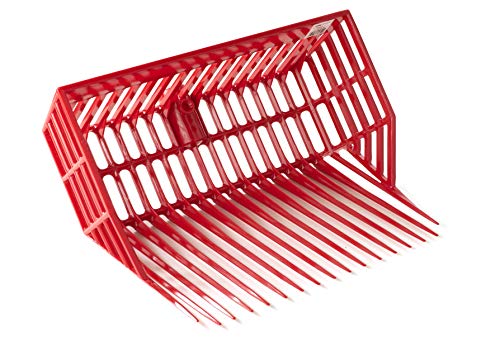
Little Giant DuraPitch II Basket-Design Fork Head

Little Giant DuraFork Replacement Head Green


Truper TruTough Ensilage Fork 10 Tines

Nohovu 5 Tine Pitchfork Fiberglass Handle

VNIMTI 5 Tine Pitchfork Fiberglass Handle
Why These Options Stand Out
Running a boarding barn usually means juggling multiple aisles and several helpers, and a three-pack of forks solves the “where’s the good fork” problem before it starts. Each Little Giant DuraFork in this set is built around a polycarbonate head, a high-strength plastic engineered to flex slightly under load instead of snapping like older wooden or thin-metal heads. At roughly 13 by 15 inches across the tines with a 52-inch overall length, the head sizes match what most stable crews already use.
Three forks also let you place a dedicated fork in each stall block, keeping things sanitary and cutting down on cross-contamination. Compared to the single Hot Pink option later in the list, this bundle spreads the same proven head across multiple stations.
What Earns Its Place
- Polycarbonate head flexes slightly under load, reducing cracks versus rigid plastic or wood
- Three-fork bundle supports separate stations across a barn without mixing tools
- Lightweight enough for long shifts without forearm fatigue
- Works for compost, manure, insulation, and bedding soil, not just stall cleanup
Things To Consider
- Polycarbonate can scuff or stain over time with heavy contact against rough concrete
- Owners commonly report the head eventually fading where it rests in direct sun
Quick Facts
Who It Suits Best
Boarding barn managers and small ranch owners who want a matched set of reliable forks spread across stalls, paddocks, and grooming areas.
Consider Something Else When
Backyard coop keepers cleaning one or two stalls should look at the Nohovu 5 Tine Pitchfork, which pairs a single fork with a longer, back-friendly handle.
The Hot Pink Little Giant DuraFork solves a problem most folks don’t think about until tools start disappearing: a fork you can actually see in tall grass, deep bedding, or behind a hay bale. Its polycarbonate head carries the same angled-tine geometry as the green replacement head reviewed below, with tines measuring 13.125 inches long and 15.125 inches wide. That angled pattern scoops loose bedding into the fork head rather than letting it fall through.
Bright color coding also helps when several people share tools at a busy stable. Anyone grabbing the wrong rake or shovel can quickly course-correct with a glance.
The Good Stuff
- Hot pink head is easy to spot in bedding piles, tall grass, or low light
- Angled tines reduce spillage through the gaps during transport
- Polycarbonate build flexes under load without splintering
- Light enough for younger helpers to handle safely
Worth Noting
- Pink pigment can chalk or fade under extended UV exposure
- Color may not suit barns with strict aesthetic standards
Made For
Barns with shared tool racks where color-coded tools help prevent mix-ups between manure forks, bedding rakes, and hay forks.
Skip It When
Heavy commercial operations should step up to the Truper TruTough Ensilage Fork for a full-length wood-handled tool built for daily abuse.
The DuraPitch II stands out for one specific reason: its basket design moves noticeably more material per scoop than the standard DuraFork reviewed above. The basket geometry cradles loose bedding and manure inside the head instead of letting it slide off mid-stride, which matters when you’re hauling loads across a wide aisle or out to a muck heap. Built from the same polycarbonate as the rest of the Little Giant line, the 13-inch tines flex under stress instead of snapping.
This is a replacement head only, so you’ll pair it with your existing handle if you already run a Little Giant fork. That modular design saves money when the head wears out before the handle does.
The Upside
- Basket design scoops more material per pass than flat-tine forks
- Polycarbonate resists cracking under heavy stall waste
- Drop-in replacement for worn Little Giant fork heads
- Reduces trips between stall and muck pile
Honest Caveats
- Basket shape can clog with wet, sticky bedding if not shaken between scoops
- Requires an existing compatible handle, which adds upfront cost for first-timers
Right Fit For
Stable hands working deep bedding stalls who want to cut their trip count between stall and muck pile without switching fork styles.
Look Elsewhere When
First-time buyers without an existing handle should look at the Nohovu 5 Tine Pitchfork, which ships as a complete unit ready to use.
Anyone who’s broken a fork head mid-cleanup knows the value of a quick replacement, and this DuraFork head in green keeps an existing handle in service rather than retiring the whole tool. The angled tines run 13.125 inches long by 15.125 inches wide, matching the proven pattern used across the Little Giant line. A nylon locknut attaches the head to a standard handle without wobble or rattle.
Made in the USA from polycarbonate, this head is a sensible fix when a handle is still solid but the working end has cracked or worn thin from years of scraping concrete.
The Helpful Details
- Nylon locknut keeps the head from loosening mid-shift
- Matches the original DuraFork dimensions for drop-in compatibility
- Polycarbonate build flexes under load instead of cracking
- Green color stands out against tan straw and gray shavings
Small Caveats
- Only useful if you already own a compatible handle
Feature Snapshot
Best Suited To
Long-time stable owners with a trusted wooden or fiberglass handle who need a head swap without replacing the whole tool.
A Better Fit Elsewhere
Anyone starting from scratch should grab the Truper TruTough Ensilage Fork, which comes ready to use with a wood handle and poly D-grip.
The Miller DURA Fork Head carries a red polycarbonate shell over the same 13.125 by 15.125-inch tine dimensions seen across this category, with angled tines shaped to reduce spillage during transport. Polycarbonate here is the same engineering plastic used in the Little Giant heads, built to flex slightly and bounce back rather than snap on impact. The bright red shell also reads well against gray concrete and tan bedding.
It slots in as a head-only upgrade, so pair it with a compatible handle you already trust. The straightforward shape makes it a low-fuss swap.
Benefits That Matter
- Polycarbonate construction offers resistance to everyday barn chemicals
- Angled tines help cradle bedding instead of letting it slip through
- Red finish stands out in cluttered tack rooms
- Designed for farm, ranch, and home use
Points To Note
- Requires a separate handle purchase for first-time users
- Red pigment may scratch visibly with heavy abrasive contact
Whose Shelf It Belongs On
Stable hands who already own a sturdy handle and want a backup head on the shelf, especially in barns where red tools mark heavy-duty use.
Reach For A Different Pick When
Color-coded barn managers may prefer the Little Giant Hot Pink version for a brighter, more playful palette across their tool set.
The Truper TruTough is the traditional workhorse of the group, with 10 steel tines and a 30-inch wood handle capped by a poly D-handle. Unlike the polycarbonate heads reviewed earlier, steel tines bite into packed, wet bedding that would just bounce off a plastic head. A poly D-handle, a molded grip shaped like a “D” at the end of the shaft, gives you a firmer hold when prying out a stuck forkful.
This is also the only complete fork in the lineup built for ensilage work, meaning it can handle the wetter, heavier material that comes off silage piles. It’s a more substantial tool than the polycarbonate-headed picks above, so expect a bit more weight per swing.
Notable Gains
- 10 steel tines handle wet, packed bedding that flexes polycarbonate
- 30-inch wood handle offers solid leverage for prying
- Poly D-grip improves wrist position during heavy lifts
- Ships as a complete, ready-to-use tool
Trade Offs
- Heavier than polycarbonate options, which can tire out smaller users
- Steel tines can scratch concrete floors over time
- Wood handle needs occasional inspection for splinters or cracks
Technical Highlights
Perfect Match For
Working ranchers and dairy operators dealing with wet manure, soiled bedding, and silage cleanup where steel tines earn their keep.
Not Your Match When
Backyard chicken keepers will find the Little Giant DuraFork 3 Count set lighter, easier to handle, and gentler on coop floors.
The Nohovu 5 Tine Pitchfork shifts the conversation away from stable-scale tools toward garden and backyard use, with a 58-inch overall length that reduces the bending angle on your lower back. The head spans 8.26 inches across five tines, narrower than the wide stable heads but well suited for moving mulch, compost, and coop litter. A fiberglass handle, a glass-fiber-reinforced shaft that’s lighter than wood and resists weather damage, runs the full length with two non-slip grips for a firmer hold.
It’s a sensible cross between a manure fork and a gardening tool, especially for small-acreage owners who handle multiple jobs with one implement. Compared to the polycarbonate stable forks earlier in the list, this one trades tine width for handle length.
Useful Highlights
- 58-inch length reduces stooping and back strain during long sessions
- Fiberglass handle stays lighter than wood while holding up to weather
- Two non-slip grips support grip even with sweaty or gloved hands
- Five-tine head works for mulch, hay, manure, and compost
A Few Limitations
- Head width is narrower than typical stable forks, so each pass carries less
- Fiberglass can splinter if struck hard against rock or metal edges
Who Should Grab It
Backyard flock keepers and small-property gardeners who want one tool for coop cleanup, mulch spreading, and compost turning.
Swap It Out When
High-volume stable work calls for the Little Giant DuraFork 3 Count, which gives you wide tines and a station-ready three-pack.
The VNIMTI 5 Tine Pitchfork shares the same 58-inch silhouette as the Nohovu above, but trades plastic-style tines for a high-carbon steel head (a steel alloy with elevated carbon content, built for toughness and shape retention). That head is roll-forged, meaning shaped under pressure rather than cast, into a one-piece structure with a rust-resistant coating on top. The result is a fork that feels closer to the Truper TruTough in tine strength while keeping the longer, back-friendly fiberglass handle.
Two non-slip grips sit along the shaft to keep the tool planted in your hand during wet or muddy work. It’s the most barn-and-garden crossover pick in this roundup.
A Few Strong Suits
- High-carbon steel head resists bending under heavy loads
- Roll-forged one-piece construction improves overall toughness
- Rust-resistant coating helps the head weather outdoor storage
- 58-inch fiberglass handle reaches across coop and compost piles with less bending
Where It May Fall Short
- Steel head adds weight compared to all-polycarbonate stable forks
- Coating can wear at contact points over years of heavy scraping
- Fiberglass handle can crack if the fork is leveraged against immovable objects
Feature Card
Who Will Love This
Homesteaders juggling coop cleanup, manure hauling, and garden mulch who want steel tine strength without giving up the back-friendly long handle.
Where Another Pick Suits Better
Boarding barns with high manure volume should look at the Little Giant DuraFork 3 Count for the wider, lighter polycarbonate head that moves more per scoop.
What Matters Most When Choosing Manure Forks
Head material sets the personality of any manure fork, and polycarbonate heads flex under load instead of cracking, while steel heads bite into packed wet bedding and last longer under heavy scraping. Pick the material that matches your daily mess: dry straw and shavings suit polycarbonate, while heavy wet waste favors steel.
Tine shape and angle directly affect how much material stays in the fork during transport. Angled tines cradle bedding rather than letting it fall through, and basket-style heads scoop more per pass than flat tines. Wider heads move more volume, but they’re heavier and tire out smaller users faster.
Handle length and material change how your body feels after a long shift. Fiberglass handles stay lighter than wood and shrug off weather, while wood offers a traditional feel and solid leverage. A 58-inch handle reduces bending for backyard users, while 30-inch handles give stable hands more control in tight stalls.
Color coding and bundle sizing matter more than they seem. Bright forks disappear less in tall grass or deep bedding, and three-packs let barns assign dedicated forks to specific stalls. If you already own a trusted handle, a head-only replacement saves money over buying a full fork.
Smart Choices Across These Picks
Pitfalls Shoppers Hit
Buying a head-only fork without checking handle compatibility leaves you with a tool you can’t assemble. Measure your current handle’s socket and locknut style before ordering a replacement head, and match brands when possible. Picking a steel-tined fork for a coop floor can also gouge wood or concrete over time, so consider polycarbonate if you’re protecting finished surfaces.
Why Top Tier Costs More
Heads built from thicker polycarbonate or roll-forged steel cost more up front because the raw materials and forming processes are pricier than basic plastic or wood. Premium handles with fiberglass cores and dual non-slip grips add another layer of cost, but they tend to outlast basic wood handles in wet barn conditions. For high-volume operations, that durability translates to fewer replacements and less downtime mid-shift.
Frequently Asked Questions
What is the difference between a manure fork and a pitchfork?
A manure fork has closely spaced tines designed to scoop fine bedding and droppings without letting material fall through, while a traditional pitchfork has wider-spaced tines for lifting loose hay and straw.
How do I clean and store a manure fork?
Rinse the head with a hose after use, let it dry in open air, and store the fork hanging on a wall hook to keep tines from bending under weight.
Can I replace just the head on a worn fork?
Yes, several picks in this roundup are head-only replacements with a nylon locknut attachment that fits standard handles from the same brand.
Are fiberglass handles better than wood?
Fiberglass handles are lighter and resist weather and rot, while wood handles offer a traditional feel and can be sanded or replaced more easily if damaged.
How wide should manure fork tines be?
Tine widths around 13 to 15 inches suit most stable and barn work, while narrower 8-inch heads work better for garden mulch and small coop litter.
Final Verdict
Match your manure fork to the mess you handle most days, and the work gets noticeably easier. Polycarbonate heads like the Little Giant DuraFork cover stable and coop duty without cracking, while steel-tined picks like the Truper TruTough earn their keep in wet, packed conditions. Pick a complete fork if you’re starting fresh, or a head-only replacement if your handle is still solid, and your barn routine will thank you.
