

Marigolds earn their spot in vegetable beds for a reason: their scent confuses pests, and certain varieties tackle nematodes hiding in soil. Pair the right type with good spacing and you’ll notice fewer chewed leaves without reaching for sprays. This list mixes live-plant options (seeds), ready-to-use treatments, and complementary repellents so you can build a layered defense around your tomatoes, peppers, and ornamentals.
The Main Contenders

Earth’s Ally 3-in-1 Plant Spray, 32 Oz

Park Seed Golden Guardian Marigold Seeds (600 ct)

Organo Republic Marigold Seeds 1 oz (9,250+ seeds)
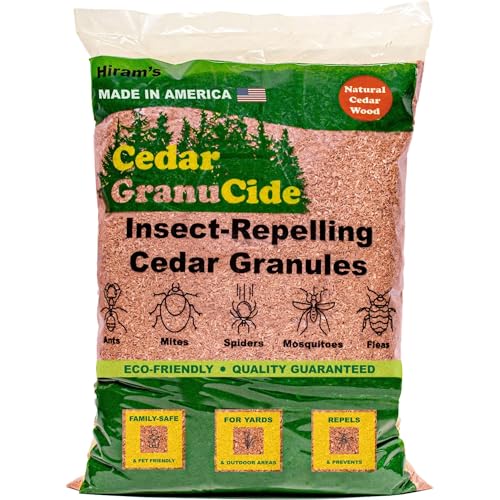
GranuCide Cedar Granules 8 lb Bag

Sow Right Seeds Pest Repellent 5-Pack

Survival Garden Seeds French Marigold Sparky Mix

Geomust Diatomaceous Earth with Peppermint Oil 1 lb

Angryant Marigold Sparky Mix Seeds (999+ seeds)
The Details Behind The Selections
Start with the one product in this lineup that skips the planting calendar. Earth’s Ally arrives as a ready-to-spray botanical oil formula, so you don’t wait a season for roots to develop. The blend targets soft-bodied insects (aphids, mites, whiteflies) and addresses common fungal issues on contact.
It’s a sensible backup when marigold seeds haven’t germinated yet or pest pressure spikes overnight. For most indoor houseplant collections or a small balcony garden, a 32 oz bottle covers several rounds of weekly treatment. Gardeners juggling mixed crops will appreciate that it’s safe for edibles, ornamentals, and seedlings alike.
Reasons It Performs
- No mixing required: attach, spray, and store.
- Broad coverage across indoor and outdoor use cases.
- Tackles insects and disease in one pass, saving weekend labor.
Worth Noting
- Sprays don’t replace long-term soil work done by living marigolds.
- Reapplication every 7 to 10 days is the realistic rhythm.
Feature Snapshot
Right Fit For
Homeowners fighting active aphid outbreaks on a mixed planting of ornamentals and edibles.
Swap It Out When
Pick Park Seed Golden Guardian Marigold Seeds instead, if root-knot nematodes in vegetable soil are the bigger worry.
Of the eight picks here, Golden Guardian is the one with a reputation for fighting what marigolds fight best: root-knot nematodes (microscopic soil worms that swell tomato roots and slash yields). Unlike the bulk Sparky and French options coming later, this cultivar focuses on the underground problem while still producing golden-orange blooms above.
Compared with the Earth’s Ally spray from the first pick, this works slowly but compounds over seasons. Plant a thick stand, till it in at season’s end, and you build nematode-suppressing biomass. For backyard tomato growers tired of stunted vines, the 600-seed pack is sized for serious coverage.
Everyday Perks
- Specifically bred for soil pest suppression.
- 600 seeds cover a 4×8 bed at dense spacing.
- Adds pollinator-friendly color while it works.
Trade Offs
- Needs a full season to meaningfully reduce nematode populations.
- Not a quick rescue for an active aphid swarm.
Feature Snapshot
Made For
Vegetable gardeners whose tomatoes and peppers keep wilting from root damage despite decent watering.
A Better Fit Elsewhere
Grab the Survival Garden Seeds French Marigold Sparky Mix instead, if nematodes aren’t an issue and tight border color matters more.
The seed count alone tells the story: more than 9,250 non-GMO heirloom seeds in a single 1 oz pack. Where Golden Guardian specializes, Organo Republic goes wide, giving you enough seed to broadcast across a large border or reseed bare patches every season.
The resealable waterproof bag matters more than it sounds, because leftover seed stays viable across multiple seasons. Where the previous pick focuses on a single nematode function, this heirloom Tagetes erecta gives general pest confusion plus cut flowers for the kitchen table.
Noteworthy Benefits
- High seed count lowers cost-per-plant dramatically.
- Heirloom variety saved across seasons.
- Doubles as pollinator support and mild pest deterrent.
Honest Caveats
- Storage humidity affects germination rates over time.
- General-purpose marigold, not bred for nematode targeting.
Whose Shelf It Belongs On
Rural gardeners fencing in several acres who want color and pest confusion across long fence lines.
Reach For A Different Pick When
Choose Park Seed Golden Guardian Marigold Seeds instead, if a specific nematode problem, not scale, drives the decision.
Cedar granules break the all-marigold rhythm of this list, and that’s the point. Where the first three picks work through scent, color, or soil biology, GranuCide layers in a mulch-like product with an aromatic oil profile that pests (mosquitoes, ants, spiders, aphids) tend to avoid.
Spread it along bed borders, pathway edges, or under shrubs, and the granules slowly release that cedar smell while suppressing weeds. The 8 lb bag covers meaningful ground; reapply after heavy rain for steady protection.
Strengths Worth Knowing
- Two jobs in one: repels pests and mulches the bed.
- Pet- and family-safe untreated cedar composition.
- Pleasant outdoor scent without chemical aerosols.
Things To Weigh
- Rainfall shortens effectiveness; touch-ups expected.
- Doesn’t replace targeted seed-based nematode work.
Quick Facts
Built With In Mind
Backyard gardeners who entertain outdoors and want a cleaner sitting area without aerosol sprays.
Look Elsewhere When
Pick the Geomust Diatomaceous Earth with Peppermint Oil for indoor floor-level crawling insects, since cedar chips drift awkwardly inside.
The Sow Right collection expands the marigold idea into a layered strategy. Five packets bring Lavender, Catnip, Crackerjack Marigold, Peppermint, and Lemon Grass together, each with its own pest-confusion scent profile. The included instructions walk beginners through spacing and timing.
For someone starting a fresh herb bed and a flower border at the same time, this kit simplifies sourcing. Peppermint and catnip thrive in partial shade where marigolds might sulk, so the kit covers more microclimates than a single-species pack could.
Why It Works Well
- Multi-species scent confusion against diverse pests.
- Beginner-friendly planting guide included.
- Mixes ornamentals with functional culinary herbs.
Points To Keep In Mind
- Catnip and mint spread aggressively without containment.
- Not focused on nematode suppression specifically.
Best Suited To
New gardeners building a kitchen-and-flower garden in one bed who want fewer decisions and more variety.
Not Your Match When
Choose Organo Republic Marigold Seeds 1 oz instead, if bulk seeding and nematode defense matter more than species variety.
French marigolds (Tagetes patula) stay compact where the African types in earlier picks tower. The Sparky Mix delivers red, orange, and yellow bicolor blooms in a dwarf package that fits cleanly along a 6-inch bed edge or in a patio container.
For tight urban gardens where tall marigolds would shade out vegetables, this dwarf mix earns its place. The shorter stature also means less lodging in summer storms, which taller heirlooms sometimes suffer from.
Useful Strengths
- Dwarf size suits containers and tight borders.
- Bold bicolor blooms add visual contrast.
- Stronger scent profile per square foot than taller types.
Soft Spots
- Smaller root system means less nematode suppression than Golden Guardian.
- Smaller seed pack than bulk heirloom options.
Feature Rundown
Who Should Grab It
Apartment dwellers with raised beds or window boxes who want pest confusion plus summer color in a small footprint.
Consider Something Else When
Pick Park Seed Golden Guardian Marigold Seeds for in-ground vegetable rows where nematodes are the primary concern.
Diatomaceous earth (a fine powder made from fossilized algae) tears the exoskeletons of crawling insects on contact. Geomust adds peppermint oil to layer scent confusion on top of the physical action. The result handles ants, roaches, fleas, bed bugs, and silverfish.
It belongs in the gardener’s shed as a complement, not a competitor, to marigolds. Where marigolds confuse flying pests with scent, DE handles the crawl-and-hide species that marigold roots can’t reach. The 1 lb pouch is sized for spot treatment around greenhouse benches and patio edges.
Practical Advantages
- Targets pests marigold scent can’t reach.
- Food-grade formula safe around edible gardens.
- Dual-action: physical damage plus peppermint scent.
Things To Consider
- Loses effectiveness when wet; reapply after rain or watering.
- Drift can irritate lungs during application; use a mask.
Who It Suits Best
Greenhouse growers and shed owners dealing with ant trails and roach hiding spots near seed-starting trays.
Skip It When
Choose the GranuCide Cedar Granules for outdoor bed borders, since DE gets messy on bare soil and cedar chips stay put.
The Angryant Sparky Mix closes the list with a straightforward open-pollinated wildflower option. At 999+ seeds per pack, it sits between the bulk Organo Republic and the smaller Survival Garden packet, giving mid-sized plots enough material without excess.
It’s positioned as a companion planting pick: drop seeds between cabbage rows, tuck them near tomato stakes, or line a kitchen garden’s edge. The scent mildly repels cabbage whites and bean beetles, and the gold-to-orange blooms signal harvest season as reliably as any calendar.
A Few Strong Suits
- Open-pollinated seeds save across seasons.
- Mid-range seed count fits typical backyard plots.
- Non-GMO and USA-grown sourcing.
Some Limits To Know
- Same general-purpose pest profile as other Sparky mixes.
- Germination rates depend on warm soil and steady moisture.
Perfect Match For
First-time seed starters who want a forgiving, classic marigold experience without nematode-specific breeding.
Another Choice May Suit
Pick Survival Garden Seeds French Marigold Sparky Mix if a smaller plot calls for a dwarf variety with the same color palette.
Matching Marigolds to the Pests in Your Garden
Choosing between eight options gets easier once you define the pest problem. Flying insects respond to scent confusion from living marigolds and herb mixes, while soil-dwelling nematodes need a targeted cultivar like Golden Guardian worked into the rotation. Crawling insects, which marigolds barely touch, call for diatomaceous earth or cedar granules layered alongside the flowers.
Seed volume matters too. A single raised bed might use 50 to 100 seeds; a long fence line or large border can chew through thousands. The bulk packs make sense for acreage, while small packets suit beginners testing what germinates in their soil. Climate matters as well: Tagetes erecta (African types) prefer heat, while Tagetes patula (French types) tolerate cooler springs and shorter seasons.
Timing the planting window around your region’s last frost date keeps seedlings from rotting. Direct sowing after the soil warms gives the strongest root systems, since marigolds dislike transplant shock more than most annuals. For most home gardens, succession planting every 3 to 4 weeks extends the protective bloom period deep into fall.
Key Considerations Across These Picks
Pitfalls Shoppers Hit
Assuming all marigolds fight nematodes leads to disappointment. Only a few cultivars, like Golden Guardian, target root-knot nematodes; general-purpose Sparky mixes confuse flying pests but do little for soil biology. Buyers also often plant too sparsely; marigolds work as a dense border, not scattered singles.
Where The Extra Money Goes
Higher-tier seed packs include nematode-targeted breeding, larger counts, or specialty mixes with documented germination rates. For a small patio, a budget pack works fine. For a vegetable plot you’ve fought nematodes in for years, the upgrade to a targeted cultivar or bulk volume pays back in fewer crop losses and richer bloom coverage.
Frequently Asked Questions
Do marigolds really repel pests, or is it a garden myth?
Marigolds confuse many flying insects with their scent and suppress specific nematodes when grown as a dense cover crop. They won’t eliminate pests, but they reduce pressure meaningfully in mixed beds.
Which marigold variety is best for nematode control?
Tagetes patula ‘Golden Guardian’ is bred specifically for root-knot nematode suppression and outperforms generic varieties in side-by-side vegetable trials.
How far apart should marigolds be planted for pest control?
Space plants 6 to 10 inches apart for a continuous border that pests cannot bypass, since gaps let insects slip through to the vegetables behind.
Can marigolds and sprays be used together?
Yes, layering a botanical oil spray like Earth’s Ally during an active infestation while marigolds mature gives both immediate knockdown and long-term prevention.
Do marigolds come back every year?
Most marigolds are annuals that finish after frost, though open-pollinated seeds often self-sow and return the following spring in mild climates.
Closing Remarks
Pick the cultivar that matches your pest pressure, plant it densely after the soil warms, and give the roots time to do their underground work. The right marigold, plus a touch of cedar or diatomaceous earth, gives you a quieter, healthier garden without resorting to synthetic pesticides.
