

Composting turns kitchen scraps and yard clippings into something your soil actually craves, yet the wrong bin turns that promise into a chore. You end up with a plastic barrel that cracks after one winter, or a flimsy mesh pile that sprawls across the lawn. The picks below focus on steel-framed and metal-bodied tumblers and bins that handle weather, weight, and weekly rotation without drama. Whether you’re working with a small patio or a wide backyard, there’s something here that fits the way you actually garden.
An Overview Of The Picks
Homonova 172 Gallon Metal Wire Mesh Compost Bin

Hourleey 43 Gallon Dual Chamber Tumbling Composter

Trellume 285 Gallon Metal Mesh Compost Bin
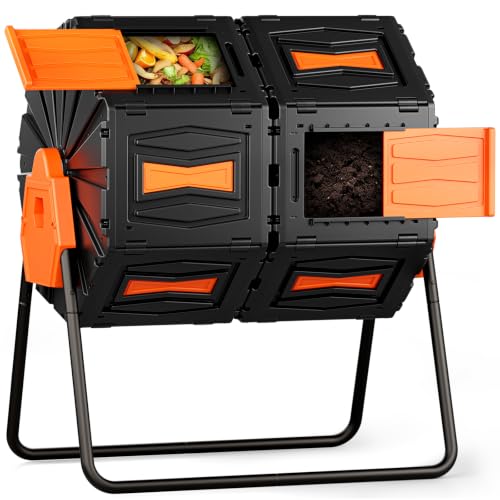
Marcytop 45 Gallon Dual Chamber Tumbler (Orange Door)
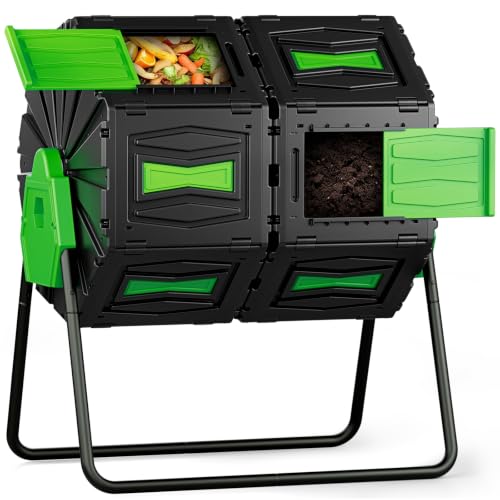
Marcytop 45 Gallon Dual Chamber Tumbler (Green Door)

VEVOR 43-Gal Dual Chamber Composter with Steel Frame

RSI Maze Two Stage Compost Tumbler
A Closer Look At Each Pick
The Homonova 172-gallon bin skips the tumbling drum entirely, and that’s the whole point. You get an open-top wire-mesh structure that holds roughly twelve wheelbarrow loads of leaves, clippings, and kitchen scraps without forcing you to crank a heavy drum every few days.
Backyard gardeners with seasonal leaf drops and ongoing yard work tend to appreciate the passive approach. Toss material in, let air move through the mesh walls, and turn the pile with a fork every couple of weeks. The 39.7-inch square footprint fits neatly beside a shed or along a back fence line.
Where It Helps
- Powder-coated steel wire mesh resists rust through multi-season outdoor exposure, which means less repainting for most homeowners.
- Open-top loading makes it easy to dump armfuls of leaves without wrestling a small door or chute.
- The 172-gallon volume swallows a full fall cleanup in fewer loads, reducing the chore of constant dumping.
- Mesh sides promote airflow that speeds decomposition compared to a sealed plastic barrel.
Trade Offs To Consider
- This is a static bin, not a tumbler, so you’ll be turning the pile by hand with a fork or shovel.
- Without a lid, heavy rain can soak the top layer and slow decomposition during wet seasons.
- The wide footprint needs a level patch of ground, and uneven soil can leave the mesh walls slightly warped over time.
Right Fit For
Homeowners with a sizable yard who generate steady leaf and clipping volume and don’t mind turning the pile by hand a few times a month.
Reach For A Different Pick When
The VEVOR 43-Gal Dual Chamber Composter is a smarter match for cooks who want a tumbling drum and faster batch turnover.
Tumbling composters earn their keep by replacing pitchfork work with a simple crank, and the Hourleey 43-gallon model leans into that ease. The 27.6 × 25.8 × 36-inch frame holds two separate chambers, so a fresh batch can start on one side while the other finishes.
For someone new to composting, that dual-chamber setup removes the single biggest frustration: the wait. Deep fins along the body and aeration holes on the chamber walls pull oxygen through the mix each time the drum rotates, which speeds the breakdown of food scraps and yard trimmings.
The Good Stuff
- Two independent chambers mean you never have to stop adding scraps while a batch cures.
- Aeration holes and internal fins blend oxygen into the mix during each rotation, helping clumps break apart.
- Sliding doors on each chamber keep fruit flies and curious critters away from fresh food waste.
- The 43-gallon capacity suits small patios and side yards where space is limited.
Points To Note
- The drum gets heavier as it fills, so turning works best on flat ground with a firm grip.
- Plastic chamber walls can fade under constant sun exposure over multiple seasons.
Who It Suits Best
New composters working with limited outdoor space who want a low-fuss tumbling design instead of hand-turning a static pile.
Where Another Pick Suits Better
Homeowners producing far more yard waste should consider the Trellume 285-gallon mesh bin, which handles bulk volume without rotation.
The Compost Wizard Dueling Tumbler treats compost as a continuous production line rather than a single waiting pile. Its two 25-gallon chambers, totaling 7 cubic feet, run side by side so one batch always has time to finish while the other takes fresh scraps.
Frequent composters tend to love the wheeled base, which doubles as a liquid reservoir. Up to 5 gallons of “compost tea” collect underneath, ready to pour directly onto plant roots or into watering cans. It’s the kind of feature that rewards gardeners who actually use every drop of what they make.
The Upside
- Two chambers let you keep adding scraps without interrupting a curing batch, which is ideal for year-round kitchen waste.
- The integrated compost tea collector turns runoff into a usable liquid fertilizer for garden beds.
- A combined 7 cubic feet handles small-to-moderate household waste streams without overflowing.
- The wheeled base makes repositioning across a patio or lawn much easier when full.
Where It May Fall Short
- Recycled plastic construction can be susceptible to UV wear over many seasons of direct sun.
- Larger households may fill both chambers quickly during heavy cooking or yard cleanup days.
Made For
Active home gardeners who compost weekly and want both finished compost and liquid fertilizer from the same setup.
A Better Fit Elsewhere
The RSI Maze Two Stage Compost Tumbler offers a metal frame build that holds up better under heavy rotation in harsher weather.
Bigger isn’t always better in the garden, but for properties producing serious leaf volume, the Trellume 285-gallon bin earns its footprint. The 41-inch square base holds enough material to skip frequent turnovers, which keeps weekend gardening from turning into an all-day chore.
The metal mesh construction with rust-proof coating handles damp leaves, grass clippings, and kitchen scraps without complaint. Because the bin sits open at the top, you can dump wheelbarrow loads directly without balancing material over a small door or chute.
Useful Strengths
- At 285 gallons, the bin handles large seasonal cleanup jobs in a single filling session.
- Rust-proof coated metal mesh walls stand up to wet leaves and humid summer air.
- Mesh design encourages airflow from all sides, which speeds decomposition of bulky yard waste.
- Open top simplifies loading bulky branches, stalks, and bagged leaves without awkward positioning.
A Few Limitations
- The 41 × 41 × 39.4-inch frame demands a generous, level patch of outdoor space.
- Without a lid, heavy rain can saturate the top layer and slow decomposition during prolonged wet spells.
- Static design means you’ll be hand-turning the pile with a fork rather than rotating a drum.
Best Suited To
Property owners with mature trees, large lawns, or rural gardens who manage bulk yard waste through multiple seasons.
Look Elsewhere When
Apartment dwellers and small-yard gardeners may find the Marcytop 45-Gallon Dual Chamber Tumbler easier to manage and place.
Marcytop’s orange-door tumbler is built around a simple idea: rotate one side while the other side cooks. Two 22.5-gallon chambers share a single frame, letting you run a fresh batch without disturbing compost that’s almost ready.
Compared to the heavier steel-frame picks, this one keeps weight and price down, which matters for gardeners who don’t want to wrestle a fully loaded drum. The bright door also adds a bit of visual personality to a corner of the yard.
A Few Highlights
- Dual-chamber setup supports continuous composting without waiting for a single bin to empty.
- Lighter construction makes the drum easier to rotate, even for smaller gardeners.
- The orange door helps you spot the right chamber at a glance, even from across the yard.
- 45-gallon total volume fits small patios and side yards where a 172-gallon bin would be overkill.
Soft Spots
- Plastic chamber walls can show wear from years of UV exposure in direct sunlight.
- Frame components are lighter than premium models, so loading very wet or dense material can test the structure.
Who Should Grab It
Shoppers balancing capacity and budget who want a rotating composter for everyday kitchen scraps and modest yard trimmings.
Swap It Out When
The VEVOR 43-Gal Dual Chamber Composter offers a sturdier steel frame for gardeners who plan to load it heavily.
The green-door version of the Marcytop 45-gallon tumbler is the same practical hardware as its orange sibling, just dressed in a more muted color that blends into a leafy backyard. If you’ve ever wanted a composter that doesn’t draw the eye away from flower beds, this one fits the bill.
The shared design story means identical strengths: two 22.5-gallon chambers, a lightweight rotating drum, and an easy assembly process. It works well for households that add scraps on a steady schedule rather than dumping everything in one weekend push.
What Helps Most
- Green door color keeps the composter visually low-profile against garden greenery.
- Dual 22.5-gallon chambers support ongoing batch rotation without long pauses.
- Lightweight drum makes turning manageable for gardeners who prefer less physical effort.
- Compact footprint suits patios, side yards, and narrow garden strips.
Honest Caveats
- Plastic body parts may degrade in climates with intense year-round sun exposure.
- Smaller chamber size means more frequent emptying for active composting households.
Perfect Match For
Design-conscious gardeners who want a functional composter that recedes into the landscape rather than standing out.
Consider Something Else When
The Good Ideas Compost Wizard Dueling Tumbler is a stronger pick for gardeners who want a built-in compost tea collector.
The VEVOR 43-gallon composter earns its place by reinforcing the parts that usually fail first. A steel frame supports the rotating drum, so even when both chambers are loaded with wet kitchen scraps and yard trimmings, the structure holds its shape.
For daily composters, that sturdiness translates into fewer wobbles during rotation and a longer service life across multiple seasons. The twin sliding doors seal off each chamber to discourage pests while still giving easy access when you’re ready to empty finished compost.
Everyday Perks
- Steel frame adds structural integrity that plastic-only tumblers often lack over time.
- Two independent 43-gallon chambers let you alternate batches without interrupting either one.
- Sliding doors keep odors contained and help block flies and small pests from the active chamber.
- BPA-free plastic body construction supports safer handling around edible gardens.
Trade-Offs To Consider
- Steel frame adds noticeable weight to the unit, so moving it once assembled takes planning.
- Compact chamber size means emptying finished compost more often for high-volume households.
Whose Shelf It Belongs On
Active home composters with daily kitchen scraps who want a tumbler that holds up to frequent rotation and outdoor exposure.
Skip It When
The Homonova 172-Gallon Metal Wire Mesh Compost Bin handles far larger yard waste loads without the tumbling mechanism.
The RSI Maze Two Stage Compost Tumbler feels like the engineered choice of the bunch. A zinc-coated metal frame resists rust, while a high-impact UV-protected plastic body handles the rotating drum. Together, they form a 8.69-cubic-foot composter that feels solid in the hand even when fully loaded.
The standout feature is the ratchet lock and geared rotating handle, which makes turning easier than a free-spinning drum. You get real mechanical advantage on each rotation, so the weekly chore stays quick.
A Favorable Mix
- Zinc-coated metal frame protects against rust and corrosion across wet and humid seasons.
- UV-protected plastic body resists fading and brittleness from prolonged sun exposure.
- Ratchet-lock mechanism with geared handle reduces the effort needed to turn a full drum.
- Two-stage design lets you run one chamber while the other cures, keeping compost production steady.
Possible Compromises
- 30 × 41.3 × 44.5-inch footprint needs a clear, level area for safe drum rotation.
- Geared handle adds moving parts that can require occasional inspection for smooth operation.
Built With In Mind
Detail-oriented gardeners who want a rust-resistant, mechanically efficient tumbler for serious year-round composting.
Not Your Match When
Casual composters with limited outdoor space may prefer the simpler Marcytop 45-Gallon Dual Chamber Tumbler for everyday use.
What To Weigh Before Choosing A Metal Compost Tumbler
Capacity And Yard Size
Capacity drives the whole experience. A 172-gallon or 285-gallon mesh bin handles seasonal leaf drops without forcing weekly emptying, but it also demands real estate and a level surface. Tumbling composters in the 43 to 50-gallon range fit closer to the house, which is useful for daily kitchen scrap runs. Match the bin size to the waste stream you actually produce, not the stream you wish you had.
Tumbling Versus Static Bins
Tumbling drums replace pitchfork work with a few rotations per week, which speeds decomposition and keeps the chore short. Static bins rely on passive airflow through mesh walls, which works well for large piles but means hand-turning every couple of weeks. Homeowners with back strength concerns tend to favor tumblers; gardeners with bulk yard waste often prefer static bins.
Material And Weather Resistance
Powder-coated steel, zinc-coated metal frames, and UV-protected plastics all extend outdoor life, but each behaves differently. Mesh sides promote airflow, which speeds decomposition in wetter climates. Solid plastic drums keep rain out, which helps in regions with heavy seasonal downpours. Climate and placement should guide material choice as much as capacity.
Access And Maintenance
Sliding doors, removable chambers, and aeration holes all change how often you’ll be cleaning, turning, or troubleshooting. Compost tea collectors, like the one on the Good Ideas model, add a useful output but also a small reservoir that needs occasional emptying. Think through how each feature fits your weekly routine.
Pitfalls Shoppers Hit And How To Dodge Them
Common Buying Mistakes
Picking a bin that’s far larger than your waste stream leads to half-filled chambers that compost slowly and smell off. A tumbler that looks manageable online can feel punishing when fully loaded on uneven ground, so check the footprint against your actual outdoor space before committing. Skipping material details matters too: a plastic drum in full sun degrades faster than a UV-protected one, and uncoated mesh will rust within a couple of seasons.
Where The Extra Money Goes
Premium metal-frame tumblers like the RSI Maze justify their cost with rust-resistant coatings, geared handles, and UV-protected bodies that outlast entry-level plastic builds. Larger mesh bins cost more because of raw material and panel count, which translates into longer service life and fewer repairs. The upgrade is worth pursuing for serious gardeners who compost year-round, while casual users often do fine with a budget dual-chamber tumbler.
Key Considerations Across These Picks
Common Buying Slip Ups
Choosing capacity based on aspiration rather than actual yard output leads to underused chambers and slow decomposition. People frequently overlook the assembly footprint, only to discover a tumbler needs more turning clearance than expected. Checking the rotating diameter and required clearance saves a lot of frustration during setup.
Why Top Tier Costs More
Higher-end picks include rust-resistant coatings, UV-protected plastics, geared handles, and integrated liquid collectors. These features extend service life and reduce maintenance, which matters for gardeners who compost through every season. The extra spend pays off when you want a tumbler that lasts a decade rather than a handful of seasons.
Frequently Asked Questions
How Long Does Compost Take In A Tumbler?
A well-managed dual-chamber tumbler typically produces finished compost in 4 to 8 weeks, depending on the mix of greens and browns and how often you rotate. Static bins run longer, often 3 to 6 months, because they depend on passive airflow rather than regular turning.
Can Metal Compost Tumblers Stay Outside Year-Round?
Powder-coated and zinc-coated metal models handle year-round outdoor exposure in most climates. Plastic drum bodies hold up well too, especially with UV protection, though extreme cold can make older plastic brittle. Covering the unit or placing it near a wall during harsh winters extends its service life.
Do Compost Tumblers Smell Bad?
A balanced compost mix with proper airflow produces an earthy smell rather than anything unpleasant. Odors usually point to too much moisture, not enough brown material, or infrequent turning. Adding dry leaves, cardboard, or shredded paper and rotating more often clears up most smell issues.
How Often Should You Turn A Compost Tumbler?
Rotating the drum two to three times per week keeps oxygen moving through the mix and accelerates decomposition. Daily rotation works but rarely speeds things up enough to justify the effort. The schedule matters less than consistency, so pick a rhythm you can actually maintain.
What’s The Difference Between Single And Dual Chamber Tumblers?
Single-chamber tumblers hold one batch at a time, so you stop adding scraps while waiting for compost to finish. Dual-chamber models let you run two independent batches, which keeps kitchen scraps flowing in without interrupting a curing pile. The dual design suits active households much better.
Bottom Line
The right metal compost tumbler depends on how much waste you generate, how often you want to turn it, and how much space you’re working with. Wire-mesh bins handle bulk yard waste for big properties, while dual-chamber tumblers keep daily kitchen scraps moving through a controlled rotation. Match the design to your actual routine, and the chore stays manageable season after season.
