

A windowsill, a shallow tray, and a handful of seed go a surprisingly long way toward a steady supply of tender greens. Microgreens are seedlings harvested young, usually within a week or two of germination, and they pack concentrated flavor and nutrition into a fraction of the space a full garden demands. Picking the right seed makes the difference between a thick, even tray of cress and a soggy, patchy disappointment.
Whether you want a mild salad blend, a spicy kick on top of tacos, or the snap of sunflower sprouts for snacking, the seven picks below cover the most useful flavor profiles and growing styles. Each was evaluated for germination reliability, flavor range, and how forgiving the seeds are for first-timers, so you can match the seed to your climate, your counter, and your cooking.
A Quick View Of The Lineup

Nature Jim’s Sprouts Sunflower Sprouting Seeds 8 oz

Rainbow Heirloom Kale Trio Sprouting & Microgreen Mix 1 LB

Nature Jim’s Sprouts Organic Radish Seeds 16 oz

Survival Garden Seeds Microgreens Variety Pack 5 Heirloom Types

Mountain Valley Seed Co Salad Mix Microgreens 1 LB
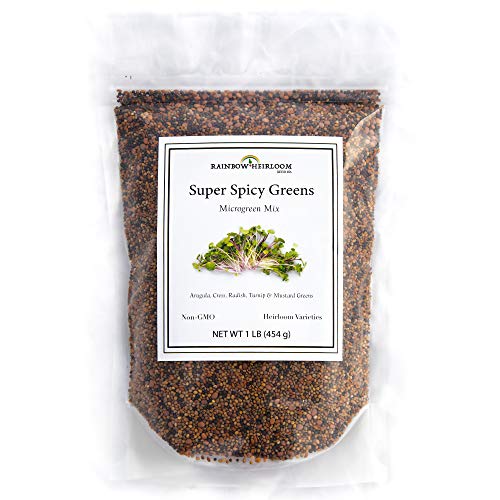
Rainbow Heirloom Super Spicy Greens Microgreen Mix 1 LB

Handy Pantry Daikon Radish Sprouting Seeds 1 lb
A Breakdown Of The Leading Choices
If you want your first tray to feel like a sure thing, sunflower seed is the classic entry point. Nature Jim’s Sprouts ships an 8 oz pouch of non-GMO black oil sunflower seed, the same cultivar commonly used by sprout farms, and the seeds handle a range of soak times without sulking. Most home growers see thick germination within two to three days, and the cotyledons (the seed’s first pair of leaves) lift cleanly off the hulls with a quick rinse.
The flavor lands somewhere between raw almond and fresh butter lettuce, which makes these a reliable snack straight from the tray or a sturdy base under heavier toppings. Unlike the blended mixes later in this list, you’re working with a single seed, so there’s no flavor lottery. For most beginners, that simplicity is the point.
Points In Its Favor
- Single-variety seed simplifies tray prep and harvest timing.
- Nutty, mild flavor works on sandwiches, smoothies, and salads alike.
- 8 oz pouch gives several trays of starter crops before a refill.
- Non-GMO labeling matches common organic-leaning kitchen routines.
- Seeds hull easily, which saves time at cleanup.
Worth Noting
- Sunflower sprouts benefit from a weight on top during germination; without it the hulls cling and stems can grow uneven.
- 8 oz runs out faster than the bulk radish and kale options, so heavier users may prefer a larger format.
Who It Suits Best
New growers who want a forgiving single-flavor crop and anyone stocking a small snacking tray on a kitchen counter will find this an easy starting point.
Where Another Pick Suits Better
Cooks chasing heat should reach for the Rainbow Heirloom Super Spicy Greens Microgreen Mix instead, since plain sunflower runs mild by design.
Kale microgreens carry the same brassica compounds (sulfur-rich plant chemicals linked to cruciferous vegetables) that make their mature counterparts a kitchen staple, but in a tender, almost sweet form. Rainbow Heirloom’s Trio mixes Red Russian, Premier, and Vates Blue Curled Scotch in a 1 LB resealable bag, which gives you three distinct leaf shapes and color tones on the same tray. The blend is heirloom and non-GMO, and the bag holds enough seed for weeks of regular cuttings.
For home growers focused on nutrient-dense brassica greens, the trio lets you compare textures across varieties without buying three separate packets. Expect a mild, grassy flavor with a faint pepper finish, similar to mature baby kale but softer. It plays well in smoothies where tougher leaves would dominate.
Positive Points
- Three kale varieties in one bag offer visual and flavor variety.
- Bulk 1 LB format lowers the per-tray seed cost for regular growers.
- Heirloom, non-GMO labeling suits whole-food kitchens.
- Brassica profile matches smoothie and juice routines focused on cruciferous nutrition.
Trade Offs
- Blue Curled Scotch tends toward curlier leaves that trap hull debris, so rinsing takes a little extra care.
- The bag is large for casual users; you’ll want airtight storage to keep seed fresh across months of slow use.
Made For
Health-focused home growers and smoothie regulars who want a steady brassica supply without buying three separate packets.
Consider Something Else When
If peppery bite matters more than brassica variety, the Nature Jim’s Sprouts Organic Radish Seeds deliver a stronger punch with less rinsing fuss.
Radish microgreens are the loudest crop in the brassica family, and Nature Jim’s 16 oz pouch is built for people who plan to grow them often. The seed is organic, non-GMO, and free of preservatives, and the larger format trims the cost per tray noticeably compared with smaller jars. Germination is fast, often within 24 to 48 hours, and the stems stay crisp through harvest.
Compared to the milder sunflower pick above, this is a different animal entirely. The flavor is unmistakable radish, sharp and a little hot, which makes a small handful enough to dress up an entire bowl of ramen or a plate of tacos. For most home kitchens, that intensity is exactly the appeal.
What It Does Well
- Strong radish flavor cuts through rich or savory dishes without needing a heavy garnish.
- Large 16 oz pouch fits weekly sowers and small classroom or community garden use.
- Quick germination gives a visible reward within a couple of days, helpful for new growers.
Things To Consider
- The peppery bite is too assertive for smoothies or subtle salads, so flavor pairing matters.
- Radish seed size means density at sowing affects airflow; overcrowding can invite mildew in humid rooms.
Best Suited To
Cooks who want a punchy garnish on savory plates and growers sowing multiple trays a week will appreciate the bold profile and large pouch.
Skip It When
For a milder everyday salad base, the Mountain Valley Seed Co Salad Mix Microgreens gives a softer flavor without the radish heat.
Before you commit to a single flavor, a sampler pack is a sensible move. Survival Garden Seeds ships five heirloom varieties, mustard, mung bean, curled cress, clover, and lettuce, in separate packets so you can sow them side by side. Each type hits a different note: mustard brings zip, mung bean adds body, cress offers a peppery lift, clover rounds out the bunch, and lettuce stays mild.
This isn’t a bulk grower’s bag. The packets are sized for trial trays and small harvests, but they let you find your favorites before buying a full pound. Compared with the kale trio above, the lineup here is more about variety than depth on one brassica theme.
The Case For It
- Five separate packets let you compare flavors before committing to a bulk buy.
- Heirloom, non-GMO seed suits seed-saving and replanting routines.
- Most varieties germinate within 7 to 10 days under standard indoor conditions.
Points To Keep In Mind
- Smaller packets run out quickly for anyone sowing more than a few trays a month.
- Cress and mustard both lean peppery, so the sampler skews punchier than the labels suggest.
Perfect Match For
Curious beginners and gift shoppers who want a low-commitment way to compare five distinct flavors in one order.
Look Elsewhere When
Once you know you love kale specifically, the Rainbow Heirloom Kale Trio delivers a deeper brassica focus in a single bulk bag.
When a household eats microgreens daily, small jars become a chore. Mountain Valley Seed Co’s 1 LB bulk blend combines broccoli, kale, kohlrabi, cabbage, and arugula, all classic salad brassicas with similar harvest timing. The mix is non-GMO, and the bulk format keeps the per-tray cost low enough that you can sow generously without rationing.
Harvest usually lands between 7 and 10 days indoors, which lines up with the kale trio’s pace, but the flavor here leans softer and more salad-bowl friendly. Arugula brings a faint nuttiness, while the broccoli and kale add body. It’s a sensible all-purpose option for kitchens that want one bag to reach for.
Key Advantages
- 1 LB bulk pouch supports frequent sowers and small-scale growers.
- Five-variety brassica blend gives balanced flavor without being one-note.
- Non-GMO seed fits mainstream organic-leaning routines.
- Harvest window of roughly 7 to 10 days fits into a steady weekly rotation.
- Blend also works for cut-and-come-again trays when allowed to grow slightly larger.
Room For Improvement
- Because the blend mixes seed sizes, smaller seeds like broccoli can settle to the bottom and sow unevenly if you don’t shake the bag before measuring.
Feature Snapshot
Who Will Love This
Daily salad eaters and bulk buyers who want one bag to cover most of their microgreen rotation will find this the most economical route.
Reach For A Different Pick When
If you want a single flavor instead of a blend, the Nature Jim’s Sprouts Sunflower Sprouting Seeds keep things simple and snackable.
Heat seekers, this one’s for you. Rainbow Heirloom’s Super Spicy blend stacks garden cress, purple triton radish, curled mustard, turnip, and arugula into a 1 LB pouch built for bold finishes. The maker is upfront that this is a microgreens-only mix, not a jar sprouter, so it’s tuned for shallow trays with a growing medium rather than countertop sprouting jars.
The flavor lands closer to a pile of fresh horseradish than a typical salad green, which makes a tiny pinch enough to lift a bowl of pho, a plate of eggs, or a fish taco. Compared with the milder salad mix earlier in this list, this is the “add a forkful, not a handful” option.
What Works In Its Favor
- Five peppery varieties produce a layered heat that grows on you after the first tray.
- 1 LB bulk format suits frequent growers who like a stronger punch.
- Non-GMO heirloom labeling matches common whole-food kitchens.
- Designed specifically for tray growing, which keeps the seed workflow consistent.
Honest Caveats
- The heat is genuinely intense; this is not the blend for mild salad routines or kid-friendly plates.
- Trays need good airflow since the mix leans on dense-sown brassicas that hold moisture.
Right Fit For
Spicy-food fans and adventurous home cooks who want a bold garnish on savory dishes will appreciate the layered heat and bulk size.
A Better Fit Elsewhere
If you prefer brassicas but want a milder salad base, the Mountain Valley Seed Co Salad Mix offers a softer, daily-driver profile.
Daikon radish has earned its place in the sprouting world, and Handy Pantry’s 1 lb pouch is a familiar choice for steady weekly use. Daikon grows fast, usually ready to harvest within about a week, and the stems stay crisp in the fridge for a few days after cutting. The seed is non-GMO, US-grown, and commonly used by home sprouters as a long-term pantry staple.
Compared with the larger Nature Jim’s radish pick above, this one leans into a specific cultivar, daikon, with a slightly different flavor profile, a touch more earthy than peppery. For most kitchens, that nuance is welcome, and the 1 lb size keeps refills far away.
Why It Works Well
- Daikon radish offers a slightly earthier, less aggressive pepper than standard radish microgreens.
- 1 lb pouch covers weeks of regular sowings at a comfortable price.
- Non-GMO, US-grown seed aligns with domestic sourcing preferences.
- Fast 5 to 6 day harvest fits a tight weekly rotation.
Soft Spots
- Daikon’s earthier notes can read as muddy in delicate dishes; lighter pairings work better than subtle ones.
Feature Snapshot
Built With In Mind
Regular home sprouters and small-batch growers who want a long-lasting radish staple with a slightly softer flavor than standard radish microgreens.
Swap It Out When
If you want five flavors instead of one, the Survival Garden Seeds Microgreens Variety Pack offers breadth on the same shelf.
What To Weigh Before Choosing Your Microgreen Seeds
Microgreens start with seed, but the differences between cultivars shape everything from flavor to harvest timing. Brassicas (cabbage, kale, radish, mustard, broccoli) tend to be the most forgiving for first trays, germinate reliably, and carry a mild peppery note. Mild greens like lettuce and sunflower need slightly more attention to moisture and weight but reward you with a softer taste.
For indoor sowing, look for seed labeled for sprouting or microgreens. Garden seed is sometimes treated with fungicides and isn’t intended for close-cycle eating. Non-GMO and organic labels matter most if you’re buying in bulk and want a clean ingredient story across many trays.
If you cook with bold flavors, a spicy mix like the Super Spicy blend or a straight radish adds lift to savory dishes with very little effort. If your priority is daily salads and smoothies, a brassica salad mix or kale trio delivers a softer, more versatile base. For snacking straight from the tray, sunflower is hard to beat.
Key Considerations Across These Picks
Pitfalls Shoppers Hit
One common slip is buying garden seed instead of microgreen or sprouting seed, which can carry coatings meant for outdoor soil, not close-cycle indoor trays. Another is assuming every seed likes the same watering schedule. Larger seeds like sunflower benefit from a weighted cover during germination, while smaller brassica seed prefers a fine mist and uncovered surface.
Where The Extra Money Goes
Premium pouches usually cost more because they’re grown for sprouting under controlled conditions, tested for germination rates, and packaged in resealable bags that protect seed viability. For casual growers, mid-tier seed works fine. For weekly sowers and larger trays, the higher germination consistency of a tested pouch means fewer gaps, which saves money over a season of wasted trays.
Frequently Asked Questions
How long do microgreen seeds last in storage? Most microgreen seeds stay viable for two to four years when kept cool, dark, and dry in a sealed container. Bulk buyers should split larger bags into smaller working portions to limit air exposure.
Do I need soil to grow microgreens? A shallow tray with a fine growing medium, like potting mix or a coconut coir mat, is the simplest setup for most varieties. Hydroponic mats work too, though they suit smaller-seeded brassicas better than large sunflower seed.
Can I use seeds from the grocery store? Whole, untreated seeds marketed for cooking, like bulk sunflower or radish seed, can sprout, though they’re not always tested for sprouting. For predictable results, seed labeled for sprouting or microgreens is the safer route.
How often should I water microgreens? A gentle mist once or twice a day is plenty for most trays. The goal is consistent moisture without standing water, since soggy conditions invite mold.
When is the right time to harvest microgreens? Most varieties are ready when the cotyledons (the first pair of seed leaves) are fully open and the first true leaves are just starting to show, usually seven to fourteen days after sowing depending on the seed.
Closing Remarks
The best microgreen seed is the one you’ll actually grow on a regular schedule. Start with a forgiving brassica blend or a single flavor you love, then expand into spicy mixes and bulk bags as your routine takes shape. A reliable seed, a shallow tray, and a little daily attention go further than any specialized gear.
