

Picking the right growing medium makes or breaks a microgreens harvest. Most beginners grab whatever potting mix sits on the shelf, only to watch seedlings dampen off or struggle through weak root systems. The right soil balances drainage, moisture retention, and sterility, three things that matter more than brand hype. This list breaks down eight options worth your attention, from compressed coir bricks to peat-based pro mixes, so you can match the medium to your tray setup and growing style.
The Leading Options At A Glance

Miracle-Gro Organic Indoor Potting Mix, 16 qt

ZeeDix 55 Pack Coco Coir Seed Starter Pellets

Premier Horticulture Pro Mix HP with Mycorrhizae
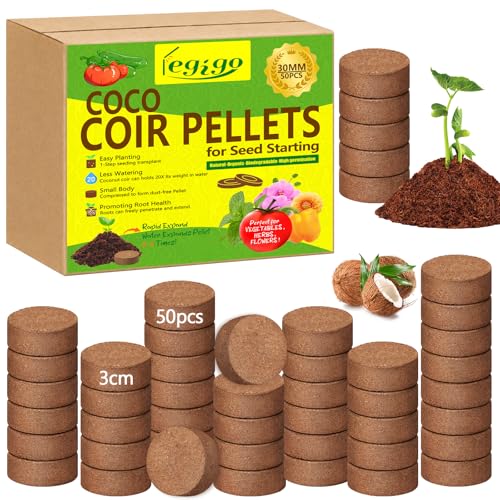
Legigo 50 Pcs Coco Coir Seed Starter Pellets

Halatool Coco Coir Brick for Plants
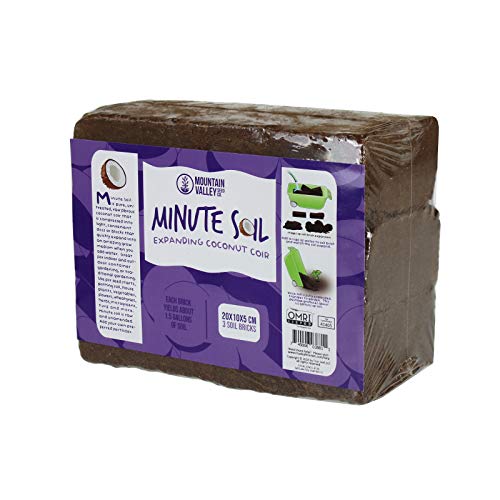
Minute Soil Compressed Coco Coir Grow Medium

ZESTIGREENS Expanding Coco Coir Soil Discs

Doter Organic Seed Starter Potting Mix 1qt
More Details On Our Top Picks
Miracle-Gro’s organic indoor blend removes the guesswork for anyone starting microgreens for the first time. The mix arrives ready to pour straight from the bag, so you can skip the rinsing and rehydration steps that compressed coir products demand. For growers who want a “just add seeds” workflow, that convenience alone earns a place on the shelf.
What sets it apart from the coir options on this list is the included quick-start nutrition, which gives seeds a gentle push during their first week. The coir blend in coir is not present here; instead, sphagnum peat moss (a classic water-retaining base ingredient harvested from bogs) and coconut coir (coconut-husk fiber that holds moisture while letting air reach roots) work together to keep moisture steady without waterlogging. For most kitchen-counter setups, that balance keeps tender seedlings happy.
Features That Help
- Ready-to-use format skips the soaking step required by compressed bricks
- Organic-certified blend works for edible microgreen harvests
- Coarse texture supports healthy air circulation around tender roots
- 16-quart volume handles multiple tray refills before running out
Things To Consider
- Heavier than compressed alternatives, so storage on a high shelf can be awkward
- Contains starter fertilizer, which may not suit growers who prefer a completely inert medium
Quick Facts
Who It Suits Best
First-time growers and busy home cooks who want a grab-and-go medium without the rehydration steps.
Where Another Pick Suits Better
For growers who want a fully inert, fertilizer-free medium, the Minute Soil compressed coco coir trio offers more control over nutrient timing.
ZeeDix packs 55 individual starter pellets into a single order, and that number covers weeks of classroom or hobby-tray work without reordering. Each 30mm disc is a compressed puck that swells when watered, turning into a small mound of coconut coir ready for a few seeds. The format removes the mess of scooping loose soil into tiny starter cells.
If the Miracle-Gro option earlier in this list feels like overkill for small starter pots, these pellets slim things down. They suit growers who want predictable portions and clean handling, especially when running group sessions or gifting starter kits.
Strengths Worth Knowing
- Pre-portioned discs remove the guesswork of filling small cells
- Low EC (electrical conductivity, a measure of salt content) and balanced pH suit most vegetable microgreens
- Compact unexpanded discs save serious shelf space before use
Worth Noting
- Pellets are small, so dense seedings like broccoli or radish may need two pellets per cell
- Coir alone dries faster than peat blends, demanding more frequent misting
Made For
Teachers and hobby growers running structured starter trays who want clean, repeatable portions.
Not Your Match When
Those filling full 10×20 trays for market-scale harvests will find the Legigo 50-pack pellets offer a better per-disc value.
Premier’s Pro Mix HP targets growers chasing high porosity, meaning the mix holds lots of air pockets around roots even when wet. That’s a genuine edge for water-sensitive crops like basil or cilantro microgreens, where soggy trays quickly turn into mold problems. The added mycorrhizae (beneficial fungi that form partnerships with root systems) gives long-cycle crops a boost, though microgreens harvest so fast that the fungi barely get established.
Compared to the coir pellets already covered, this is a professional-grade loose medium in a 2.8 cubic-foot bale. For someone running a small farm or rotating dozens of trays weekly, the volume and drainage profile earn the shelf space.
The Case For It
- High-porosity structure prevents root rot in sensitive crops
- Peat-based with perlite (volcanic glass that lightens soil and improves drainage) for fast drainage
- Large 2.8 cubic foot volume suits commercial tray rotations
Trade Offs
- Bulk bale needs dry storage space, which is a hurdle in small apartments
- Higher price point than coir alternatives on this list
- Mycorrhizae benefit is minimal for microgreens harvested at 7 to 14 days
Spec Overview
Best Suited To
Small commercial growers and serious hobbyists running high-volume tray rotations with moisture-sensitive varieties.
Skip It When
Apartment growers with limited storage will find the Halatool single-brick format far more practical for their scale.
Legigo’s 50-pack sits in a similar lane to the ZeeDix pellets, but the slightly lower count usually comes with a friendlier price tag. Each disc measures 30mm in diameter and half an inch tall, expanding into a small mound once watered. For growers running bulk seed-starting projects on a budget, that math works out well.
The honest read is that you trade a small amount of volume per pellet for meaningful savings over the course of a season. In side-by-side use scenarios, the performance gap between this and the ZeeDix option is negligible.
Noteworthy Benefits
- Budget-friendly per-pellet cost for large plantings
- Compressed format stores flat until needed
- Clean, low-dust handling during setup
Small Caveats
- Pellets expand to a smaller mound than some competing discs
- Some batches arrive with slight moisture variation between discs
Right Fit For
Budget-conscious growers planting high volumes of starter cells each month.
A Better Fit Elsewhere
Anyone wanting a tighter pellet count and slightly more consistent sizing should consider the ZeeDix 55-pack instead.
Halatool ships a single compressed brick that breaks down into a generous mound of clean coir fiber when soaked. The format suits apartment growers who don’t want a 16-quart bag taking up closet space, since the brick stores flat against a wall until needed. You add water, wait, and fluff the result with a fork.
Unlike the pre-portioned pellets earlier in this list, this brick gives you loose coir to spread however your tray demands. For growers filling 10×20 trays on a kitchen counter, that flexibility tends to matter more than portion control.
Why It Works Well
- Compact brick format fits in tight storage spaces
- Clean coir without dirt or foreign debris
- Reusable fiber that can be broken down for repeat use
- Rehydrates into loose medium for flexible tray filling
Honest Caveats
- Requires soaking and fluffing before use, adding setup time
- Single brick may run out fast for high-volume growers
Who Should Grab It
Apartment growers and minimalists who want one brick on hand rather than a bulky bag of pre-mixed soil.
Look Elsewhere When
You run multiple trays per week and want continuous supply without reordering each month; the Minute Soil 3-brick pack covers that gap better.
Minute Soil’s three-brick pack expands to roughly 4.5 gallons of finished coir, enough to refill a 10×20 tray several times over. Each brick soaks up about 10 cups of water and swells to around 1.5 gallons of usable medium. For year-round indoor gardens, that ratio turns a small order into weeks of growing capacity.
You may find this format hits a sweet spot between the single Halatool brick and the larger commercial bale from Premier. The coir is untreated and raw, giving you full control over any nutrient additions.
Notable Upsides
- Three-brick pack provides weeks of supply for regular growers
- Expands up to 15 times its compressed size when hydrated
- Pure untreated coir suits organic and peat-free gardening
- Lightweight bricks ship and store without bulk-bag hassle
Points To Note
- Coir alone has low nutrient content, so supplemental feeding helps long-cycle crops
- Requires soaking before each use, unlike ready-to-pour bagged mixes
Feature Snapshot
Perfect Match For
Year-round indoor gardeners who rotate trays weekly and want a peat-free medium with predictable expansion.
Swap It Out When
You want zero setup time; the Miracle-Gro organic indoor blend comes ready to scoop straight from the bag.
ZESTIGREENS ships 16 wafers that expand to fit 3- and 4-inch pots with about 5 ounces of water each. The format sits between the small ZeeDix pellets and the loose Halatool brick, giving you a mid-sized disc that lands in standard herb pot dimensions. For windowsill herb growers, that sizing match removes transplanting steps.
Compared to loose-fill media on this list, these wafers keep the workspace clean. You drop one in a pot, water it, and the fiber rises to fill the container.
Real Benefits
- Wafer size matches standard 3 and 4-inch pots exactly
- Clean expansion without loose soil spilling during setup
- Coir fiber promotes oxygen flow to reduce root rot risk
Less Ideal Details
- Limited to small pot sizes, so larger trays need a different medium
- Lower pack count than competing pellet formats
Whose Shelf It Belongs On
Windowsill herb growers who transplant microgreens into small decorative pots for kitchen display.
Reach For A Different Pick When
You run 10×20 trays rather than small pots; the Minute Soil 3-brick pack handles that footprint better.
Doter puts a quart of pre-mixed starter medium into a small bag, sized for one or two countertop trays. The blend combines organic matter, peat moss, perlite, and vermiculite (a mineral that holds water and nutrients while loosening soil structure) into a balanced texture for germination. For someone trying microgreens before committing to larger volumes, that 1-quart size is approachable.
Unlike the larger Miracle-Gro bag earlier, this format is small enough to finish before the medium loses freshness. You may find the small-batch size suits apartment growers who only run a tray or two at a time.
Bright Spots
- Ready-to-use blend removes setup steps for first plantings
- Balanced perlite and vermiculite mix supports germination
- Small 1-quart size fits limited storage spaces
- Organic ingredient list suits edible microgreen harvests
Factors To Consider
- 1-quart volume runs out fast for growers scaling beyond a single tray
- Higher per-quart cost than bulk alternatives on this list
The Numbers That Matter
Built With In Mind
First-time growers and countertop gardeners who want a small, approachable bag to test the hobby.
Another Choice May Suit
Growers scaling up to multiple trays will find better long-term value in the Miracle-Gro Organic Indoor 16-quart bag.
Choosing The Right Microgreen Growing Medium
Microgreens demand a medium that holds moisture without suffocating roots. Drainage matters more than nutrient density, since most varieties finish their cycle within 7 to 21 days before any fertilizer pays off. A loose, sterile, peat-free or peat-light blend gives you the cleanest starting point.
For tray growing, depth matters. Standard 10×20 trays call for a medium that fills at least one inch of depth, giving roots room to anchor before harvest. Compressed coir bricks and pellets both serve this need, though loose-fill mixes like the Miracle-Gro bag skip the rehydration step. Depending on your watering routine, you may prefer the forgiveness of a peat-based blend over fast-draining coir.
Match the medium format to your scale. Single bricks work for occasional planting, multi-brick packs serve weekly rotations, and bulk bales suit small farms. Sterility is non-negotiable; garden soil introduces weed seeds and pathogens that ruin microgreen trays fast.
Key Considerations Across These Picks
Mistakes Worth Dodging
Skipping pasteurization or sterilization invites problems, since most microgreen mixes arrive clean but can colonize with mold if reused. Gardeners sometimes assume any “organic” label means safe for edible harvests; check the actual ingredient list for peat, perlite, and coir rather than undisclosed compost. Another common slip is overpacking trays with dense soil, which starves roots of oxygen and triggers damping off (a fungal disease that collapses seedlings at the soil line).
Where The Extra Money Goes
Premium blends like the Premier Pro Mix HP include perlite and biological inoculants that improve drainage and root development over time. The higher upfront cost reflects bulk volume and professional-grade ingredient sourcing, which pays off when you’re rotating trays weekly. For growers running a few trays a month, a mid-tier coir option delivers similar results at a fraction of the cost.
Frequently Asked Questions
What Is The Best Soil For Growing Microgreens?
A sterile, loose medium with good drainage and moderate moisture retention works best. Coconut coir, peat-based starter mixes, and blended potting soils all perform well for most varieties.
Can I Use Regular Potting Soil For Microgreens?
Standard potting soil works for some growers, but it often contains larger particles and slower drainage than ideal. Starter mixes or compressed coir products give more predictable germination rates.
How Often Should I Water Microgreens?
Most trays benefit from misting once or twice daily, depending on humidity and airflow. The medium should stay consistently moist but never waterlogged, since soggy conditions invite mold.
Do Microgreens Need Fertilizer?
Most microgreens finish their growth cycle within 7 to 21 days using nutrients stored in the seed itself. Adding fertilizer is optional and rarely necessary for short-cycle varieties.
How Deep Should The Soil Be For Microgreens?
Aim for at least one inch of medium depth in standard 10×20 trays. Shallower layers dry out too quickly and limit root anchoring for varieties harvested at the cotyledon stage (the first set of seed leaves).
The Takeaway
The right microgreen soil depends on your tray setup, watering habit, and how often you plant. Coco coir formats offer clean, peat-free performance with minimal storage footprint, while peat-based blends like Miracle-Gro skip setup time for grab-and-go convenience. Pick the format that matches your routine, and your greens will reward you with quick, repeatable harvests.
