

Spider mites move in fast, especially during warm stretches when houseplants spend long afternoons on the patio or greenhouse benches crowd together. You notice the dusty stippling first, then the fine webbing, then the panic. A targeted miticide stops that spiral before leaves yellow and drop, and the right formula depends on whether you grow edibles, ornamentals, or a few indoor pots on a windowsill.
The Essentials At A Glance

Prime Source Lucid Miticide/Insecticide 8oz

Grower’s Ally Crop Defender 3 Concentrate 24 Oz

Earth’s Ally 3-in-1 Plant Spray 32 Oz

Garden Safe Fungicide3 with Neem Oil 1 Gal

Bonide Systemic Insect Control 16 oz Concentrate

BioAdvanced 3-in-1 Insect, Disease & Plant Mite Control 24 fl oz
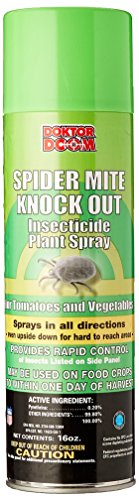
Doktor Doom Spider Mite Knockout 16-Ounce

Syngenta Avid 0.15EC Miticide/Insecticide 8 oz
Why These Options Stand Out
Greenhouse benches and shadehouse rows deal with spider mite pressure that indoor houseplants rarely see, and Prime Source Lucid answers that workload with an abamectin-based formula designed for ornamentals grown under cover.
You mix it with water and spray, and it targets two-spotted spider mites along with bud mites, white mites, and several other pests common to nursery stock. For nursery professionals managing resistance across rotations, it slots into a rotation plan alongside horticultural oils.
What Stands Out
- Targets two-spotted spider mites, bud mites, and white mites in one pass
- Compatible with horticultural spray oils for tank-mix flexibility
- Formulated for greenhouse, shadehouse, and field-grown ornamentals
- Abamectin active ingredient useful in resistance management rotations
Things To Consider
- Concentrate requires accurate measuring and a dedicated sprayer
- Professional-grade handling expectations apply
Who It Suits Best
Nursery and greenhouse operators dealing with persistent mite pressure across ornamental crops.
Reach For A Different Pick When
Casual houseplant owners should look at Earth’s Ally 3-in-1 Plant Spray 32 Oz for a simpler ready-to-use option.
Weekly spray routines are easier to keep when a single product handles three jobs, and Crop Defender 3 leans into that with a botanical-oil blend built to address mites, soft-bodied insects, and powdery mildew on contact.
The built-in surfactant (a wetting agent that helps spray spread across leaf surfaces) cuts out a step most concentrate routines require, so mixing day stays tidy. It suits growers running tight weekly rotations across vegetables, herbs, and ornamentals under lights.
Useful Highlights
- Triple-action formula covers mites, soft-bodied insects, and mildew
- Built-in surfactant simplifies tank mixing for routine sprays
- Botanical oil base fits weekly preventative schedules
- Targets spider mites, russet mites, thrips, and aphids together
Worth Noting
- Concentrate still demands correct dilution ratios
- Weekly commitment needed for full preventative benefit
Right Fit For
Growers running structured weekly IPM (integrated pest management) schedules who want one bottle to cover multiple soft-bodied threats.
Look Elsewhere When
You need fast contact kill on a single severe infestation, where Syngenta Avid 0.15EC Miticide/Insecticide 8 oz delivers stronger knockdown.
Houseplant collectors rarely want to measure concentrate, and Earth’s Ally skips that step entirely with a ready-to-use bottle you can spray straight onto leaves.
The botanical essential oil blend targets soft-bodied pests like spider mites while also handling common foliar diseases, so the same bottle handles two worries during a windowsill outbreak. The 32 oz size suits a small indoor collection without dominating shelf space.
Practical Advantages
- Ready-to-use bottle removes mixing guesswork
- Botanical essential oil formula suits indoor air quality
- Handles both pest and disease concerns in one spray
- Works on indoor and outdoor houseplant collections
Points To Note
- Bottle weight matters when carrying between rooms daily
- Botanical oils can leave residue on glossy leaves if over-applied
Best Suited To
Indoor gardeners with a handful of houseplants who want a grab-and-spray bottle without measuring cups or sprayer maintenance.
Consider Something Else When
Vegetable gardeners needing organic edible-crop coverage should turn to Garden Safe Fungicide3 with Neem Oil 1 Gal instead.
Vegetable gardeners juggling spider mites with powdery mildew and black spot need one bottle that covers all three, and Garden Safe Fungicide3 fills that role with a clarified hydrophobic neem oil extract.
The gallon size suits larger plots where frequent reapplication is part of the deal, and the formula earns its place in organic gardening routines. You can use it on roses, houseplants, ornamentals, fruits, and vegetables without changing bottles mid-season.
What Helps Most
- One bottle handles fungicide, insecticide, and miticide duties
- Clarified hydrophobic neem oil extract base
- Suitable for organic gardening on edibles and ornamentals
- Targets spider mites alongside aphids and whiteflies
- One-gallon format covers larger garden plots
Room For Improvement
- Neem oil carries a noticeable scent during application
- Full gallon adds weight during long spray sessions
- Needs reapplication after rain on outdoor crops
Made For
Organic-minded gardeners growing fruits and vegetables who want broad pest and disease coverage from a single neem-based jug.
Swap It Out When
Quick knockdown on ornamentals without the neem scent may suit you better with BioAdvanced 3-in-1 Insect, Disease & Plant Mite Control 24 fl oz.
Systemic action, where the plant absorbs the active ingredient and insects ingest it as they feed, makes Bonide a different kind of tool from contact sprays, especially for outdoor flower beds where mites hide under dense foliage.
One 16 oz concentrate makes 16 gallons of spray, so a single bottle handles multiple applications across roses, shrubs, and ornamental beds. You can pair it with certain fungicides or fertilizers for combined sprays, cutting mid-season labor.
Good Reasons To Consider
- One 16 oz bottle makes 16 gallons of finished spray
- Mixes with certain fungicides and fertilizers for combo applications
- Targets 2-spotted spider mites, thrips, mealybugs, and scale
- Covers over 100 ornamental plant varieties
Honest Caveats
- Labeled for ornamentals only, not vegetables or fruit
- Outdoor residential use only, not indoor houseplants
- Reapply every 7 to 10 days during active infestations
Who Should Grab It
Outdoor rose gardeners and shrub keepers managing wide beds where systemic uptake beats repeated contact spraying.
Not Your Match When
Edible garden plots fall outside Bonide’s label, so Garden Safe Fungicide3 with Neem Oil 1 Gal covers that gap.
Time-strapped gardeners want one trip to the shed, and BioAdvanced’s ready-to-use 3-in-1 bottle trims that walk down to a single grab.
It handles insects, listed diseases, and plant mites through one spray pattern, which keeps your routine simple when you’re juggling watering, pruning, and feeding on a Saturday morning. Flowering plants, trees, and shrubs all sit within the label.
Bright Spots
- Ready-to-use bottle cuts mixing from the routine
- Three-in-one coverage across insects, mites, and listed diseases
- Suitable for flowering plants, trees, and shrubs
Practical Considerations
- Smaller 24 fl oz size means more frequent restocking on large properties
Perfect Match For
Shrub and tree owners who want fast knockdown without the measuring step that concentrates require.
A Better Fit Elsewhere
Large vegetable plots benefit more from Garden Safe Fungicide3 with Neem Oil 1 Gal and its gallon-scale coverage.
Small grow tents and indoor gardens benefit from a pyrethrin-based (a naturally derived insecticide extracted from chrysanthemum flowers) contact spray, and Doktor Doom Spider Mite Knockout delivers that in a compact 16 oz bottle.
You spray it directly onto affected foliage, and the high pyrethrin concentration goes to work on contact against aphids, spider mites, whiteflies, and leafhoppers. For growers who want a knock-down tool in the cabinet rather than a weekly preventative, this one earns its shelf space.
Notable Gains
- High pyrethrin concentration for fast contact knockdown
- Targets aphids, spider mites, whiteflies, and leafhoppers
- Suitable for indoor and outdoor application
- Compact 16 oz size fits tight storage in grow tents
Possible Compromises
- Contact action means no residual protection after it dries
- Pyrethrin scent is noticeable during application
Whose Shelf It Belongs On
Tent growers and indoor gardeners who want a rapid-response contact spray rather than a slow preventative routine.
Skip It When
Growers needing both contact kill and longer residual protection should pick Syngenta Avid 0.15EC Miticide/Insecticide 8 oz instead.
Severe mite outbreaks on ornamentals call for a miticide that ornamental growers have relied on for years, and Avid 0.15EC fills that role with a broad-spectrum abamectin formulation.
It controls mites and leafminers while suppressing aphids, thrips, and whiteflies, and the formula works on both foliage and flowers across a wide range of application sites. Where infestations have crossed the threshold and softer botanicals have stalled, this is the heavy hitter.
Practical Pluses
- Broad-spectrum mite and leafminer control in one bottle
- Suppresses aphids, thrips, and whiteflies alongside mites
- Works on both foliage and flowers across many sites
- Abamectin-based for severe infestation knockdown
Details To Watch
- Professional-grade handling and application discipline expected
- Small 8 oz bottle requires careful measuring for larger jobs
- Not a fit for casual houseplant use or edible crops depending on label
Built With In Mind
Ornamental growers and nursery professionals facing severe mite outbreaks where gentler botanicals have already been pushed to their limits.
Where A Sibling Pick Shines
Gentler weekly routines fit Grower’s Ally Crop Defender 3 Concentrate 24 Oz better for home growers wanting preventative care.
What Matters Most Before Choosing Miticides For Spider Mites
Spider mites are tiny arachnids, not insects, which is why miticides are formulated differently from general insecticides. Most products on this list fall into two camps: contact sprays that kill on contact, and systemic formulas that the plant absorbs and insects ingest while feeding. Your crop matters too, because labels separate ornamentals from edibles, and the wrong bottle in the wrong garden creates real problems.
Active ingredients shape the experience. Abamectin (used in Prime Source Lucid and Syngenta Avid) is a fermentation-derived compound widely used in commercial ornamentals. Neem oil (the base in Garden Safe Fungicide3) suits organic gardening routines and works on vegetables, fruits, and houseplants. Pyrethrins (Doktor Doom) offer fast knockdown with no residual, while botanical oil blends (Grower’s Ally, Earth’s Ally) sit at the gentler end of the spectrum.
Concentrate versus ready-to-use changes your weekly workload. Concentrates demand measuring cups, a dedicated sprayer, and consistent dilution ratios. Ready-to-use bottles trade higher cost per ounce for zero setup. For a windowsill collection, RTU wins. For a backyard with twenty rose bushes, concentrate pays back fast.
For most backyard vegetable gardens, one miticide that handles mites plus powdery mildew and aphids covers the season’s worst outbreaks. For serious greenhouse operations, rotating active ingredients prevents resistance and keeps populations from adapting.
Key Considerations Across These Picks
Pitfalls Shoppers Hit
Reaching for an insecticide when you actually need a miticide is a common miss, since spider mites are arachnids and many general insecticides barely touch them. Read the label for “miticide” or check the active ingredient against known mite targets before you buy.
Another trap is grabbing a concentrate without confirming your sprayer is compatible. Oil-based formulas can degrade certain seals and gaskets over time, so a dedicated sprayer for botanicals and another for harsher concentrates protects your gear.
When Paying More Pays Off
Premium miticides like Syngenta Avid and Prime Source Lucid carry active ingredients and formulations refined over years of nursery and greenhouse use. The upgrade is worth it when infestations have crossed the threshold where gentle botanicals stall, or when you’re rotating modes of action across a multi-acre operation to manage resistance. For a single windowsill calathea, the same money goes further with an RTU botanical spray that fits the scale of the problem.
Frequently Asked Questions
How often should I spray miticide on spider mites?
Most contact miticides need reapplication every 5 to 7 days during active infestations, since spider mite eggs often survive the first pass. Systemic formulas like Bonide stretch that window to 7 to 10 days. Always defer to the product label for reapplication intervals.
Can I use miticide on edible plants like tomatoes or herbs?
Only if the label specifically lists those crops. Bonide Systemic Insect Control is labeled for ornamentals only, while Garden Safe Fungicide3 with Neem Oil is approved for organic gardening on fruits and vegetables. Reading the label before spraying edibles protects both you and the harvest.
Do miticides harm beneficial insects like ladybugs?
Broad-spectrum miticides can affect beneficial predators, so timing matters. Spray in the early morning or late evening when pollinators and predatory mites are less active, and choose botanical oil blends when beneficial insect populations are part of your integrated pest management plan.
Why are spider mites so hard to get rid of?
Spider mites reproduce rapidly in warm, dry conditions, and their eggs often survive a single spray. Combining a contact miticide with a follow-up application 5 to 7 days later catches newly hatched mites before they mature and lay the next generation of eggs.
Should I rotate between different miticides?
Rotating active ingredients helps prevent resistance, especially in greenhouse and nursery operations where mites face repeated treatments. Switching between abamectin, neem oil, and pyrethrin-based formulas across a season reduces the chance that surviving mites pass on resistant traits.
Bottom Line
Your best match comes down to scale, crop, and how severe the outbreak already is. Indoor houseplants pair naturally with ready-to-use botanicals like Earth’s Ally 3-in-1. Outdoor ornamentals with severe pressure call for systemic or broad-spectrum options like Bonide or Syngenta Avid. Vegetable gardens looking for organic coverage land squarely with Garden Safe Fungicide3, and weekly preventative routines favor Grower’s Ally Crop Defender 3. Match the bottle to your real workload, and the rest of the season gets easier.
