

Orchids have a reputation for being fussy, and the medium you pot them in matters more than most new growers realize. Standard potting soil suffocates their roots, while the right moss or bark mimics the airy, well-drained conditions they evolved in. The eight options below cover the main ways people shop for orchid media today, from long-fiber sphagnum to bark blends to decorative top dressings.
The Leading Options At A Glance

SuperMoss (26914) Spanish Moss Preserved, Natural, 8oz

SuperMoss (26911) Spanish Moss Dried, Natural, 8 Ounces

SuperMoss (26907) Spanish Moss Preserved, Natural, 4oz Bag
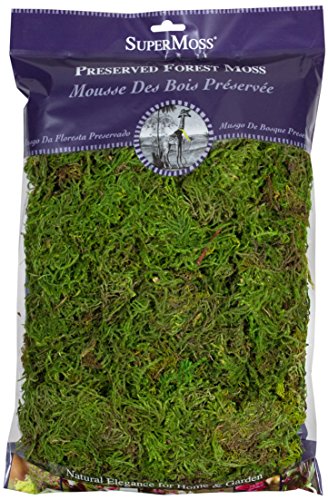
SuperMoss (25322) Forest Moss Preserved, Fresh Green, 8oz

SuperMoss (23114) Orchid Potting Bark, Natural, 4 Quarts
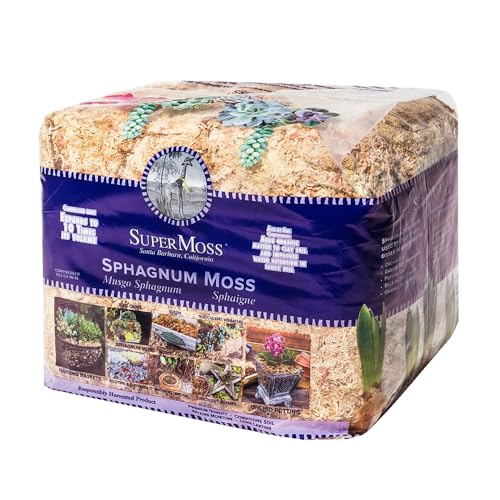
SuperMoss (22325) Orchid Sphagnum Moss Dried, 1 Pound Mini Bale

Riare 1QT Orchid Potting Mix, Pre-Mixed and Ready-to-Use

ZeeDix 6 oz Long Fiber Sphagnum Moss for Orchids
Why These Options Stand Out
This bag holds about 8 ounces of preserved Spanish moss in its natural tan color, sold loose rather than compressed. Compared to the dried Spanish moss later in this list, the strands here are preserved with a glycerol-based process that keeps them soft, flexible, and stringy rather than brittle.
The material works best when you want a decorative flourish on top of a potted orchid or mixed into a center display, not as a true potting medium. Because the strands are preserved rather than live, they won’t break down and sour the roots underneath. Most people rest a layer across the soil surface to hide the bark or mix below, or drape strands over the rim of the pot for a finished look.
Where It Helps
- Long, draping strands create a fuller visual effect than loose dried fiber.
- Preserved material holds its shape and color across many months of indoor display.
- About 200 cubic inches of volume covers several mid-size orchid arrangements.
- Functions as a craft and wreath component when you have leftover material.
Worth Noting
- Preserved moss isn’t a substitute for actual orchid medium; roots still need bark or sphagnum underneath.
- Light shedding during the first few weeks is commonly reported, so handle over a tray.
Best Suited To
Display-minded growers who want a polished top dressing over a separate functional potting medium.
Consider Something Else When
You need a true root medium, in which case the SuperMoss Orchid Potting Bark is the more practical sibling pick.
Where Item 1 stays preserved for show, this bag goes through a washing step to remove dust and small particles before being dried. The cleaner fiber goes a step further toward actual use as a soil cover, basket filler, or bulb-topping for container plantings.
For orchid owners, the practical role here is covering the surface of a potted plant to slow evaporation and give the roots a more humid microclimate. You can also nestle it around bulb plantings or in gift baskets. It’s not the primary growing medium for orchids, but it earns its keep as a finishing layer.
Positive Points
- Pre-washed fiber skips the rinse step you’d otherwise have to do at home.
- Dried strands still drape convincingly without the higher cost of preserved material.
- Doubles as basket or wreath filler for the craft projects that often follow orchid shopping.
Things To Consider
- Dried strands shed more than preserved ones, so expect a little debris on the first lay-down.
- Like the preserved version, this isn’t a stand-alone root medium for orchids.
Feature Snapshot
Perfect Match For
Container gardeners who want a tidy top layer over their orchid bark while keeping the bag versatile for crafts.
A Better Fit Elsewhere
Anyone repotting an orchid into fresh substrate should reach for the SuperMoss Orchid Potting Bark instead.
Same preserved Spanish moss concept as Item 1, but in a smaller 4-ounce package with about 120 cubic inches of volume. For growers who only need to dress up one or two orchids, this size avoids storing a large bag of fiber you won’t use for months.
The strands behave the same way the larger bag does, which means soft preserved texture, natural drape, and limited shedding. The deciding factor here is shelf space and waste, not behavior. People with deep orchid collections won’t outgrow this in a single repotting.
The Practical Payoff
- Right-sized for a single orchid display or a small craft project.
- Keeps the material fresh because you’re not leaving a half-used big bag in storage for a year.
- Color and strand shape match the larger preserved bags for a consistent look across mixed pots.
Small Caveats
- Limited volume makes it impractical for multiple arrangements or large displays.
- Still not a real root medium, so factor in bark or sphagnum underneath.
Who Will Love This
Beginners with one or two orchids who want a small decorative bag without committing to a larger size.
Look Elsewhere When
You’re repotting or building a multi-plant display, in which case SuperMoss Forest Moss is a stronger basket-lining option.
This is a different texture from the Spanish moss picks. Forest Moss comes in larger flat sheets with long, dense bristles and a hairy fiber network, which is why it’s the standard liner for hanging baskets, wire frames, and window boxes.
For orchids specifically, the use case is mounted or basket-grown plants rather than potted phalaenopsis. The cohesive mat holds moisture against the root zone without packing down the way loose sphagnum sometimes does. The fresh green color is preserved, so the basket still looks alive through a season.
Positive Takeaways
- Sheet form makes it easy to line a wire basket without loose fiber falling through the gaps.
- Hairy fibers hold moisture near roots, then release it slowly between waterings.
- Preserved color stays consistent through repeated waterings without browning out.
- Plump bristles give a fuller, grassier look than sparse Spanish moss strands.
Trade Offs
- Sheet format is less flexible for tightly shaped pots or small containers.
- Like other preserved mosses, it shouldn’t be used as the primary medium for a standard potted orchid.
Right Fit For
Growers building hanging orchid baskets or lining a wire planter where a flat, moisture-retentive mat matters.
Swap It Out When
Your orchid lives in a regular plastic nursery pot, where the SuperMoss Orchid Potting Bark is the more fitting choice.
Now we move from decorative mosses to actual orchid medium. This is a 4-quart bag of natural Douglas-fir bark, sized and graded for use as a potting substrate rather than as top dressing.
Fir bark is the long-standing standard for phalaenopsis, cattleya, and other epiphytic orchids because the chunky pieces drain fast and let oxygen reach the roots. The pH range also happens to suit orchids well. Repotting every one to two years keeps the bark from breaking down into a soggy mass, but in the meantime it’s a forgiving medium for indoor growers.
Key Advantages
- Douglas-fir bark drains quickly, reducing the risk of root rot from overwatering.
- Chunky texture creates the airy pockets orchid roots need to breathe.
- Compatible with the pH range that suits most common orchid species.
- 4-quart volume covers several mid-size repottings without frequent reordering.
Honest Caveats
- Bark breaks down over time and needs refreshing every couple of years.
- Dry indoor conditions may call for a moss additive or more frequent watering to keep humidity up.
Spec Overview
Whose Shelf It Belongs On
Intermediate orchid keepers who repot on a schedule and want a single-purpose substrate bag.
Another Choice May Suit
Total beginners may prefer Riare’s pre-mixed blend, which combines bark with perlite and moss for a more forgiving first repot.
Sphagnum moss sits at the opposite end of the spectrum from bark: it holds water rather than sheds it. This mini bale is dried long-fiber sphagnum, the form most orchid growers reach for when they want a moisture-buffering medium for mounted plants, seedlings, or dry-climate homes.
The “long fiber” descriptor means the strands haven’t been chopped into fine pieces, which keeps the medium airy even when wet. Sphagnum is also commonly used as a top layer over bark to slow evaporation. One pound goes a long way because the fibers expand when soaked.
Practical Pluses
- Absorbs a high volume of water relative to its dry weight, reducing watering frequency.
- Long fibers maintain airflow better than finely milled peat or short-cut moss.
- Useful as a standalone medium for mounted orchids or as a humidity-boosting top layer.
- One-pound bale expands to fill several small pots or a few mid-size mounts.
Room For Improvement
- Overpacking the moss cuts off airflow and leads to rot, so the loose planting method takes practice.
- Dry storage matters because pre-moistened bales can develop mildew in a sealed bag.
Feature Card
Made For
Dry-climate growers and anyone mounting orchids on bark slabs or cork where fast-draining medium won’t work.
Reach For A Different Pick When
You want a ready-to-pour blend, in which case the Riare Orchid Potting Mix is easier for a first repotting.
Where most orchid media arrives as a single ingredient, Riare pre-blends bark, perlite, coco peat, and forest moss into a 1-quart bag ready to pour. The mix targets epiphytic orchids like phalaenopsis, cattleya, and dendrobium, which are the species most beginners end up with from a garden center.
The trade-off for convenience is a smaller volume. One quart handles a single small-to-mid repotting, with maybe enough left over for one extra. Larger collections will blow through this in a session.
Benefits That Matter
- Pre-mixed formula removes the guesswork of combining bark and additives from scratch.
- Coco peat helps the blend hold a touch more moisture than straight bark alone.
- Perlite keeps the texture chunky enough for healthy airflow around roots.
- Forest moss inclusion provides a humidity buffer for indoor environments.
Where It May Fall Short
- One-quart volume runs out fast if you have more than a couple of orchids to repot.
- Pre-blended mixes vary in bark grade from batch to batch, so inspect for fines before potting.
Built With In Mind
First-time orchid owners who want a one-bag solution on repotting day without measuring individual ingredients.
Not Your Match When
You have a multi-plant collection, in which case SuperMoss Orchid Potting Bark in 4 quarts is more cost-effective over time.
ZeeDix ships 6 ounces of dried long-fiber sphagnum in a compressed format that expands to roughly 8 quarts once soaked. The expanded volume is the headline number, useful for small landscaping jobs, terrariums, and reptile habitats alongside orchid work.
The drying and cleaning process keeps the strands fluffy rather than clumped, which matters when you’re wrapping roots for mounting. Because it’s a smaller dry weight than Item 6, this is a better match for one-off projects than for stockpiling a medium.
Features That Help
- Compressed packaging is easy to store until you need it.
- Expanded volume covers small terrariums and a few orchid mounts from a single bag.
- Long fibers handle rewetting without breaking down as fast as milled peat.
- Doubles as substrate for carnivorous plants, which share orchid-like humidity needs.
Less Ideal Details
- Requires soaking before use, so plan ahead rather than potting directly from the bag.
- Smaller dry weight means heavy users will need multiple bags for big projects.
The Right Fit
Terrarium builders and orchid keepers who want a single bag that handles multiple plant types.
Skip It When
You’re repotting a sizeable orchid collection and need a more substantial bale like the SuperMoss Sphagnum Moss option.
What Matters Most Before Choosing Mosses For Orchids
Match The Medium To Your Orchid Type
Epiphytic orchids, the kind that grow on trees in the wild, want an airy medium that drains quickly. Bark and chunky blends fit that profile. Terrestrial orchids tolerate more moisture-retentive mixes, which is where sphagnum earns its place. Picking the wrong texture is the fastest path to root rot.
Decide Between Moisture And Airflow
Bark leans dry and breathable. Sphagnum leans damp and supportive. Indoor heating, humidity levels, and how often you actually water all tip the balance. Dry apartments usually want sphagnum or a moss-and-bark blend; humid bathrooms often let growers get away with straight bark.
Think About Repotting Rhythm
Bark breaks down every couple of years and needs refreshing. Sphagnum lasts longer when care is gentle but compacts if you pack it too tightly. Pre-mixed blends save time on the first repot but cost more per quart, which adds up across a collection.
Top Dressing Versus Full Medium
Decorative mosses like Spanish moss and forest moss look great over a pot but aren’t true substrates. Plan for a functional medium underneath and reserve the ornamental moss for the visible surface. Mixing the two roles is the most common slip-up new orchid shoppers make.
Key Considerations Across These Picks
Mistakes Worth Dodging
Treating decorative Spanish moss as a root medium is the classic error, and it almost always ends in soggy, suffocated roots. The ornamental picks here are top layers only, with bark or sphagnum underneath doing the actual growing work. Overpacking sphagnum is the second pitfall; loose, fluffy placement beats tight tamping every time.
Where The Extra Money Goes
Premium orchid bark is screened and graded more carefully than generic fir bark, which translates to fewer fines that clog drainage. Specialty sphagnum from cleaner sources also arrives with less dust and debris, so you skip the rinse step before potting. For most home growers, a mid-tier bag is the smart move, while serious collectors may justify the upgrade.
Frequently Asked Questions
Can I use regular sphagnum moss for orchids?
Yes, as long as it’s long-fiber sphagnum rather than finely milled peat, which compacts too tightly for orchid roots.
How often should I replace orchid bark?
Most orchid growers refresh bark every one to two years, since the chunks break down into smaller particles that lose their drainage.
Is Spanish moss safe for orchids?
It’s safe as a decorative top layer, but it isn’t a functional growing medium on its own because it stays too wet at the root zone.
Do orchids prefer bark or sphagnum?
Bark suits dry indoor environments and most phalaenopsis growers. Sphagnum suits mounted orchids, seedlings, and homes with low humidity.
Can I mix bark and sphagnum together?
Absolutely, and many pre-mixed orchid blends do exactly that to balance drainage with moisture retention.
Final Verdict
The right pick depends on what role you need the medium to play. Decorative mosses like SuperMoss preserved Spanish strands dress up a display, while bark and sphagnum bags do the real root work. New orchid keepers tend to do best with the Riare pre-mixed blend, and dry-climate growers usually end up reaching for sphagnum more often than they expected.
