

Picking a replacement engine for a tired mower feels heavier than it should. You’re balancing horsepower, shaft size, fitment, and long-term durability while standing in a virtual aisle of model numbers. This guide sorts eight strong options, from full riding-mower rebuilds to compact walk-behind motors, so you can match the right power to your yard, your soil, and the machine you already own.
A Snapshot Of The Selections

Briggs & Stratton 33S877-0019-G1 Professional Series Vertical Engine

SENIX 20″ Gas Lawn Mower 144cc Walk-Behind

SENIX 21″ Self-Propelled Gas Lawn Mower 170cc
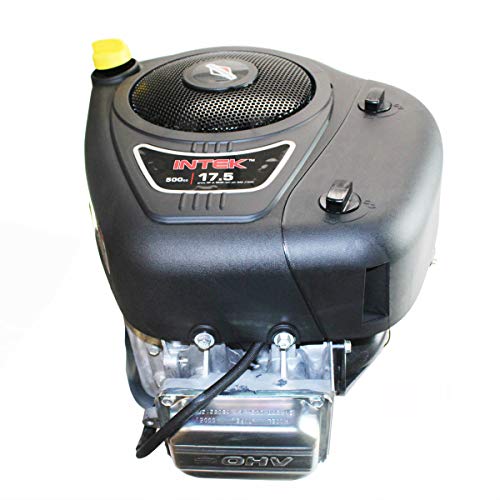
Briggs & Stratton 17.5 HP 500cc INTEK Vertical Engine

Briggs & Stratton 13R232-0001-F1 208cc Engine

Briggs & Stratton 44S977-0033-G1 25 GHP V-Twin Vertical Engine

Aceup Energy 4.4HP 173cc OHV Vertical Engine

Briggs & Stratton 725EXi Series Engine 163cc
Meet The Standout Selections
This single-cylinder vertical shaft engine is built for riding mower rebuilds where you want strong, steady output. With 19 horsepower from a 540cc displacement, it’s a confident swap for worn-out factory units. If your tractor bogs in thick spring grass, the overhead valve design helps it run cooler under load.
Compared to the lighter push-mower options in this lineup, this one is firmly in riding-tractor territory. The full-pressure lubrication system with an oil filter suggests a longer service life, and the pulse fuel pump keeps fuel delivery consistent even on slopes.
Where It Excels
- 19 gross HP, enough for hilly yards and thick turf pulls
- OHV design runs cooler and supports longer valve life
- Dura-Bore cast iron cylinder sleeve helps extend engine longevity
- 9 amp charging system supports electric start and battery recovery
- Direct replacement for engine model 33R877-0003-G1
- Includes exhaust hardware, simplifying the rebuild
Things To Consider
- Weight and footprint may require a helper to lift onto the deck
- Fuel line routing and throttle linkage may need adaptation on non-OEM frames
Who It Suits Best
Riding mower owners tackling multi-acre lawns who need genuine replacement power, not a temporary patch.
Where Another Pick Suits Better
The Briggs & Stratton 44S977-0033-G1 makes more sense if your tractor expects a V-Twin configuration and you want electric start with a higher-output alternator.
This is the lightweight walk-behind option in the roundup, pairing a 144cc four-cycle engine with a 20-inch deck. The 4-cycle design means no oil mixing, which most casual owners appreciate on a quick Saturday mow. You can think of it as the easy-entry path in the SENIX family.
Next to the SENIX 21-inch self-propelled model later on this list, this one trades the larger deck and drive system for simpler handling. That makes it a better fit for small, flat lawns where you don’t need rear-wheel assistance to push the machine around.
A Favorable Mix
- 144cc 4-cycle engine avoids the fuel-oil mixing step
- 20-inch cutting width trims time on small yards
- Three cutting height positions for seasonal adjustments
- Lightweight frame makes storage and curb loading easier
Honest Caveats
- Three height positions offer less range than the six-position SENIX 21″ model
- No self-propel drive, so steeper lawns can wear you out
- 144cc is light for tall, wet grass, so you may find yourself making slower passes
Made For
Homeowners with small, level lawns who want a low-fuss gas mower without rear-wheel drive complexity.
Look Elsewhere When
The SENIX 21″ Self-Propelled Gas Lawn Mower 170cc is the better match if your yard has slopes or thicker grass that benefits from a larger engine and drive assist.
This is the step-up SENIX, a 21-inch self-propelled mower driven by a 170cc OHV engine. OHV, or overhead valve, keeps the combustion layout compact and helps the engine run cooler during longer mowing sessions. For yards around a third of an acre, the wider deck and six height settings make a real difference in finish quality.
The 3-in-1 cutting system adds bagging, mulching, and side discharge in one machine, which is a useful upgrade from the basic SENIX 20-inch. If your old push mower left you drenched in sweat on every hill, the rear-wheel drive is the feature that changes the whole experience.
Notable Upsides
- 170cc OHV engine delivers stronger torque for taller grass
- 21-inch deck covers more ground per pass
- Six cutting height positions for tighter seasonal control
- 3-in-1 versatility (bag, mulch, discharge) in one unit
Points To Note
- Heavier than the SENIX 20″ model, so storage and transport take more effort
- Self-propel drive adds moving parts that benefit from end-of-season cleaning
Spec Overview
Right Fit For
Homeowners with mid-size yards, mild slopes, or thicker turf who want a single mower that handles bagging and mulching.
Consider Something Else When
The Briggs & Stratton 33S877-0019-G1 is the right call if you’re rebuilding a riding tractor rather than buying a walk-behind mower.
Slotting in below the 19 HP Professional Series, the INTEK 17.5 HP engine is a 500cc single-cylinder built for standard riding mowers. The 1-inch by 3-5/32-inch crankshaft is a common spec for mid-frame tractors, which simplifies fitment for many owners. If your lawn is a half acre to two acres of relatively even ground, this is a sensible middle path.
It’s a quieter choice than the 25 GHP V-Twin further down the list, but it gives up the smoother firing rhythm of two cylinders. The trade-off shows up when you’re mowing tall, wet grass uphill, where the single cylinder strains more visibly.
Bright Spots
- 17.5 HP from a compact 500cc package
- 9 amp charging system supports reliable electric start
- 1″ x 3-5/32″ crankshaft fits many stock tractor mounting patterns
Trade Offs
- Single-cylinder design vibrates more than the 25 GHP V-Twin option
- May fall short on hilly terrain with thick growth
Best Suited To
Tractor owners refreshing a worn mid-tier engine on a relatively flat property under two acres.
Reach For A Different Pick When
The Briggs & Stratton 44S977-0033-G1 25 GHP V-Twin fits better when your yard has slopes, heavy towing needs, or you simply want smoother running at higher RPM.
This 208cc Briggs & Stratton engine is the smallest in the roundup by displacement, a workhorse replacement for aging walk-behind mowers. At 14.5 by 12 by 13.5 inches, it has a compact footprint that fits common push-mower cradles. The 9.50 gross torque rating suggests it has enough grunt for typical suburban turf.
Where the 19 HP Professional Series targets a riding tractor, this one is purely a push-mower swap. The smaller package also means a lighter install, which matters when you’re working under a flipped deck in the garage.
Benefits That Matter
- 208cc displacement suits standard walk-behind mower rebuilds
- Compact dimensions simplify mounting under existing decks
Room For Improvement
- Lower torque means slower passes in thick or wet grass
- Not designed for self-propelled drive systems that need more output
Key Product Details
Who Will Love This
Homeowners with a tired push mower who want a near-direct-fit 208cc replacement without upgrading to a self-propelled unit.
Swap It Out When
The Aceup Energy 4.4HP 173cc OHV Vertical Engine is a stronger fit if you want a more accessible aftermarket swap with a primer-start system.
This is the largest engine in the roundup, a 724cc V-Twin with 25 gross horsepower designed for serious riding mowers and lawn tractors. The V-Twin configuration means two cylinders firing in alternation, which smooths out the power pulses and reduces vibration. The 1-1/8 inch by 4-1/16 inch crankshaft suggests it fits larger-frame commercial-style machines.
Compared to the 19 HP single-cylinder earlier in the list, this one delivers a noticeably steadier pull under load. The 16 amp alternator also handles accessory loads like headlights and electric PTO clutches with less strain on the charging circuit.
Useful Touches
- 25 GHP from a 724cc V-Twin for heavy mowing and towing
- 12V electric start with 16 amp alternator for strong accessory support
- Cast iron cylinder sleeve supports long service life
Worth Bearing In Mind
- Heavier than single-cylinder options, so installation usually takes two people
- Overspec for small yards, so you’ll underuse the power
- Fuel consumption rises with displacement, depending on mowing frequency
Feature Snapshot
Built With In Mind
Owners of large-frame riding tractors who regularly mow multi-acre properties or tow heavier attachments.
Not Your Match When
The Briggs & Stratton 33S877-0019-G1 makes more sense if your tractor is sized for a single-cylinder engine and you don’t need the extra torque.
Aceup Energy offers a 173cc OHV vertical engine aimed at walk-behind mower owners who want an aftermarket swap with a recoil start. The 0.9 gallon fuel tank keeps weight and refuel stops reasonable, and the 7/8 inch diameter shaft with 3/16 inch keyway is a common fitment pattern. The red primer bulb simplifies cold starts, which is helpful if the mower sits between uses.
It’s the only non-Briggs option in the roundup, which gives you a different aftermarket path. Against the Briggs & Stratton 725EXi further down, this one trades ReadyStart convenience for a more accessible price point.
Positive Points
- 173cc OHV design for cooler operation and steady output
- 7/8″ shaft with 3/16″ keyway fits many push-mower mounts
- Primer bulb simplifies cold-start sequence
- 0.9 gallon tank balances runtime and weight
Possible Compromises
- Recoil start only, no electric start option
- Smaller brand support network compared to Briggs & Stratton
- 4.4 HP may feel modest in tall, wet grass
Quick Facts
Perfect Match For
DIY-friendly homeowners replacing a worn engine on a standard walk-behind mower who don’t need electric start.
A Better Fit Elsewhere
The Briggs & Stratton 725EXi Series Engine is a stronger match if you want no-prime starting and a longer brand-backed support history.
The 725EXi closes the roundup as a 163cc walk-behind replacement with a focus on easy starting. Its ReadyStart system is designed to fire up without manual choke or prime steps, which removes one of the most common frustrations with small engines. The 25mm by 3-5/32 inch crankshaft is a metric-friendly spec worth confirming against your existing mount.
Compared to the Aceup Energy 173cc option above, this one trades a touch of displacement for simpler starting. For households where the mower gets handed off between users, that ease-of-use matters more than a couple cubic centimeters.
Well-Handled Touches
- ReadyStart no-prime starting system simplifies operation
- 163cc design keeps weight manageable for most owners
- Briggs & Stratton support network simplifies parts lookup
Some Limits To Know
- Smaller displacement than the SENIX 170cc, so thick grass feels heavier
- Crankshaft dimensions need a careful match check against the original engine
Who Should Grab It
Walk-behind mower owners who want a low-fuss, brand-backed replacement and value easy starting over maximum output.
Skip It When
The SENIX 21″ Self-Propelled Gas Lawn Mower 170cc is a smarter pick if you’d rather buy a complete self-propelled mower than swap an engine into an existing deck.
Matching The Right Engine To Your Mower And Yard
Engine type and fitment are where most swap projects succeed or stall. A vertical shaft engine is the standard for riding mowers and most walk-behind decks, but the shaft diameter, length, and keyway all need to match the existing hardware. For riding mower rebuilds, the higher-end Briggs & Stratton Professional Series and V-Twin options deliver the long-term durability that justifies the heavier install. Walk-behind owners usually get the most value from a smaller OHV engine with a recoil start, like the Aceup Energy or the 725EXi.
Horsepower should match the deck size and the terrain. A 540cc single cylinder handles wide tractor decks, while 144cc to 173cc covers most 20 to 21 inch walk-behind applications. Electric start, alternator output, and oil filtration matter more on machines that see weekly use across multi-acre properties. For occasional weekend mowing on flat ground, simpler recoil-start engines tend to be perfectly adequate.
Shaft and mounting geometry is the part you can’t eyeball. Confirm the crankshaft diameter, length, and keyway before ordering, and check whether the muffler, fuel line, and throttle linkage line up with the existing mounts. Most owners find that measuring the old engine twice saves a return trip later.
Key Considerations Across These Picks
Pitfalls Shoppers Hit
The most common buying mistake is matching horsepower without checking the shaft and bolt pattern. A 19 HP engine with the wrong crankshaft simply won’t drop in, no matter how strong the output looks on paper. The next slip is ignoring charging system output, which matters for tractors with electric PTO clutches or accessories. Finally, some shoppers skip the maintenance history of their machine and end up replacing an engine when a tune-up would have done the job.
Where The Extra Money Goes
Higher-tier models like the Briggs & Stratton 25 GHP V-Twin cost more because they use two cylinders, a stronger alternator, and a cast iron cylinder sleeve that supports long service intervals. You also pay for a broader support network and easier parts sourcing. The upgrade is worth it for large properties, frequent mowing, or any tractor that runs attachments. For a small yard with light, weekly use, a smaller OHV engine gets the job done without the extra weight or cost.
Frequently Asked Questions
What displacement do I need for a typical residential mower? For walk-behind mowers, 140cc to 170cc covers most lawns up to a third of an acre. Riding mowers generally need 500cc or more, depending on deck width and terrain.
How do I know if a vertical shaft engine fits my mower? Measure the crankshaft diameter, length, and keyway on your existing engine, and match those specs to the replacement. The mounting bolt pattern and pulley alignment also need to line up.
Is OHV worth the small price difference? Yes, in most cases. OHV (overhead valve) engines run cooler, last longer, and typically produce more torque at lower RPM than side-valve designs of the same size.
Do I need electric start on a walk-behind mower? Not necessarily. Recoil start is lighter and simpler, which most homeowners find perfectly manageable. Electric start makes more sense on riding tractors where pull-starting isn’t practical.
How often should a replacement mower engine be serviced? Oil changes typically run every 25 to 50 hours of use, with air filter checks at the same interval. Spark plug replacement once a season keeps starting reliable across heavy use.
Wrap Up
The right mower engine comes down to matching displacement, shaft geometry, and starting style to the machine you already own. For tractor rebuilds, the Briggs & Stratton Professional Series and V-Twin options give you the torque and durability worth the heavier install. For walk-behind swaps, the SENIX models, the Aceup Energy, and the 725EXi each cover a different comfort level and budget. Measure twice, match the shaft, and the rest of the swap usually goes smoothly.
