

An acre is the awkward middle of lawn care. It is too big for a quick weekend push mower session, yet too small to justify a full riding tractor for most households. The right mower turns a 40-minute chore into a predictable routine, while the wrong one leaves you fighting cords, batteries, or stubborn grass. This lineup gathers eight models sized for that exact challenge, from cordless push units to wire-free robots.
A Quick View Of The Lineup

SENIX 21″ Gas Lawn Mower 144cc 3-in-1

Greenworks 60V 21″ Cordless Push Mower

Worx 40V 21″ Cordless 3-in-1 WG752

AMERISUN 21″ Gas Lawn Mower 140cc
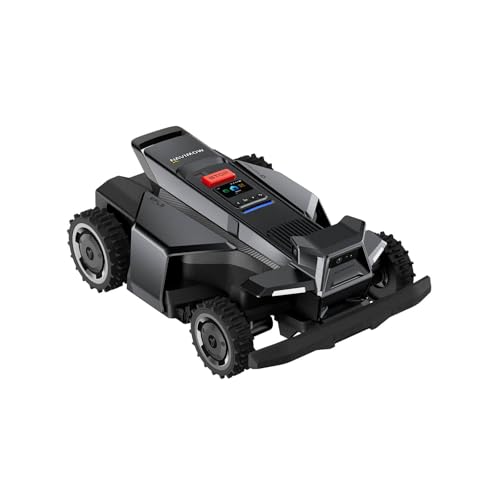
Segway Navimow X430 Wire-Free Robot Mower

Mammotion LUBA 2 AWD 3000X 4G Robot

Shulemin 20″ Self-Propelled Gas Mower

WORX Landroid Vision WR344 4WD Robot
What Each Pick Brings To The Table
A traditional gas push mower handles an acre without ceremony, and SENIX positions its 21-inch deck right at the sweet spot for that task. The 144cc four-cycle OHV engine ships pre-filled with oil, so first-time setup skips the measuring cup. Output is rated at roughly 3.4 HP with 5.8 ft-lb of torque, plenty for cool-season bluegrass and warm-season Bermuda alike.
Three cutting modes (mulching, bagging, side discharge) let you adapt to wet spring growth and dry summer patches. For shoppers who want a familiar pull-start routine and minimal battery management, this is the dependable baseline. Compared with the Greenworks unit that follows, you trade quiet operation for refill-and-go convenience.
Points In Its Favor
- 21-inch cutting width trims an acre in fewer passes than narrower decks.
- 3-in-1 versatility handles spring surge growth and summer dry-down without blade swaps.
- Pre-filled oil lowers the barrier for first-time gas mower owners.
- Fuel use around 27 oz per hour means fewer pit stops than older two-stroke designs.
Things To Consider
- Pull-start only, so cold mornings demand a firm arm.
- Gas and oil changes still belong on the seasonal maintenance list.
Feature Snapshot
Right Fit For
Suburban households with a flat, open acre who prefer a familiar gas routine over battery charging.
Reach For A Different Pick When
Choose the Shulemin self-propelled model below if your lawn sits on a noticeable slope and you want the mower to do the pushing.
The 60V battery platform is where cordless finally stops apologizing for itself. Greenworks pairs a 21-inch steel deck with a 5.0 Ah battery and a 3200 RPM blade speed, figures that put it in the same conversation as a 150cc gas unit. Translation: thick spring grass stops being a problem.
You also skip the noise and the storage shelf of a gas can. The deck is deep enough for clean mulching, and the brushless motor keeps the cuts consistent as the battery drains. For shoppers near noise ordinances or with early-morning mowing windows, this is the most livable package in the lineup. It sits between the entry-level Worx WG752 and the heavier-duty gas options.
What Stands Out
- 60V system delivers torque comparable to mid-size gas engines.
- No fuel storage, oil changes, or pull-cord frustration.
- Brushless motor extends runtime and reduces wear over time.
- Shared battery platform with other 60V Greenworks tools if you expand the collection.
Honest Caveats
- Roughly an acre on a single charge may be tight, so a spare battery is wise for larger yards.
- Higher upfront cost than entry-level push mowers.
Quick Facts
Made For
Homeowners in noise-restricted neighborhoods who want gas-tier cut quality without the maintenance schedule.
Look Elsewhere When
Pick the Mammotion LUBA 2 AWD 3000X below if you’d rather skip mowing altogether and let a robot handle the weekly routine.
The Worx WG752 punches above its 40V rating thanks to aerodeck airflow technology, a design that boosts air volume inside the cutting chamber for cleaner cuts at lower power. The 21-inch deck matches the gas units above, so your pass count stays the same.
Three-in-one functionality covers mulching, bagging, and side discharge without swapping parts. It is well suited to a true half-acre lot rather than a full acre, since the 40V platform drains faster than the 60V Greenworks model. For townhouse owners, first-time homeowners, or anyone storing a mower in a tight closet, the lighter weight and foldable handle are quiet wins.
Standout Benefits
- Aerodeck airflow improves cut quality at lower blade speeds.
- Lighter than 60V and gas units, easier to push up curbs.
- Shared 40V Worx battery ecosystem for trimmers and blowers.
- 3-in-1 versatility mirrors the SENIX gas unit above.
Worth Noting
- Rated for half-acre coverage; a full acre may need a recharge break.
- Less torque than the 60V Greenworks for tall fescue.
Best Suited To
First-time homeowners with a smaller half-acre lot who want a quiet, low-effort mower with a friendly learning curve.
Swap It Out When
Move up to the Greenworks 60V model if your lot pushes past half an acre or your grass runs thick.
When storage space matters as much as cut quality, AMERISUN answers with a 21-inch gas mower that folds flat. The 140cc engine sits a tick below the SENIX unit above, but the six-position height adjustment and side-discharge or mulching modes cover the same routine cuts.
Pull-start ignition keeps things familiar for anyone raised on a recoil rope. The trade-off is no bagging option, which is fine for lawns you mow often enough that clippings stay small. If your shed door is narrow or your garage is already crowded with bikes, the folding handle is a genuine relief.
What Earns Its Place
- Foldable handles save floor space in tight sheds.
- Six height positions suit seasonal cut changes.
- 140cc output handles routine weekly mowing comfortably.
- Lower entry price than most 144cc alternatives.
Points To Keep In Mind
- Two-in-one design (mulch and side discharge) skips bagging entirely.
- Pull-start only, no electric ignition option.
Core Details
Whose Shelf It Belongs On
Storage-conscious shoppers in small sheds or shared garages who mow often enough to skip bagging.
Skip It When
Pick the SENIX 21″ Gas Lawn Mower 144cc 3-in-1 instead if bagging clippings matters for your lawn routine.
Wire-free robot mowers used to mean weak drive trains and limited slopes. The Navimow X430 changes that math with all-wheel drive, dual suspension tuned to off-road vehicles, and a claimed 84% (40°) slope rating. Zero-turn steering protects the turf on tight pivot points, so the robot can weave around garden beds without scuffing.
Cutting height adjusts from 0.75 to 4 inches, which covers anything from a close-cropped Zoysia lawn to a shaggy spring meadow. Two 180W motors provide the cut power. It is a meaningful upgrade over the Worx WR344 that appears later in this list, especially on uneven terrain where lighter robots stall out.
The Upside
- 4WD and ORV-tuned suspension handle slopes up to 84% without losing traction.
- Zero-turn steering protects turf during direction changes.
- Wire-free setup skips the buried perimeter cable.
- Wide 0.75 to 4-inch cutting range suits varied grass types.
Some Limits To Know
- Higher entry price than push mowers or basic robots.
- Initial RTK or vision setup may take an afternoon to dial in.
Who Will Love This
Owners of hilly or terraced properties who want a hands-off robot that actually finishes the job.
Where Another Pick Suits Better
Choose the WORX Landroid Vision WR344 below if your lawn is mostly flat and you prefer a lighter, simpler robot.
The LUBA 2 AWD 3000X leans into connectivity. Built-in 4G means you can monitor and adjust the mower from anywhere, useful for vacation homes or properties where Wi-Fi coverage is spotty. A 165W four-wheel motor drives 80% (38°) slopes and rough patches that stall lighter robots.
Rated coverage is 0.75 acre, which sits at the edge of this roundup’s focus. Owners with multiple zones, deep ditches, or uneven ground will appreciate the all-wheel traction. Compared with the Navimow X430 above, the LUBA trades a slightly lower slope rating for stronger cellular connectivity.
A Favorable Mix
- Built-in 4G for off-property monitoring and control.
- 165W four-wheel motor climbs 80% slopes and rough ground.
- Handles tall, thick grass without bogging down.
- Wire-free boundary setup via GPS, no buried cable.
Trade Offs
- Coverage tops out near 0.75 acre, so full-acre lots may need extra runtime planning.
- 4G service may require a data plan in some regions.
Spec Overview
Perfect Match For
Owners of remote or secondary properties who want cellular control without relying on home Wi-Fi.
Not Your Match When
Pick the Segway Navimow X430 above if your lawn climbs past 38° and you want the steepest slope rating available here.
Self-propelled drive changes the whole feel of mowing an acre. The Shulemin 20-inch mower pulls itself forward with a 141cc four-stroke engine, which is a relief on sloped lots or during thick summer growth. The deck sits an inch narrower than the SENIX above, so plan on slightly more passes.
Three-in-one cutting (rear bagging, mulching, side discharge) covers whatever the season throws at you. A heavy-duty 20-inch blade tackles thick bramble and overgrowth that stalls thinner push units. For shoppers who want muscle without stepping up to a riding mower, this is the workhorse middle ground.
Where It Helps
- Self-propelled drive reduces fatigue on sloped or larger lawns.
- 141cc four-stroke engine delivers steady torque through thick grass.
- 3-in-1 cutting adapts to bagging, mulching, or side-discharge routines.
- Foldable handle eases storage in tighter spaces.
Practical Considerations
- 20-inch deck requires more passes than the 21-inch models.
- Gas and oil maintenance still apply each season.
Who Should Grab It
Homeowners with uneven or sloped lawns who want the mower to carry itself rather than push it.
A Better Fit Elsewhere
Choose the SENIX 21″ Gas Lawn Mower 144cc 3-in-1 if your lawn is flat and you want the wider deck to save time.
The Landroid Vision WR344 replaces buried boundary wire with a forward-facing AI camera that learns your lawn as it mows. A four-wheel-drive chassis and terrain-adaptive suspension keep it moving across uneven ground, while the front-steering system protects the turf during turns.
Rated for lawns up to one acre, it lands right in the middle of this roundup’s focus. The vision system means no GPS base station to position, which simplifies setup compared with the Navimow X430 or LUBA 2. It is a sensible pick for flat or moderately sloped lawns where you want full automation without the higher-tier price.
The Practical Payoff
- Vision AI eliminates the need for perimeter wire or RTK base stations.
- 4WD chassis handles uneven ground better than two-wheel robots.
- Rated for one-acre coverage, a direct match for this roundup.
- Terrain-adaptive suspension protects the chassis on rough spots.
Factors To Consider
- Camera-based navigation can struggle in heavy fog or heavy shade.
- Less proven on extreme slopes than the Navimow X430 above.
Key Product Details
Built With In Mind
Homeowners with a flat to moderately sloped acre who want set-and-forget automation without the higher-tier price.
Consider Something Else When
Pick the Segway Navimow X430 if your lot climbs past 40° or you need the strongest slope rating in this roundup.
Picking The Right Mower For Your Acre
Cutting width sets the pace. A 21-inch deck trims an acre in roughly 35 to 45 minutes at a normal walking pace, while a 20-inch deck adds a few extra passes. Battery platform matters more than people expect. A 60V system with a 5.0 Ah battery finishes most acres in one charge, while 40V units sit closer to half-acre territory. For gas, engine size in the 140 to 144cc range covers routine mowing comfortably.
Slope changes the math entirely. Flat lots tolerate any drive type, but anything beyond a gentle rise pushes you toward self-propelled gas or an all-wheel-drive robot. The Navimow X430 and LUBA 2 AWD 3000X both publish steep slope ratings, while the Landroid Vision WR344 leans on vision AI to keep things simple on gentler terrain.
Storage often decides the final pick. Foldable handles on the AMERISUN and Shulemin models save real square footage in a small shed. Robots require a charging dock with clear sky above for GPS or vision, so plan the placement before you buy. Mulching versus bagging is the smaller call. Routine weekly mowing favors mulching because clippings feed the soil, while occasional overgrown cuts call for bagging to keep things tidy.
Smart Shopping Notes For One-Acre Lots
Where Shoppers Go Wrong
The most common slip is choosing cutting width over drive type. A wide 21-inch push mower on a sloped acre will leave you exhausted before the back forty, while a self-propelled 20-inch mower finishes the same job with far less strain. Match the mower to the terrain, not just the deck size.
Another trap is underestimating battery drain. Cordless mowers ship with honest runtime ratings, but thick grass, hills, and wet conditions cut those numbers down. Buying a second battery up front costs less than stopping halfway through the first mow.
When Paying More Pays Off
Higher-tier models earn their price through slope capability, traction, and automation. The Navimow X430 and LUBA 2 AWD 3000X climb where basic robots stall, and they save you from buying a separate push mower for the rough patches. Wire-free vision on the Landroid WR344 skips the labor of burying boundary cable, which matters if your lawn has lots of landscaping edges.
For flat lots under half an acre, the upgrade rarely pays back. A 21-inch gas push mower or a 40V cordless unit handles the job at a friendlier price, and your time savings are minimal.
Frequently Asked Questions
How long does it take to mow one acre?
A 21-inch walk-behind mower at a comfortable pace finishes an acre in roughly 35 to 50 minutes. Self-propelled drive and wider decks shave that down, while narrow 18-inch decks and thick grass push it past an hour.
Are robot mowers good for one acre?
Yes, provided the model is rated for that coverage and the lawn is not too steep. The Landroid WR344, Navimow X430, and LUBA 2 AWD 3000X all target one-acre residential lots with wire-free or vision-based navigation.
Gas or battery for an acre?
Gas still wins on raw runtime and refuel speed, but 60V cordless platforms have closed the gap on cut quality. Battery mowers suit noise-restricted neighborhoods and homeowners who want to skip oil changes.
What deck size handles one acre best?
A 21-inch deck is the practical sweet spot. It trims an acre in fewer passes than 18 or 20-inch decks while staying narrow enough to navigate gates and tight garden edges.
Do I need a self-propelled mower for one acre?
Self-propelled drive helps most on sloped or uneven lots. On flat terrain, a push mower is fine and saves weight, cost, and maintenance.
Wrap Up
An acre is the size where mower choice starts to matter in real time. Gas push units like the SENIX and Shulemin cover traditional routines, the Greenworks 60V and Worx WG752 bring cordless convenience, and the Navimow X430, LUBA 2, and Landroid WR344 hand the job to a robot. The right pick depends on your slope, your storage space, and how much weekend you want to spend behind a mower. Match those three and the chore fades into the background where it belongs.
