

A good mulch edging does the quiet work that makes a yard feel finished. It holds bark, river rock, and pea gravel where they belong, stops your mower blade from chewing into lawn edges, and turns a sloppy bed line into something that actually frames the plants. The eight options below cover stone-look blocks, corrugated steel, no-dig plastic strips, and tall flexible borders so you can match the edging to your soil, slope, and design taste without overbuying.
The Picks In Brief

Beuta Polyrock Bricks Garden Edging 4-Pack (Greystone)

shsyue 33FT Flexible Landscape Edging 4″ Tall Kit

Orgrimmar Pound-in Interlocking Garden Edging Kit 40 pcs

SnugNiture Corrugated Metal Garden Edging 6″ x 50′
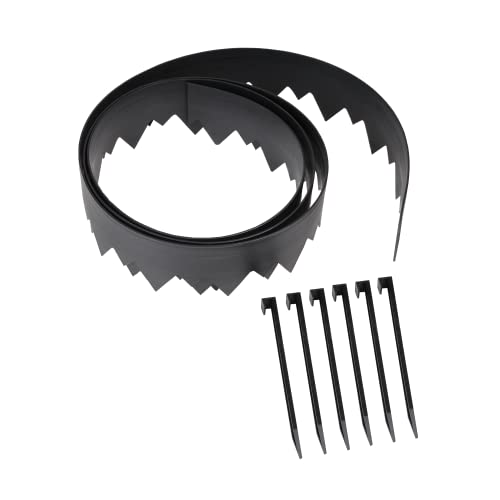
EasyFlex Pound-In Landscape Edging 20-Foot Kit (Black)

Jorvila No Dig Landscape Edging Kit 1.5″ x 100′

Vashly No-Dig 20ft Landscape Edging 6″ Tall

Gardzen 1.5″ x 100′ Landscape Edging Kit
Inside Each Recommended Option
Beuta’s Polyrock system gives you the look of stacked stone without hauling real masonry. Each four-pack contains four sections of six faux bricks, totaling 48 inches of edging per section, with a height around 2.25 inches and twelve spikes for securing the pieces into the soil.
You can curve these around a tree ring or run them straight along a sidewalk, and the Greystone color reads like weathered cut stone in afternoon light. For most suburban yards with a cottage-style bed, the height is enough to hold an inch or so of mulch in place without dominating the planting.
Key Advantages
- Stone-look finish adds visual weight without the actual weight, so you can move a section during redesigns.
- Modular bricks let you swap a damaged segment rather than re-laying the whole run.
- Low profile (about 2.25 inches) keeps the focus on plants, not the border.
- Spikes are included, so you don’t need a separate anchoring kit.
Worth Noting
- The 2.25-inch height is shallow, so deep mulch piles can spill over the top in spots.
- Plastic faux stone can fade over several seasons of full sun, depending on your climate.
Key Product Details
Who It Suits Best
Cottage gardeners and weekend DIYers who want stone-style curb appeal without mixing mortar or renting a wheelbarrow.
Where Another Pick Suits Better
For a taller, more industrial-modern edge that holds a thick layer of bark, look at the SnugNiture corrugated metal option instead.
The shsyue kit is built for yards where mulch tends to migrate. You get 33 feet of flexible PE (polyethylene) edging with a 4-inch height, paired with 50 spiral stakes that grip the soil without rusting over time.
That taller profile is the real selling point. Where shorter borders let bark creep onto the lawn after a heavy rain, this one holds a generous layer in place. You can also cut the strip to length, which helps around irregular bed shapes or older trees with wide root flares.
Noteworthy Benefits
- 4-inch height contains thick mulch piles and even small decorative river rock.
- 50 stakes spaced along the run keep the strip anchored through freeze-thaw cycles.
- Polyethylene bends without cracking, so curves and corners come out clean.
- You can trim the length with standard snips to fit odd dimensions.
Trade Offs
- The strip is one continuous piece, so a hard impact can kink rather than snap cleanly.
- At 4 inches tall in dark plastic, the visible line is more prominent than low brick-style edging.
Made For
Homeowners who pile bark mulch thick and want a single edge that stays put through wind and rain.
Consider Something Else When
You want the cleanest, most subtle border and only need a thin layer of mulch, in which case the Gardzen 1.5-inch strip will look less bulky.
Orgrimmar’s kit takes a different approach from long rolls. You get 40 individual PP (polypropylene) pieces, each about 20 inches long and 5.3 inches wide, that lock together and pound into the ground with a rubber mallet.
The modular layout is helpful if your bed line jogs around utilities, downspouts, or existing shrubs. You can curve the run by overlapping pieces slightly, or build a hard corner by butting two sections flush. For most flat-to-gently-sloped yards, the install feels closer to assembling a puzzle than digging a trench.
Practical Advantages
- Individual 20-inch segments make repair simple: pull one piece, drop a new one in.
- PP material is recyclable and tolerates weather without becoming brittle.
- Pound-in install needs only a rubber mallet, no trenching.
- Locking tabs help the run hold a curve without peeling apart at the joints.
Minor Gripes
- On rocky or heavily rooted soil, pounding 40 segments gets tiring without a helper.
- Visible joints between pieces can read as a segmented line rather than a continuous edge.
Best Suited To
DIY landscapers with irregular bed shapes who like the idea of fixing one broken segment instead of replacing a whole strip.
Skip It When
Your priority is a long, unbroken line across an open lawn, where the shsyue 33-foot roll will lay flatter and faster.
SnugNiture’s corrugated steel edging pulls in the opposite direction from plastic. It arrives as a 50-foot roll of 6-inch-tall metal with a brown-and-white finish that suits modern and farmhouse landscaping alike.
Steel edging earns its place where plastic pops out of the ground after a hard frost. The corrugated profile adds rigidity so the strip stays vertical even on uneven soil, and the height gives you room for a thick layer of bark or decorative gravel. Compared to the lighter EasyFlex kit reviewed below, this one feels like infrastructure.
The Helpful Details
- Corrugated steel resists bending and stays straight under mulch weight.
- 50-foot length covers large borders without joins or seams.
- Brown-and-white coating blends with bark and stone mulches.
- Metal tolerates sun, rain, and snow without warping the way some plastics can.
Honest Caveats
- Cutting steel needs tin snips or an angle grinder, and the cut edge is sharp, so gloves are a must.
- Steel edging can dent on impact from a lawnmower or wheelbarrow.
Feature Snapshot
Who Will Love This
Design-minded homeowners with long, straight or gently curved beds who want a clean architectural line.
Look Elsewhere When
You need tight S-curves around a koi pond or fountain, where the Vashly flexible strip will follow the shape without kinking.
EasyFlex makes the install approachable for anyone new to edging. The kit includes 20 feet of 4.5-inch recycled-plastic border along with bonus anchoring stakes, and the straight-top profile keeps the visible edge clean along a lawn.
The recycled plastic flexes enough for gentle curves but still has enough body to look tidy on a long straight run. For a first-time weekend project, the kit removes a lot of the usual guesswork about how many stakes to buy.
Positive Points
- Recycled-plastic build tolerates weather without splintering or rusting.
- 4.5-inch height hides the transition between turf and bed nicely.
- Bonus stakes save a separate trip to the store.
- Pound-in install needs minimal ground prep beyond scoring the soil.
Points To Keep In Mind
- At 20 feet, this is a small kit, so larger properties will need multiple rolls.
- Plastic can heave slightly in clay soils that shift with moisture.
Perfect Match For
First-time landscapers tackling a single front-yard bed or tree ring before committing to a bigger project.
A Better Fit Elsewhere
For a 100-foot lawn-to-garden transition, the Jorvila kit gives you roughly five times the run with the same install style.
Jorvila’s kit is built for scale. Three connected rolls give you 100 feet of 1.5-inch-tall plastic edging, plus 120 metal spikes to pin everything down.
The low profile disappears into the lawn, leaving the plants as the visual focus. Where the Beuta bricks look like a feature and the SnugNiture steel looks like architecture, this strip reads as a tidy line. For properties with long foundation beds or a wide curve around a backyard patio, the length saves the hassle of joining multiple smaller kits.
What Stands Out
- 100-foot run covers most average suburban beds in a single purchase.
- No-dig install means scoring the soil and staking, not trenching.
- 120 spikes spaced every few feet keep the line tight through seasonal shifts.
- Low height keeps mulch contained without becoming a visible feature.
Worth Bearing In Mind
- At 1.5 inches, the strip won’t hold a deep bark pile or loose gravel.
- Long continuous runs are harder to reposition once staked.
Quick Facts
Right Fit For
Homeowners with long foundation plantings or sweeping curves who want one continuous low border along a big stretch.
Swap It Out When
You need a tall barrier to keep river rock from spilling onto the lawn, in which case the shsyue 4-inch flexible kit will hold the weight better.
Vashly’s edging is the most shape-happy option in this roundup. The 20-foot strip is 6 inches tall and ships with twenty 7.8-inch stakes, designed to bend into arcs, ovals, circles, and other custom layouts.
You can lay it around a circular fire pit, ring a shade tree, or trace a winding path without fighting the material. The taller height also handles mulch with room to spare, so a thick layer of bark or cocoa shells stays where you put it.
A Strong Showing
- Bends into tight shapes without cracking or springing back flat.
- 6-inch height is generous for both mulch and small decorative stone.
- Twenty stakes spread along 20 feet give a stable anchor pattern.
- No-dig install keeps the project to a single afternoon.
Points To Note
- The flexible strip can stretch slightly while you stake, so measured curves take patience.
- At 20 feet, you’ll need multiple kits for larger beds.
Who Should Grab It
Garden designers and creative DIYers laying out circular tree rings, oval beds, or custom path edges.
Another Choice May Suit
If your project is mostly long straight runs, the Jorvila 100-foot kit will cover more ground at a lower profile.
Gardzen’s kit rounds out the list with a straightforward 100-foot, 1.5-inch-tall weather-resistant strip. It arrives with 120 spikes for a no-dig install, and the flexible material holds mulch without much fuss.
For routine seasonal refreshes where the goal is a clean line between lawn and bed, this kit gets the job done without overcomplicating things. It overlaps in spec with the Jorvila option above, and the honest read is that either will serve similar needs; choosing between them often comes down to which listing is in stock when you order.
Useful Highlights
- Weather-resistant plastic holds up across seasonal temperature swings.
- 100-foot length suits most full-yard bed lines.
- No-dig design trims install time to a Saturday afternoon.
- Low profile keeps the visual focus on the plants.
Trade-Offs To Consider
- At 1.5 inches, the strip can be overtopped by a deep mulch refresh.
- Like other plastic strips, it can heave in clay-heavy soils.
Feature Rundown
Built With In Mind
Everyday gardeners refreshing a tired bed line who want a simple, weather-tolerant strip at a familiar size.
Reach For A Different Pick When
You want stone or metal visual weight, where the Beuta bricks or SnugNiture steel will read as a deliberate design choice rather than a maintenance strip.
What To Match In Your Yard Before You Choose
Material and height matter more than brand names. Plastic strips in the 1.5-inch range disappear into the lawn and handle a thin annual mulch refresh, but they bow under thick piles of bark or stone. Metal and brick-style edging adds visual weight and resists frost heave (the way frozen soil pushes objects upward), but costs more and asks for sturdier install tools. If you want one kit to flex around curves, look for polyethylene or polypropylene strips described as flexible; if you want crisp straight runs, corrugated steel or modular brick-style kits hold their line better.
Soil type changes the calculus. Sandy, loose ground takes stakes easily but lets edging shift over time, so a deeper spike or a kit with more anchors per foot pays off. Clay holds spikes tight but heaves in freeze-thaw cycles, which is where rigid metal or interlocking brick-style kits earn their keep. The slope of your bed also matters: a 6-inch-tall flexible strip on a hill behaves like a retaining wall, while a low 1.5-inch strip will simply let mulch slide downhill.
Key Considerations Across These Picks
Mistakes Worth Dodging
Buying a strip that’s too short is the most common slip-up, and the easiest fix is to walk the bed with a tape measure before ordering. People also underestimate how many spikes a long run actually needs, which leaves the strip popping up after a few weeks; a good rule is one stake every 8 to 12 inches on curves and every 18 inches on straight lines. Lastly, mixing a low-profile strip with a deep mulch pile just means more bark on the lawn, so match height to the depth of material you actually plan to spread.
When Paying More Pays Off
Higher-tier edging earns its price in three places: material, finish, and length. Corrugated steel and stone-look polymer outlast basic plastic strips in full sun and rough weather, and a 100-foot roll eliminates the joins where weeds and gaps tend to appear. You’ll feel the difference most on visible front-yard beds, where the edging stays in the eyeline year-round rather than getting buried under perennials.
