

Azaleas are the drama queens of the shrub world: give them the wrong soil pH (the soil’s acidity or alkalinity on a 0–14 scale) and they sulk with yellow leaves and stingy blooms. The right combination of organic mulch and acid-leaning soil amendments keeps the root zone cool, the moisture steady, and the soil chemistry where these woody ornamentals actually want it. You don’t need a chemistry degree, just a few well-chosen products that work with the plant rather than against it.
A Quick View Of The Lineup

GARDENWISE 8-4-8 Acidic Fertilizer for Azaleas & Acid-Loving Plants (12 oz)

Earth Science Fast Acting Sulfur Granules (5 lb)

Legigo 1.1 lb Coco Coir Chips Mulch

Espoma Organic Holly-Tone 4-3-4 Evergreen & Azalea Plant Food 4 lb (Pack of 2)
Espoma Holly-Tone 4-3-4 Evergreen & Azalea Plant Food 4 lb Bag

Miracle-Gro Water Soluble Azalea, Camellia, Rhododendron Plant Food 5 lb

Coast of Maine 20 qt Organic Planting Soil for Acid-Loving Plants
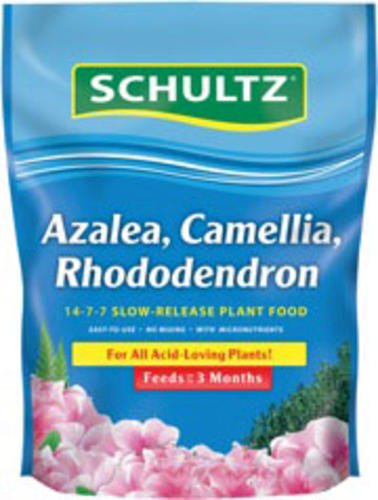
Schultz Azalea, Camellia, Rhododendron ACR 14-7-7 Slow Release Plant Food
More Details On Our Top Picks
When azalea leaves turn pale with green veins, the usual suspect is iron chlorosis (a yellowing caused by lack of available iron), and GARDENWISE 8-4-8 is built to push back on exactly that. The 8-4-8 ratio on the label refers to nitrogen, phosphorus, and potassium percentages, with a notably high nitrogen share for leafy growth, and the formula adds magnesium, iron, and manganese to feed hungry acid-lovers.
The 12 oz container suits a small collection of foundation shrubs or a couple of blueberries in raised beds. For most established plantings, a single jar covers several feedings through the growing season, making it a tidy option for gardeners who don’t want to stockpile bigger bags.
Real Benefits
- Built-in iron and manganese help correct yellowing foliage on acid-loving shrubs.
- Targets a long list of species beyond azaleas, including camellias, blueberries, and gardenias.
- Compact 12 oz size fits neatly on a potting bench without dominating storage space.
- Water-soluble format goes to work quickly, which is helpful when growth looks stalled.
Points To Keep In Mind
- 12 oz runs out fast on larger beds, so you may find yourself reordering mid-season.
- Works best alongside regular pH monitoring, since high-pH soil can re-trigger deficiencies.
Right Fit For
Shrub keepers with one or two prized azaleas showing yellowed leaves and a preference for fast, targeted correction over slow-release feeding.
Consider Something Else When
You maintain a long hedge of acid-lovers and want one bulk product to do the job, in which case the Espoma Organic Holly-Tone 4-3-4 Evergreen & Azalea Plant Food 4 lb (Pack of 2) covers more ground per purchase.
When the underlying problem is high soil pH rather than missing nutrients, you’re really shopping for sulfur, not fertilizer. Earth Science Fast Acting Sulfur Granules skip the nitrogen and phosphorus and go straight at the chemistry, lowering pH so azaleas can actually absorb the food already in the soil.
The granular format spreads easily with a handheld scoop and works into the top few inches of soil without much fuss. In our view, this is the pick for gardeners who have already done a soil test and know the pH is creeping north of 6.0.
What Works In Its Favor
- Targets the root cause of poor azalea performance in alkaline soil rather than masking symptoms.
- Granular texture is easy to broadcast around established shrubs without specialized tools.
- Reduces nutrient runoff by helping roots hold onto applied fertilizer more efficiently.
- 5 lb bag covers a respectable run of foundation plantings for a single application.
Honest Caveats
- Doesn’t include any N-P-K, so it must be paired with a separate acid-loving fertilizer for full nutrition.
- Works slowly even when labeled “fast acting,” and over-application can swing pH too low for nearby plants.
- A soil test kit becomes almost mandatory, since guessing pH changes can damage lawn grass at the border.
Quick Facts
Made For
Detail-oriented gardeners who already test their soil and need a targeted pH corrector rather than a multi-purpose feed.
Skip It When
You’re just starting out and want one product that feeds and acidifies at the same time, in which case GARDENWISE 8-4-8 Acidic Fertilizer for Azaleas & Acid-Loving Plants (12 oz) is more forgiving.
Coconut husk chips are the unsung hero of the mulches-for-azaleas category, and Legigo’s 1.1 lb pack keeps the format manageable for container gardeners. The chips act as a literal organic blanket, holding moisture around roots while letting excess water drain, a tricky balance azaleas demand.
Unlike shredded pine bark, these chunks don’t decompose in a single season, so a top-up once a year is usually enough. Compared to the sulfur-based amendments earlier in the list, this is the texture play: it changes how the pot feels and breathes rather than how the soil chemistry reads.
A Few Strong Suits
- Coir (coconut fiber) holds moisture without staying soggy, reducing watering frequency in hot weather.
- Chip format resists compaction, so air still reaches the root zone under the mulch layer.
- Pre-rinsed and screened, so it arrives ready to spread without extra prep work.
- Biodegradable and organic, which suits gardeners steering clear of synthetic inputs.
Some Limits To Know
- 1.1 lb is enough for a few small pots, but you’ll need multiple bags for a long in-ground bed.
- Doesn’t feed the plant, so pairing with an azalea fertilizer is still necessary for growth.
- Chips can float briefly during heavy watering until they settle into place.
Feature Snapshot
Best Suited To
Container gardeners and patio growers who want a tidy, long-lasting mulch top-dress without hauling a full bale of bark.
Look Elsewhere When
You’re prepping a long shrub border and need bulk ground coverage, in which case the Coast of Maine 20 qt Organic Planting Soil for Acid-Loving Plants handles the same role at bed scale.
Holly-tone is the slow, steady grandfather of the acid-loving fertilizer world, and the 4-3-4 N-P-K ratio is balanced for the long haul. The 4-3-4 breakdown means 4 percent nitrogen, 3 percent phosphorus, and 4 percent potassium, and the 5 percent sulfur content gently nudges pH downward as it feeds.
The pack-of-two format gives you 8 lb of organic material with Espoma’s Bio-tone microbial blend, which wakes up the soil food web around the roots. For established azalea hedges or a wide foundation planting, this is the workhorse pick most folks settle on.
The Case For It
- Organic ingredients break down gradually, reducing the feast-or-famine cycle common with synthetic feeds.
- 5 percent sulfur supports pH management while delivering primary nutrients in one pass.
- Bio-tone formula introduces beneficial microbes that help roots access locked-up minerals.
- Doubling up with two 4 lb bags covers bigger beds without a second order.
Possible Compromises
- Slower visible response than water-soluble options like the Miracle-Gro plant food covered later.
- Granular texture means you need to lightly work it into the topsoil or water it in thoroughly.
Who It Suits Best
Organic-leaning gardeners managing a real shrub border who prefer one spring and one fall application over weekly liquid feeding.
Reach For A Different Pick When
You need to rescue a struggling shrub fast, since Schultz Azalea, Camellia, Rhododendron ACR 14-7-7 Slow Release Plant Food pushes higher nitrogen and gets nutrients moving sooner.
This is the single-bag version of the same Holly-tone formula covered in Pick 4, with identical 4-3-4 N-P-K and Bio-tone microbial package. For a small azalea bed or a first-time trial, the 4 lb size lets you test the waters without committing to a full season’s supply.
The same gentle feeding pattern applies: scatter around the drip line (the imaginary circle on the ground directly under the outermost branches), water in, and let soil life do the rest. It’s a measured entry point into the Holly-tone ecosystem.
A Few Highlights
- Same trusted organic formula as the bulk pack, just sized for a starter bed.
- Lower upfront cost to see how azaleas respond before scaling up.
- Works across a long list of acid-lovers, from hollies to blueberries.
Trade Offs
- You’ll likely need a second bag mid-season if your planting is more than a couple of mature shrubs.
- No added iron, so yellow-leaf cases may still need the GARDENWISE 8-4-8 on standby.
Spec Overview
Perfect Match For
New azalea planters who want to commit to a respected organic brand without overbuying on the first go.
Not Your Match When
You’re managing a long established hedge, since the bulk Espoma Organic Holly-Tone 4-3-4 Evergreen & Azalea Plant Food 4 lb (Pack of 2) covers more ground with fewer reorders.
When an azalea is mid-season and looking washed out, a water-soluble feed goes to work before granular options have barely started breaking down. Miracle-Gro’s ACR formula is mixed in a watering can and applied directly to leaves and roots, so nutrients are available within hours rather than weeks.
The 5 lb container is a working-size jug for anyone with a developed bed. You may find yourself reaching for it during bloom set and again after flowering, which is when acid-lovers are hungriest.
What Pays Off
- Water-soluble format delivers nutrients almost immediately, perfect for time-sensitive corrections.
- Targets the same acid-loving plant list (azaleas, camellias, rhododendrons, gardenias) covered by the granular picks.
- Large 5 lb tub stretches across a full season of bi-weekly applications on a typical bed.
Points To Note
- Requires mixing before every use, which adds a small step compared to granular Holly-tone.
- Results fade faster than slow-release feeds, so skipping weeks can stall visible growth again.
- Synthetic rather than organic, which matters to gardeners committed to OMRI-listed (Organic Materials Review Institute-certified) inputs.
Core Details
Who Should Grab It
Mid-season rescuers who need fast green-up on a tired azalea and don’t mind a recurring mixing routine.
A Better Fit Elsewhere
You’re a hands-off gardener and would rather feed twice a year, in which case Espoma Organic Holly-Tone 4-3-4 Evergreen & Azalea Plant Food 4 lb (Pack of 2) handles the same plant on a slower schedule.
Coast of Maine’s 20 qt bag is less a fertilizer and more a soil rebuild, which is exactly what bare-root azaleas or a freshly dug bed need before any feeding begins. The compost blend is already tuned to a low pH, so you’re laying down the right foundation rather than fighting bad soil later.
The OMRI-listed certification signals it passes organic-use standards, and the lightweight texture is forgiving to work with, even in heavy clay. This is the pick for installations and major renovations, not routine maintenance.
A Strong Showing
- Pre-acidified organic blend skips the months-long wait for sulfur to do its job.
- Lightweight texture improves drainage in compacted beds where azalea roots would otherwise rot.
- OMRI-listed, so it fits gardens managed under organic certification or preference.
- Balances moisture retention and drainage, two qualities acid-loving shrubs need in equal measure.
A Few Limitations
- More expensive per quart than a fertilizer bag, since you’re buying a full soil amendment.
- Won’t sustain a mature azalea on its own, so pair it with a long-term feeding program.
- 20 qt covers a small new bed only, and larger plantings need multiple bags.
Who Will Love This
New bed builders and transplanters who want to start azaleas in the right soil rather than coax them through hostile ground.
Where Another Pick Suits Better
Your azaleas are established and just need a seasonal feed, in which case Schultz Azalea, Camellia, Rhododendron ACR 14-7-7 Slow Release Plant Food is the lighter, cheaper touch.
Schultz’s ACR formula leans on the higher end of the N-P-K scale with 14-7-7, meaning a stronger nitrogen push than the Holly-tone options earlier in the lineup. The “ACR” in the name is shorthand for the azalea, camellia, and rhododendron family this product was designed around.
Slow-release nitrogen feeds plants for up to three months per application, so a single spring scattering covers most of the growing season. The 3.5 lb container is sized for a few shrubs rather than an estate planting, which keeps it manageable for suburban beds.
Useful Strengths
- Higher nitrogen content drives leafy growth on plants that have looked thin or pale.
- Slow-release format stretches a single feeding across roughly three months.
- No mixing required, so it suits gardeners who want a quick sprinkle-and-done routine.
- Includes micronutrients, rounding out the major N-P-K with trace minerals.
Things To Weigh Up
- Higher nitrogen can push foliage at the expense of blooms if applied too late in the season.
- Synthetic rather than organic, so it doesn’t build soil structure the way compost-based options do.
Feature Card
Built With In Mind
Forgetful waterers and busy homeowners who want a long-lasting, no-mix feed for a small collection of acid-loving shrubs.
Swap It Out When
You’d rather build long-term soil health with organics, in which case Espoma Organic Holly-Tone 4-3-4 Evergreen & Azalea Plant Food 4 lb (Pack of 2) does similar work while improving soil biology.
What To Weigh Before Picking Mulches For Azaleas
Match The Product To Your Soil, Not The Other Way Around
A soil test kit costs less than a single bag of fertilizer and saves you from buying the wrong tool. Azaleas thrive in soil between roughly 4.5 and 6.0 pH, and the right product depends on where you actually sit in that range. If your pH is already on target, a balanced organic feed like Holly-tone covers most needs. If your soil leans alkaline, you’ll want to add sulfur or a pre-acidified soil like Coast of Maine before relying on fertilizer alone.
Think About How You Actually Garden
Granular organic feeds suit the gardener who wants to feed twice a year and forget about it. Water-soluble picks fit the hands-on grower who likes to react to what the plant is doing week to week. Slow-release synthetic options like Schultz fall in between, giving you a long interval between feedings without committing to organic soil-building.
Layer Mulch And Feed, Don’t Substitute One For The Other
A coconut-husk top-dress like Legigo’s coco chips and a fertilizer are doing different jobs, even when both end up near the roots. Mulch regulates moisture and temperature, while fertilizer delivers nutrients. For the best azalea performance, most beds benefit from both: a 2-3 inch mulch layer over a fed soil surface, refreshed once a year.
Key Considerations Across These Picks
Common Shopping Slip Ups
The biggest trap is grabbing a general-purpose 10-10-10 fertilizer and watching azaleas slowly decline. All-purpose blends usually raise pH over time, which is the opposite of what acid-lovers need. The second pitfall is piling mulch directly against the stem, which traps moisture and invites rot. Pull mulch back a few inches from the trunk so the crown can breathe.
What The Higher Tier Buys
Premium options like the Coast of Maine soil or the larger Espoma pack aren’t just more product. The compost blends bring live microbiology and stable organic matter that cheaper bags skip, and the larger containers reduce per-pound cost. For a brand-new bed or a long-established hedge, that extra investment pays back through richer blooms and less frequent reordering. For a single container on a patio, the smaller picks cover the same job without the bulk.
