

A good layer of mulch changes how a garden behaves. It slows evaporation, keeps roots cool, blocks sunlight from reaching weed seeds, and slowly returns organic matter to the soil when it breaks down. The wrong material, though, can mat down, shed water, or disappear into the dirt before the season ends.
This roundup covers eight options worth your attention in 2026: coconut coir products for moisture-hungry plantings, traditional wheat straw for vegetable plots, a long-needle pine straw for tidy landscape beds, and a heavy-duty weed barrier for anyone fighting a losing battle with unwanted growth.
The Choices Worth Comparing

SuperMoss (23261) Coco Mulch Natural Brown

Legigo 2 Pack Coco Chips Organic Coconut Husk Potting Mix

HealthiStraw GardenStraw 3 cu ft All-Natural Wheat Straw Mulch
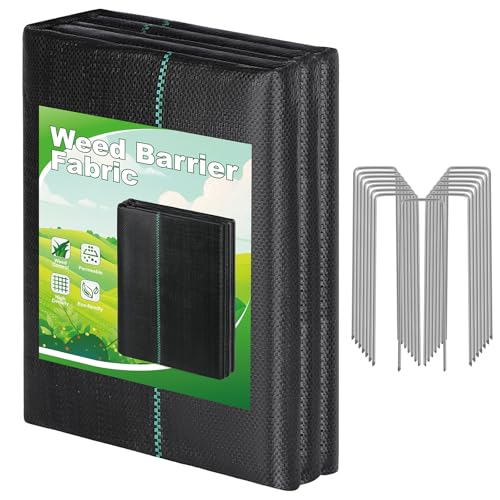
FEED GARDEN 4FT x 50FT Heavy Duty Weed Barrier Fabric

Acostop Natural Dry Wheat Straw for Garden Mulch

Halatool 2 Pcs Coco Husk Chips pH Balanced Compressed

Coco Chips Mulch Brick 10lbs Organic Coconut Husk Chips
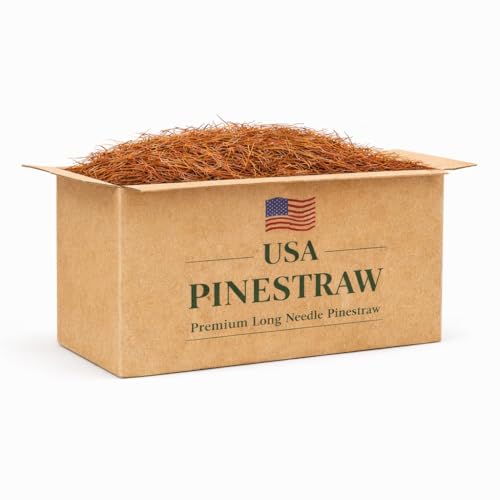
Long Needle Pine Straw Mulch 65-80 Sqft USA Pinestraw
More On The Choices That Made The List
If you tend a small patio garden or a row of hanging baskets, the SuperMoss Coco Mulch brick earns its keep. The compressed 200-cubic-inch block rehydrates quickly in water and fluffs up into a soft, fibrous layer that looks neat against terracotta or ceramic pots. Because it starts as a renewable coconut-husk byproduct, it sidesteps the sustainability concerns that come with peat-based options.
Once hydrated, the material holds moisture close to the root zone, which matters in summer when containers dry out faster than in-ground beds. The natural brown tone also reads as finished mulch rather than raw coir, so it works in display areas where appearance counts.
Notable Upsides
- Compact brick form stores neatly on a shelf until needed
- Holds water well around thirsty container plantings
- Clean, uniform brown color suits visible patio displays
- Renewable coconut-husk source appeals to eco-minded gardeners
Things To Consider
- Small 200 in³ volume makes it impractical for large landscape beds
- Requires soaking and breaking apart before use, adding prep time
Key Specs
Who It Suits Best
Apartment gardeners and patio growers who want a tidy, moisture-retentive mulch for containers and hanging baskets without hauling full bales.
Consider Something Else When
Homeowners covering larger flower or shrub beds may get better mileage from Coco Chips Mulch Brick 10lbs Organic Coconut Husk Chips, which delivers far more volume per order.
Compared to the soft SuperMoss brick above, the Legigo Coco Chips lean chunky. That texture is exactly what orchids, anthuriums, and other epiphytes (plants that naturally grow on tree surfaces rather than in soil) want around their roots, because it lets air circulate while still holding a steady drink of moisture. The two-pack format gives you a combined 2.2 pounds of screened, rinsed coir that drops straight into a pot.
You can also blend these chips into a larger garden bed as a coarse top-dress layer. The pieces interlock just enough to stay in place during a heavy rain, yet they break down slowly enough that you won’t be replacing them every few weeks.
The Practical Payoff
- Chunky texture promotes airflow around sensitive root systems
- Pre-rinsed and screened, so salts and debris stay minimal
- Works as orchid media or as a coarse landscape top-dress
Worth Noting
- Not ideal for fine-rooted seedlings that need a smoother medium
- Chips float briefly when first watered, so pots need a settling period
Made For
Collectors of orchids, bromeliads, and tropical houseplants who need an airy, long-lasting potting medium that mimics the bark these species grow on in nature.
Look Elsewhere When
Vegetable gardeners building a thick moisture-retaining layer over a full bed will appreciate HealthiStraw GardenStraw 3 cu ft All-Natural Wheat Straw Mulch more, since it spreads much farther at once.
Vegetable plots eat through mulch faster than ornamental beds, so volume matters. The HealthiStraw GardenStraw arrives as a 3 cu ft bale of cleaned wheat straw, which translates to roughly 20 pounds of material ready to fluff apart and lay down. It suits vegetable gardens, raised beds, herb plantings, and even bare lawn patches you want to overseed.
The straw is filtered to strip out most dust and stray seed heads, so you spend less time pulling volunteer wheat plants later in the season. As it breaks down, the carbon-rich residue feeds compost piles and amends the underlying soil, a meaningful bonus for organic-minded gardeners.
Features That Help
- Large 3 cu ft volume covers a full vegetable bed or several raised boxes
- Filtering process reduces unwanted seed germination
- Carbon-rich material enriches compost when it decomposes
- Light enough to lift and spread by hand without tools
Trade Offs
- Breaks down faster than bark or coir, requiring seasonal top-ups
- Bright golden color fades quickly under sun and rain
Feature Snapshot
Best Suited To
Edible-garden growers managing larger plots who need breathable, compost-friendly mulch that breaks down into soil-improving organic matter at season’s end.
Swap It Out When
Gardeners chasing a tidy, long-lasting landscape look around shrubs may prefer Long Needle Pine Straw Mulch 65-80 Sqft USA Pinestraw, which holds its shape through a full year.
Mulch alone rarely wins a war against aggressive perennial weeds. The FEED GARDEN Weed Barrier takes a different approach: a 4-foot by 50-foot roll of woven geotextile fabric that blocks sunlight while letting water and air reach the root zone below. You can lay it under bark, gravel, or decorative stone, and it arrives with 15 garden staples to anchor the edges.
The woven construction feels more substantial than the thin non-woven sheets you often see at big-box stores. You may find this matters on slopes or in high-traffic garden paths where lighter fabrics tear or shift after a season of foot traffic.
Benefits That Matter
- Breathable weave allows water and air penetration to roots
- Wide 4-foot roll covers a bed in fewer seams
- Includes 15 staples for anchoring without separate purchases
- Compatible with mulch, gravel, or stone overlay
Points To Note
- Requires cutting and fitting around existing plants
- Installation takes longer than simply spreading loose mulch
Right Fit For
Homeowners establishing new beds or reclaiming overgrown areas who want a long-term foundation layer that suppresses weeds across multiple seasons.
A Better Fit Elsewhere
Those working small vegetable plots with seasonal crops will find HealthiStraw GardenStraw 3 cu ft All-Natural Wheat Straw Mulch easier to refresh each year without tearing up fabric.
Where the HealthiStraw leans toward cleaning and refinement, the Acostop Natural Dry Wheat Straw keeps things simple. Sun-dried and free of chemical treatments, it works as a basic spring mulching material for soil and plants, and even doubles as bedding for outdoor animal shelters if you keep chickens or rabbits. The straw breaks down naturally into the soil, adding structure rather than leaving plastic or synthetic residue behind.
For gardeners who plan to refresh mulch once or twice a year and want a low-commitment option, this straw delivers the moisture-retention and weed-shadowing basics without extras.
Useful Strengths
- Chemical-free sun-dried straw safe around edible plants
- Multi-purpose use across gardens and small animal shelters
- Breaks down into soil-improving organic matter
Room For Improvement
- Less rigorous filtering than premium wheat straw, so a few stray seeds may sprout
- Lighter color fades quickly under direct sun
Quick Facts
Who Should Grab It
Budget-minded gardeners and small homesteaders needing an affordable, multipurpose straw that handles both garden beds and outdoor animal spaces.
Another Choice May Suit
Homeowners wanting a cleaner, longer-lasting landscape finish around shrubs may lean toward Long Needle Pine Straw Mulch 65-80 Sqft USA Pinestraw for a tidier visual result.
New to coir mulch and unsure about salt content or pH balance? The Halatool Coco Husk Chips address both worries directly. Each pack includes two compressed bricks weighing about 1.1 pounds apiece, and the manufacturer notes the chips carry low EC (electrical conductivity, a measure of soluble salt content) and a balanced pH suitable for most ornamentals and edibles.
Each brick measures roughly 7.87 by 3.93 by 1.97 inches, which expands to around 7 quarts of loose chips once hydrated. For someone setting up a small herb garden or refreshing a few planters, two bricks is a comfortable starter quantity without committing to a 10-pound bulk bag.
Points In Its Favor
- Low EC and pH balanced for sensitive plant species
- Two-brick pack suits small starter projects
- Compressed form ships and stores efficiently
Honest Caveats
- Two-brick quantity may run short for multi-bed projects
- Chips require soaking time before they reach full volume
Whose Shelf It Belongs On
First-time coir users and apartment gardeners who want a forgiving, balanced product to experiment with across a few small containers.
Reach For A Different Pick When
Anyone overhauling an entire yard will benefit more from Coco Chips Mulch Brick 10lbs Organic Coconut Husk Chips, which delivers substantially more material in a single order.
If the Legigo two-pack feels modest, the Plantonix Coco Chips Mulch Brick scales things up considerably. A single 10-pound compressed brick expands into a generous volume of coarse coconut-husk chips suitable for garden beds, landscaping installations, container plantings, and tropical gardens. The longer-lasting structure of the chips means you won’t be re-mulching every few weeks.
Where fine shredded mulches mat down and shed water, these chunky pieces interlock into a loose, airy layer. For moisture-retentive plantings like blueberries or hydrangeas, that airflow makes a meaningful difference during humid stretches.
Real-World Strengths
- 10-pound brick covers multiple beds or large containers
- Coarse chip structure lasts longer than shredded mulch
- Works across tropical plants, shrubs, and ornamentals
Some Limits To Know
- Bulk brick requires a large soaking container to rehydrate
- Chip texture feels coarse underfoot in barefoot garden paths
Technical Reference
Perfect Match For
Landscape enthusiasts managing multiple beds or larger properties who want a long-lasting coconut-based mulch they can spread widely without frequent reorders.
Not Your Match When
Vegetable gardeners wanting mulch that breaks down quickly to feed the soil may prefer HealthiStraw GardenStraw 3 cu ft All-Natural Wheat Straw Mulch for its compost-friendly end-of-life behavior.
The USA Pinestraw bale finishes this roundup on a different note. Long-needle pine straw covers roughly 65 to 80 square feet per bale and lays down into the kind of soft, rust-colored blanket you see in professionally maintained Southern landscapes. The needles interlock once settled, which helps them stay in place on slopes and through heavy rain better than loose shredded mulch.
Sourced from sustainable pine forests, the material suppresses weed germination, holds soil moisture, and reduces erosion on sloped beds. For homeowners prioritizing curb appeal around foundation plantings, this is often the visual standard they have in mind.
What Works In Its Favor
- Long needles interlock for slope and rain stability
- Covers up to 80 sq ft per bale for foundation beds
- Sourced from sustainable USA pine forests
- Visual finish matches professionally landscaped properties
Factors To Consider
- Slightly acidic as it breaks down, which may not suit every plant
- Lightweight material can shift in exposed windy locations
Built With In Mind
Homeowners maintaining front-yard foundation beds and sloped landscapes who want a tidy, organic mulch with a recognizable professional appearance.
Skip It When
Vegetable gardeners building beds for alkaline-loving crops should look at Coco Chips Mulch Brick 10lbs Organic Coconut Husk Chips for a neutral pH that won’t shift soil chemistry.
What To Weigh Before Choosing Mulches For Garden Beds
Match The Mulch To The Planting
The right mulch depends entirely on what you are growing. Vegetable gardens benefit from fast-decomposing straw or chopped leaves that feed the soil by season’s end. Ornamental foundation beds reward longer-lasting materials like pine straw or coir chips that hold their appearance through multiple seasons. Container plants and orchids need an airy, moisture-retentive medium rather than dense shredded bark, which is why coco chip products dominate that corner of the market.
Think About How It Breaks Down
Every organic mulch eventually returns to the soil, but the timeline varies. Wheat straw and similar lightweight materials typically last one growing season before needing replacement, while coconut husk chips and pine straw can persist for two seasons or longer depending on climate. A mulch that breaks down quickly adds organic matter and supports compost systems, while a slower mulch reduces maintenance labor. Your decision should reflect whether you value soil building or low upkeep more.
Consider Local Conditions
Climate changes how mulch performs. In hot, dry regions, moisture retention matters most, and chunky mulches that interlock tend to outperform loose shredded varieties. On slopes, lightweight materials can wash away, making heavier options or landscape fabric underlays worth the extra investment. Gardeners in wildfire-prone areas may prefer mineral mulches or stone rather than flammable organic options, a practical consideration for anyone in those zones.
Plan For The End-Of-Life Cycle
Organic mulches need refreshing, so factor replacement into your budget and schedule. Buying a slightly larger quantity than you need right now means you will have backup material on hand when the layer thins out, rather than scrambling to reorder mid-season.
Key Considerations Across These Picks
Common Shopping Slip Ups
A frequent misstep is choosing mulch based purely on color or texture without thinking about how it interacts with existing soil pH. Pine straw and some bark products gradually acidify the soil as they decompose, which suits blueberries and azaleas but stresses vegetables that prefer neutral conditions. Another mistake is laying mulch too thick, which can suffocate root systems and invite fungal issues. A 2 to 3 inch layer is usually the sweet spot for most garden beds.
What The Higher Tier Buys
Premium mulch options often command higher prices because of stricter cleaning, sourcing standards, and packaging convenience. A filtered wheat straw like HealthiStraw reduces volunteer grain sprouts, while compressed coconut bricks offer shipping efficiency that loose mulch cannot match. The upgrade pays off when you value cleanliness, longer persistence, or easier handling, but for short-season vegetable plots where the material will be tilled under anyway, a basic straw product performs nearly as well.
Frequently Asked Questions
How often should mulch be replaced in garden beds?
Most organic mulches need refreshing once a year, typically in early spring before active growth begins. Faster-decomposing materials like wheat straw may need topping up mid-season, while longer-lasting options like pine straw or coconut chips can stretch to two seasons under moderate conditions.
Can I mix different mulch materials in the same bed?
Mixing is fine and often practical. A base layer of heavier mulch topped with a finer decorative layer can balance appearance and function. Just avoid layering materials so thickly that water cannot penetrate to the soil below.
Is dyed mulch safe for vegetable gardens?
Most dyed mulches carry colorants that are not intended for soil contact with edible crops. For vegetable beds, undyed natural mulches like wheat straw, pine straw, or untreated coconut coir are safer choices that avoid introducing unnecessary chemicals.
How deep should mulch be applied?
Two to three inches is the standard recommendation for most garden beds. Thinner layers allow weed seeds to germinate, while thicker layers can block water and air from reaching roots, particularly in finer-textured mulches.
Do I need to remove old mulch before adding new?
Removing old mulch is optional. A light raking to loosen compacted material is usually enough before adding a fresh layer on top. Full removal makes sense only when the old mulch has matted into a water-shedding surface or shows signs of fungal growth.
The Takeaway
Mulch is one of the few garden investments that pays you back through lower water bills, fewer weeding sessions, and healthier soil over time. Start by matching the material to your planting type and climate, then layer it correctly and refresh it on a steady rhythm. The right pick here depends less on the mulch itself and more on the bed you are building underneath it.
