

A good mulch layer changes the whole rhythm of a garden, holding moisture through hot afternoons, keeping roots cool, and slowing weed growth so you can spend less time weeding and more time enjoying your beds. The trick is matching the material to your soil type, climate, and what you actually grow. This guide walks through eight solid options worth a look, from cocoa shells to coconut husk chips to wheat straw, so you can pick a mulch that fits how you garden.
An Overview Of The Picks

SuperMoss Coco Mulch Mini Bale (Natural Brown)

SuperMoss Orchid Potting Bark (4 quarts)

Legigo 2 Pack Coco Chips for Plants

HealthiStraw GardenStraw 3 cu ft Wheat Straw

Acostop Natural Dry Wheat Straw Mulch
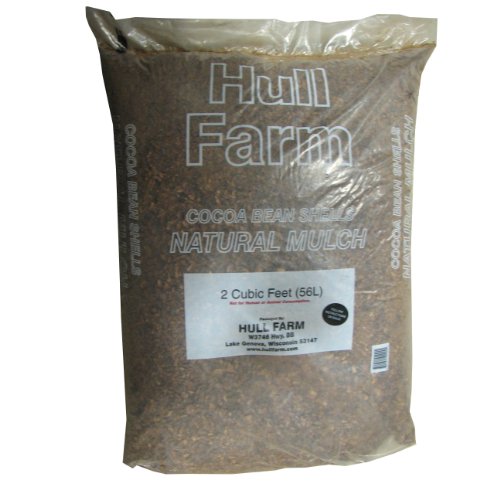
Hull Farm Cocoa Bean Shell Mulch 2 cu ft

Halatool 2 Pcs Coco Husk Chips for Plants

Halatool 10LBS Coco Husk Chips for Plants
Inside Each Recommended Option
If you only need a small bale to dress up a few patio containers or hanging baskets, this compact coconut coir block from SuperMoss earns its place in the shed. The 0.6 cubic foot format hydrates fast in a bucket, and the natural brown color blends well with terracotta and wood planters.
It works especially well for indoor plant top dressing where heavier bark mulches tend to float or shift. You may find the bale a touch small for full backyard beds, but for tight urban setups it handles moisture control without any synthetic feel.
Reasons It Performs
- Compact bale that expands quickly once water hits it, so a little goes a long way for small planters.
- Natural brown tone looks tidy against foliage and suits both indoor and outdoor pots.
- Lightweight before hydration, which makes it easy to carry up stairs or out to a balcony garden.
Things To Consider
- At 0.6 cubic foot it falls short for anything larger than a couple of mid-sized containers.
- Coir fibers can dry out between waterings, so monitor moisture if your pots sit in full sun.
Who It Suits Best
Apartment gardeners and balcony growers who want a tidy coconut coir layer for a few pots without buying in bulk.
Where Another Pick Suits Better
Anyone topping full vegetable rows should reach for HealthiStraw GardenStraw instead, since the volume and coverage are built for outdoor beds.
Orchids ask for a particular kind of mulch, and SuperMoss’s Douglas-fir bark delivers the chunky, airy feel these epiphytes (plants that naturally grow on trees rather than in soil) need around their roots. The four-quart bag handles a few medium orchid pots with a little to spare.
Compared to the soft coconut mulch from Item 1, this bark gives a coarser texture that resists compaction, which matters when orchid roots want airflow as much as moisture. It’s a focused product for a focused job.
Features That Help
- Douglas-fir bark pieces create natural air pockets, helping prevent root rot in orchids.
- Four-quart volume covers several standard orchid pots without excess waste.
- Works as both a potting medium and a top dressing for already-potted orchids.
Worth Noting
- Bark breaks down over time, so repotting every couple of years is wise to keep drainage sharp.
- Less versatile than a general mulch; outside orchids it doesn’t suit most vegetable beds.
Quick Facts
Made For
Orchid keepers and indoor plant collectors who want a bark blend that supports healthy root airflow.
Skip It When
Outdoor vegetable growers will get far more value from Halatool 10LBS Coco Husk Chips, which scales better to landscape beds.
Legigo ships two compressed coco chip bricks totaling 2.2 pounds, and that dual-pack format gives you some flexibility to spread the material across seed trays, houseplants, and small garden sections. Each brick hydrates into a generous mound of fluffy coir.
The chips are screened and rinsed to reduce salt content, which matters more than many gardeners realize. Salt buildup can stress seedlings and sensitive tropicals, so a low-sodium medium is a quiet upgrade you feel over time.
Standout Benefits
- Two-brick pack lets you stage usage across multiple projects without opening everything at once.
- Rinsed coir chips lower the risk of salt damage to young seedlings and orchids.
- Organic composition fits naturally into vegetable and herb gardens.
Trade Offs
- Bricks require soaking and breaking apart before use, so plan a few extra minutes during setup.
- Coarser chips dry faster on top than finer mulches, so top-dressed pots may need more frequent watering checks.
Right Fit For
Indoor growers who start seeds, mix their own blends, or want a clean organic mulch for a small vegetable patch.
A Better Fit Elsewhere
For a single dense bed that needs a thick straw layer, HealthiStraw GardenStraw delivers more coverage with less prep.
HealthiStraw’s 3 cubic foot bale of cleaned wheat straw is the kind of mulch that quietly does the work in a vegetable garden without any fuss. The straw is screened to remove much of the dust and weed seeds, so you’re not just trading one problem for another.
The 4-pack configuration covers a meaningful footprint, and wheat straw has a long track record of holding moisture while still letting rain reach the soil. For raised beds, this is one of those unglamorous choices that keeps paying off across an entire growing season.
Strong Points
- Sustainably sourced wheat straw is screened for dust and as many residual seeds as possible.
- Large volume per bale suits vegetable rows, raised beds, and even light lawn repair patches.
- Straw breaks down into compost-friendly carbon, enriching the soil over time.
Room For Improvement
- Loose straw can blow around in exposed beds until it settles, so a light watering after spreading helps.
- Not as visually tidy as cocoa shells or dark bark, which may matter in front-yard flower beds.
Feature Snapshot
Best Suited To
Vegetable gardeners and homesteader types who want a natural straw layer that holds moisture and feeds the soil as it breaks down.
Look Elsewhere When
Formal flower beds where color and finish matter more than function will read better with Hull Farm Cocoa Bean Shell Mulch.
Acostop’s dry wheat straw comes across as a no-frills spring mulch, sun-dried and free of chemical treatments. It’s the kind of bag you’d grab at the start of the season to refresh a strawberry patch or insulate newly planted perennials.
Straw like this also doubles as a soft bedding layer for outdoor cat shelters and small animal hutches, which the product listing mentions openly. For gardeners, the appeal is the chemical-free profile and the way it tucks neatly into row spaces.
Practical Advantages
- Sun-dried wheat straw with no chemical treatments, so it fits organic gardening routines.
- Light, fluffy texture spreads easily by hand and settles into row gaps.
- Useful for both plant beds and small animal shelters around the yard.
Points To Note
- Without a thorough cleaning process, occasional wheat grains can sprout in moist beds.
- Dries to a pale gold color that some gardeners find less polished than darker mulches.
Who Should Grab It
Spring gardeners and small property owners who want a versatile straw for both beds and outdoor pet shelters.
Another Choice May Suit
Anyone prioritizing a screened, low-seed straw for larger vegetable plots will prefer HealthiStraw GardenStraw.
Hull Farm’s cocoa bean shell mulch carries a deep chocolate color and that distinctive faint cocoa aroma, which is why it shows up so often around flower beds and decorative borders. The two-cubic-foot bag covers a tidy ornamental area.
Unlike the coconut products earlier in this list, cocoa shells bring a small nutrient boost to the surface layer as they break down. They stay loose rather than matting, which keeps the bed looking freshly groomed for longer stretches between refreshes.
Why It Works Well
- Rich brown color adds contrast against green foliage and flowering plants.
- Light cocoa aroma gives the bed a pleasant scent right after spreading.
- Won’t burn vegetation while slowly contributing a modest nutrient kick to the soil.
Some Limits To Know
- Cocoa shells can be toxic to dogs that ingest them, so caution is warranted in pet households.
- Mold can develop in persistently wet conditions, especially in shaded beds that don’t dry between rains.
Perfect Match For
Ornamental gardeners and front-yard designers focused on color contrast and a polished finish.
Reach For A Different Pick When
Pet households with curious dogs will sleep easier with Halatool 10LBS Coco Husk Chips, which avoids the chocolate-related risk entirely.
Halatool offers two compressed bricks of coco husk chips totaling 2.2 pounds, and the marketing points at pH-balanced, low-EC material that plays nicely with herbs, ornamentals, and orchids. Each brick swells to roughly seven quarts once soaked.
Compare that to the Legigo set from earlier in this list, and the format looks similar, though Halatool pushes the pH balance angle more directly. For hobbyists mixing custom blends or repotting sensitive plants, that specification is worth noticing.
What Makes Sense
- pH-balanced chips reduce the need to amend with lime for most common herbs and ornamentals.
- Compressed format saves storage space and stays tidy on a garage shelf.
- Coir chips support moisture retention and airflow simultaneously in mixed containers.
Honest Caveats
- Brick expansion needs a wide soaking tub, so prep area matters if you garden in tight quarters.
- Volume per brick is modest once expanded, so larger landscaping jobs will run through the pack quickly.
Who Will Love This
Container gardeners and hobbyist mixers who want a clean, balanced coir chip for small custom blends.
Swap It Out When
Big landscaping projects benefit from Halatool 10LBS Coco Husk Chips, where the larger brick delivers substantially more volume per unit.
The 10-pound compressed coco brick from Halatool is the heavyweight of the lineup, swelling to around 72 quarts once hydrated. That’s enough volume to top dress a sizeable landscape bed or repot a small collection of large containers.
Where the smaller Halatool pack from earlier suits tight hobby work, this brick is built for scale. It’s also marketed as a reptile substrate, which speaks to its clean, low-dust character, useful beyond just planting.
Useful Highlights
- Single 10-pound brick yields around 72 quarts of hydrated coir, covering serious ground.
- Absorbs and releases water steadily, helping beds stay cooler through hot stretches.
- Doubles as a clean substrate for reptile enclosures, broadening its usefulness around the home.
What To Weigh
- One big brick is awkward to handle once expanded; soaking and breaking it up takes planning.
- Over-hydration leaves a soggy layer, so aim for moist-but-fluffy consistency before spreading.
Feature Rundown
Built With In Mind
Landscape gardeners and serious container growers who want a single purchase to cover a meaningful area.
Where A Sibling Pick Shines
For compact orchid setups, SuperMoss Orchid Potting Bark still leads with its chunky Douglas-fir texture.
Choosing The Right Mulch For Your Garden
Mulch type matters more than most gardeners expect. Coconut coir products hold moisture and look tidy in containers, while wheat straw excels in vegetable rows where breathability and soil-building matter most. Cocoa shells bring visual drama but introduce pet-safety considerations that straw and coir don’t share.
Match material to climate first. Hot, dry regions benefit from thicker moisture-retaining layers, while humid gardens need mulches that dry out between rains to avoid mold. Volume matters too: a 0.6 cubic foot bale suits a balcony, but a full backyard needs multi-cubic-foot coverage to spread two to three inches deep.
Key Considerations Across These Picks
Mistakes Worth Dodging
Picking a mulch purely for color often backfires when the material doesn’t suit the plant. Cocoa shells look beautiful but can sicken dogs, and fine mulches can mat into a rain-blocking crust. Read the actual use sites listed for each product before committing.
What Separates Premium From Basic
Compressed coir bricks cost more per bag than loose straw but expand several times over, which lowers the effective cost per square foot. Premium orchid bark is priced higher because the Douglas-fir texture supports specific root needs that generic wood chips cannot. Pay more when the plant demands it; save when volume is the goal.
Frequently Asked Questions
How thick should mulch be applied in a garden?
Most garden mulches perform best at two to three inches deep, which suppresses weeds without suffocating plant roots. Coarser mulches like cocoa shells often settle, so you may need to top up over the season.
Which mulch is safest for vegetable gardens?
Wheat straw and coconut coir products are both common picks because they break down into compost-friendly residue without introducing chemicals. Cocoa shells work too but require extra caution around pets that roam the yard.
Can cocoa bean shell mulch harm pets?
Cocoa shells can be toxic to dogs if eaten in quantity, so households with curious pets often choose straw or coir instead. The risk varies by dog size and amount ingested, but it’s a known concern worth weighing.
How often does mulch need to be replaced?
Most organic mulches benefit from a yearly refresh, with full replacement every two to three years as the bottom layer breaks down into the soil. Visual fading and thinning are usually the first signs it’s time to top up.
Do compressed mulch bricks expire if left unopened?
Compressed bricks store well for years in dry conditions since the material is essentially dehydrated fiber. Once opened or hydrated, use them within a reasonable window to avoid microbial growth.
Closing Remarks
The best mulch for your garden comes down to what you grow, how much space you have, and whether pets share the yard. Coconut coir products handle containers with ease, wheat straw shines in vegetable beds, and cocoa shells add polish where animals won’t wander. Pick a material that matches your routine, spread it at the right depth, and your soil will thank you through every season.
