

Rhododendrons are shallow-rooted, acid-loving evergreens that sulk when the soil around them swings hot and dry. A thoughtful mulch keeps roots cool, slows moisture loss, and slowly nudges pH in the direction these shrubs actually want. The right pick depends on your climate, your soil, and how tidy you want the bed to look through the seasons. The eight mulches below cover the most common situations home gardeners run into, from big landscape refreshes to small container work.
A Snapshot Of The Selections

Galapagos Cypress Tank Mulch 8-Quart Natural

AVALUTION Orchid Potting Bark 18QT Organic Pine Bark

Gro-Med Coco Husk Chips 10lb Compressed
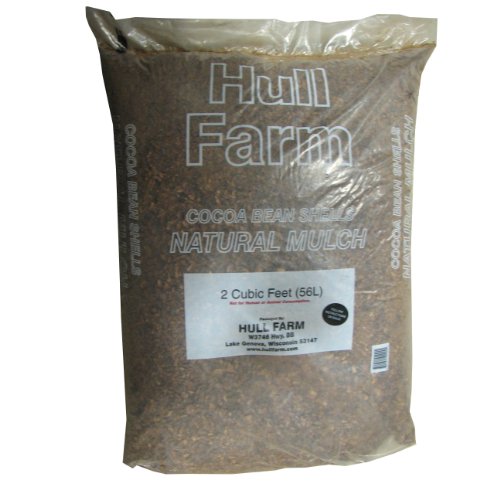
Hull Farm Cocoa Bean Shell Mulch 2 cu ft

Rubberific Rubber Mulch Bagged Brown
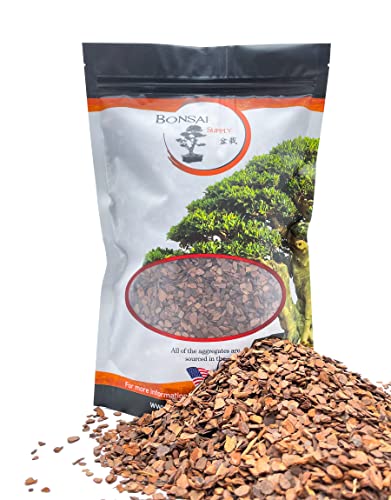
Pine Bark Nugget Fines 2qt 1/4-Inch

Bigmeta 8qt New Zealand Pine Bark 1/2-3/4-Inch
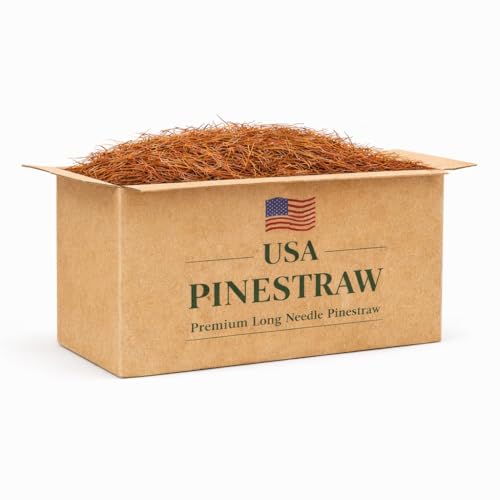
USA Pinestraw Long Needle Pine Straw Mulch
The Details Behind The Selections
Cypress mulch earns its spot on rhododendron lists for one main reason: it breaks down slowly and tends to stay slightly acidic as it ages, which is exactly the soil environment these shrubs prefer. The Galapagos 8-quart bag arrives in a resealable package, which is handy if you only mulch a container or two and want the rest to stay fresh in the garage.
For most home gardeners, this size is a better fit for potted rhododendrons, a pair of front-porch planters, or a small starter bed than a full landscape overhaul. Compared to the bark products later in this list, cypress tends to hold its reddish tone a bit longer and resist floating away during heavy rain.
Where It Helps
- Slow decomposition keeps the bed covered through a full growing season.
- Mildly acidic profile matches what rhododendrons naturally prefer in the root zone.
- Resealable 8-quart bag prevents unused mulch from drying out between applications.
- Works as a topdress over container soil where root space is limited.
Things To Consider
- 8 quarts covers very little ground, so expect to need multiple bags for a full shrub border.
- Cypress mulch can crust on top during long dry stretches; a quick rake restores the look.
Who It Suits Best
Container gardeners with a few potted rhododendrons on a patio or balcony benefit most from this small, manageable bag.
Where Another Pick Suits Better
For a full bed refresh, the AVALUTION Orchid Potting Bark gives you the same acidic bark character in a much larger 18-quart volume.
Pine bark is the workhorse mulch for acid-loving shrubs, and this 18-quart bag from AVALUTION gives home gardeners enough volume to actually refresh a mature rhododendron bed. The bark pieces land in a useful middle range, around 0.8 to 1.3 inches, which is the sweet spot for both airflow around the base of the shrub and moisture retention across the root zone.
If your rhododendrons sit in a row along a fence or foundation, one or two of these bags typically covers the job. The same bark that suits orchids suits these shrubs, since both want quick drainage and a slightly acidic feed as the bark ages.
Positive Points
- Generous 18-quart size covers several mature shrubs in a single purchase.
- Mid-size bark pieces allow water and air to reach feeder roots without drying the bed.
- Natural pine origin slowly acidifies the top layer of soil as it breaks down.
- Doubles as a potting component if you mix it into soilless blends for container specimens.
Worth Noting
- Bark floats during heavy rain until it settles, so watering gently at first helps.
- Some bags include a noticeable amount of fines, which can compact if applied too thick.
Built With In Mind
Homeowners refreshing a full bed of established rhododendrons in a single weekend project will get the most value from this larger bag.
Consider Something Else When
For gardeners who prefer a finer, more uniform surface texture, the Pine Bark Nugget Fines from The Bonsai Supply delivers a tidier look at a much smaller volume.
Coco husk chips come from coconut hulls and behave a lot like bark in the bed, with a pH that sits close to neutral and a structure that resists compaction. The Gro-Med block arrives compressed into a 10-pound brick, which is the real headline for gardeners short on shed space. Add water, break the brick apart, and it expands into a fluffy mulch that spreads across a wide area.
This option works especially well for gardeners without a truck who want to skip the bulky bag. Compared to the pine bark picks above, coco chips hold moisture a touch longer, which can be a quiet plus during dry July stretches.
Where It Delivers
- Compressed 10-pound brick stores on a shelf and expands when soaked.
- Chip structure keeps air moving around shallow rhododendron roots.
- Low salt content and balanced pH suit acid-loving shrubs without drastic swings.
- Listed by OMRI for gardeners who prioritize organic-compliant inputs.
Trade Offs
- Requires soaking and breaking apart before use, which adds prep time.
- Chips can dry out on top during heat waves, so a refresh mid-summer is wise.
Key Specs
Right Fit For
Apartment dwellers and gardeners with minimal shed space who still want a real mulch rather than a tiny starter bag.
Skip It When
If you want a tidier, more natural-looking surface that mimics woodland soil, the USA Pinestraw Long Needle Pine Straw Mulch blends in better under mature landscape plantings.
Cocoa shell mulch has a deep, chocolate-brown color and a finer texture than most bark products, which gives rhododendron beds a polished, finished look. The Hull Farm 2-cubic-foot bag suits homeowners who care as much about curb appeal as soil health, since the shells lay flat and form a clean surface that frames the shrub nicely.
Beyond looks, the shells carry a mild nutrient charge and tend to stay in place during rain once they settle. For rhododendrons, the finer texture does a good job of shading out weeds around the shallow root zone, which is where these shrubs are most vulnerable to competition.
Key Advantages
- Deep brown color creates a strong contrast against glossy rhododendron leaves.
- Finer particles knit together and resist wash-away better than chunky bark.
- Mild nutrient profile feeds the top layer of soil without burning tender roots.
- Two cubic feet covers a medium foundation bed or several grouped shrubs.
Honest Caveats
- Shells can mold in damp, shaded spots during cool wet seasons.
- Color fades faster than bark under direct afternoon sun.
Made For
Homeowners who want a refined, dark mulch under foundation rhododendrons where appearance matters as much as function.
Not Your Match When
Gardeners with dogs should know cocoa shell mulch can be problematic around curious pets, in which case the AVALUTION Orchid Potting Bark is a safer swap.
Rubber mulch sits outside the typical organic-mulch conversation, but it shows up in real shopping searches, so it deserves an honest read. The Rubberific Brown bag is shredded rubber that holds its color, doesn’t decompose, and won’t need refreshing each spring. For paths, play areas, and tree wells where you want a permanent surface, that longevity is the draw.
For rhododendron beds specifically, this is not a great match. These shrubs want organic matter breaking down into the root zone, and rubber does the opposite. Use it around the bed’s edges or in surrounding hardscape instead.
A Favorable Mix
- Won’t need seasonal top-ups like bark or straw.
- Holds color through UV exposure for years without fading quickly.
- Doesn’t float, blow away, or attract insects the way some organics can.
Points To Keep In Mind
- Does not feed soil or improve structure over time like organic mulches.
- Can hold heat against stems in full sun, which stresses shallow roots.
- Not the right pick for the actual rhododendron root zone, only the surrounding hardscape.
Best Suited To
Homeowners who want a permanent, low-maintenance surface in walkways and play zones adjacent to rhododendron plantings.
A Better Fit Elsewhere
If the goal is actually improving the bed around your shrubs, the USA Pinestraw Long Needle Pine Straw Mulch gives you natural ground cover that breaks down to feed the soil.
Fine-particle pine bark sits in a different niche than the chunky mulch most people picture. The Bonsai Supply 2-quart bag ships bark particles in the 3 to 6 millimeter range, which produces a smooth, almost soil-like surface that suits small containers and bonsai-style rhododendron presentations. Fine bark absorbs fertilizer solutions well and releases them gradually back to the root zone, which fits the steady-feed approach these shrubs respond to.
Two quarts is a small volume, so this is more of a finishing product than a primary mulch. For container gardeners who already use a coarser bark and want a polished top layer, it does the job without the visual heaviness of larger nuggets.
Good Reasons To Consider
- 1/4-inch particle size lays flat for a tidy, uniform surface.
- Absorbs and slowly releases liquid feeds, suiting container culture.
- Domestic pine source keeps the input consistent from bag to bag.
- Light enough to refresh potted specimens without compacting roots.
Some Limits To Know
- Two-quart volume goes fast on anything larger than a single small pot.
- Fine particles can crust at the surface if allowed to dry out completely.
Quick Facts
Who Should Grab It
Container gardeners with a prized potted rhododendron or small bonsai want a refined surface this product delivers.
Reach For A Different Pick When
For broader landscape coverage, the AVALUTION Orchid Potting Bark gives you the same pine character in a far larger volume.
Where most pine bark products land in the middle of the size range, the Bigmeta bag from New Zealand pine pushes toward larger nuggets, 1/2 to 3/4 inch across. That bigger particle size pays off in heavy or slow-draining soil, since the gaps between nuggets let water and air reach the root zone rather than sealing the surface.
The bark is sun-dried rather than kiln-dried, which preserves more of the natural resin content and gives it a longer working life in the bed. If your rhododendrons sit in clay or amended clay soil, the airflow this product delivers makes a noticeable difference over a few seasons.
Noteworthy Benefits
- Larger nugget size opens the bed for better airflow in dense soils.
- Sun-dried processing extends useful life in the landscape.
- New Zealand pine origin tends to be consistent and low in contaminants.
- Drains quickly after rain, reducing crown-rot risk around the trunk.
Where It Is Less Suited
- Nuggets can float during heavy rain until the bed settles.
- Larger pieces shift underfoot, so it is not ideal near walkways.
Feature Snapshot
Whose Shelf It Belongs On
Garden owners with heavy or slow-draining soil who need to keep air moving around rhododendron roots.
Look Elsewhere When
For gardeners with sandy, fast-draining soil, the finer Pine Bark Nugget Fines from The Bonsai Supply holds moisture more reliably.
Long-leaf pine straw comes from southeastern pine forests and lays down into a loose, airy mat that mimics the natural duff under woodland rhododendrons. The USA Pinestraw bale covers roughly 65 to 80 square feet, which makes it the most efficient pick on this list for large, established shrub borders.
Needles interlock once they settle, holding the bed in place during heavy rain better than loose bark. As the straw breaks down, it adds organic matter to the top layer of soil and supports the slightly acidic environment rhododendrons want.
Real Benefits
- Single bale covers a wide bed, which reduces the number of purchases per project.
- Long needles interlock to resist wash-away in storms.
- Natural acidity supports rhododendron root health as it decomposes.
- Lightweight and easy to spread without tools.
Factors To Consider
- Color fades from fresh rust to gray over a single season.
- Bales arrive compressed and shed needles during unpacking.
The Numbers That Matter
Perfect Match For
Homeowners with large, naturalistic rhododendron borders who want broad coverage from a single bale.
Swap It Out When
For tight, formal foundation beds, the Hull Farm Cocoa Bean Shell Mulch gives a neater, more decorative finish.
What Matters Most Before Choosing Mulches For Rhododendrons
Rhododendrons want three things from a mulch: acidity, airflow, and consistent moisture. Acidic materials include pine bark, pine straw, cypress, and to a lesser degree coco husk. Airflow comes from particle size, where larger chunks keep the bed open and fines knit a tighter surface. Moisture control is the balancing act: too fine and the bed stays soggy, too coarse and water runs off before soaking in. Match the particle size to your existing soil, since dense clay wants more airflow and sandy soil wants more coverage.
Depth matters as much as material. Aim for 2 to 3 inches over the root zone, keeping the mulch a few inches away from the main stem to prevent rot. Refresh annually, since organic mulches break down into the bed over time and need topping up. Fresh mulch also buries fresh weed seeds before they sprout.
Consider how the bed is used. A high-visibility foundation planting rewards darker, finer mulches like cocoa shells or bark fines. A woodland border rewards loose pine straw. A container garden wants finer textures that won’t shift around in the wind.
Key Considerations Across These Picks
Pitfalls Shoppers Hit
Skipping particle size is the most common mistake. A bark mulch that works beautifully in loam can smother roots in clay. Pull back from the trunk every spring, since piled mulch against stems traps moisture and invites rot. Avoid dyed or treated rubber products inside the active root zone, since these don’t feed soil and can heat up in sun.
Where The Extra Money Goes
Larger volume and consistent grading drive most of the price difference. A 2-quart bag of fine bark costs more per quart than an 18-quart bulk bag because packaging and screening add cost. Premium pine straw from USA forests commands more than generic straw because harvesting, baling, and shipping keep the needles intact. The honest upgrade path is bigger volume and cleaner grading, not exotic materials.
