

Raspberries thrive when their roots stay cool and the soil around them holds steady moisture through summer. The right mulch cuts down on weeds, feeds the soil as it breaks down, and keeps your berry patch productive without constant watering. Picking a mulch that matches your climate, your soil, and how much upkeep you want makes the whole season easier.
A Snapshot Of The Selections

SuperMoss Coco Mulch, Natural Brown

Legigo 2 Pack Coco Chips for Plants

HealthiStraw GardenStraw All-Natural Mulch 3 cu ft
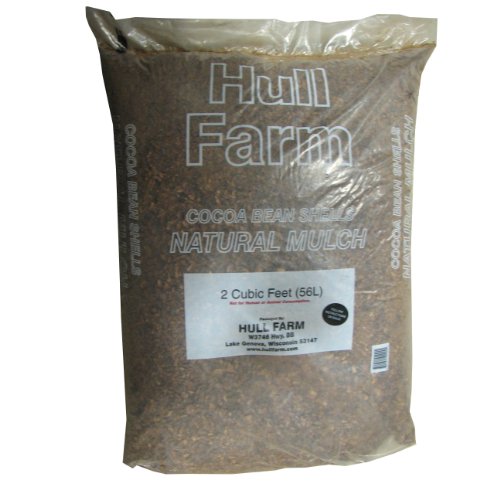
Hull Farm Cocoa Bean Shell Mulch 2 cu ft

Halatool 2 Pcs Coco Husk Chips 2.2 lb

Plantonix Coco Chips Mulch Brick 10 lb

EZ-Straw Seeding Mulch with Tackifier 2.5 cu ft

PlantBest Coco Mulch Compressed Block 9.1 lb
SuperMoss Coco Mulch arrives as a compact mini-bale of coconut coir fiber, roughly 200 cubic inches of natural-brown material that fluffs up quickly once you break it apart. The medium is pH neutral (meaning it won’t shift your soil’s acid balance either way), so it suits raspberries, which like slightly acidic ground but don’t need anything extreme. For a small raised bed or a cluster of container-grown raspberries on a patio, the volume is manageable without becoming wasteful.
The texture is finer than chunky husk chips, which makes it nice around shallow cane roots where you don’t want big air gaps. Coir is also known to absorb a meaningful amount of water before releasing it slowly, which can stretch the time between waterings during hot stretches. Depending on your climate, you may find the fine texture compacts a bit by midsummer and benefits from a light top-up.
What Makes Sense
- pH-neutral coir won’t push raspberry soil toward unwanted alkalinity
- Holds moisture well, easing the load on daily watering in summer
- Fine texture settles around shallow cane roots without leaving voids
- Mini-bale size fits apartment patios and small raised beds
Some Limits To Know
- At about 200 cubic inches, you’ll need several bales for full-row coverage
- Fine fibers can compact over a season, so a mid-summer refresh helps
- Not the best match for steep slopes where chunkier mulch stays put better
Who It Suits Best
Container gardeners and small-space growers who want a tidy, fine-textured mulch that won’t shift their soil pH.
A Better Fit Elsewhere
For a large berry row that needs broader coverage in one pass, the HealthiStraw GardenStraw bale stretches further per dollar.
Legigo ships two compressed bricks of coconut husk chips totaling about 2.2 pounds, screened and rinsed to lower the natural salt content of raw coir. Once you add water, each brick breaks down into a chunky, fibrous mulch that sits loosely on top of the soil. The pieces are noticeably larger than SuperMoss Coco Mulch, which is the first item on this list, so airflow through the bed stays open even after a rain.
That chunkier profile matters for raspberries, because canes hate wet feet, meaning roots sitting in saturated soil. Coarser chips let water pass through to the soil below rather than trapping it on top. The two-pack format also keeps the bricks manageable for a hobby gardener who wants to carry them to the back of the yard without wrestling a 40-pound bag.
Useful Highlights
- Two-pack size stays easy to lift and store between seasons
- Rinsed coir helps avoid salt buildup that can stress berry roots
- Chunky texture promotes airflow, reducing crown rot risk in damp beds
- Breaks down slowly, so a single application can last a full growing season
Practical Considerations
- Bricks need soaking time before use, so plan ahead on planting day
- Chips can blow around in exposed plots until they settle and mat down
Made For
Beginners tending a small raspberry patch who want a forgiving, low-mess coir product they can expand on demand.
Look Elsewhere When
If you manage long rows or multiple beds, the PlantBest Coco Mulch Compressed Block stretches to greater volume from a single unit.
HealthiStraw GardenStraw is a 3-cubic-foot bale of wheat straw that’s been cleaned to pull out dust, dirt, and as many stray seeds as possible. At roughly 20 pounds, it covers a meaningful stretch of raspberry row in a single pass. Straw is the classic choice for cane fruits because it shades the soil, holds moisture, and breaks down into organic matter that composts back into the bed.
Because straw is light and loose, you may find it shifts in heavy rain until it mats down with age. Apply it a few inches thick across the root zone, keeping it slightly clear of the canes themselves so airflow stays high around the crown. The source claims it can reduce watering frequency noticeably, which lines up with what gardeners generally report about thick straw layers.
Strong Points
- Large 3-cubic-foot bale covers full berry rows without multiple purchases
- Cleaned wheat straw limits the volunteer wheat sprouts you sometimes see in cheaper bales
- Shades soil and slows evaporation, easing summer watering demands
- Breaks down into compost-friendly carbon at season’s end
Honest Caveats
- Loose straw needs a thick layer to suppress weeds effectively
- Replacement each spring is normal since straw decomposes within a season
- Not the most decorative option if you’re mulching a visible front-yard bed
Quick Facts
Best Suited To
Growers with long raspberry rows who want broad coverage and a mulch that feeds the soil as it ages.
Skip It When
For a tidy, decorative front-yard berry bed, the Hull Farm Cocoa Bean Shell Mulch reads more visually.
Hull Farm’s Cocoa Bean Shell Mulch is a 2-cubic-foot bag of碎壳 from processed cacao beans, which gives gardens a rich chocolate-brown look and a faint, sweet aroma right after spreading. The shells are lightweight but interlock once laid down, so they stay in place better than straw on a calm day. Source data lists a fertilizer value of roughly 2.5-1-3 (the N-P-K ratio: nitrogen, phosphorus, potassium), meaning a small but real nutrient contribution as the shells weather.
Raspberries benefit from the light nutrient release, though you shouldn’t count on shells alone to replace a fertilizer program. The bigger appeal is the look, which makes this a smart pick when your berry bed sits in a visible part of the yard. Pet households should know that cocoa shells can bother dogs that nibble them, so placement matters.
Points In Its Favor
- Rich brown color dresses up visible berry beds better than straw or wood chips
- Light fertilizer value (2.5-1-3) supports cane growth between feedings
- Won’t burn vegetation when applied at recommended depths
- Aroma fades after a few weeks but stays pleasant through the season
Points To Note
- Cocoa shells can upset dogs that chew on them, so fence off curious pets
- Smaller 2-cubic-foot bag fills less area than HealthiStraw GardenStraw’s 3-cubic-foot bale
Perfect Match For
Design-minded gardeners who want a front-yard berry bed that looks finished and smells faintly sweet.
Reach For A Different Pick When
If you have dogs that roam the patch, the SuperMoss Coco Mulch is a safer ground cover with a similar color.
Halatool ships two compressed bricks of mature coconut husk chips, each weighing roughly 1.1 pounds and measuring about 8 by 4 by 2 inches before hydration. Each brick expands to roughly 7 quarts once water hits it, which is enough to cover a meaningful ring around a single raspberry clump. The husks are processed for low EC (electrical conductivity, a measure of soluble salt content) and pH-balanced, so they won’t push your soil into salty or alkaline territory.
Compare that to the Legigo 2-pack earlier in this list, which is a similar size and format. Halatool leans into the technical specs, advertising the pH balance and low salt levels directly. For gardeners with soil that already trends toward alkaline or saline, that specificity matters. The husks break down slowly, so one application can carry a full growing season without disappearing mid-summer.
Practical Pluses
- Low EC and pH-balanced formulation protects sensitive berry roots
- Compressed bricks weigh under 3 pounds total, easy to carry to the back garden
- Each brick expands to roughly 7 quarts of mulch once rehydrated
- Slow breakdown means one application often lasts the full season
Trade-Offs To Consider
- Bricks require soaking, so spread time grows by 30 minutes per application
- Two-pack may leave large berry rows under-covered without buying multiple sets
Feature Snapshot
The Right Fit
Growers with tricky, alkaline-leaning soil who want a coir mulch that won’t make the chemistry worse.
Swap It Out When
For sprawling rows that need more volume per purchase, the PlantBest Coco Mulch Compressed Block covers more ground from a single block.
Plantonix’s Coco Chips Mulch Brick is a 10-pound compressed block of coconut husk chips aimed at full garden beds and outdoor landscaping. Once hydrated, the block fluffs into a sizeable pile of chunky, long-lasting mulch that holds moisture across the root zone of established raspberry plantings. The coarse texture resists compaction, so water reaches the canes’ feeder roots rather than running off a crusted surface.
This is the step up from smaller two-pack bricks like Legigo and Halatool covered earlier. Where those work for one or two berry clumps, Plantonix is sized for a bed with multiple rows or an established patch that needs a fresh layer after last season’s cleanup. Because the chips are bigger than fine coir, they break down over multiple seasons rather than vanishing by autumn.
Reasons It Performs
- Larger 10-pound block suits established patches and full garden beds
- Coarse husk texture resists compaction through wet spells
- Holds moisture where feeder roots actually live, not just at the surface
- Compresses for transport and storage, then expands to working volume
Trade-Offs To Consider
- 10-pound brick is heavier than the 2.2-pound two-packs, so plan a trip to the garden
- Chips may need a season to fully hydrate on first application
Whose Shelf It Belongs On
Established patch owners with multiple rows who want a long-lasting mulch from a single purchase.
Where Another Pick Suits Better
For a tiny container planting on a balcony, the SuperMoss Coco Mulch mini-bale is a better volume match.
EZ-Straw is a 2.5-cubic-foot processed straw bale with a tackifier (a biodegradable bonding agent) sprayed through it that makes the strands stick to each other and to the soil below. The tackifier is the headline feature, because plain straw tends to migrate in rain and wind, while tackified straw holds its shape until it breaks down naturally. The source claims coverage up to 500 square feet per bale, which assumes a thin seeding layer.
For raspberries, this mulch shines on slopes or windy plots where loose straw would wash or blow off before doing its job. Twice-cut, processed strands spread evenly and lay flat across the bed. It’s also reported as safe around pets and children once the tackifier dries. The straw is described as 99% weed free, so you’re not importing a fresh round of grass seedlings into your berry patch.
What Helps Most
- Tackifier keeps straw in place through rain, which loose straw can’t match
- Twice-cut strands spread flat and even across the root zone
- 99% weed-free processing limits volunteer grass in the patch
- Safe around pets and children once cured, per the source description
Worth Bearing In Mind
- Designed for seeding coverage rates, so a deep berry bed layer may need more than one bale
- Tackifier needs a short drying window after spreading to fully bond
Feature Card
Who Should Grab It
Backyard growers on slopes, hillsides, or exposed plots where loose mulch just won’t stay put.
Consider Something Else When
For flat, calm beds where plain straw works fine, the HealthiStraw GardenStraw bale covers more area per dollar.
PlantBest’s compressed block weighs 9.1 pounds and expands to about 64 quarts, which the source pegs at covering up to 17.5 square feet of bed at a working depth. That’s a serious expansion ratio for a single block, which is why it’s the last pick on this list and a natural fit for whole-patch mulching. The compressed format also means storage is easy compared to wrestling bulky bags around the garage.
Add water, wait a few minutes, and the block breaks into a workable pile of organic coconut mulch that lays cleanly around raspberry canes. Coir holds moisture and breaks down slowly, so one application can carry most of a season. It’s a good match for gardeners who want to mulch the whole patch in one sitting rather than mixing and matching smaller bricks.
Strengths Worth Knowing
- Single block expands to 64 quarts, covering up to 17.5 sq ft of bed
- Compressed form stores neatly and travels easily from car to garden
- Organic coconut coir breaks down slowly, feeding soil over months
- Replaces several bulky mulch bags without the lifting hassle
A Few Limitations
- Hydration step adds setup time before spreading
- One block is plenty for a small patch but light coverage for multi-row plantings
Technical Highlights
Built With In Mind
Patch owners who want to mulch the whole berry bed in one trip and skip the bulk-bag struggle.
Not Your Match When
For just a couple of potted raspberries, the smaller SuperMoss Coco Mulch avoids leftover material.
What Matters When Choosing Mulches For Raspberries
The right mulch depends on what your soil and your patch actually need. Start by reading your bed, not the label, because raspberries share most of their requirements but vary in tolerance depending on rootstock and climate.
Moisture Holding And Drainage Balance
Raspberries want consistent moisture in the top few inches of soil, but they hate saturated crowns. Mulches that hold water (coir, straw, fine bark) keep the root zone cool and stretch the time between waterings. Coarser mulches like cocoa shells or large husk chips let excess rain drain through faster. If your bed sits in heavy clay, lean toward chunkier mulch. If your soil drains quickly and you water often, finer mulch buys you time between sessions.
Decomposition Rate And Soil Feed
Some mulches vanish within a season, while others linger for two or three. Wheat straw and fine coir break down quickly and add organic matter to the soil by fall, which is helpful if you also compost spent material. Cocoa shells and larger husk chips last longer and feed the bed more slowly. Pick based on whether you want annual refreshes or multi-season coverage.
Climate And Site Exposure
Windy or sloped sites call for tackified straw or heavy chips that won’t migrate. Hot, sunny beds benefit from light-colored mulches that reflect heat, while shaded plots can use darker mulches that warm the soil earlier in spring. Match the mulch’s behavior to the microclimate your berries actually live in, not the climate on the seed packet.
Safe Materials Around Pets And Kids
Cocoa bean shells look tempting to dogs and can cause stomach upset if eaten. Straw mulches are generally safe once dry, and coir products are inert enough to avoid most concerns. If pets roam the garden, fence off the berry bed during the first few weeks after spreading until everything settles.
Patterns To Notice Across These Picks
Common Shopping Slip Ups
The biggest mistake is choosing mulch by color alone without checking how it interacts with your soil. A dark, attractive shell mulch can heat up a sunny bed in midsummer, while a pale straw that looks plain actually keeps roots happy through heat waves. Another common slip is underestimating volume. Bales and bricks expand, but the working volume after spreading is often less than the bag suggests, so it’s safer to round up than to run short mid-row.
Where The Extra Money Goes
Premium mulches tend to deliver on three fronts: longer decomposition, better appearance, and steadier moisture retention. Hull Farm’s cocoa shells and PlantBest’s expanded coir block both cost more per cubic foot than basic straw, but they last longer and dress up visible beds. The honest read is that the upgrade pays off most when your berry patch sits in a front-yard setting or when you mulch infrequently and want one application to carry a full season.
