

A sloped yard tests every mulch you lay down. Heavy rain turns loose bark into a slow-moving river, dry weeks bake exposed roots, and anything too light just migrates downhill. The right product holds the grade, feeds the soil, and saves you from re-spreading every spring.
This list rounds up eight options built to actually stay put on inclines, from straw blankets that grip new seed to bonded rubber walkways that handle foot traffic. Each pick solves a different slope problem, so you can match the material to your grade, your plants, and the amount of maintenance you want to take on.
The Leading Options At A Glance

HealthiStraw GardenStraw 3 cu ft All-Natural Mulch (20 lbs)

Mulch Bond 1-Gallon Rock Glue for Slopes
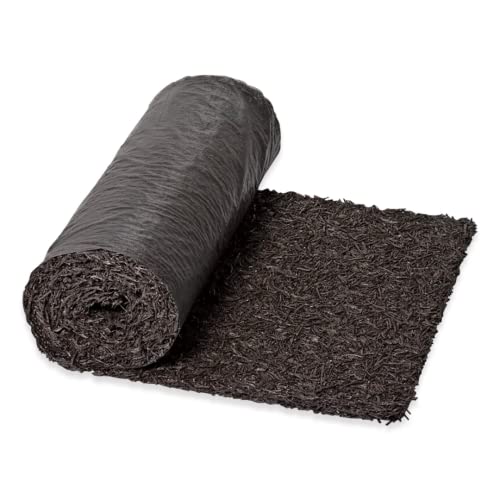
Gardener’s Supply 100% Recycled Rubber Walkway 8′ x 2′

Garden Elements 100% Natural Cocoa Bean Shell Mulch 2 cu ft
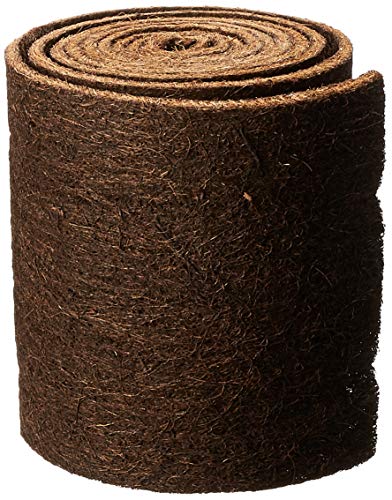
Bosmere Border Protection Edging Weed Mat 10′ x 9″

Plantonix Coco Chips Mulch Brick 10 lbs

EZ-Straw Seeding Mulch with Tackifier 2.5 cu ft Bale

PlantBest Coco Mulch Compressed Block 9.1 lb (64 Qt)
More On The Choices That Made The List
Wheat straw earns its spot on vegetable slopes because it breaks down fast, adds carbon back to the soil, and stays put better than bare ground during heavy rain. Each 3 cu ft bale arrives screened to pull out dust and most seeds, so you spend less time weeding what the straw itself brought in.
Runners-up on this list like the rubber walkway solve a different problem, so they don’t compete here. For a home gardener starting a new bed on a moderate grade, this straw handles moisture retention, seed protection, and compost contribution in a single pass.
Reasons It Performs
- Pre-cleaned wheat straw cuts down on surprise weed growth in the first season.
- Breaks down into compost-friendly carbon within a single growing season.
- Holds soil moisture and can reduce watering frequency on sunny slopes.
- Light enough to spread over newly planted seed without smothering it.
Things To Consider
- Loose straw can drift on steep grades unless pinned or mixed with a tackifier.
- You’ll need to top it up each season since it decomposes so quickly.
At A Glance
Who It Suits Best
Home gardeners starting vegetable or herb beds on gentle slopes who want a mulch that feeds the soil as it protects it.
Where Another Pick Suits Better
For steeper grades where loose straw would wash out, the EZ-Straw Seeding Mulch with Tackifier holds better through storms.
When your slope is covered in gravel, river rock, or pine straw, the problem isn’t the material, it’s the migration downhill. Mulch Bond is a liquid binder you spray over the top layer to glue everything in place, turning a loose rock garden into a stable, walkable surface.
Where the HealthiStraw option feeds soil, this one locks down hardscape. It suits driveways, decorative gravel paths, and any slope where you’ve already chosen your surface material and just need it to stop shifting after rain.
Where It Delivers
- Bonds loose rock, gravel, and pine straw into a stable mat.
- Fast-drying formula lets you walk the surface within hours on a warm day.
- Non-toxic once cured, so it’s reasonable around plantings and pets.
- Weather-resistant finish holds up through seasonal rain and sun cycles.
Worth Noting
- A 1-gallon jug covers a modest area, so larger driveways need multiple containers.
- Application requires a sprayer and even coverage to avoid patchy results.
- You’ll want to reapply every couple of years as the bond breaks down.
Right Fit For
Homeowners with decorative gravel or pine straw slopes who want a stable surface without replacing the existing material.
Skip It When
If your slope is planted with vegetables or ground cover, the EZ-Straw with Tackifier gives you seed protection without sealing the soil surface.
Rubber walkway matting takes a different approach: instead of spreading loose material on a slope, you lay a permanent path that doubles as mulch. Made from recycled tire rubber, each 8-foot strip cushions knees and feet while suppressing weeds underneath.
Compared to the loose straw and cocoa shell options, this is a structural solution. Gardeners with raised beds on a hillside, or anyone tired of compacted dirt paths, get a clean walking surface that won’t shift downhill in a storm.
What Earns Its Place
- Recycled rubber construction holds up for years without decomposing.
- Cushioned surface is gentler on knees during long weeding sessions.
- Blocks light to suppress weeds along the path edges.
- Handles temperature swings and stays put through heavy rain.
Honest Caveats
- Heavier than loose mulch and needs a flat, prepared base for clean installation.
- Only suits path-and-border applications, not full slope coverage.
Feature Snapshot
Made For
Gardeners with raised beds or rows on a slope who want a permanent, low-maintenance walking path that doubles as weed control.
Look Elsewhere When
If your slope is a wide, planted hillside rather than a defined path, the PlantBest Coco Mulch compressed block covers broader ground more economically.
Cocoa shell mulch brings something the heavier options can’t: a rich brown color and a faint chocolate aroma that freshens up flower beds. The shells are light, easy to pour, and stay in place well enough for gentle slopes around perennials and container plantings.
Where the rubber walkway is industrial and the straw is utilitarian, this one leans decorative. It’s the choice when the slope is a front-yard flower bed rather than a back hillside, and appearance matters as much as function.
What Pays Off
- Natural dark brown color holds up through the season without dye.
- Lightweight shells are easy to spread, even in tight container gardens.
- Retains soil moisture and helps suppress weeds in flower beds.
Points To Keep In Mind
- Light shells can wash downhill on steeper grades after heavy rain.
- Not safe for pets who may try to eat the chocolate-scented material.
- A 2 cu ft bag covers a small bed, so larger slopes need multiple bags.
Best Suited To
Front-yard flower beds and container gardens on gentle slopes where color and aroma matter as much as moisture control.
Not Your Match When
Pet households with curious dogs should reach for the Bosmere Border Protection Weed Mat instead, which keeps mulch tidy without the chocolate scent.
Weed mat edging solves a specific problem: grass creeping from the lawn into your flower bed along a sloped border. This 10-foot brown fabric strip lays along the edge, blocks light, and creates a clean line that lasts a full growing season.
Unlike the bulk mulches above, this works alongside them. Pair it with cocoa shells or straw on the bed itself, and the Bosmere mat handles the messy transition zone where lawn meets planting.
The Good Stuff
- Long 10-foot strip covers a full border run with minimal seams.
- Brown tone blends into soil and mulch rather than standing out.
- Blocks sunlight to stop grass runners from invading bed edges.
- Flexible enough to follow curved borders on contoured slopes.
Some Limits To Know
- 9-inch width handles edges but won’t cover a full slope on its own.
- Needs anchoring pins in loose soil to stay flat through winter.
Quick Facts
Who Will Love This
Homeowners tired of weed-whacking along sloped bed edges who want a tidy lawn-to-bed transition that lasts.
Consider Something Else When
If you need full-slope coverage rather than border edging, the PlantBest Coco Mulch compressed block spreads across a wider area for the same effort.
Coconut husk chips come compressed into a brick the size of a small laptop, so storage and transport stop being a problem. Drop one in a wheelbarrow, add water, and you’ve got a wheelbarrow full of chunky mulch ready to spread.
Compared to the loose cocoa shells and wheat straw earlier in this list, the chip texture grips slopes better and lasts longer between replacements. For tropical plants, orchids, or raised beds on a hillside, the husk material holds moisture through dry weeks.
Why It Works Well
- Compressed brick cuts shipping weight and shelf space dramatically.
- Chip texture grips slopes better than fine shredded mulches.
- Long moisture retention reduces watering on sunny inclines.
- Organic coconut husk breaks down slowly over multiple seasons.
Trade-Offs To Consider
- Requires soaking time and a container before you can spread it.
- Chunky texture isn’t ideal for fine seed beds or annual vegetable rows.
Perfect Match For
Raised bed gardeners and tropical plant owners who want a low-maintenance mulch that holds moisture through hot summers on a slope.
Swap It Out When
Fine seed-starting on a slope calls for the EZ-Straw Seeding Mulch with Tackifier, which protects new seed without the chunky texture.
Establishing new grass on a slope is where most seed projects fail, because rain washes everything to the bottom before roots anchor. EZ-Straw adds a tackifier, which is a biodegradable bonding agent, so the straw stays in place while the seed germinates underneath.
HealthiStraw handles vegetable beds well, but for a new lawn on a hillside, this tackified version solves the specific washout problem. One 2.5 cu ft bale covers up to 500 square feet, which is enough for most residential reseeding projects.
The Case For It
- Tackifier holds straw and seed in place through heavy rain events.
- Biodegradable bonding agent breaks down as grass establishes.
- Covers up to 500 sq ft per bale for efficient slope reseeding.
- Safe around pets and children once applied to the lawn.
A Few Limitations
- Tackifier needs moisture to activate, so dry climates require initial watering.
- Single-use mulch: it breaks down with the grass and won’t last as decor.
Who Should Grab It
Homeowners reseeding a sloped lawn or repairing erosion patches who need the straw to stay put through spring storms.
Another Choice May Suit
For decorative slopes where grass seed isn’t the goal, the Garden Elements Cocoa Shell Mulch gives longer-lasting coverage with better color.
The PlantBest compressed block follows the same logic as the Plantonix brick above, but scales up for bigger jobs. One 9.1-pound block expands to 64 quarts, enough to cover roughly 17.5 square feet at a useful depth, and you carry it from the car in one hand.
For larger slope projects, the savings on shipping and storage add up fast. Landscapers and homeowners with multiple beds benefit most, since a few blocks replace a stack of bulky bags.
Strengths Worth Knowing
- One block replaces multiple heavy bags for easier transport.
- Expands to 64 quarts, covering up to 17.5 sq ft at standard depth.
- Organic coconut material suits trees, shrubs, and landscape beds.
- Long-lasting mulch that resists washing on moderate slopes.
Practical Considerations
- Needs a soaking container and time to fully expand before spreading.
- Single block coverage suits smaller projects; large slopes need several.
Whose Shelf It Belongs On
Landscapers and homeowners managing multiple landscape beds who want lightweight storage and broad-slope coverage in one product.
Reach For A Different Pick When
If you’re protecting new grass seed specifically, the EZ-Straw with Tackifier is designed for that single use case and works better.
Picking The Right Mulch For Your Slope
A slope changes everything about how mulch performs. Gravity pulls it downhill, rain channels it into low spots, and the soil underneath dries out faster than flat ground. The right material has to fight all three forces, which is why slope-rated products often look different from standard garden mulch.
The first decision is whether you’re covering a planted slope or a hardscape slope. Planted areas call for organic materials that feed the soil, like the wheat straw, cocoa shells, or coconut options in this roundup. Hardscape slopes, think gravel driveways or rock gardens, do better with a binder like Mulch Bond that locks the surface in place without changing the look.
The second decision is grade severity. Gentle slopes under 15 degrees hold most loose mulches with normal rainfall. Anything steeper than that, especially in regions with heavy storms, needs tackifiers, bonded mats, or the rubber walkway approach to keep material in place through a season.
The third decision is maintenance appetite. Wheat straw breaks down fast and needs refreshing each year. Cocoa shells last longer but still need topping off. Rubber walkways and bonded hardscape solutions install once and stay put for years, which suits anyone who’d rather not re-mulch every spring.
Key Things To Weigh Before You Buy
Pitfalls Shoppers Hit
A common mistake is buying standard bagged mulch designed for flat beds and expecting it to stay put on a slope. Most shredded bark and wood mulches wash downhill in the first heavy rain, which means redoing the work and losing the material to the lawn below.
Another slip is ignoring the grade when calculating coverage. Slopes shed water fast, so a 3-inch layer that works on flat ground thins out quicker under runoff. Buying 20 percent more than the flat-ground estimate keeps you from running short mid-project.
Where The Extra Money Goes
Premium slope mulches earn their keep through binding agents, longer material life, and better coverage per pound. The tackifier in straw blankets, for example, is what separates them from regular straw bales, and it’s the part that justifies the higher cost.
Bonded rubber walkways cost more upfront but replace years of mulch refreshes, which is where the real value sits for high-traffic paths. For low-maintenance households who’d rather install once and forget it, the upgrade pays off over a five-year horizon.
Frequently Asked Questions
What depth of mulch works best on a slope?
A 3 to 4 inch layer holds moisture and resists washout on most residential slopes. Anything thinner dries out fast; anything thicker can slide under its own weight during heavy rain.
Can mulch actually stop erosion on a hill?
Yes, when paired with the right plants and a binder if needed. Loose mulch alone slows runoff but doesn’t anchor the soil permanently. Tackified straw, rubber matting, or bonded gravel all add the holding power steep grades require.
How often should slope mulch be replaced?
Organic mulches like straw and cocoa shells typically need refreshing once a year. Coconut husk options and rubber matting last several seasons before topping off, depending on weather exposure.
Is rubber walkway safe for vegetable gardens?
The rubber matting suits paths between beds rather than under edible plants. For the beds themselves, organic options like wheat straw or coconut chips are the safer call.
Do I need landscape fabric under slope mulch?
On gentle slopes, fabric helps hold everything in place. On steep grades, fabric alone can trap water and cause slipping, so tackifiers or bonded materials work better than fabric alone.
Wrap Up
The best mulch for your slope depends on what you’re covering and how steep the grade runs. Vegetable beds and new lawns benefit from wheat straw and tackified options, while gravel slopes need a binder to stay put. Cocoa shells and coconut chips handle decorative beds, and rubber matting solves the high-traffic path problem for good. Match the material to the slope, and the mulch does its job through every season.
